
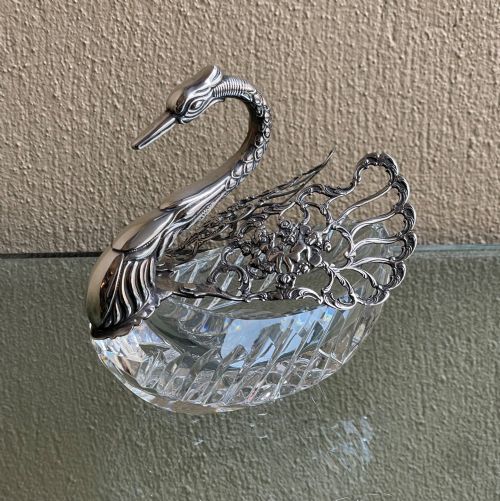


Silver Plated Salt Cellar
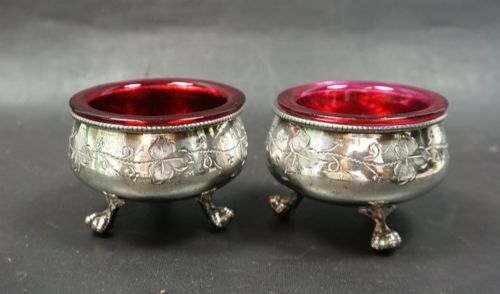
These silver plated salt cellar examples bring Victorian and later elegance to the dining table with gleaming metal and coloured glass liners.
What silver plated salt cellar items are
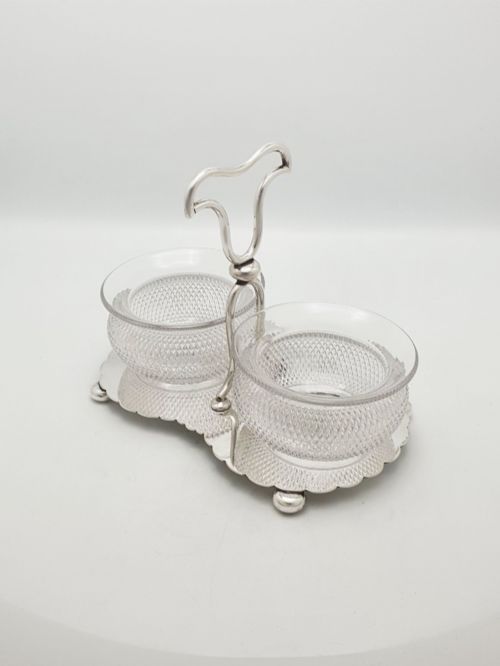
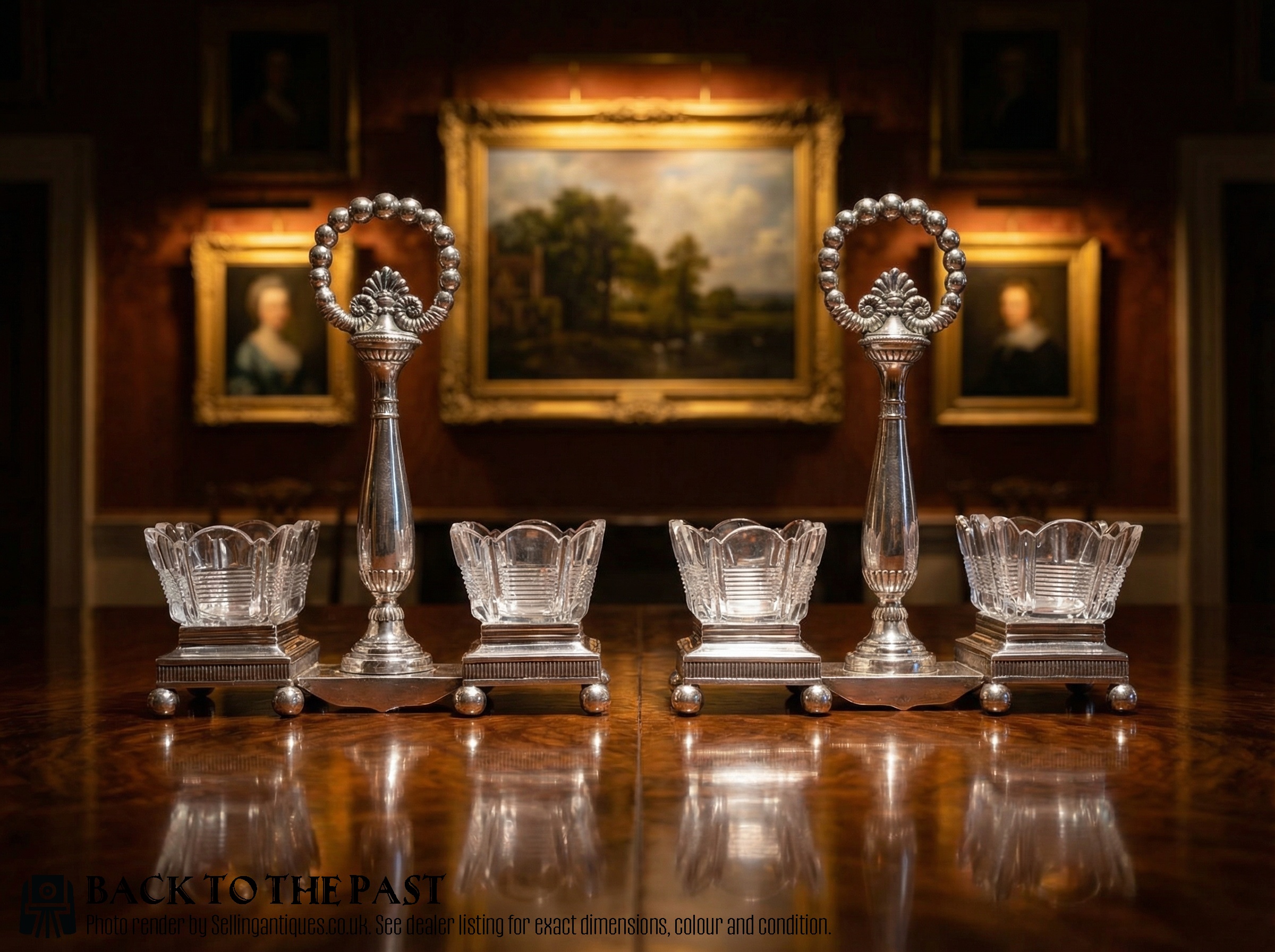
A silver plated salt cellar is a traditional table accessory designed to hold seasoning during meals, appearing in single pieces, pairs, and larger sets. These items range from simple open bowls to novelty animal figures and coordinated cruet ensembles.
The pieces on this page span several distinct periods including the Victorian era, the Edwardian period, and the Art Deco style of the nineteen thirties. Buyers frequently encounter pairs featuring contrasting glass inserts or elaborate figural frames.
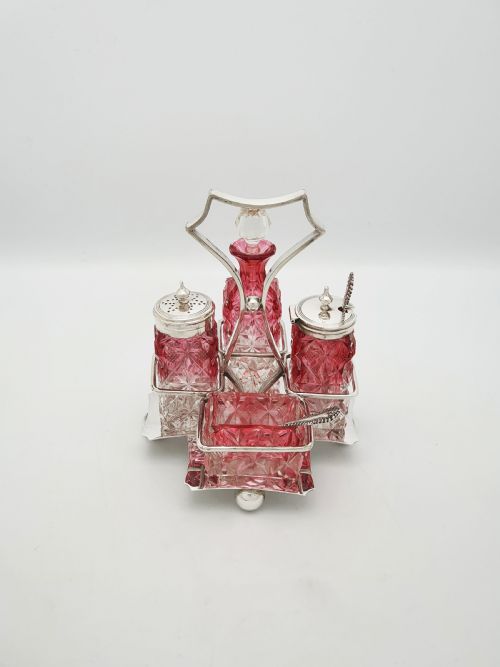
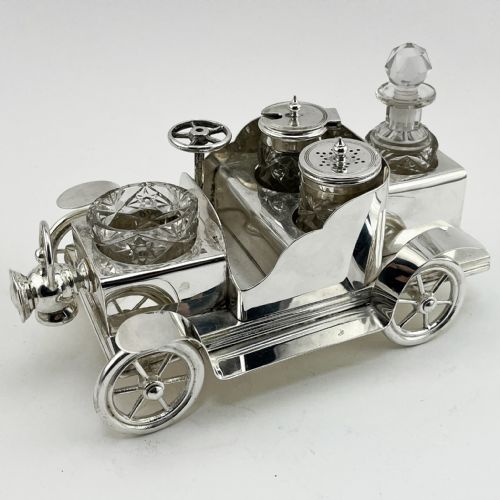
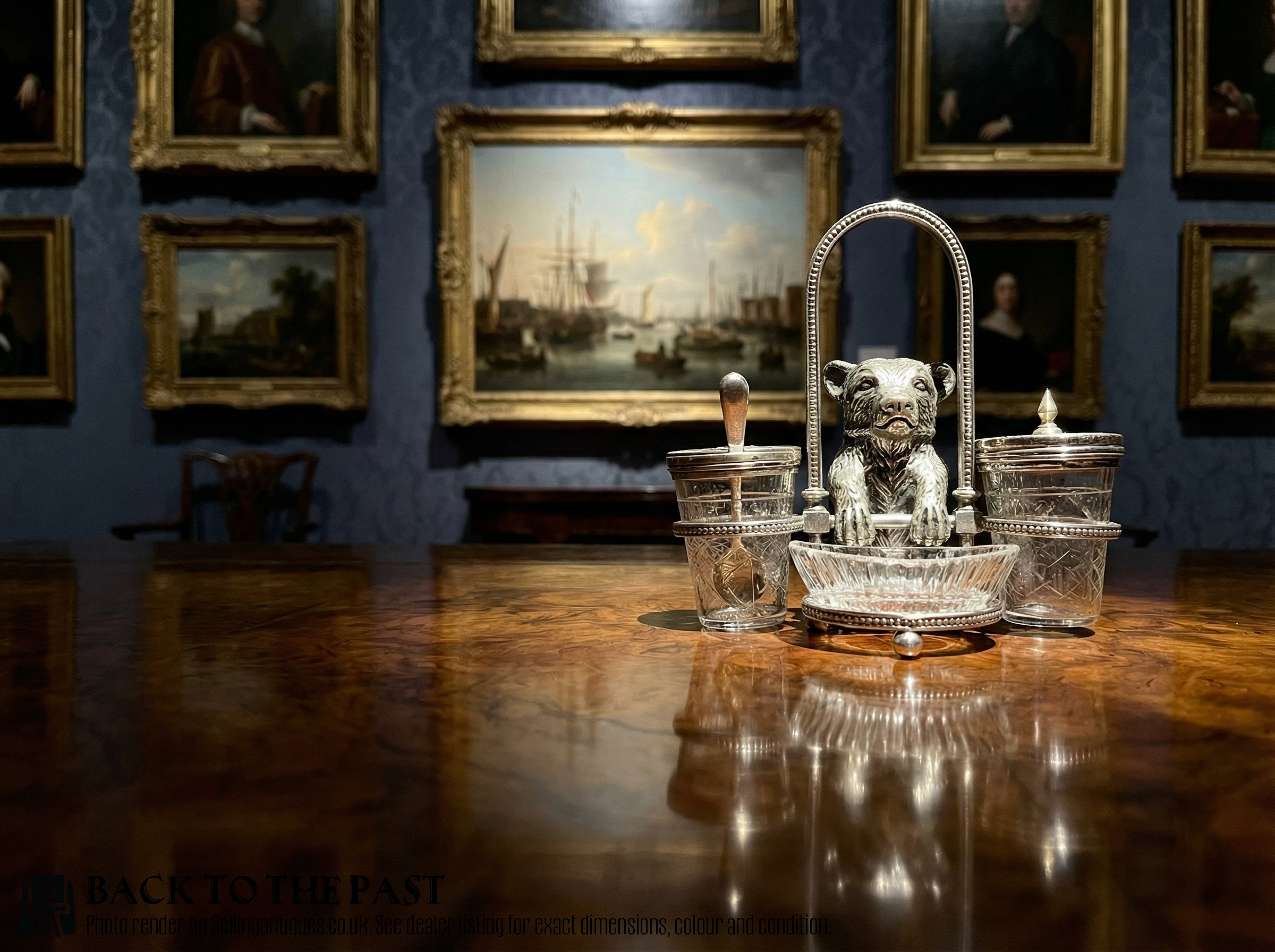
Forms vary from practical condiment pots and open salts to decorative swan dishes and novelty car cruet sets. Each variation reflects the dining customs and aesthetic preferences of its specific period of manufacture.
How they were made
Maker workshops utilised silver plating techniques over a base metal foundation, combining metallic frames with blown or cut glass components. Coloured glass liners in cranberry and cobalt shades were shaped to fit snugly within the pierced or solid metal holders.
Decorative detailing incorporates revival styles such as Rococo and Neoclassical motifs, alongside clean geometric lines characteristic of Art Deco design. Metalworking methods included casting, pressing, and hand-finishing to create complex forms like birds and vehicles.
Retail Price Guide 2026
Typical UK retail prices for silver plated salt cellar, calculated from the Sellingantiques database of over a million retail prices indexed since 2003. This retail price guide relies exclusively on Sellingantiques data; no external sources or auction records are used, so the figures do not describe the wider market.
The listings on this page feature materials including silver plate, cut glass, cranberry glass, and cobalt glass across various Victorian and twentieth-century forms.
What varies in quality
Quality differences lie in the crispness of the cast ornamentation and the integration between the metal frame and its glass liner. Finer items display intricate detail in novelty designs and heavier, more substantial plating.
The condition and clarity of the original glass inserts significantly influence the character of the piece. Matching sets with undamaged coloured liners represent a higher tier of craftsmanship than assembled or replacement components.
The Silver Plated Salt Cellar Glossary
- Salt Cellar
- A small open bowl or container used to hold loose salt at the dining table before the widespread use of shakers. They are frequently paired with small spoons.
- Cruet Set
- A matched collection of condiment containers held in a frame for the dining table. These assemblies often contain mustard pots alongside salt cellars.
- Cranberry Glass
- A rich red glass coloured with gold chloride during production, popular in Victorian tablewares. It provides a striking visual contrast against polished silver plate.
- Cobalt Glass
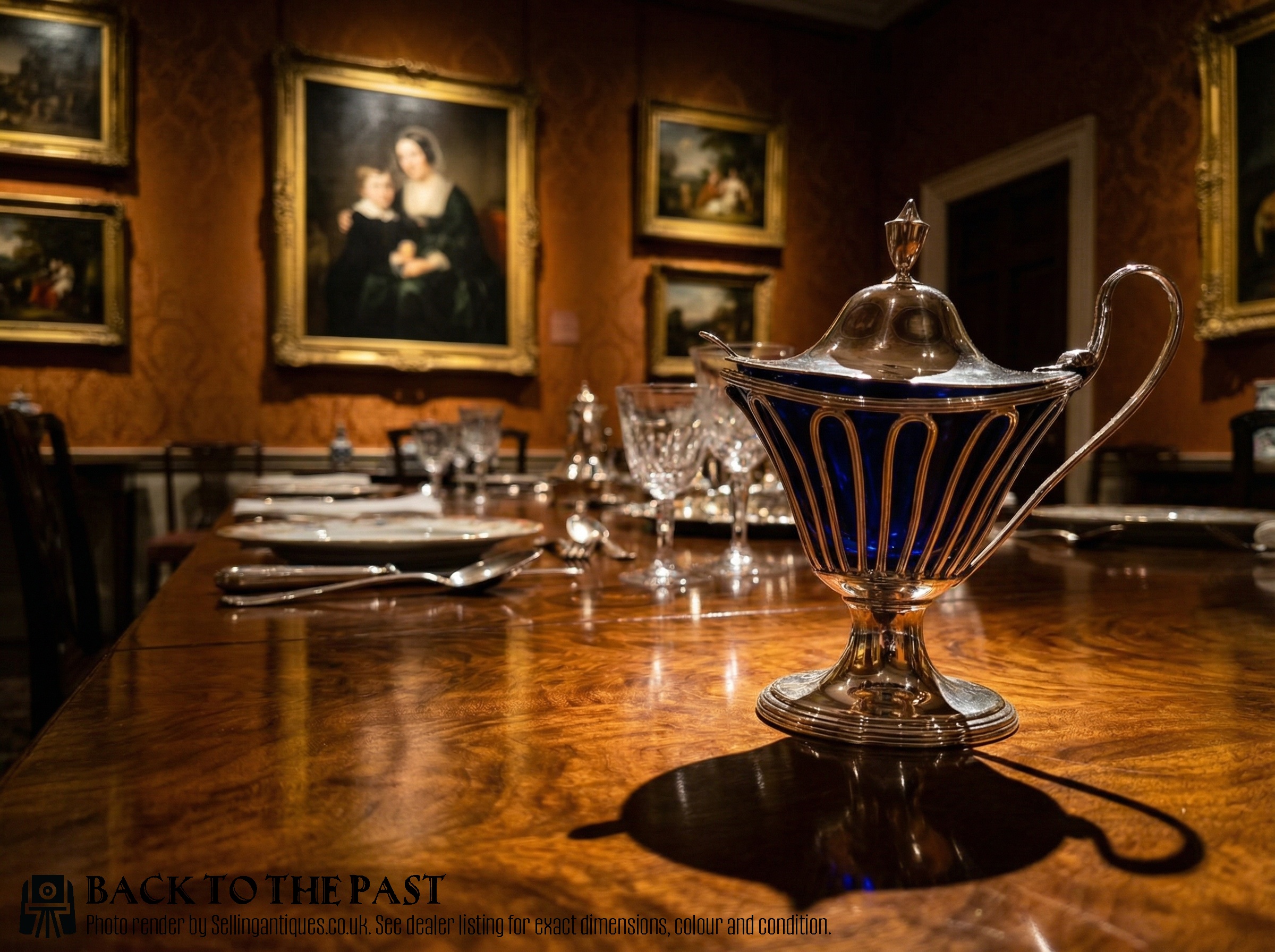
- A deep blue glass produced by adding cobalt oxide to the molten batch. This material was frequently utilised for liners in twentieth century tableware.
- Novelty
- An object shaped to resemble an animal, vehicle, or other humorous subject rather than traditional geometric forms. Victorian makers excelled in producing playful versions of everyday items.
Frequently Asked Questions
How were salt cellars used?
Dining guests used salt cellars by taking a pinch of salt from the open bowl using their fingers or a tiny spoon, rather than shaking it over food. The salt was then placed directly onto the side of the plate.
These vessels sat upon the dining table either individually or as part of a larger cruet set alongside mustard pots and pepper shakers. They formed an essential part of formal nineteenth and twentieth century dining etiquette.
What are glass liners for?
Glass liners protected the silver plated interior of the cellar from the corrosive properties of salt. Direct contact with salt can pit and damage plated metal over extended periods.
Coloured glass inserts in cranberry or cobalt also added a decorative visual element to the tableware. They lifted easily out of the metal frame for thorough cleaning after use.
How do I date an antique salt cellar?
Dating relies on stylistic clues such as the decorative motifs, the shape of the vessel, and manufacturing techniques. Victorian pieces often display elaborate Rococo revival curves, while nineteen thirties examples favour streamlined Art Deco geometry.
Material choices also offer chronological hints, as specific glass colours and mounting styles gained popularity during particular decades. Comparing pieces to known period examples helps establish an approximate time of origin.
Are pairs and sets harder to find?
Matching sets of four or pairs of identical cellars are less common than single surviving pieces due to the scatter of domestic items over time. Finding a complete set with all original glass liners intact is particularly uncommon.
When multiple pieces survive together, they usually command greater interest from collectors and those setting a formal dining table. Single items, however, make striking decorative accents or small dishes.