
Victorian Table Accessories
Victorian table accessories encompass functional and decorative dining pieces that bring period craftsmanship to the table.
Victorian Table Accessories
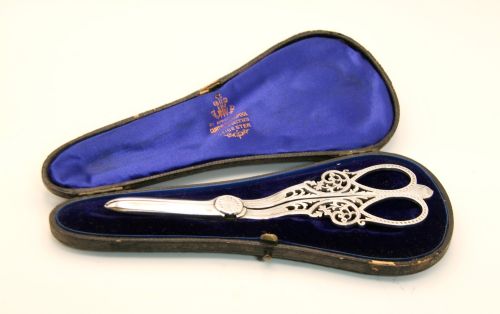
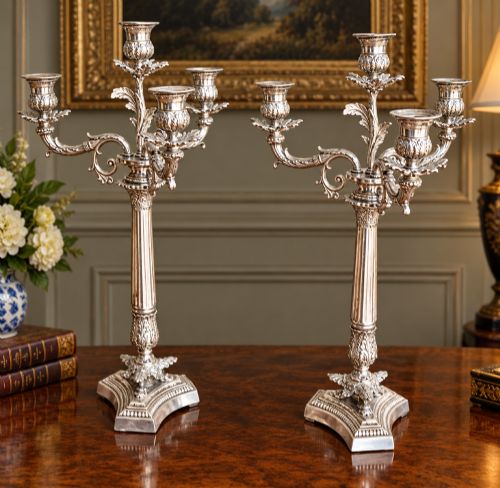
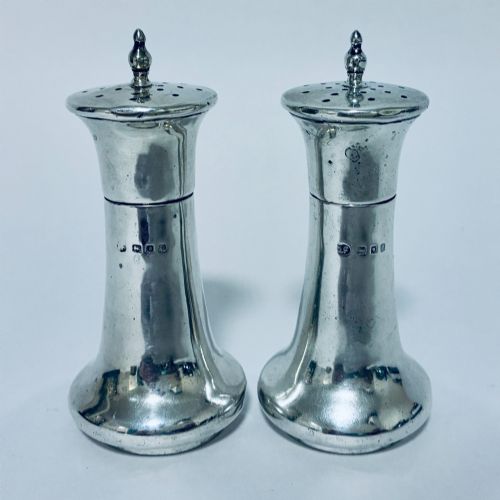
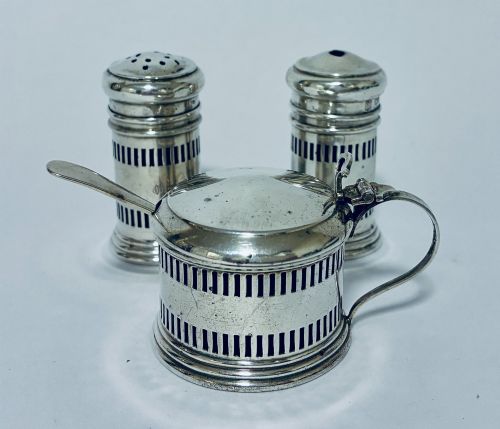
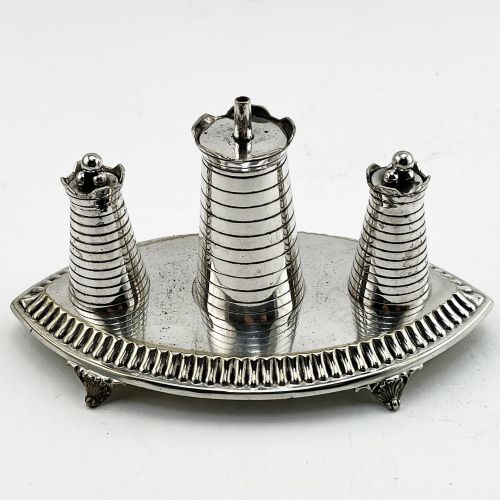
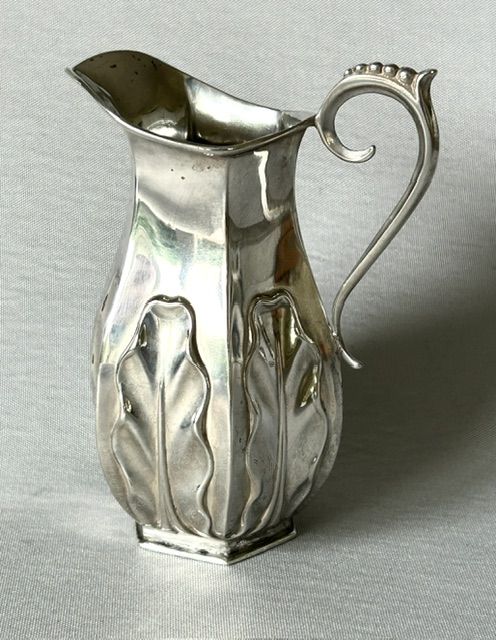
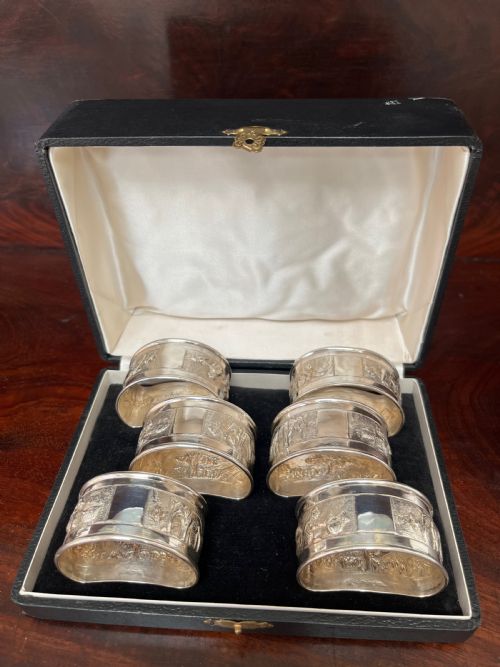
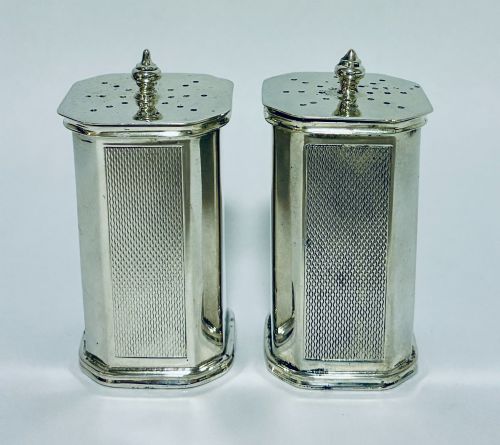
When you examine victorian table accessories, you find items designed to organise and serve food, drinks, and condiments during formal meals. The selection includes cruet sets, salt cellars, napkin rings, pepper pots, and menu holders.
Most pieces date from the Victorian and Edwardian eras, spanning the mid-nineteenth century into the early twentieth century. These objects reflect the elaborate dining rituals of their period.
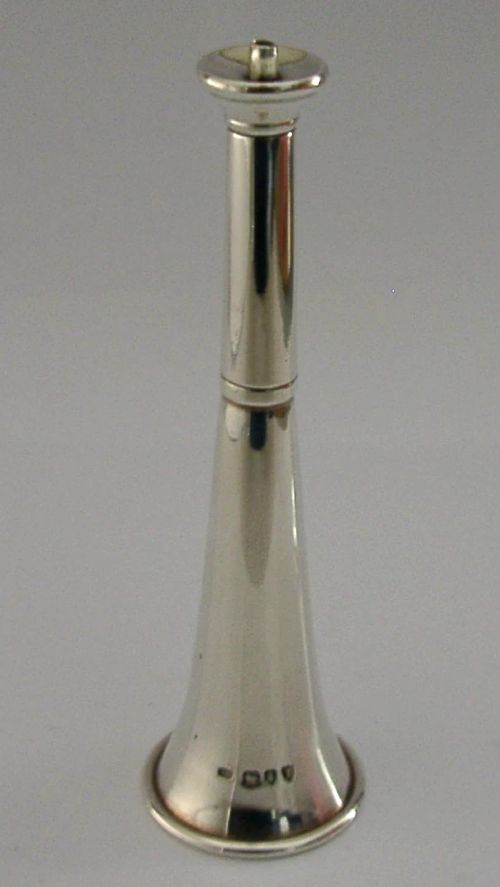
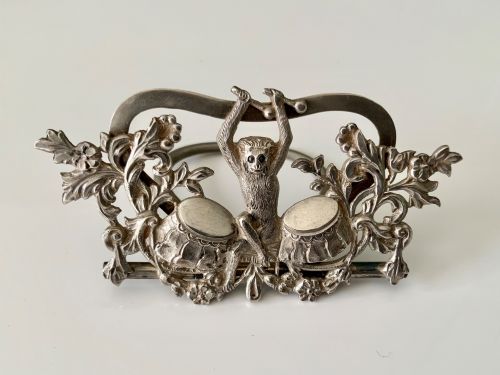
Novelty forms appear frequently, incorporating figural designs like animals, horns, and architectural motifs. Common domestic items take playful shapes, such as table lighters styled as canoes or hunting horns.
Materials and construction methods
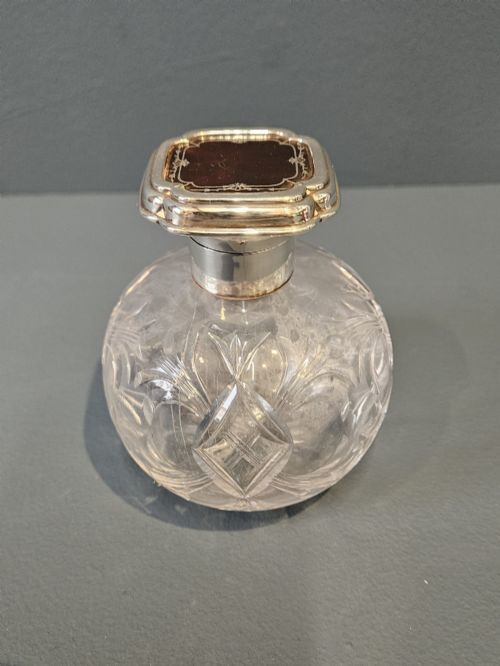
Makers utilised sterling silver and silver plate extensively, shaping metal through casting, chasing, and repousse work. Many pieces combine metal mounts with glass liners, cut crystal, or carved horn.
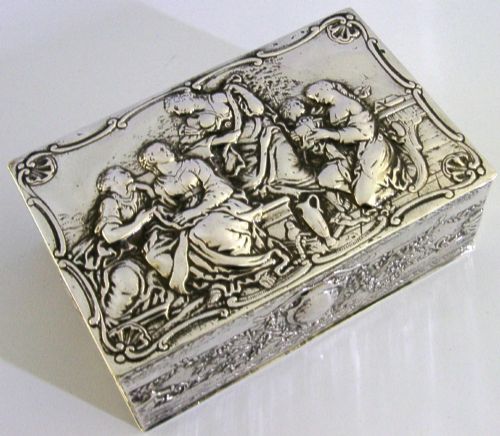
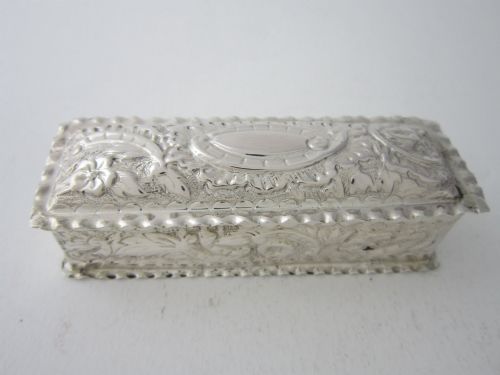
Organic elements like wood, leather, velvet, and silk support decorative and functional items such as games boards and trinket boxes. Silver plating techniques developed rapidly during this era, allowing for durable household items.
Detailed ornamentation ranges from Neo-Rococo scrollwork to Egyptian Revival motifs and Gothic influences. Craftspeople applied gilding and tortoise shell detailing to elevate decorative surfaces.
The selection spans the Victorian, Edwardian, and Georgian periods, incorporating styles from Neo-Rococo to Egyptian Revival.
Assessing quality in period pieces
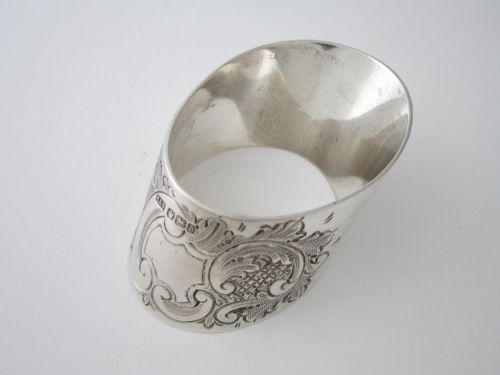
Intact original liners in glass or crystal indicate better preservation and higher production standards. Maker marks and clear hallmarks provide evidence of origin and standard of silver content.
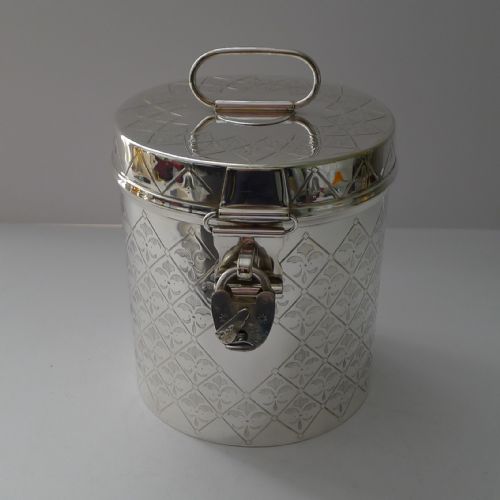
Novelty items demonstrate varying degrees of imagination and technical skill in execution. Complex mechanisms, such as locking biscuit boxes and telescopic candlesticks, rely on precise engineering for their success.
Mappin and Webb·Goldsmith & Silversmith
The Victorian Table Accessories Glossary
- Cruet set
- A matched set of bottles or containers for holding condiments like oil, vinegar, salt, and pepper at the dining table. These typically sit in a silver plated or metal frame.
- Salt cellar
- A small open dish used for holding loose salt before the invention of the spring-loaded salt shaker. They frequently incorporate blue glass liners to protect the metal from corrosion.
- Knife rest
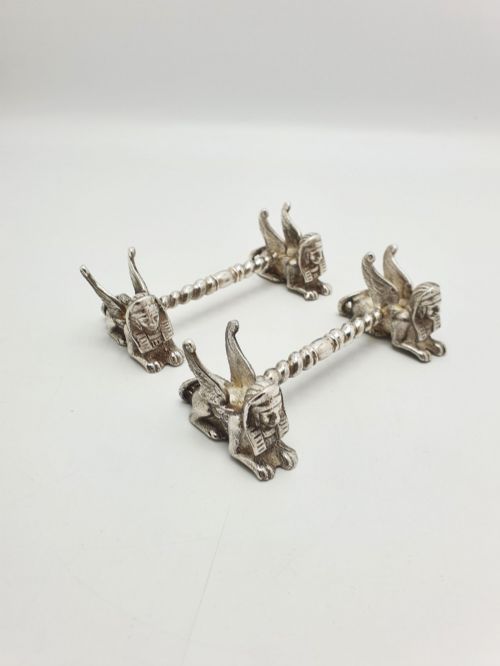
- A small horizontal support used to keep carving knives or dining knives raised above the tablecloth between courses. Victorian versions often take figural shapes like animals or sphinxes.
- Spoon warmer
- A specialised hollow vessel designed to hold hot water for warming silver spoons before serving soup or dessert. These frequently appear in unusual shapes such as nautilus shells or oak barrels.
- Toast rack
- A metal frame with upright dividers designed to hold slices of toast upright and prevent them from becoming soggy. They usually feature a central carrying loop.
Victorian Table Accessories: Frequently Asked Questions
What are victorian table accessories used for?
These items served specific functions during formal nineteenth-century dining, from holding condiments and salt to keeping cutlery elevated and lighting cigars. Hosts utilised them to organise the table and demonstrate taste to guests.
Today, collectors repurpose many of these objects for modern dining or display them as decorative period pieces in domestic interiors.
How do I clean silver table items?
Cleaning requires a soft cloth and a specialised silver polish designed to remove tarnish without harming the underlying metal or plating. Avoid abrasive pads that scratch delicate chasing and engraved details.
For pieces with glass liners, horn, or tortoise shell, remove those components before applying cleaning agents to the metal mounts.
How can I tell sterling silver from silver plate?
Sterling silver items usually bear hallmarks indicating the standard of purity, the assay office, and the date letter. Examining the wear points can also reveal the base metal beneath a worn silver plate.
Silver plate often carries manufacturer marks that denote electroplating processes rather than solid precious metal content.
Where should I display these accessories?
Display options include dining room sideboards, glass-fronted cabinets, or open shelving where the reflective surfaces catch the light. Grouping items by material, such as silver or cut glass, creates a cohesive visual impact.
Ensure wooden and leather elements stay away from direct sunlight and excessive moisture to preserve their condition.