
Antique Dining Tableware
These pieces of antique dining tableware bring silver, glass and mahogany to the table, turning everyday meals into formal occasions.
Antique Dining Tableware
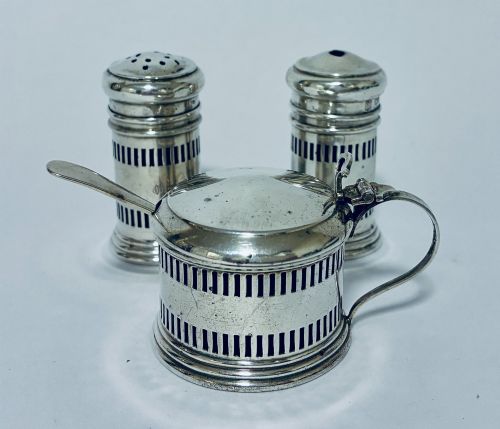
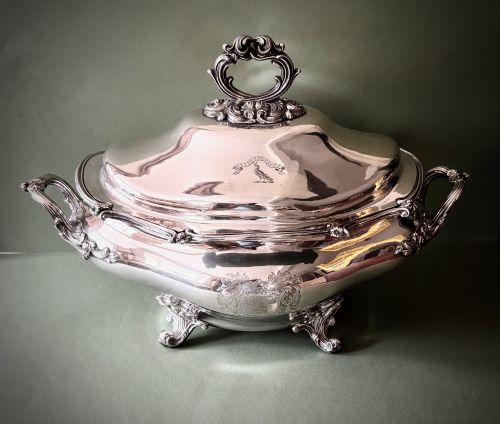
When searching for antique dining tableware, buyers encounter an array of objects designed for serving, seasoning and placing cutlery at the table. These items range from Georgian mahogany cheese coasters and meat skewers to Victorian silver-plated butter dishes, spoon warmers and grape scissors.
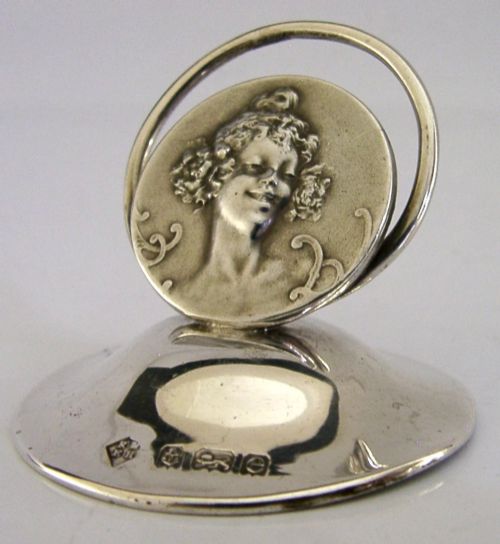
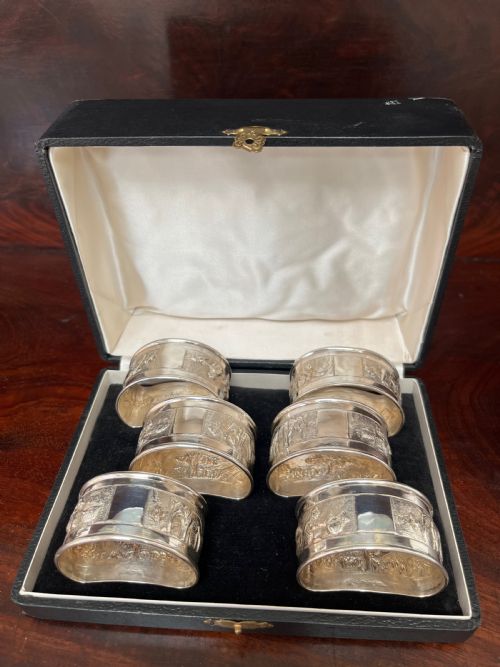
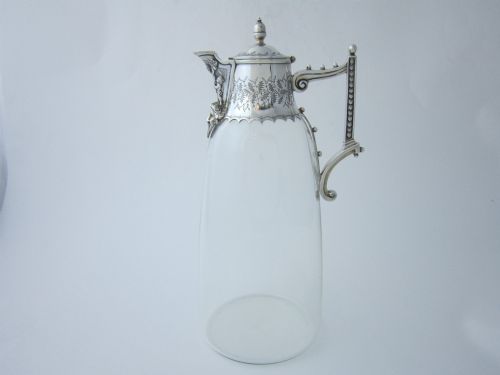
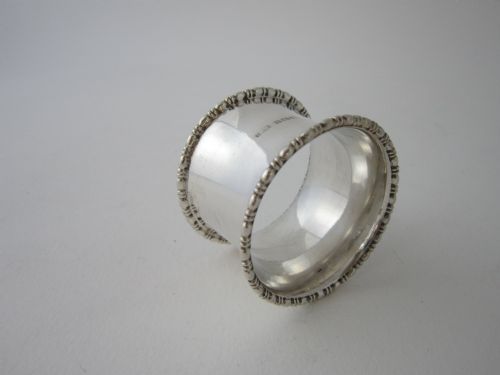
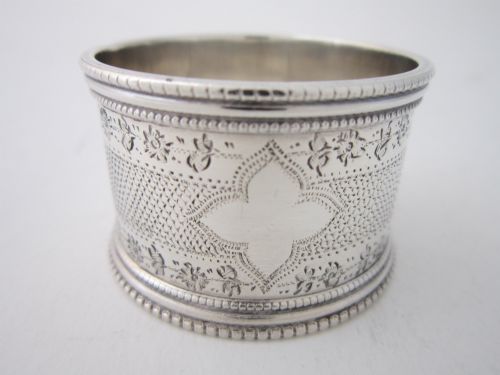
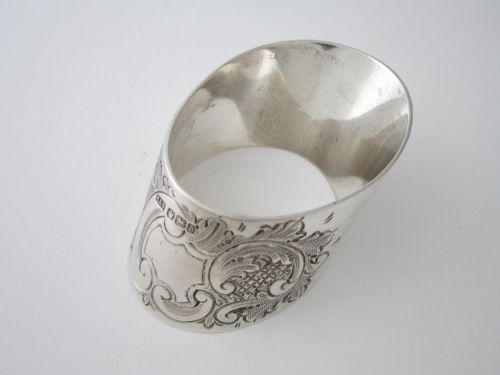
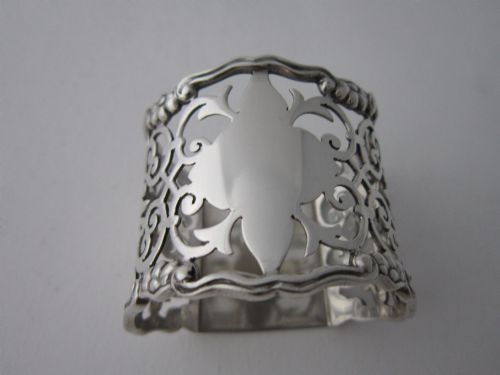
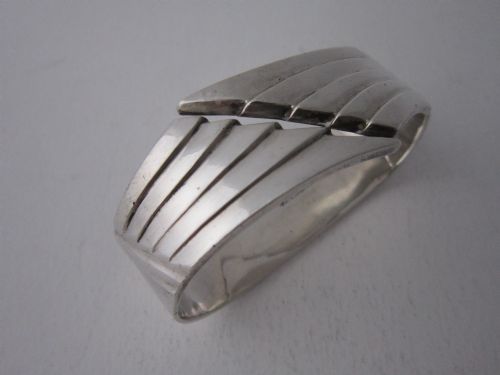
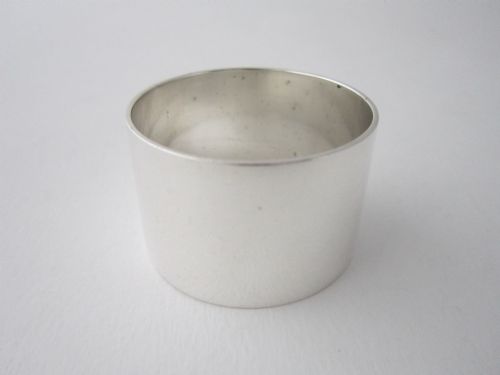
Napkin rings, cruet sets and menu holders appear frequently across the Victorian, Edwardian and George V periods, often preserved in their original fitted cases. Serveware such as sauce boats, claret jugs and game pie dishes complete the settings used by past diners.
The objects span multiple stylistic movements including Regency, Art Nouveau, Art Deco and Mid-Century Modern, reflecting changing tastes in interior design and dining customs over two centuries.
Materials and construction
Makers utilised solid sterling silver, Old Sheffield plate and standard silver plate for metalwork components, frequently combining them with cobalt glass liners, clear glass bodies, oak barrels and mahogany timbers.
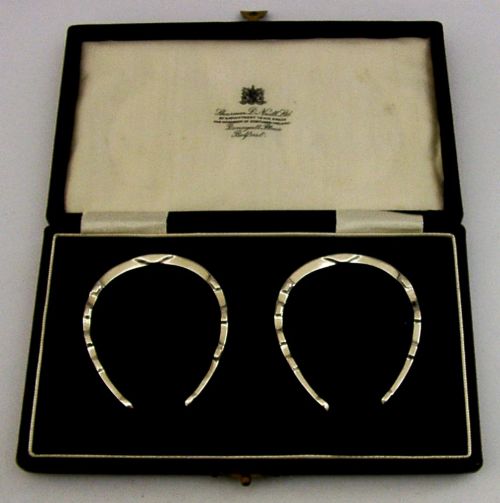
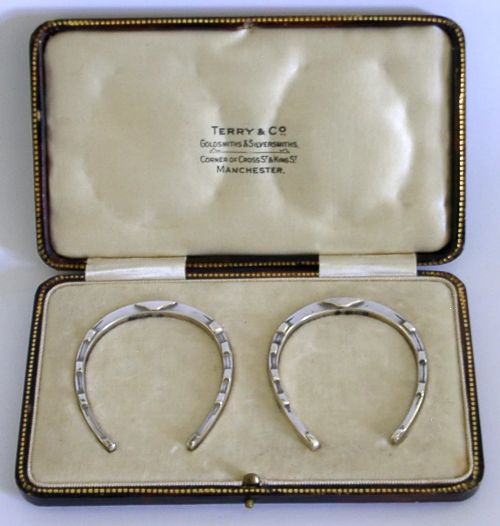
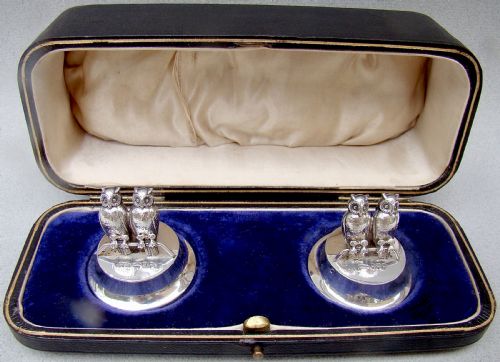
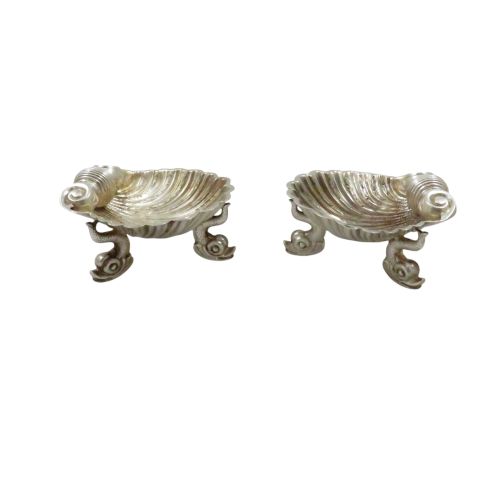
Specialised decorative techniques included casting animal forms such as owls, monkeys and lucky horse shoes, alongside hand-hammered surfaces and delicate shell motifs supported by dolphin feet.
Dinners past enjoyed whimsy through silver napkin rings shaped like belt buckles, monkeys drumming and lucky horse shoes.
What defines quality
Quality rests upon the crispness of the casting and chasing, where fine details like feathers on an owl menu holder or scales on grape scissors remain sharp and distinct. Maker marks and clear hallmarks contribute to the standing of silver pieces.
The integrity of secondary materials, such as undamaged cobalt glass inserts, fitted leatherette or velvet cases, and sound wooden joinery in coasters, distinguishes superior examples from standard production.
Levi & Salaman·Christofle Gallia·R. E. Stone
The Antique Dining Tableware Glossary
- Cruet set
- A matched collection of bottles, castors or jars held in a stand for condiments such as oil, vinegar, salt and pepper.
- Menu holder
- A small desk-like stand placed on the dining table to display the menu card for each guest or course.
- Knife rest
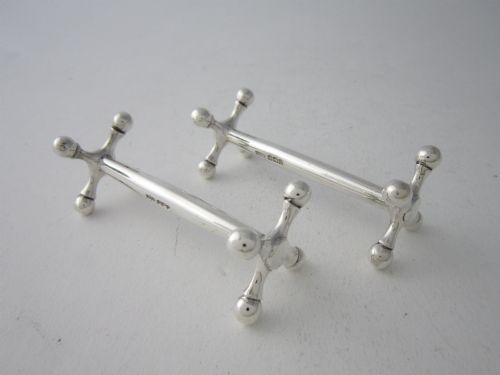
- A small support, often in pairs, designed to keep carving or dining knives elevated above the tablecloth between uses.
- Wine coaster
- A small shallow tray or dish with a raised rim, often fitted with a turned wood base, used to slide bottles across the mahogany surface.
- Sauce boat
- A vessel with a lip and handle designed for serving gravies, sauces or melted butter at the table.
Antique Dining Tableware: Frequently Asked Questions
How do I use napkin rings today?
Napkin rings serve to designate individual cloth napkins at family dinners or dinner parties, adding a traditional touch to place settings.
Many sets come in original fitted presentation cases, making them practical for storage when not gracing the dining table.
What is a silver cruet set used for?
A cruet set holds condiments like mustard, pepper, salt and vinegar in matching glass bottles fitted within a silver or silver-plated frame.
Placed centrally on the table, it allows diners to season their food during meals.
How do I care for antique silver tableware?
Silver tableware requires gentle hand washing with mild soap and warm water, followed by immediate drying with a soft cotton cloth to prevent water spots.
Avoid abrasive cleaners and harsh chemical dips that strip away the subtle patination built up over decades.
Are silver plate and sterling silver marked differently?
Sterling silver typically bears hallmarks indicating the standard of purity, such as the lion passant for British manufacture alongside assay office marks and date letters.
Silver plate items display manufacturer marks, registry numbers or specific plating abbreviations rather than sterling standard hallmarks.