


Edwardian Cranberry Glass
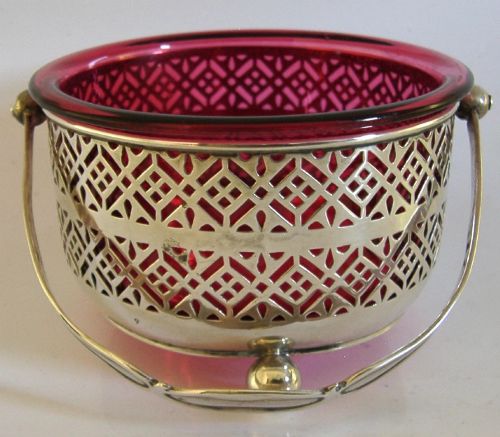
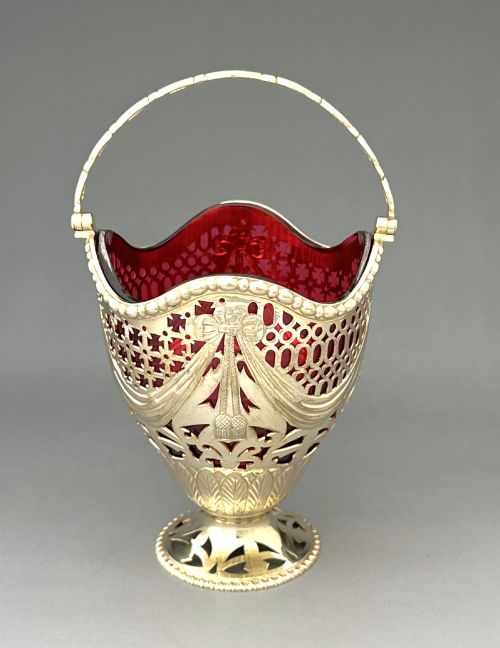
Edwardian cranberry glass brings rich pink-red warmth to the table through blown vessels often mounted in sterling silver or silver plate.
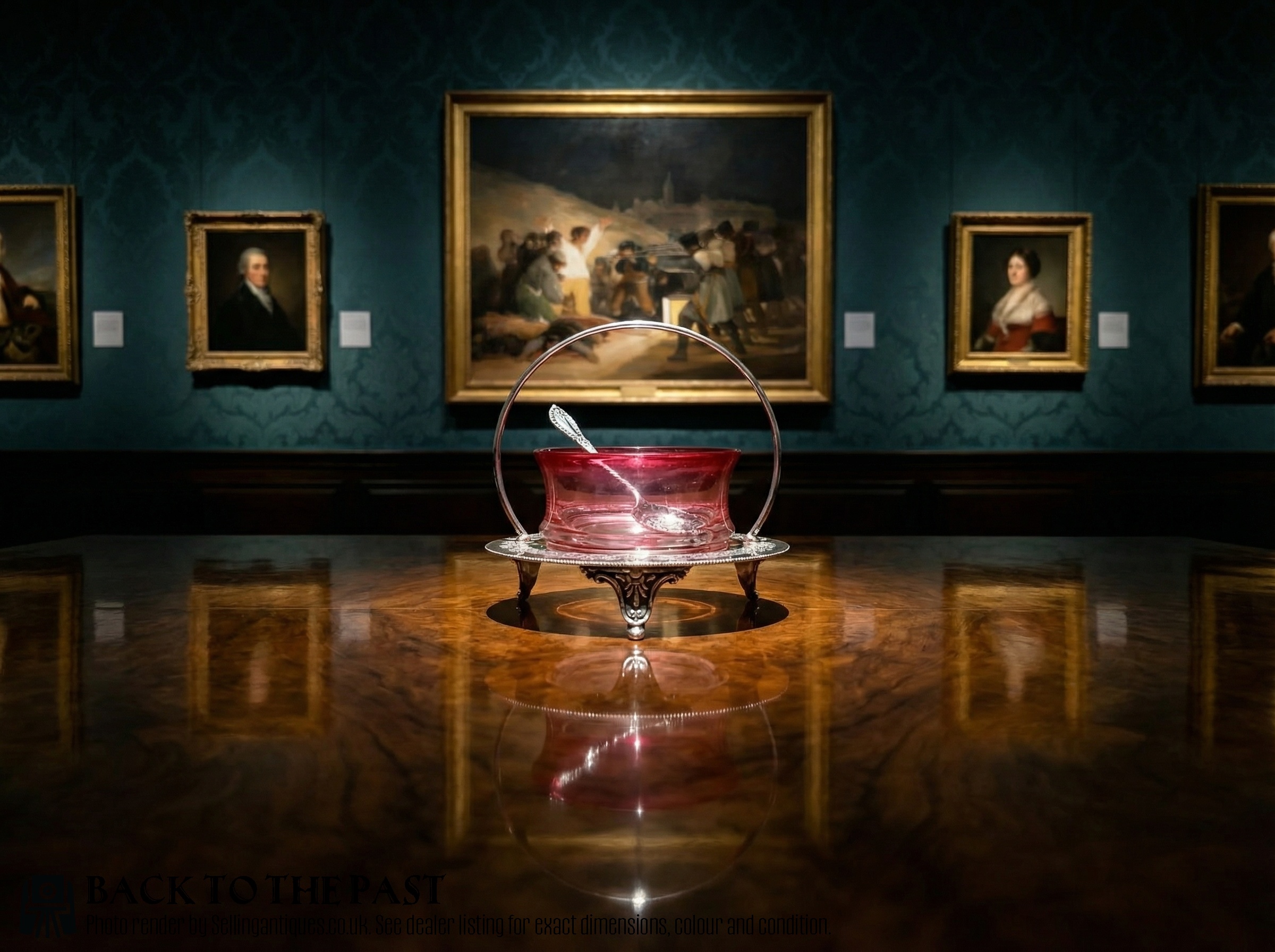
Edwardian Cranberry Glass Forms
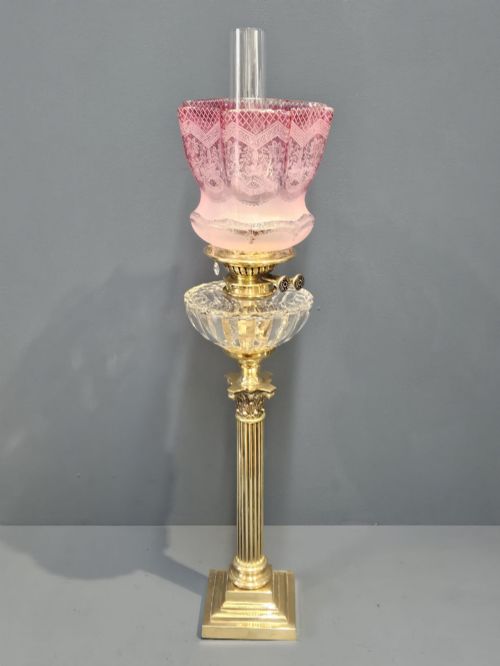
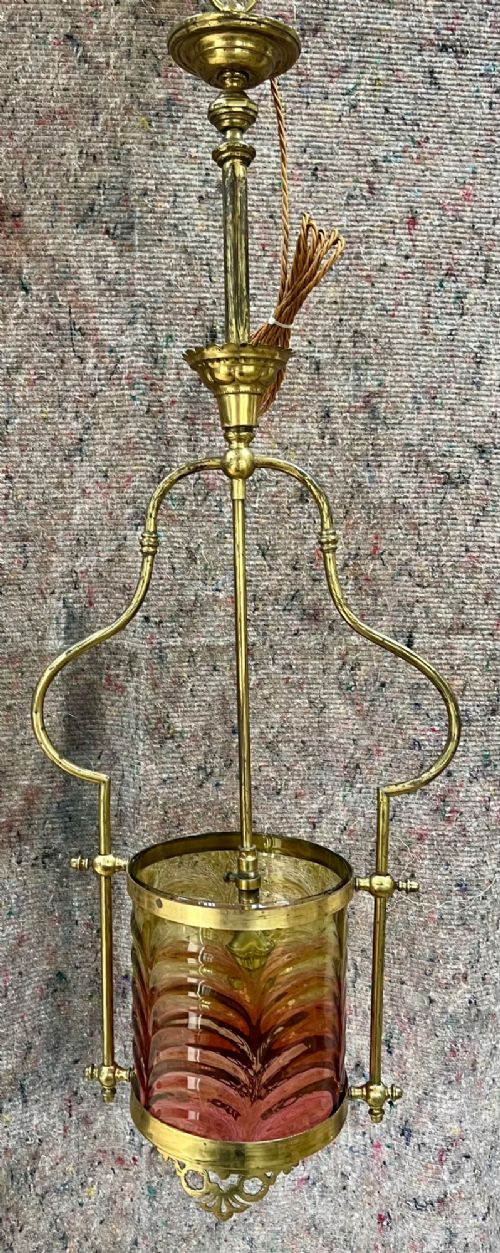
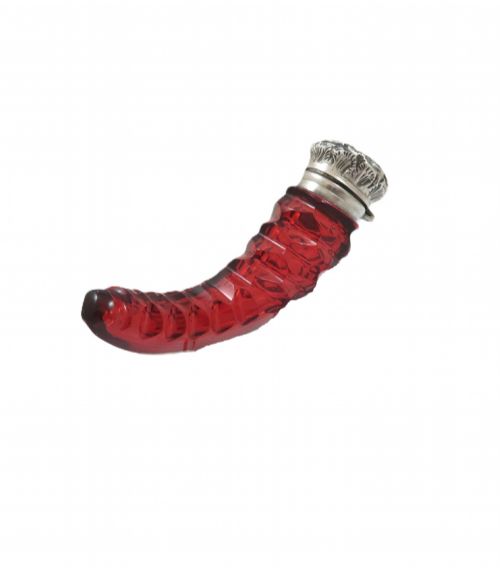
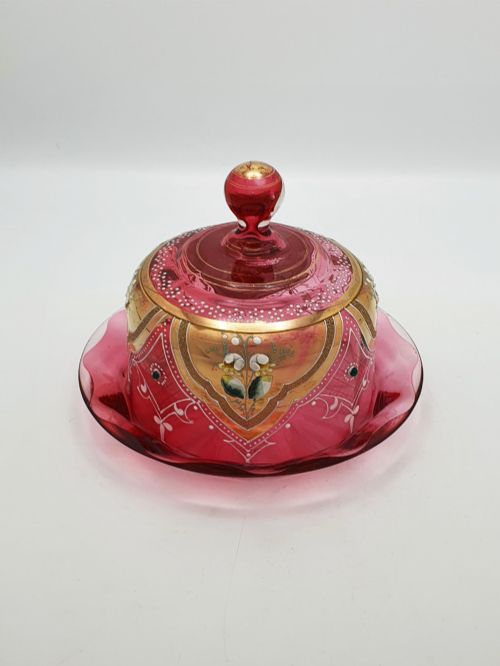
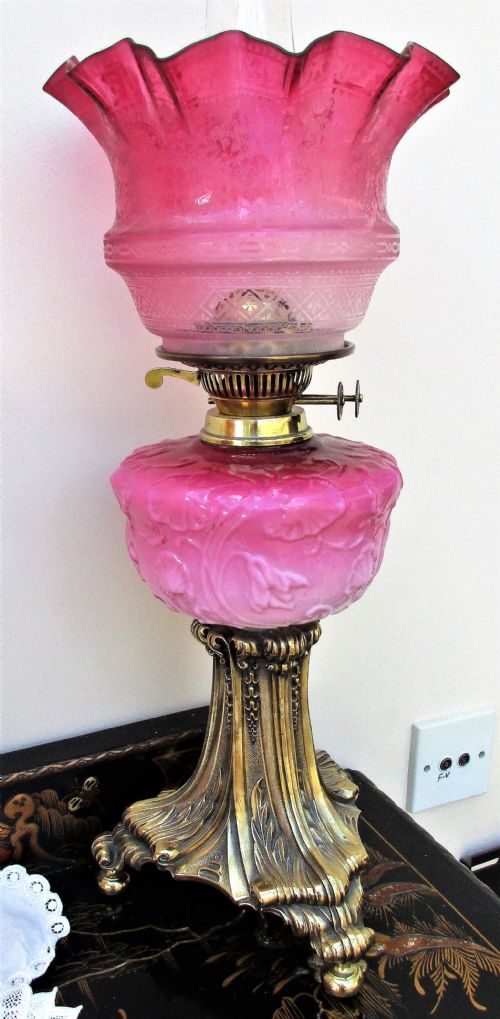
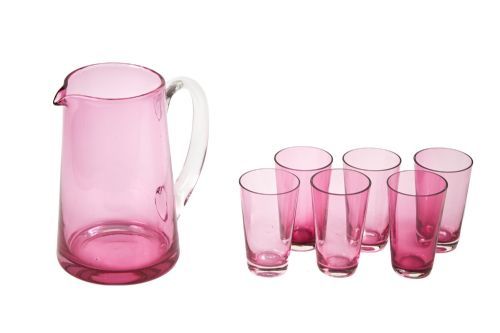
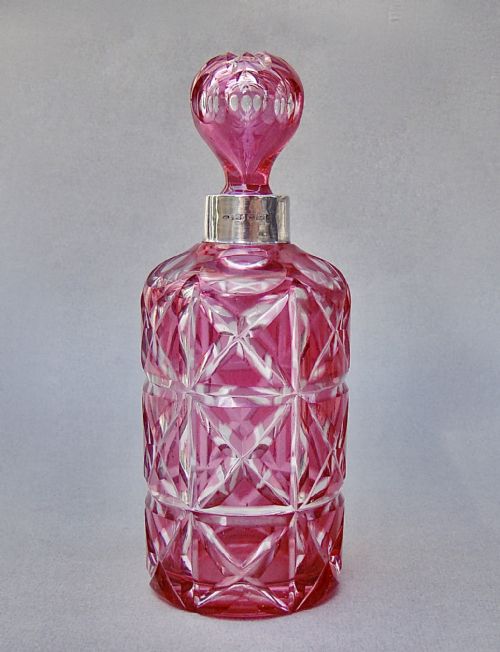
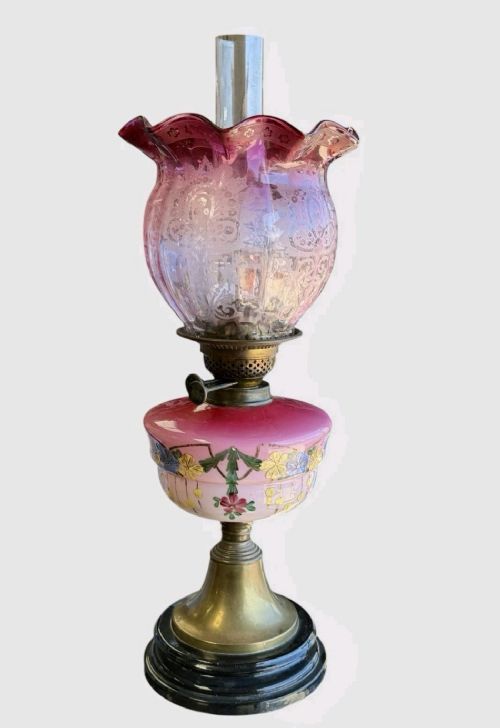
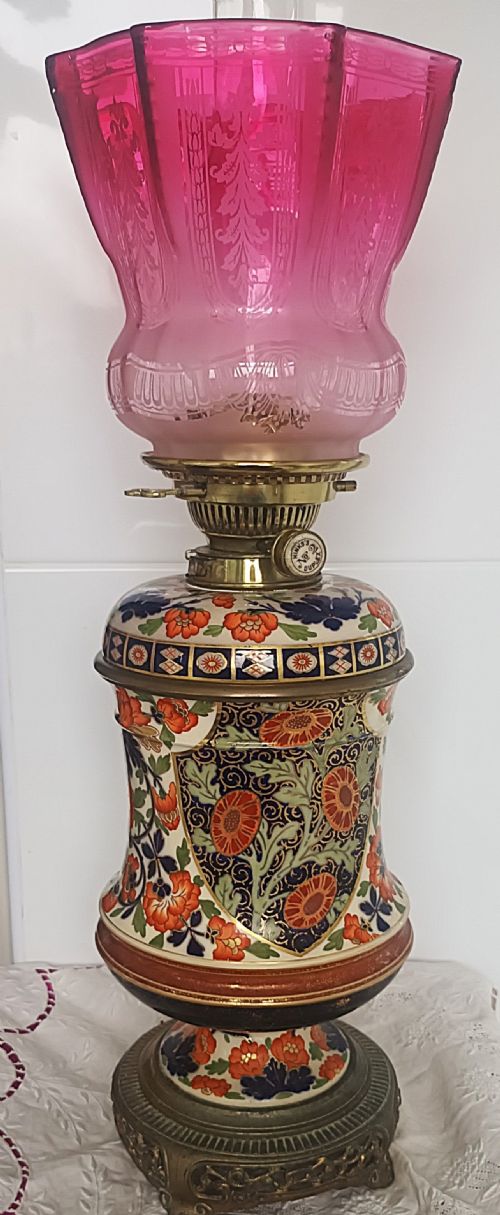
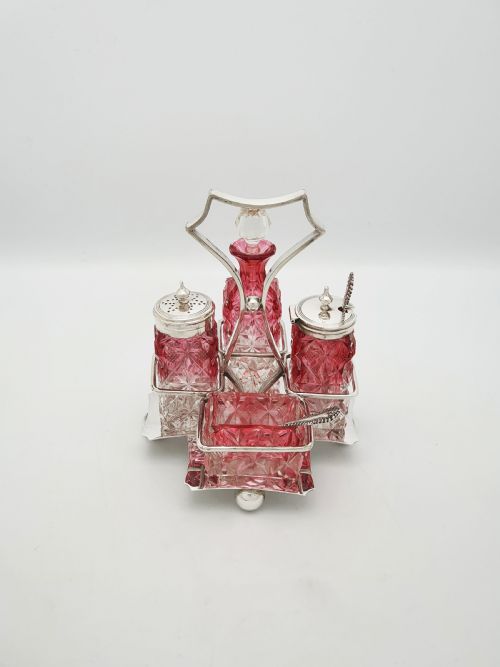
Edwardian cranberry glass encompasses tableware, lighting, and dressing table accessories produced around the turn of the twentieth century. Sugar baskets, preserve dishes, and drinkware sets dominate the available forms, alongside scent bottles and epergnes.
Most examples date from the Edwardian period or the surrounding years, paired with silver plate or sterling silver mounts. Vases, jugs, and jars show the material used both simply and with cut, engraved, or threaded decoration.

Materials and Techniques
The glass achieves its characteristic pink-red hue through the addition of gold chloride to the molten batch. Artisans blew the glass into desired vessel shapes, sometimes applying clear glass threads or cutting facets into the surface.
Metalworkers added sterling silver or silver plated mounts, swing handles, pierced galleries, and hinged lids. Mirror bases and clear glass components occasionally complemented the primary cranberry vessels.
Retail Price Guide 2026
Typical UK retail prices for edwardian cranberry glass, calculated from the Sellingantiques database of over a million retail prices indexed since 2003. This retail price guide relies exclusively on Sellingantiques data; no external sources or auction records are used, so the figures do not describe the wider market.
Listings feature cranberry glass combined with sterling silver, silver plate, clear glass, and mirror components.
Standards of Execution
Quality rests upon the depth and evenness of the colour within the glass and the crispness of any cut or engraved decoration. Strong glass wall thickness and smooth finishes distinguish better examples.
The weight and detail of the associated silver or silver plated mounts dictate the standing of a piece. Hallmarked sterling silver mounts of substantial gauge elevate a vessel above simpler plated alternatives.
Charles May·Synyer and Beddoes·Walker and Hall
The Edwardian Cranberry Glass Glossary
- Cranberry Glass
- A transparent pink-red glass coloured with gold oxide. It appears frequently in tableware and dressing table items from the nineteenth and early twentieth centuries.
- Epergne
- A centrepiece stand featuring multiple detachable horns or baskets for fruit or flowers. These pieces often combine cranberry glass trumpets with silver or plated frames.
- Sterling Silver
- An alloy containing a high proportion of pure silver alongside strengthening metals. Many Edwardian glass mounts carry hallmarks verifying this standard.
- Silver Plate
- A base metal coated with a thin layer of silver through electroplating. This technique allowed makers to provide decorative mounts at a lower cost than solid silver.
Frequently Asked Questions
What is cranberry glass made from?
The glass is produced by adding gold chloride to the molten mixture before blowing. This chemical reaction creates the characteristic pink-red tone.
Artisans then shaped the glass by hand, occasionally adding clear glass elements or cutting decorative patterns into the cooled surface.
How do I clean Edwardian cranberry glass?
Wash the glass gently in warm soapy water using a soft cloth. Avoid abrasive sponges that might scratch the surface or damage delicate silver mounts.
Dry the pieces promptly with a lint-free cloth to prevent water spots on both the glass and any attached metal components.
Are these pieces marked with silver hallmarks?
Examples mounted in solid sterling silver often bear British hallmarks indicating the assay office, date letter, and maker's mark. Pieces fitted with silver plate usually display manufacturer stamps rather than official hallmarks.
Inspect the metal mounts closely under good light to locate these small stamped symbols.
How are epergnes assembled?
An epergne typically consists of a central metal or glass stand with specialised sockets or arms. Individual cranberry glass trumpets or baskets drop into these supports without permanent fixings.
This modular construction allowed owners to dismantle the centrepiece for cleaning and storage.