

Antique Bonbon Dish
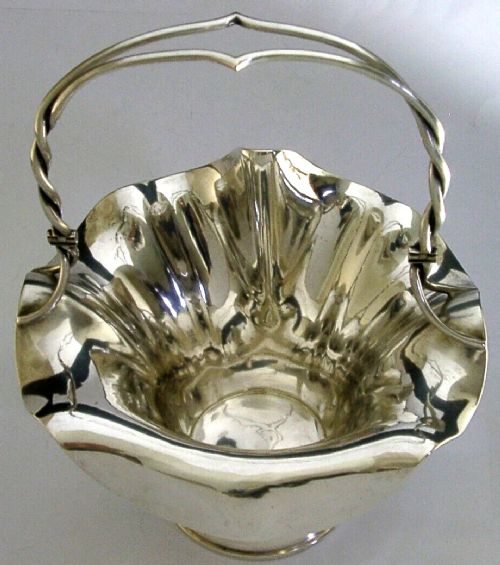
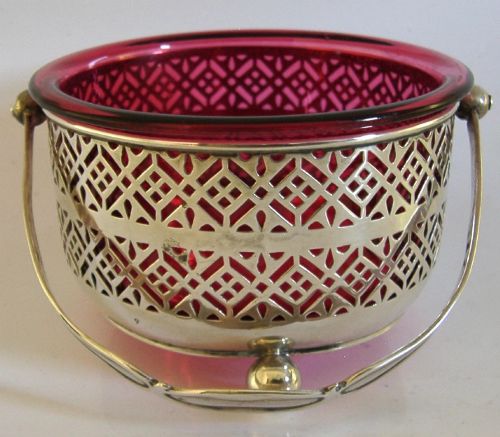
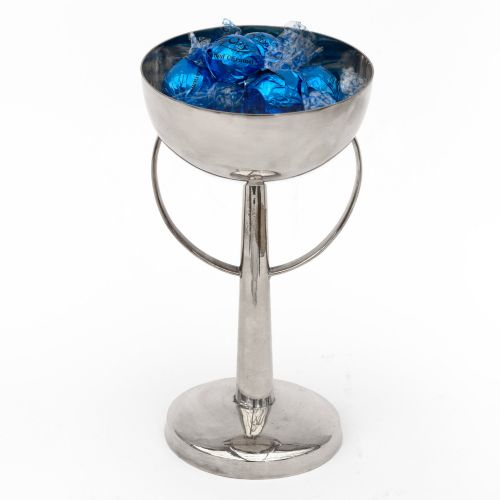
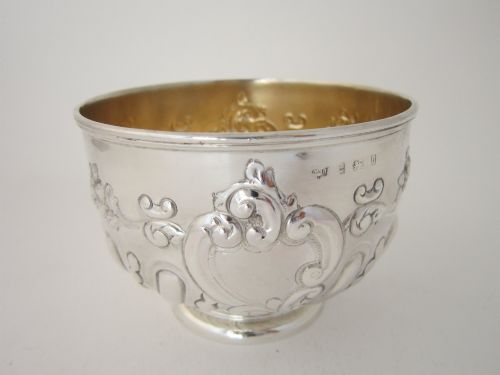
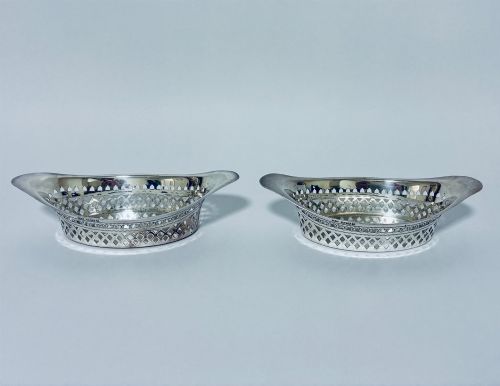
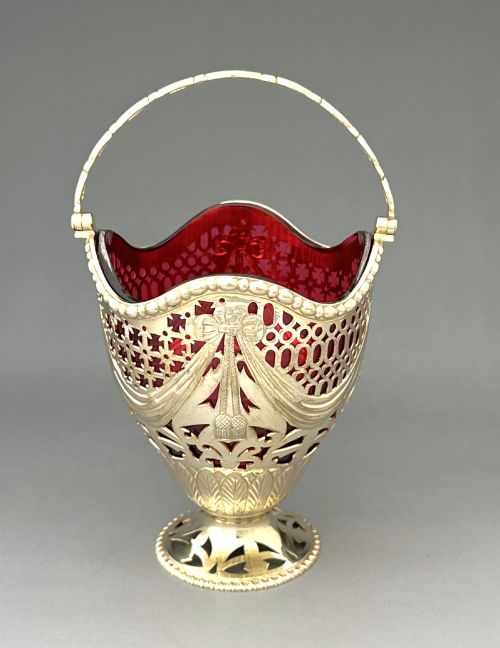
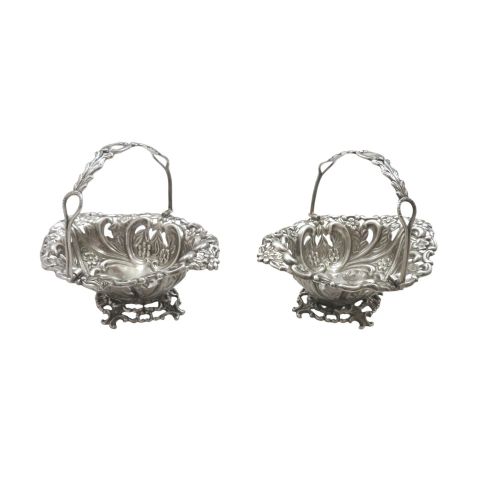
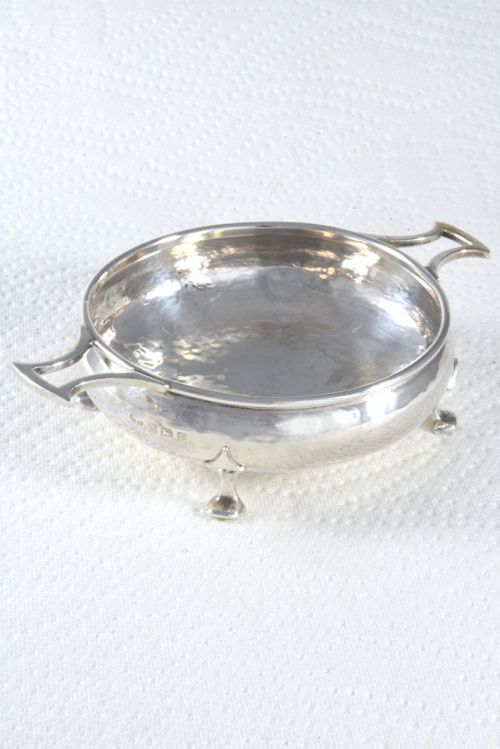
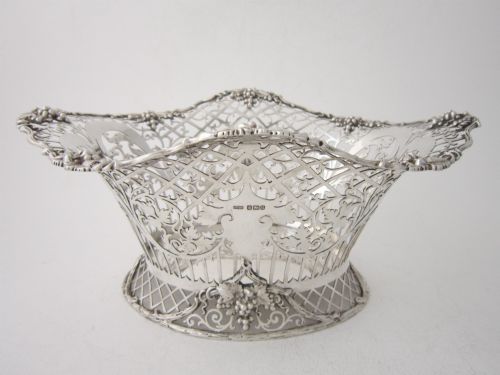
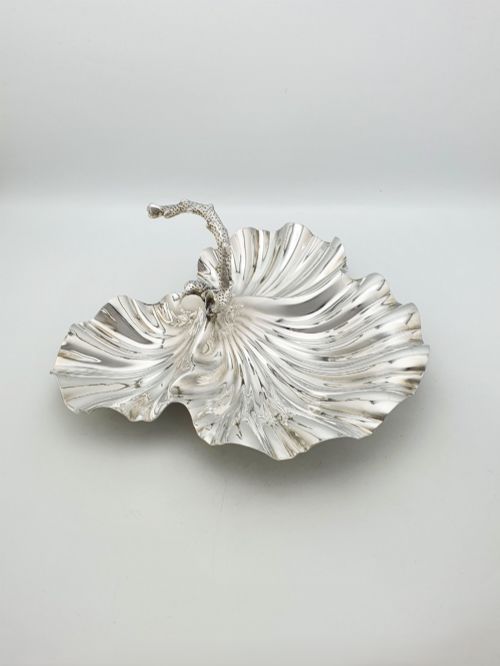
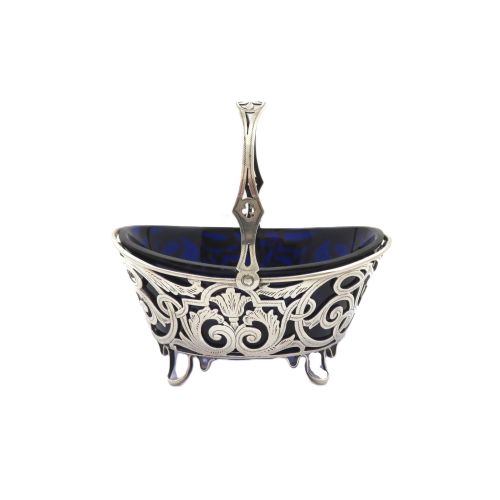
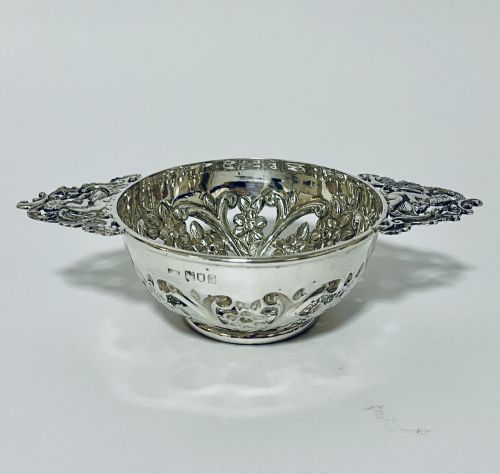
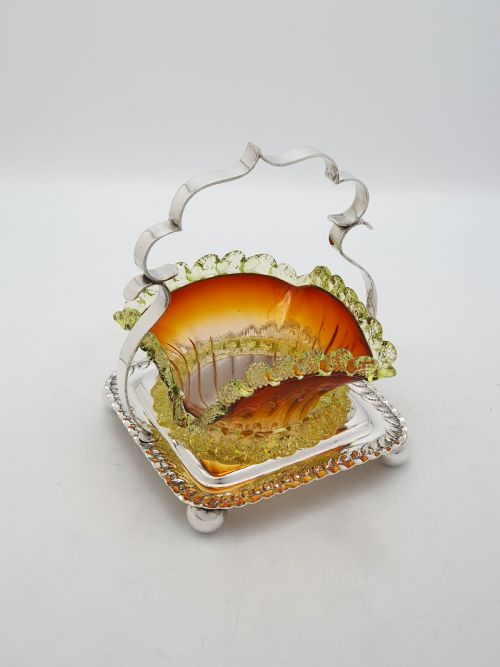
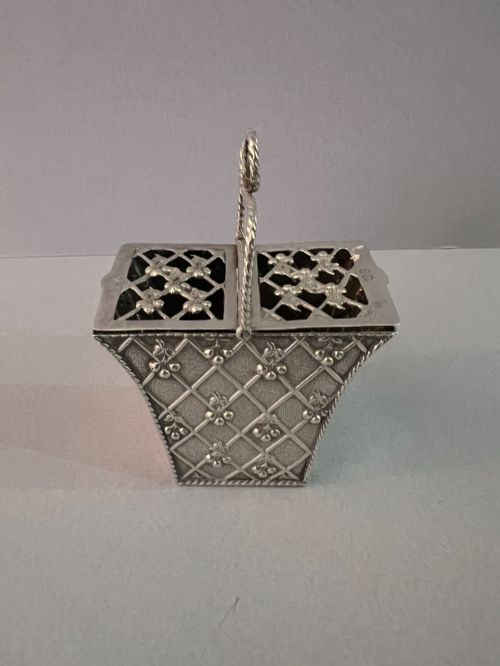
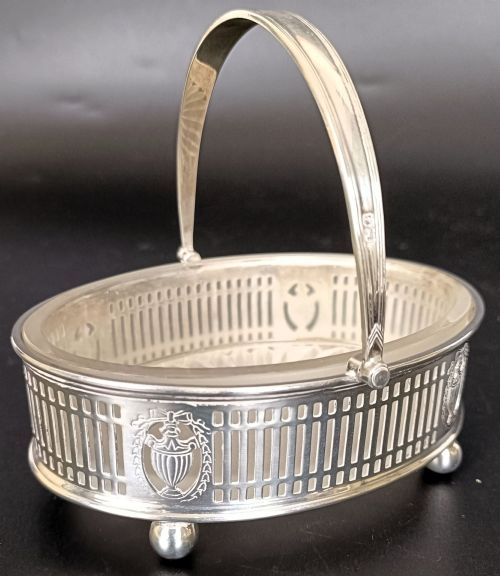
These antique bonbon dish examples combine small glass bowls and metal frames, offering a delicate way to serve sweets at the table.
What an antique bonbon dish is
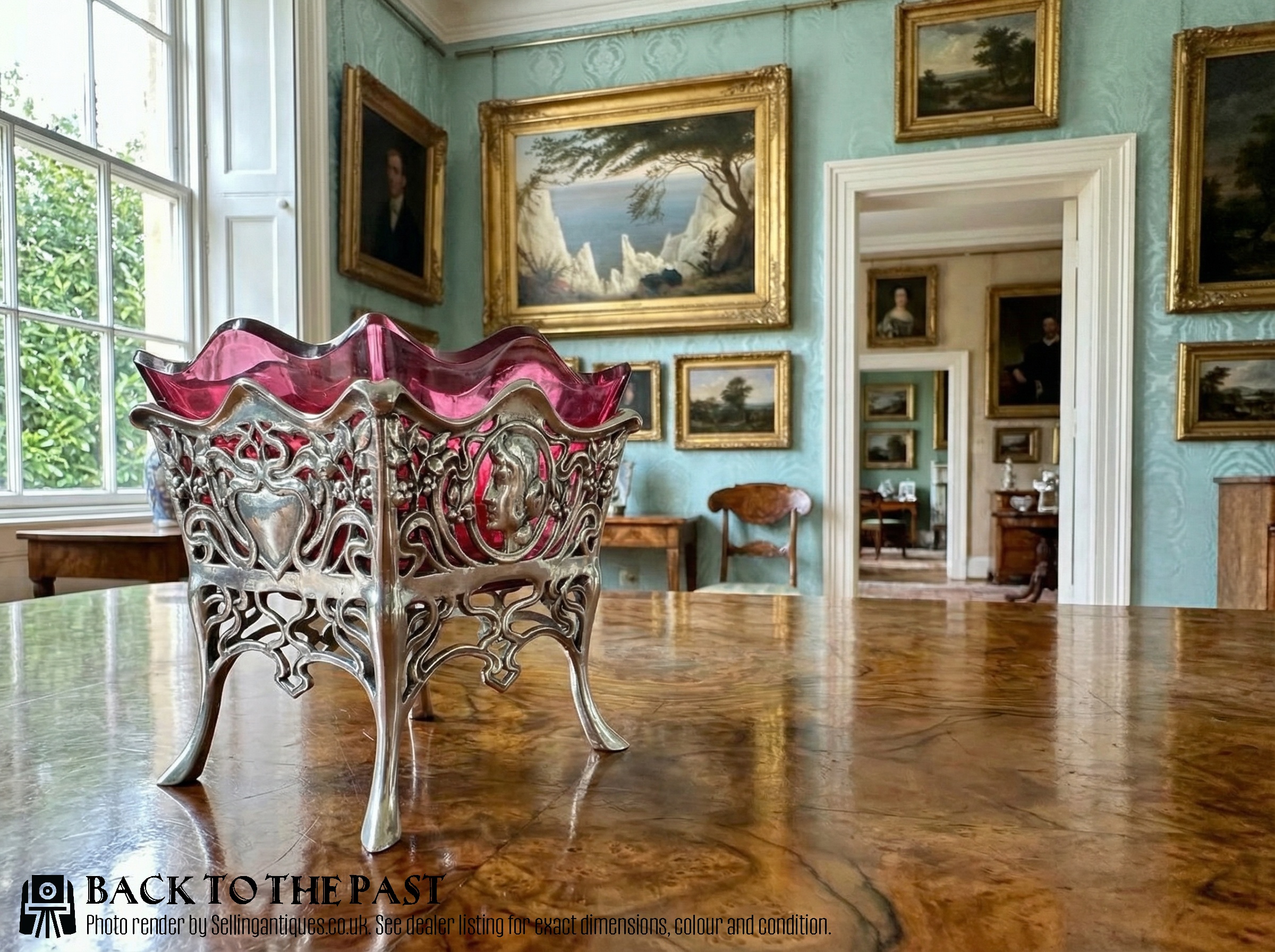
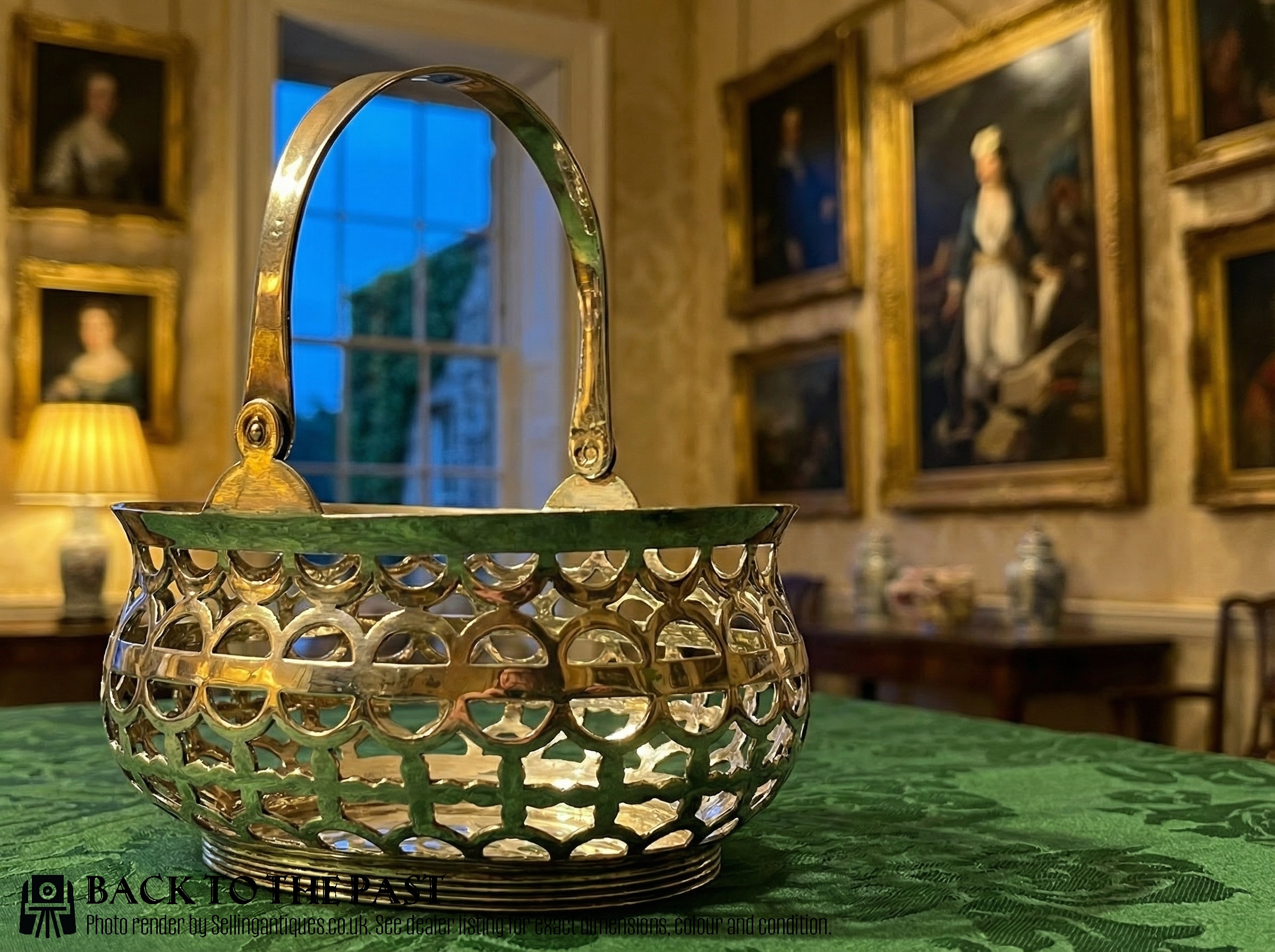
An antique bonbon dish serves small sweets, sugar, or preserves, appearing in forms such as swing handled baskets, sweetmeat baskets, and decorative bowls. Collectors encounter these pieces in styles spanning Georgian, Victorian, Edwardian, and Art Nouveau periods.
The materials encompass sterling silver, silver plate, pewter, and old Sheffield plate alongside cranberry glass, ruby glass, and vaseline glass. Many designs incorporate a gold wash interior to protect the metal from sugary contents.
How they were made
Silversmiths shaped sterling silver and pewter through casting, piercing, and floral chasing, while makers of old Sheffield plate fused silver onto a copper base. Glass sections were blown, sometimes utilising cranberry or vaseline hues, and fitted into metal stands.
Makers integrated swing handles and pierced galleries using traditional metalworking techniques, combining glass and metal to produce functional tableware and serveware.
Retail Price Guide 2026
Typical UK retail prices for bonbon dish, calculated from the Sellingantiques database of over a million retail prices indexed since 2003. This retail price guide relies exclusively on Sellingantiques data; no external sources or auction records are used, so the figures do not describe the wider market.
Some glass inserts contain uranium to achieve their striking vaseline glow under ultraviolet light.
What varies in quality
Quality separates simple stamped metal frames from heavier solid sterling silver pieces with intricate floral chasing and maker hallmarks. The clarity and depth of coloured glass inserts, such as cranberry or vaseline glass, also dictate the standard of the piece.
The integration between the glass bowl and the metal basket reveals the level of craftsmanship, where well fitted mounts and robust swing handles indicate superior fabrication.
William Comyns·Charles Stuart Harris
The Antique Bonbon Dish Glossary
- Sterling silver
- A silver alloy containing 925 parts of silver per thousand, frequently utilised for Edwardian and Victorian baskets.
- Cranberry glass
- A rich pinkish red glass coloured with gold chloride, popular for Victorian and Edwardian preserve dishes.
- Old Sheffield plate
- An early form of plated metal produced by fusing a thin layer of silver onto a copper ingot, seen on 18th century pieces.
- Vaseline glass
- A transparent yellowish green glass that contains uranium dioxide, creating a distinctive colour seen in antique tableware.
- Chasing
- A metalworking technique where the smith pushes the surface of the metal from the front to create raised floral or decorative patterns.
Frequently Asked Questions
What is an antique bonbon dish used for?
These dishes held small confectionery, sugar lumps, nuts, or preserves during formal dining and afternoon tea. They sat upon tables as both functional serveware and decorative tableware.
Over time, their uses expanded to include holding small pins or trinkets on dressing tables. The addition of swing handles made them easy to pass among guests.
How do I identify an Edwardian bonbon dish?
Edwardian examples often feature lighter, airier silver mountings combined with coloured glass bowls like cranberry or vaseline glass. Hallmarks stamped onto the metal provide exact dates and assay office locations.
Stylistic cues draw on earlier Georgian elegance while maintaining the lighter manufacturing techniques typical of the early 20th century.
Are these dishes made of solid silver?
Materials vary across the range between solid sterling silver, silver plate, old Sheffield plate, and pewter. Many listings specify solid sterling silver alongside the assay office and year letter in the hallmarks.
Other pieces pair glass bowls with silver plated stands, copper, or pewter frames rather than solid precious metal.
What is cranberry glass?
Cranberry glass is a transparent pinkish red material created by adding gold chloride to the molten glass batch. It appears frequently in Victorian and Edwardian preserve dishes and baskets.
This glass type contrasts sharply with silver or silver plated metal frames, providing a vibrant focal point for the table.