


Cranberry Glass Dish
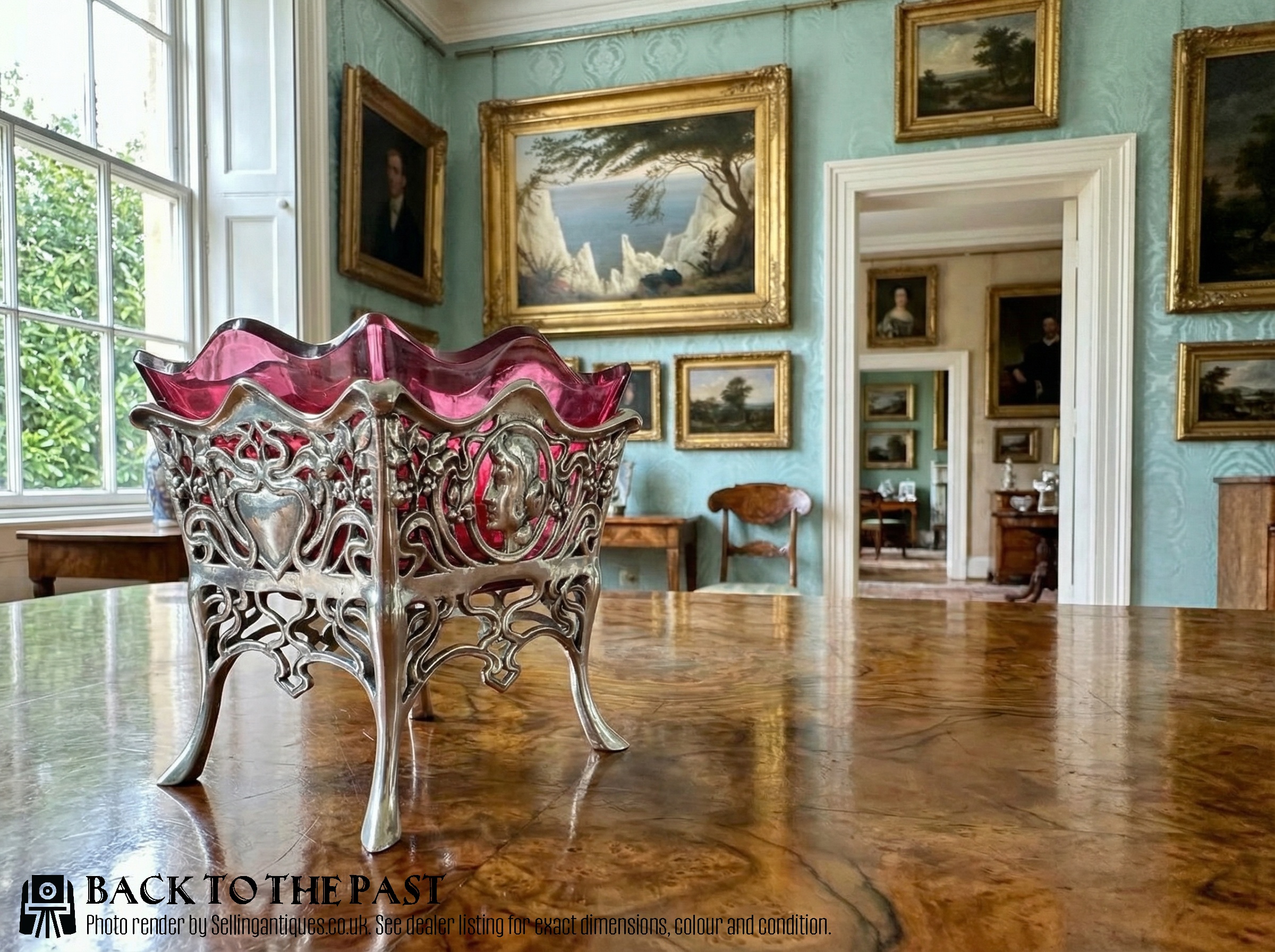
A cranberry glass dish brings rich pink-red warmth to a table, combining hand-blown glass with decorative metal stands.
What these pieces are
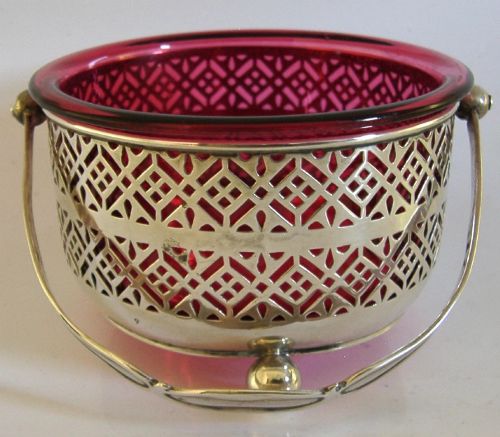
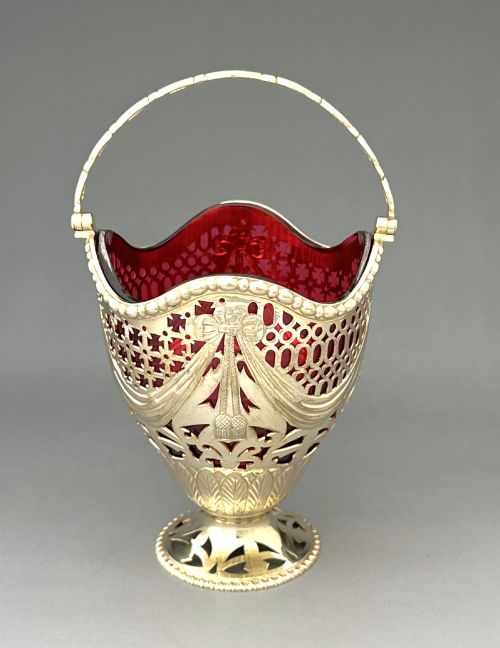
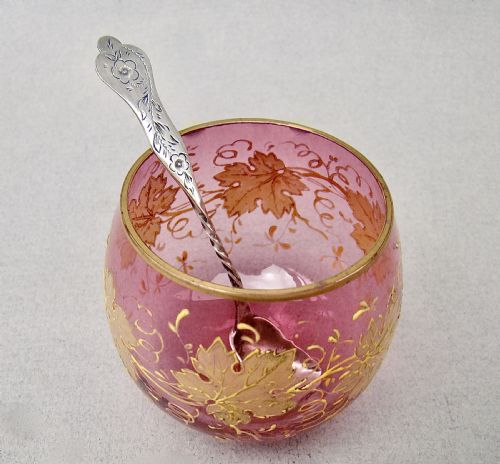
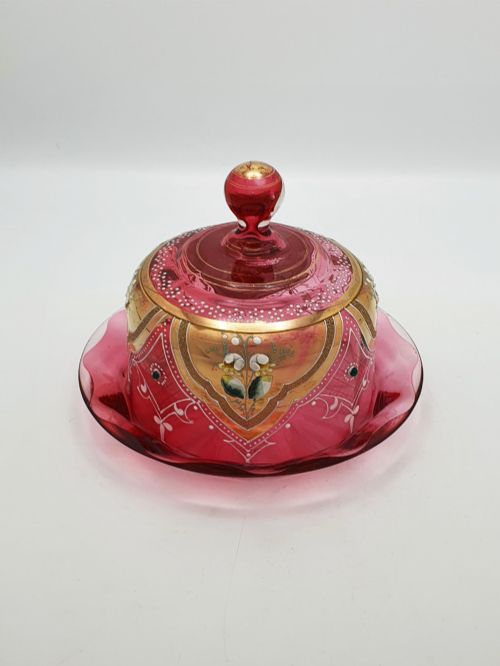
A cranberry glass dish is a decorative vessel typically formed in striking ruby and pink tones. Buyers searching for a cranberry glass dish will encounter various forms, from simple bowls to complex sweetmeats containers.
The selections span the nineteenth century, the Victorian era, and the art nouveau period around nineteen hundred. Common configurations include bowls resting in silver-plated stands or featuring frilled rims.
How they were made
These items rely on hand-blown glass techniques utilising gold chloride to achieve the characteristic pink or red colouration. Artisans shaped the molten metal into bowls, baskets, and liners.
Many examples incorporate mounts, stands, and overlays created from silver plate, sterling silver, or pewter. Pierced metalwork often holds or frames the glass liner securely.
Retail Price Guide 2026
Typical UK retail prices for cranberry glass dish, calculated from the Sellingantiques database of over a million retail prices indexed since 2003. This retail price guide relies exclusively on Sellingantiques data; no external sources or auction records are used, so the figures do not describe the wider market.
What varies in quality
Quality rests upon the depth and evenness of the glass colour, alongside the fineness of any associated metal mounts. Pieces featuring detailed silver plating or complex piercing distinguish themselves from simpler forms.
The execution of the glassblowing technique dictates the crispness of frills and the smoothness of applied threads. Maker involvement, such as specific metalwork found on art nouveau pieces, elevates the standing of an individual item.
WMF
The Cranberry Glass Dish Glossary
- Cranberry glass
- A type of transparent glass coloured with gold oxide, producing hues from pale pink to deep ruby. It gained popularity during the nineteenth century for decorative tableware.
- Bonbon dish
- A small container designated for holding sweets or small confectionery. These often feature decorative handles or stands.
- Silver plate
- A layer of silver applied to a base metal such as pewter or Britannia metal. This technique provided the appearance of solid silver at a lower cost during the Victorian period.
- Frilled dish
- glassware featuring a manipulated, rippled rim created while the material remained hot and pliable. This shape often appears on Victorian tablewares.
- Sweetmeats dish
- A vessel intended for preserved fruits, nuts, or small sweet morsels. They frequently appear paired with clear or coloured glass liners.
Frequently Asked Questions
What is cranberry glass?
Cranberry glass is a pink or ruby-red transparent material created by adding gold to the molten batch during blowing.
This technique produced the vibrant shades seen in nineteenth-century decorative bowls and tableware.
How were these dishes used?
These dishes served as table containers for sweets, preserves, bonbons, and sweetmeats during formal meals.
Many incorporated stands or pierced metal baskets to allow easy passing around a dining table.
How do I date a dish?
Dating relies on stylistic clues like art nouveau curves, Victorian frills, and the presence of silver-plated mounts.
Archive records and maker marks help narrow down the period from the early nineteenth century to nineteen hundred.
What metal stands are common?
Silver plate, sterling silver, and pewter are the primary metals used for the stands and frames.
Pierced metalwork and overlay techniques securely hold the hand-blown glass liners.