
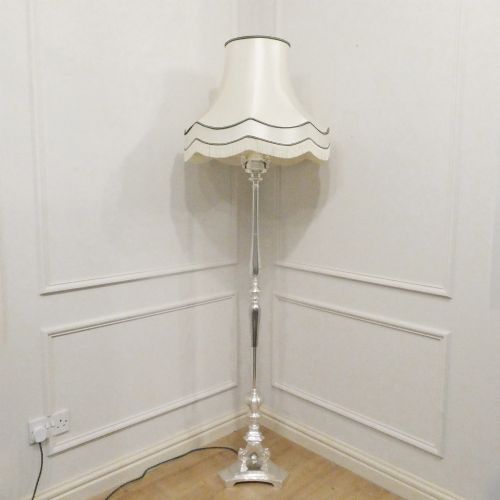
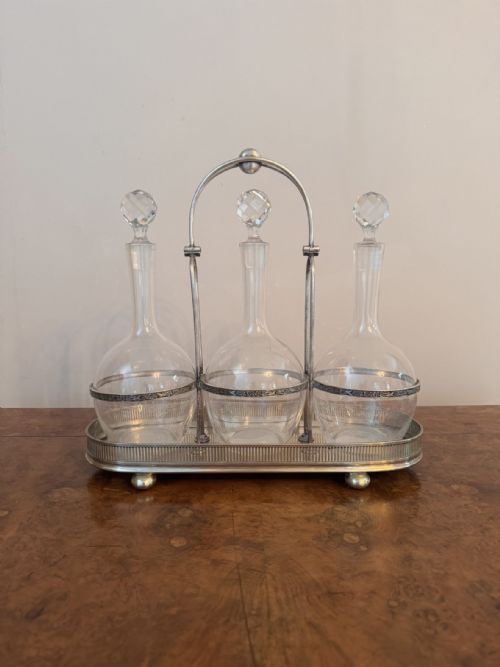
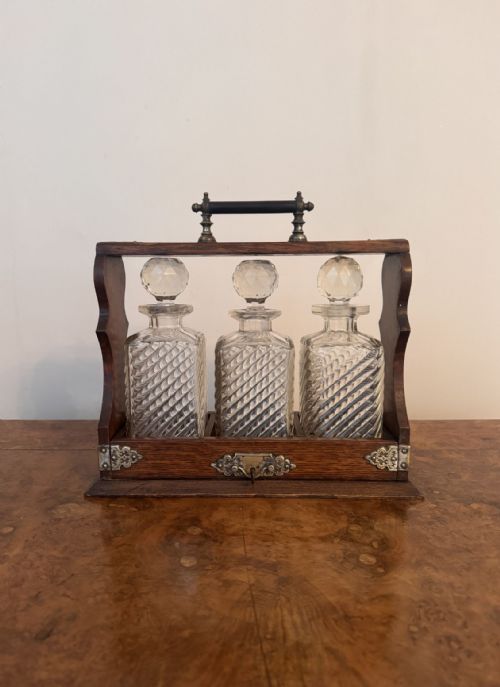
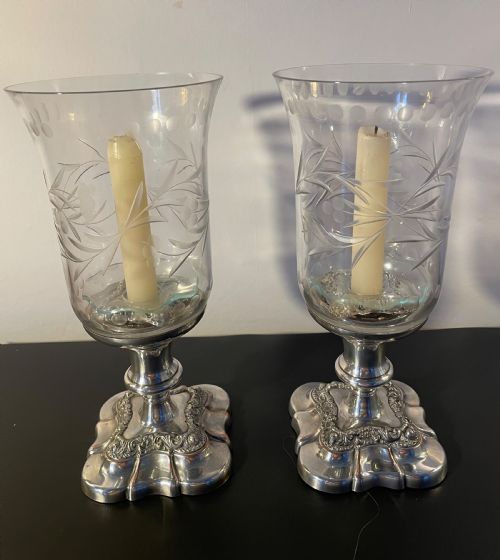

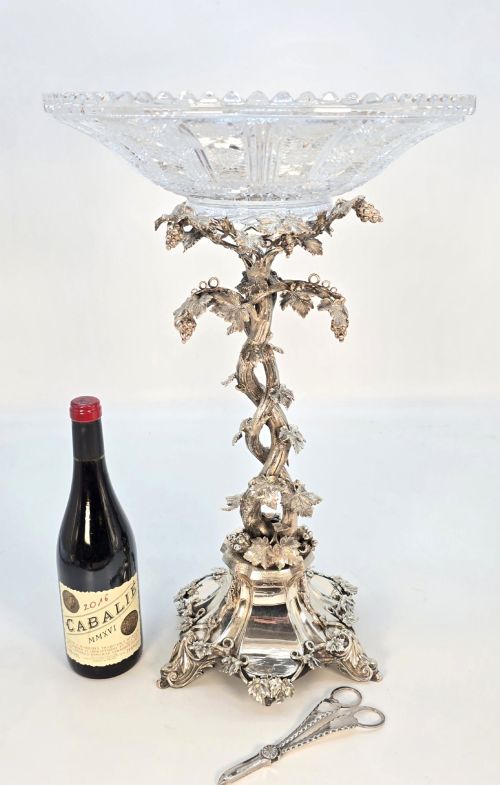
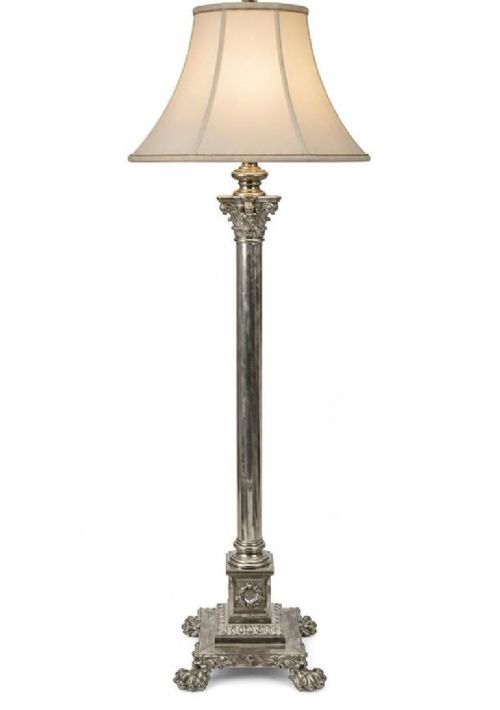
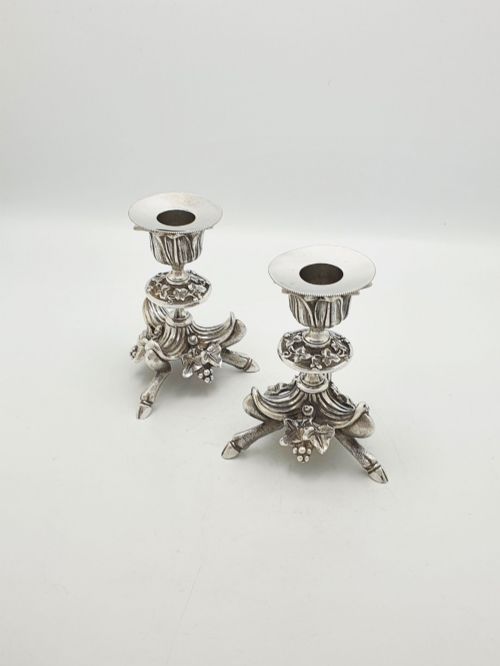
Silver Plated Stand
A silver plated stand brings functional elegance to the table or desk, uniting metalwork with glass or ceramic vessels from the nineteenth and twentieth centuries.
Silver Plated Stand
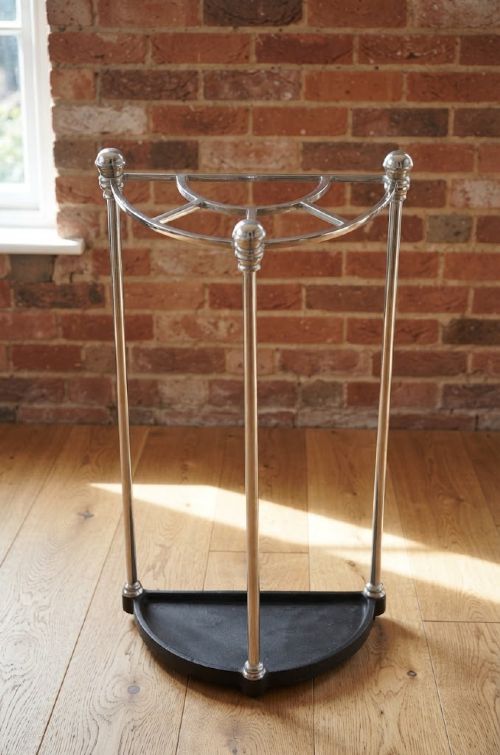
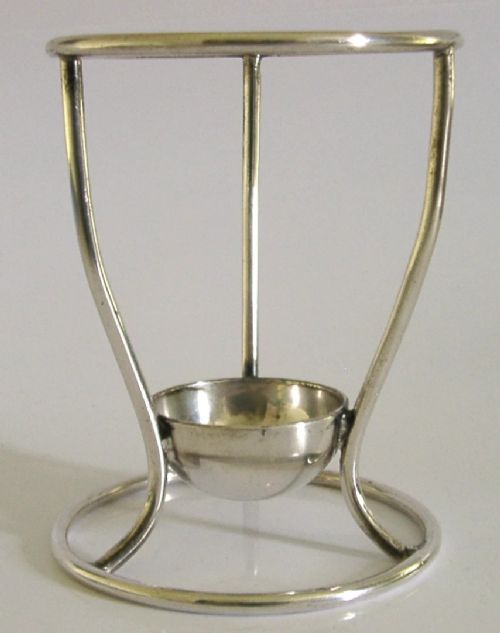
A silver plated stand encompasses a diverse group of functional metal fixtures designed to hold bottles, glassware, or tableware securely. When exploring this category, buyers encounter everything from modest desk inkstands to elaborate cruet sets and towering floor lamps.
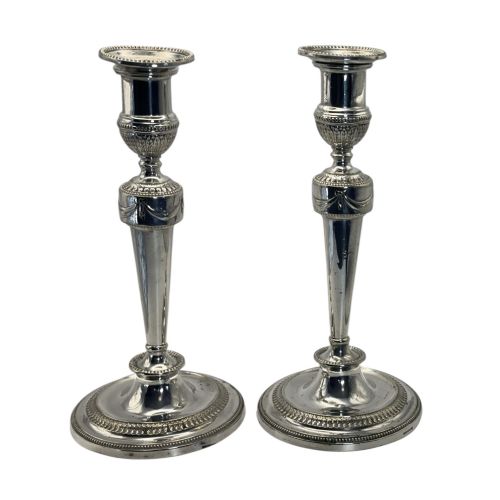
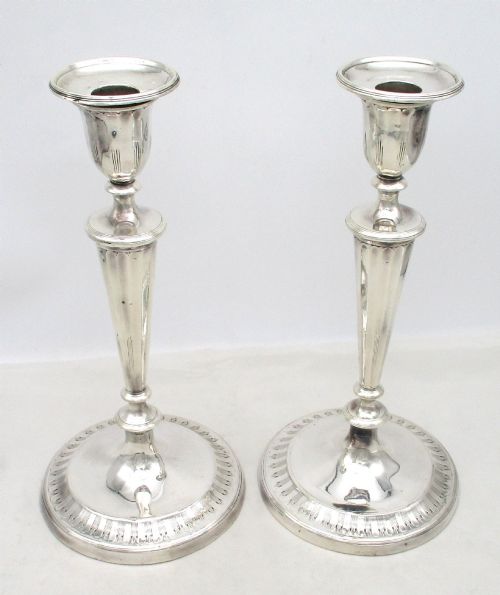
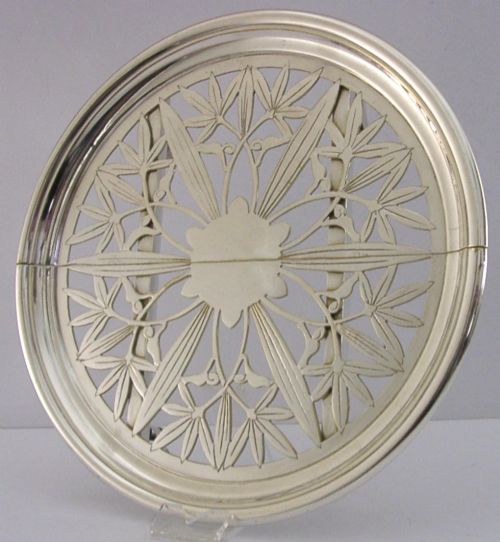
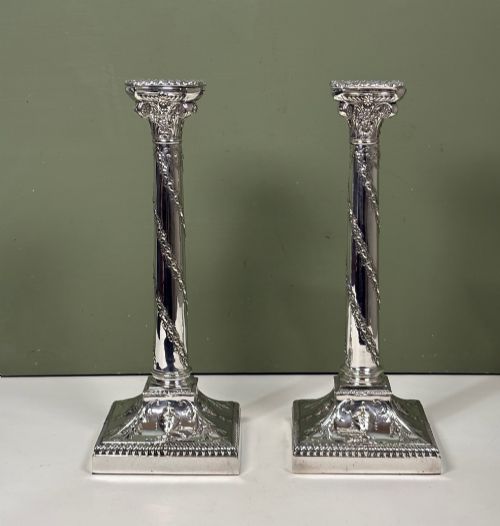
The selection frequently includes table centrepieces, candlesticks, and wine coasters originating from the Victorian and Edwardian eras. These pieces reflect the domestic rituals and entertaining habits of their respective periods, combining utility with decorative metalwork.
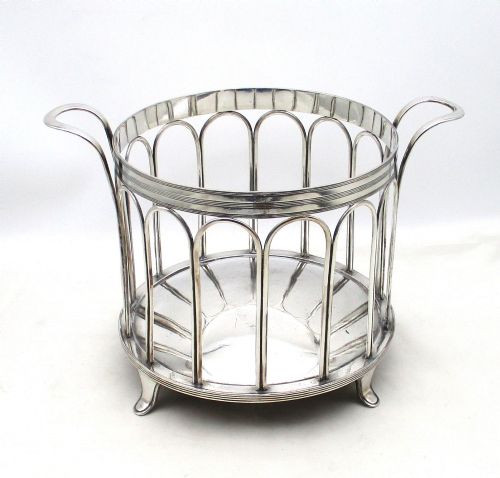
Makers utilised durable base metals coated in silver through various plating techniques to achieve the lustre of solid silver at a different scale. The resulting forms range from simple domestic accessories to complex framework holding cut glass decanters or ceramic bowls.
How They Were Made
Manufacturers relied on electroplated nickel silver or old Sheffield plating techniques, fusing thin layers of silver onto base metals such as copper, brass, or nickel. This foundation was often shaped through casting, stamping, or spinning to create the desired structural framework.
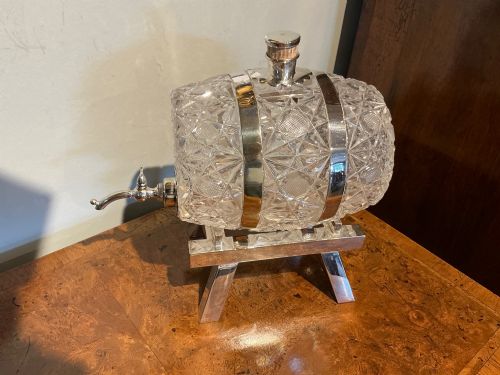
Glass components, including cut crystal, cranberry glass, and amber glass, were frequently paired with the metal mounts, requiring precise fitting for items like cruet bottles and decanters. Wood and oak additions provided structural support in items such as barrels and bottle stands.
Listings feature items spanning the nineteenth century through the Art Deco period of the 1930s.
What Varies in Quality
The distinction between standard utility items and finer examples often rests on the weight of the base metal, the thickness of the silver application, and the crispness of any chased or embossed decoration. Maker involvement also plays a role, with established firms producing sturdier frames and more refined mounts.
The integrity of associated components, such as original cut glass inserts, matched decanters, or undamaged ceramic plates, heavily influences the overall coherence of the piece. Well-preserved plating that retains its original depth without excessive wear indicates superior initial manufacture and careful handling over time.
Mappin & Webb·Walker & Hall·Elkington & Co·Hukin & Heath·James Dixon & Sons·R. Wallace
The Silver Plated Stand Glossary
- Old Sheffield Plated
- An early method of fusing a sheet of silver to a thicker copper ingot by heat and pressure. This technique produced a distinct dual-metal material before the invention of electroplating.
- Cruet Set
- A matched collection of glass bottles or jars held within a dedicated frame for condiments, oil, or vinegar. These sets were standard fixtures on dining tables during the Victorian and Edwardian periods.
- Electroplated Nickel Silver
- A base alloy of copper, nickel, and zinc coated with a layer of pure silver via an electrical current. This process became the dominant method for producing silver plated wares from the mid-nineteenth century onward.
- Tantalus
- A locking beverage stand designed to secure decanters of spirits behind a metal bar. The mechanism prevented servants or guests from accessing the contents without a key.
Silver Plated Stand: Frequently Asked Questions
What was a silver plated stand used for?
These stands served practical roles in organising the dining table, desk, or parlour by supporting items like inkwells, bottles, and condiments.
They kept loose vessels secure and added a decorative element to domestic hospitality and administrative tasks.
How do I date a silver plated stand?
Dating relies on stylistic clues, manufacturing techniques, and any maker marks stamped into the metal framework.
Victorian pieces often feature ornate floral embossing, while Edwardian and Art Deco examples tend toward cleaner architectural lines or geometric divisions.
Are the glass inserts usually original?
Many surviving pieces retain their fitted cut glass bottles, decanters, or bowls, though replacements occurred over decades of use.
Matching the contours of the glass to the frame helps determine if the components belong together from the period of manufacture.
How should I clean a silver plated stand?
Maintenance requires gentle polishing with a non-abrasive silver cloth to preserve the thin metal coating over the base alloy.
Harsh chemical dips should be avoided, particularly on pieces with exposed copper or delicate applied decoration.