
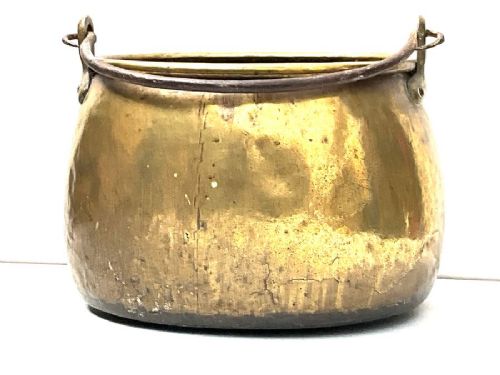


Antique Jam Pot
An antique jam pot brings heavy copper, brilliant cut glass and polished silver plate straight from the formal dining table or the country kitchen.
Antique Jam Pot
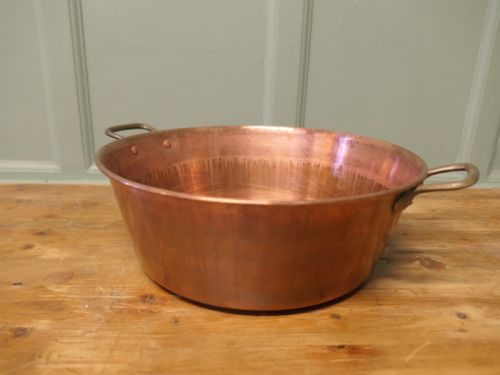
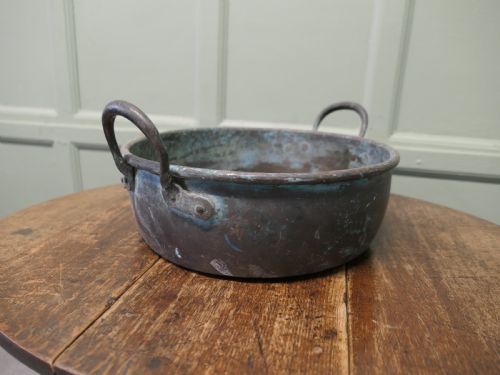
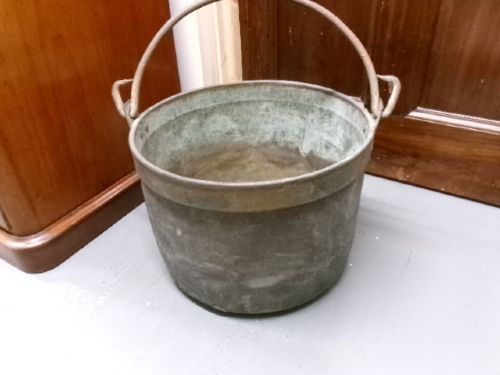
When you search for an antique jam pot, you encounter domestic vessels spanning utilitarian cookware and refined tableware. The selection ranges from robust open preserving pans in heavy copper and brass to delicate cut glass jars mounted in silver plate or sterling silver.
The most frequent domestic forms on this page include open handled pans from the nineteenth century alongside lidded condiment jars and preserve dishes from the Edwardian and Art Deco periods. These items record both heavy kitchen labour and formal dining rituals.
Origins stretch from Georgian hearths to Victorian country houses, taking in specialised pieces shaped like fruit or fitted with matching spoons. Each vessel reflects the domestic routines of preserving fruit or serving preserves with afternoon tea.
Materials and Techniques
The heavy cookware relies on beaten copper, bronze and brass, frequently joined with iron handles or secured with visible rivets. These metals offer rapid heat distribution for domestic preserving and cooking over open fires or stoves.
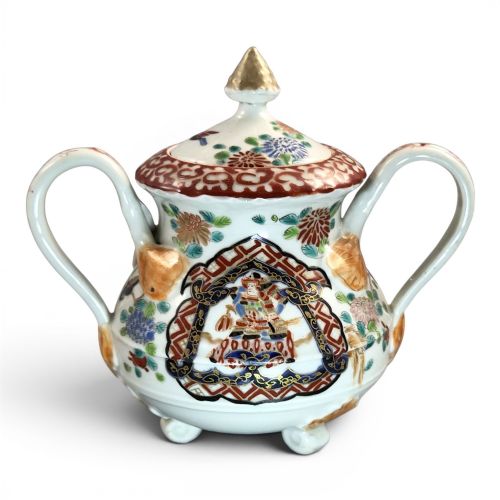
Tableware versions combine clear cut glass, cranberry glass and porcelain with sterling silver, silver plate and silver gilt mounts. Silversmiths worked these metals into hinged lids, swing handles and decorative stands to house the glass bodies.
The listings span copper, brass, bronze, sterling silver and silver plate combined with cut glass and cranberry glass.
Distinctions in Standard
Quality rests upon the weight of the metal, the clarity of the glass and the crispness of any applied decoration. Heavy gauge copper with smooth, hand-beaten surfaces sits far above thin, utilitarian vessels produced for basic tasks.
Maker marks from recognised silversmiths elevate silver-mounted and glass examples above unmarked pieces. The proportion between the glass body and its metal mount defines the visual balance of the finished object.
Hukin and Heath·Asprey and Co.·Plichta Pottery·Walker and Hall·John Grinsell·Thomas and Benjamin Godwin·James and Ralph Clews
The Antique Jam Pot Glossary
- Preserving pan
- A wide, open metal vessel designed for boiling fruit and sugar. These pans feature flat bases and robust handles to lift heavy quantities of hot preserve.
- Cranberry glass
- A rich red glass coloured with gold chloride during manufacture. It appears frequently in Victorian and Edwardian tableware and condiment dishes.
- Silver plate
- A layer of silver fused to a base metal such as copper or Britannia metal. This technique provided the appearance of solid silver for domestic tableware.
- Cut glass
- Glass decorated by cutting facets and patterns into the surface using rotating wheels. This process enhances the sparkle of light passing through condiment jars and preserve dishes.
- Swing handle
- A movable arched handle attached to the sides of a pan or basket. It drops to the side when the vessel rests on a table or shelf.
Antique Jam Pot: Frequently Asked Questions
What is an antique jam pot?
An antique jam pot is a domestic vessel used either for cooking fruit preserves over a heat source or for serving sweet preserves at the table. The category spans heavy metal preserving pans and delicate glass jars fitted with silver mounts.
These pieces reflect domestic life across the Georgian, Victorian and Edwardian eras, combining practical utility with decorative dining accessories.
How were copper jam pans used?
Copper preserving pans were placed over fires or stoves to boil large quantities of fruit and sugar. Copper distributes heat evenly across the base and sides, preventing the sugar from burning during the long boiling process.
After use, these heavy vessels were scoured bright and often displayed on kitchen walls or by hearths when not employed for preserving.
How do I clean silver mounted glass?
Silver mounts require gentle cleaning with a soft cloth and specialised silver polish, taking care to avoid contact with the glass or any cemented joints. Warm soapy water cleans the glass interior safely without harming the metal work.
Regular polishing maintains the bright finish of the silver plate or sterling silver without wearing away the historic surface.
How are different periods told apart?
Georgian and early nineteenth-century pieces display heavier hand-forged construction, thick copper sheets and simple iron handles. Victorian and Edwardian examples introduce more ornate silver mounts, cut glass patterns and factory-stamped maker marks.
Art Deco items from the later periods adopt geometric silver plating and streamlined glass forms typical of the nineteen-thirties.