

Antique Silver Table Vessel
An antique silver table vessel brings functional elegance to the dining room, offering polished metals and coloured glass liners designed for everyday hospitality.
Identifying an antique silver table vessel
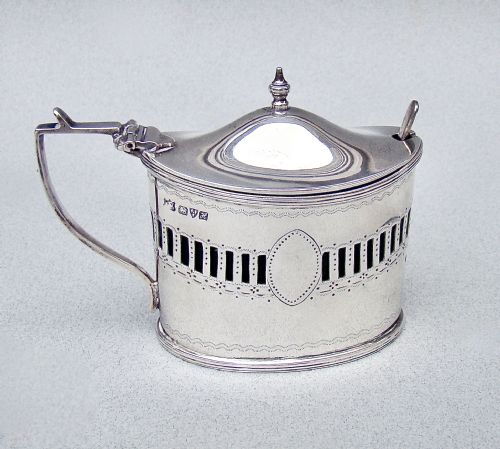
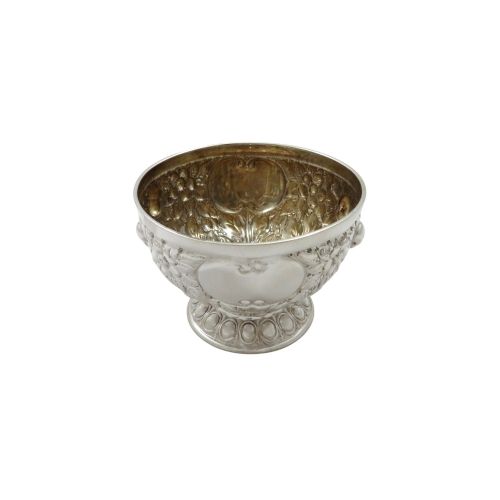
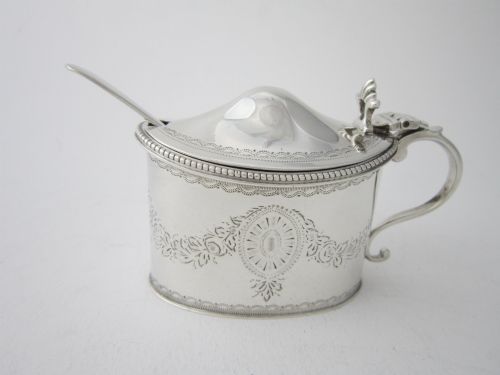
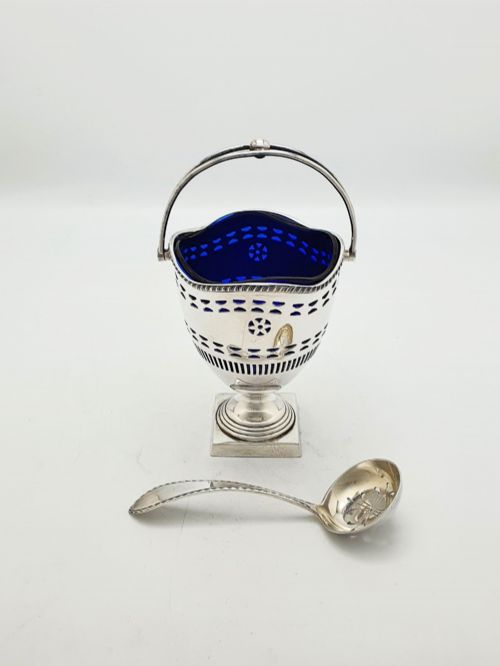
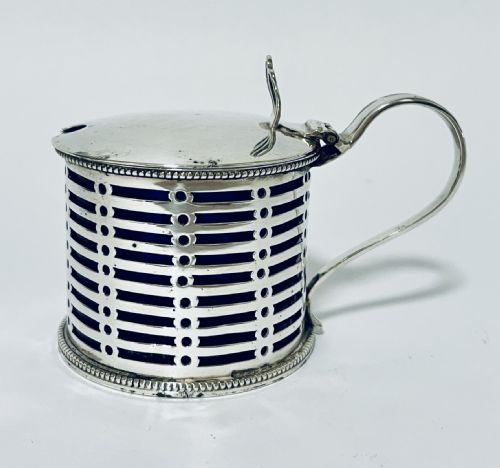
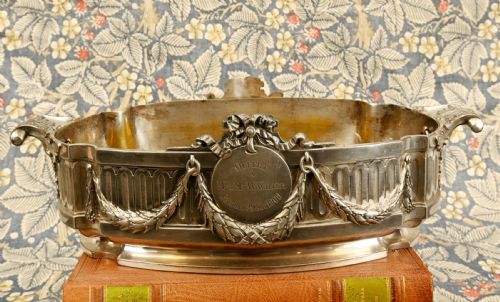
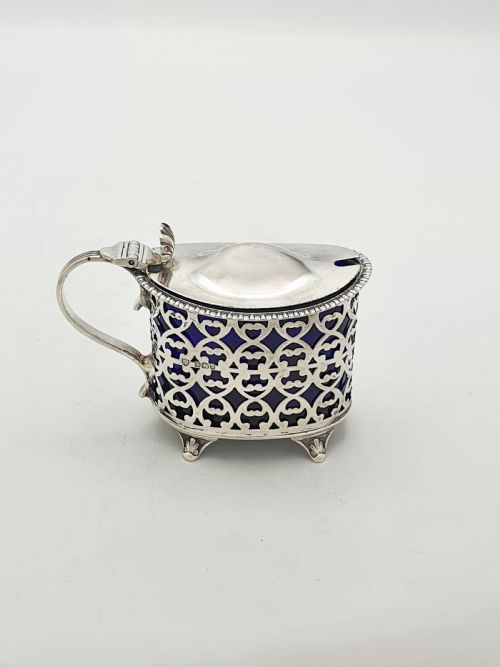
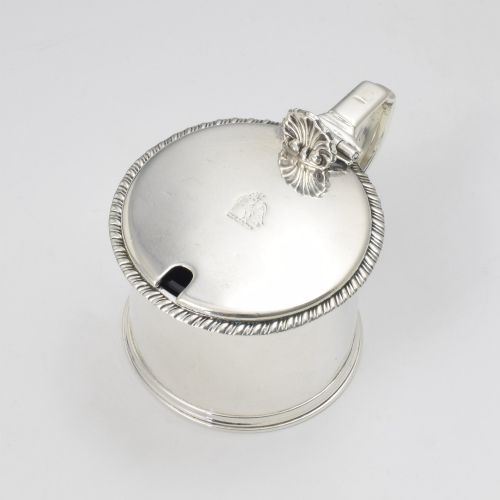
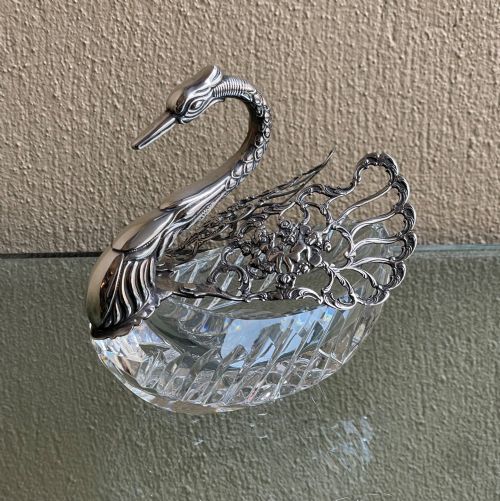
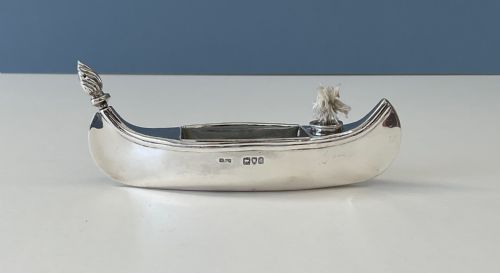
The most frequent forms encountered here include sugar bowls equipped with blue glass liners, mustard pots, spoon warmers, and goblets. Tankards and condiment pots also appear, representing the broader category of serving ware utilised in nineteenth and early twentieth-century households.
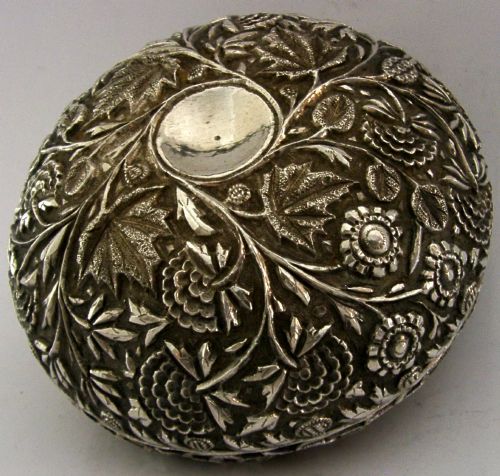
Materials range from sterling silver and silver plate to Sheffield plate and copper, frequently paired with cobalt glass inserts. Stylistic expressions move from restrained Georgian proportions through ornate Victorian ornamentation to the fluid lines of Art Nouveau.
Materials and construction methods
Silversmiths utilised sterling silver and various plating techniques, including Sheffield plate and standard silver plating over base metals like copper, to construct these table vessels. Piercing, casting, and shell-forming methods shaped the metal into items such as nautilus shells, goblets, and pierced sugar bowls.
Vessels requiring inserts, such as sugar bowls and mustard pots, incorporated blown cobalt or blue glass liners fitted neatly into pierced or solid silver frames. This combination of glass and metal required precise metalworking to ensure a secure fit for fragile interior components.
Retail Price Guide 2026
Typical UK retail prices for silver table vessel, calculated from the Sellingantiques database of over a million retail prices indexed since 2003. This retail price guide relies exclusively on Sellingantiques data; no external sources or auction records are used, so the figures do not describe the wider market.
Distinguishing quality across the range
Quality in an antique silver table vessel rests upon the crispness of pierced decoration and the structural integrity of cast elements such as handles and feet. Finer examples display meticulous hand-piercing and balanced proportions that reflect the aesthetic ambitions of their specific period.
The preservation of original components, particularly matching cobalt glass liners in sugar bowls and mustard pots, elevates a piece. Furthermore, the skillful integration of mixed media, such as glass within silver frames, distinguishes superior execution from standard production.
George Unite
The Antique Silver Table Vessel Glossary
- Sheffield plate
- An early form of composite metal produced by fusing a thin sheet of silver to a thicker copper ingot under heat. This technique predates modern electroplating and is identified by subtle copper seams visible along edges.
- Cobalt glass
- A deep blue glass coloured with cobalt oxide, frequently utilised for liners in sugar bowls and mustard pots. Its rich tone provides a striking visual contrast against pierced silver work.
- Pierced work
- A decorative technique where metal is cut through to create openwork patterns such as lattices or scrolls. This method lightened the visual weight of heavy serving vessels.
- Spoon warmer
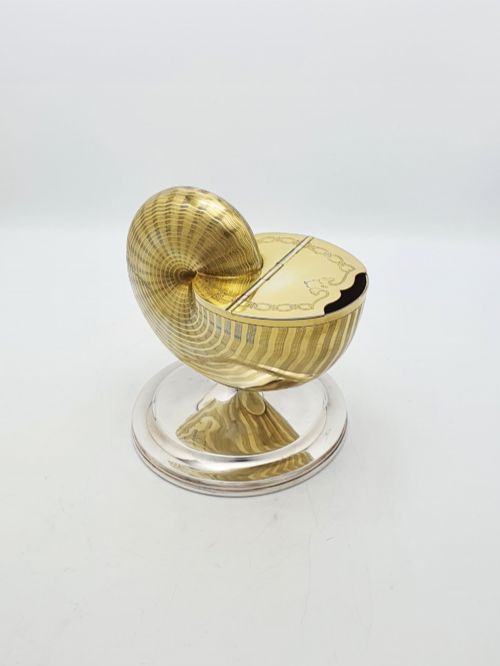
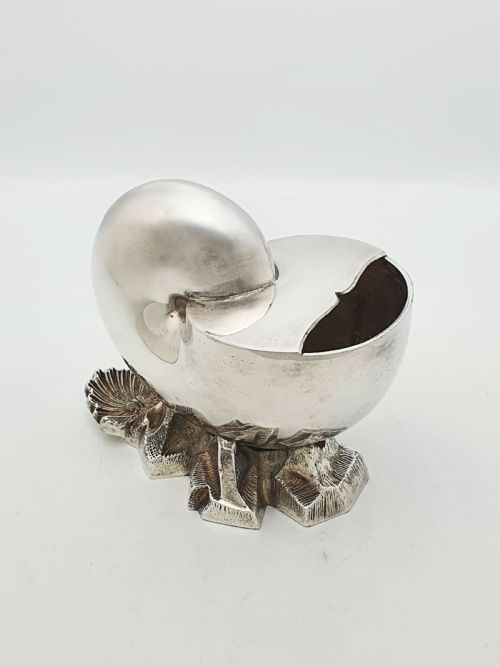
- A specialised Victorian vessel designed to hold hot water and keep serving spoons warm during formal dining courses. They often took whimsical forms, such as nautilus shells.
Frequently Asked Questions
What is a spoon warmer?
A spoon warmer is a Victorian dining accessory designed to hold hot water and keep silver spoons warm between courses. They frequently took imaginative shapes, such as marine shells.
These vessels sat upon the dining table or sideboard, combining practical utility with ornate Victorian presentation.
Why do sugar bowls have blue glass liners?
Blue glass liners protected the silver metal from corrosive substances like moist sugar and made cleaning easier. The cobalt glass also provided a decorative colour contrast through pierced silver walls.
Finding a vessel with its original glass liner intact is a key consideration for collectors of these table items.
How do I distinguish Sheffield plate from silver plate?
Sheffield plate involves fusing a thin layer of silver to a copper core before shaping, often revealing a faint copper line at unplated edges. Standard silver plate utilises an electroplating process applied over a base metal base.
Items described as Sheffield plate typically date to earlier periods, such as the Georgian era.
How were these vessels used at the table?
These vessels served various functions during meals, from holding mustard and condiments to serving bonbons or sugar. Goblets and tankards accommodated liquids during dining or social gatherings.
Each item fulfilled a specific role in nineteenth and early twentieth-century domestic hospitality.