


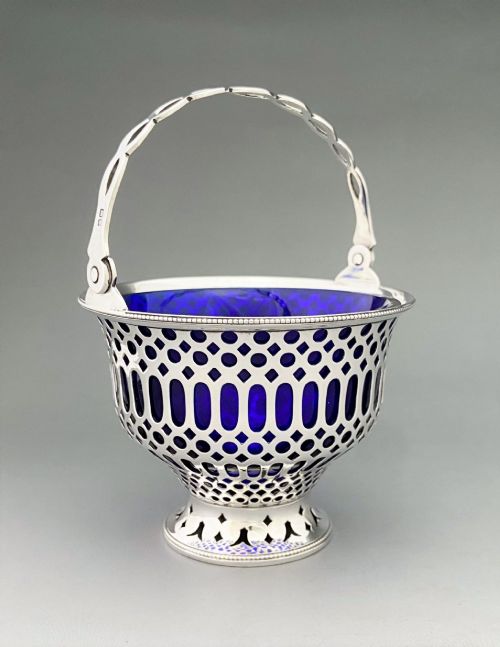

Antique Glass Sweetmeat Dish
An antique glass sweetmeat dish brings formal tables a glittering centrepiece for sweet preserves, nuts and confectionery.
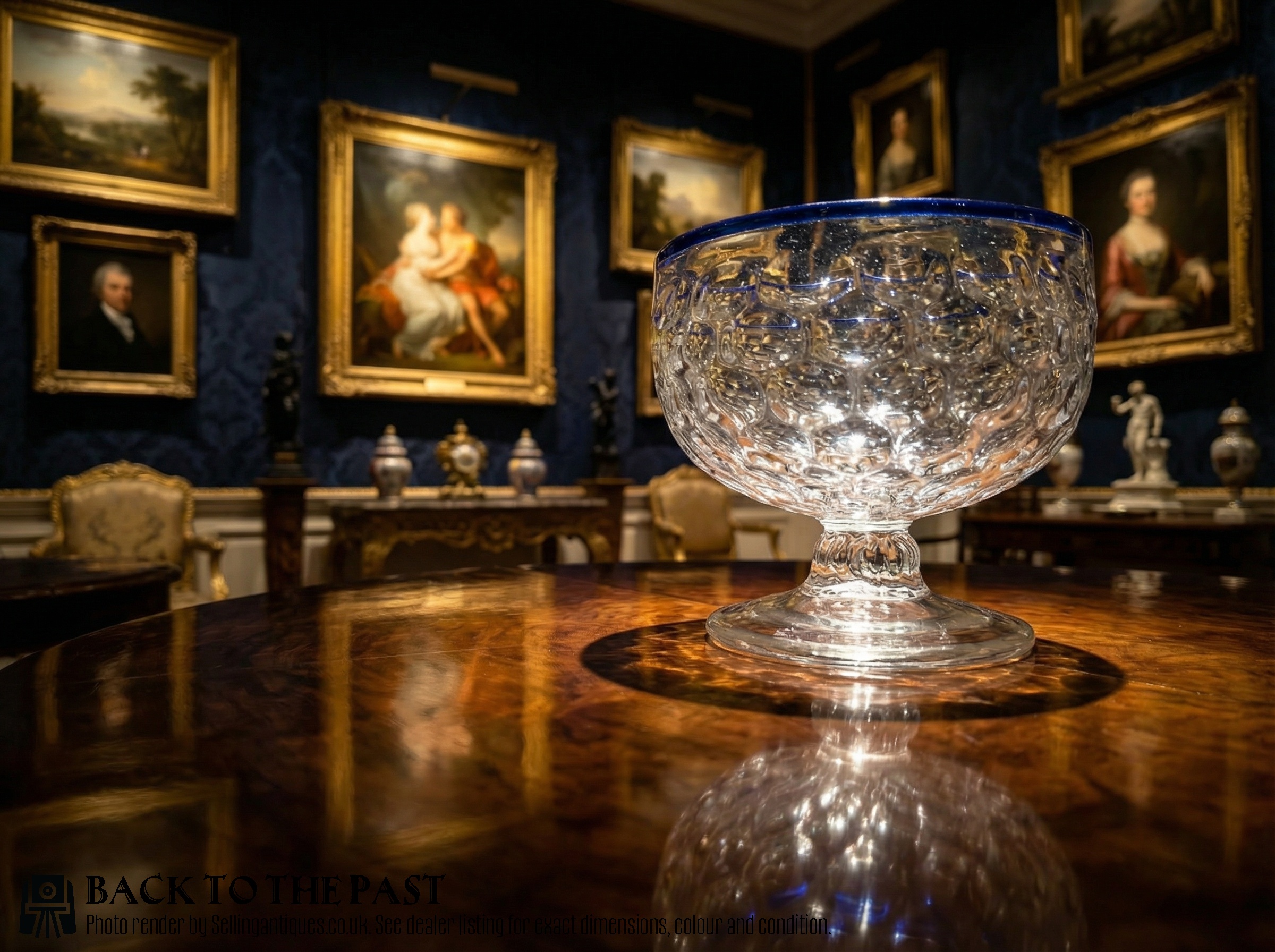
Antique Glass Sweetmeat Dish
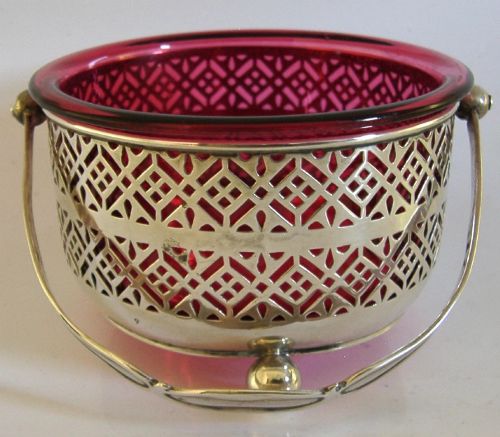
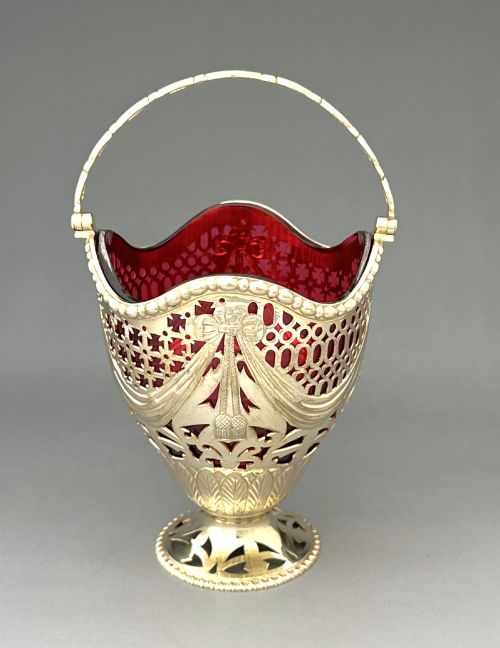
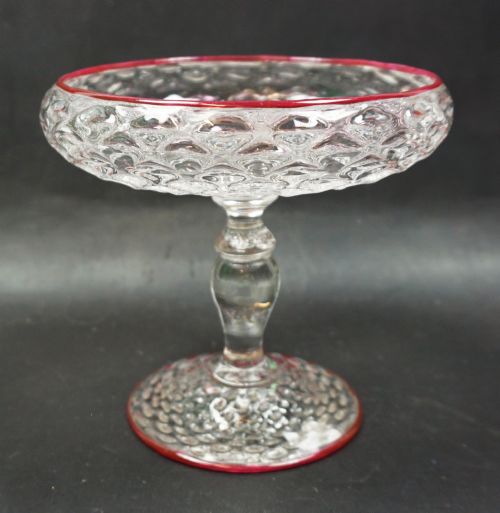
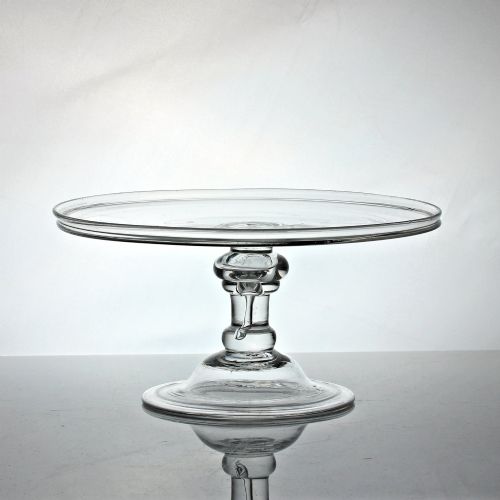
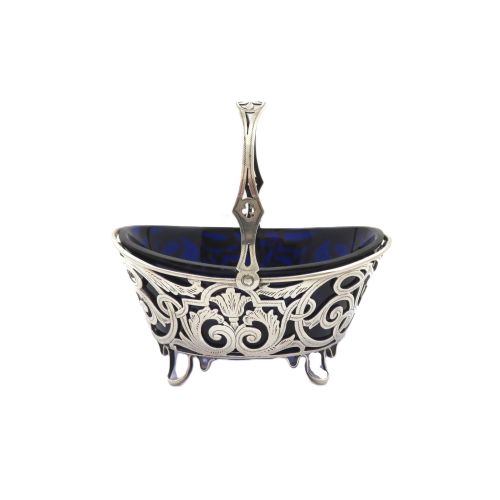
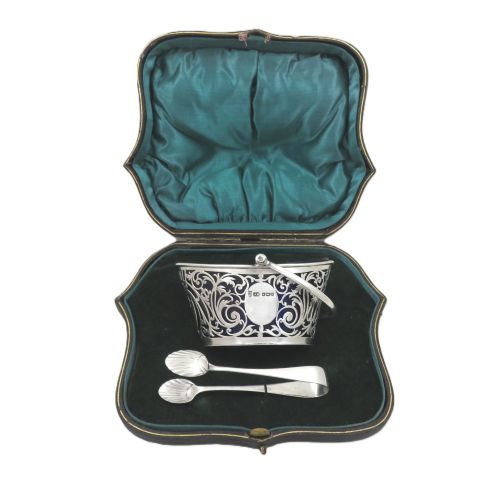
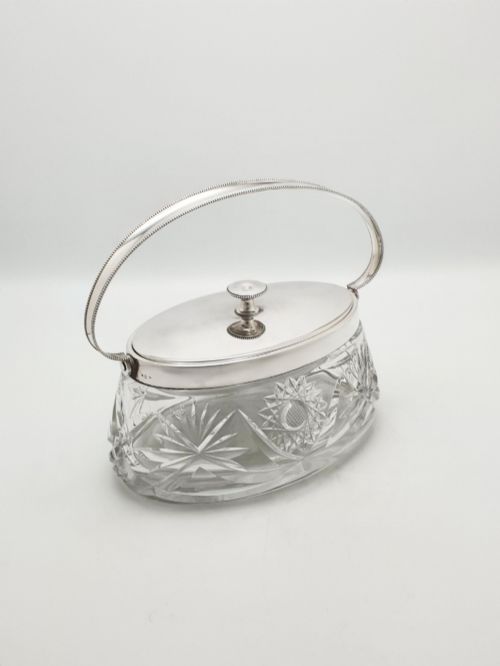
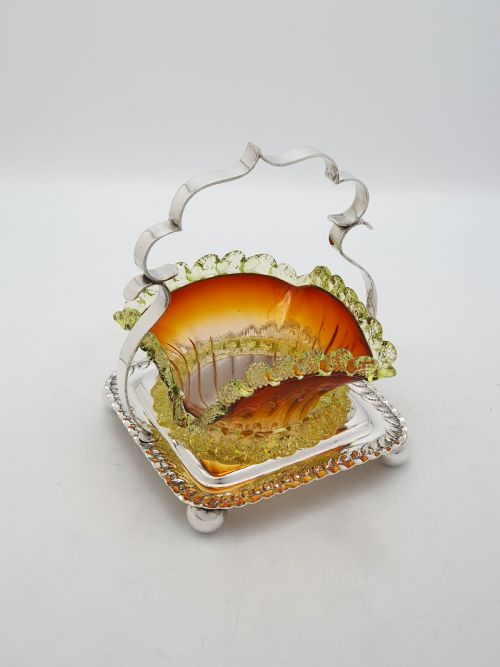
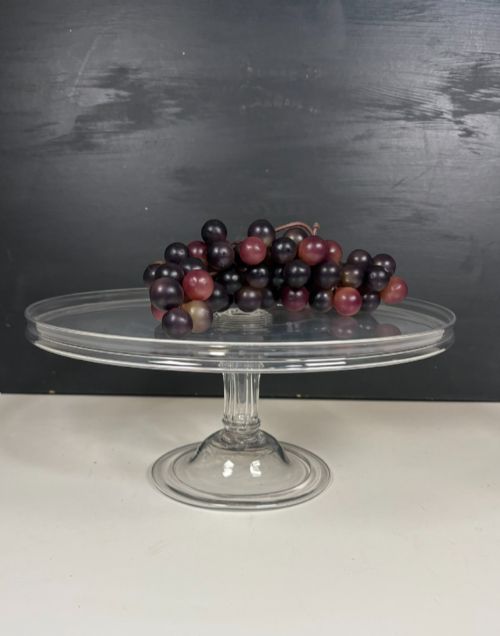
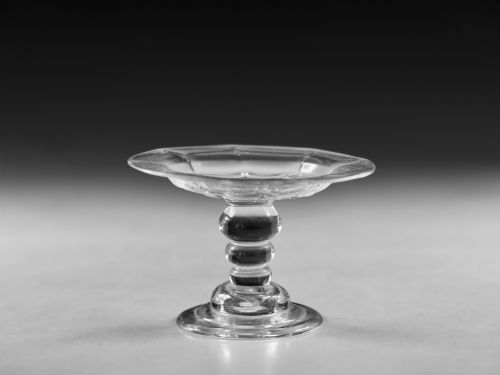
When searching for an antique glass sweetmeat dish, buyers encounter various forms spanning the eighteenth century to the Edwardian era, including tazze, footed plates, baskets with coloured glass liners, and covered jars. The earliest examples date from the Georgian period, featuring baluster stems, ribbed moulding, or folded feet designed for serving sweet delicacies.
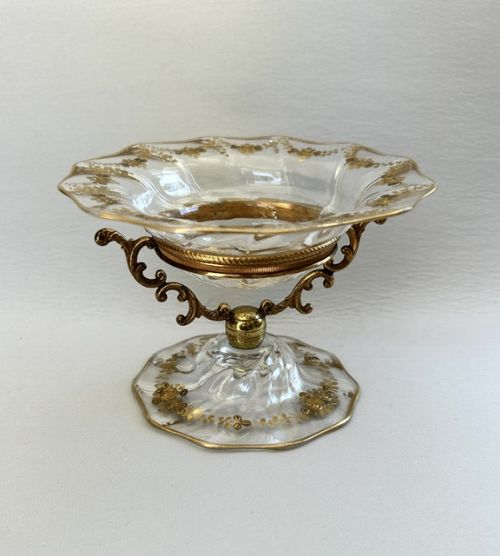
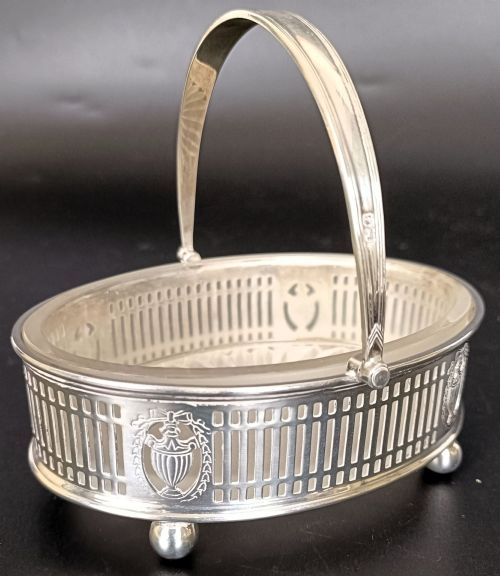
Later nineteenth and early twentieth-century examples frequently combine moulded or cut crystal with sterling silver or silver-plated mountings, swing handles, and frames in Victorian or Edwardian styles. The selection also includes French gilt stands, white latticinio bowls, and cobalt or cranberry glass inserts that reflect changing dining customs across the periods.
Materials and technique
Makers shaped these pieces using lead glass, clear crystal, and coloured glass combined with sterling silver, silver plate, or ormolu mounts. Techniques involve honeycomb moulding, rib-moulding, and complex stem constructions such as double-series opaque twists and triple-knop designs.
Metal components often employ piercing, casting, and gilding methods to create swing handles, pierced frames, and decorative stands that secure the glass inserts.
The documented forms range from Georgian baluster tazze and patch stands to Edwardian swing-handled baskets with cranberry glass liners.
Judging quality
Quality rests on the crispness of the glass cutting, the weight and clarity of the lead crystal, and the proportion of the stem or foot. Early Georgian specimens derive distinction from hand-formed knops, terraced feet, and delicate ribbing.
In later periods, the craftsmanship of the metal mount, such as cast floral handles and pierced silver frames, determines the distinction between standard production items and finer workshop creations.
Baccarat·William Comyns·George Fox·Viners
The Antique Glass Sweetmeat Dish Glossary
- Tazza
- A shallow saucer-like dish mounted on a stem and foot, used historically for serving sweetmeats or fruit.
- Sweetmeat
- A small delicacy or confection containing high sugar content, such as candied fruit, nuts, or preserves, served after a meal.
- Latticinio
- A type of glasswork incorporating fine white or coloured glass threads embedded within clear glass in spiral or latticed patterns.
- Baluster stem
- A thick, shaped stem resembling an architectural baluster, commonly found on eighteenth-century drinking vessels and sweetmeat glasses.
- Patch stand
- A small circular glass plate on a short foot, originally used to hold cosmetic beauty patches or small sweetmeats.
Antique Glass Sweetmeat Dish: Frequently Asked Questions
What is a sweetmeat dish?
A sweetmeat dish is a specialised serving vessel designed for holding confectioneries, preserved fruits, and small sweet delicacies during formal dining.
These pieces range from tall-stemmed eighteenth-century tazze to later glass bowls fitted inside pierced silver or silver-plated baskets.
How do I date an antique glass sweetmeat dish?
Dating relies on identifying manufacturing characteristics such as stem construction, glass weight, and associated metal mounts. Eighteenth-century examples often feature baluster stems and folded feet, whereas Victorian and Edwardian pieces incorporate silver-plated frames and cut crystal.
Matching the style of the metalwork to hallmarks or prevailing revival motifs helps narrow the production period further.
Were these always used for sweets?
While primarily intended for sweetmeats, nuts, and dry confectionery, many of these dishes served multiple functions on the dining table. Some smaller footed plates doubled as patch stands for cosmetics, while later lidded jars functioned as potpourri containers.
Owners adapted them according to changing domestic fashions and dining rituals.
How should I clean glass sweetmeat dishes?
Cleaning requires lukewarm water and mild soap applied gently by hand, avoiding harsh abrasives that might damage delicate lead glass or gilding. Metal mounts and silver-plated stands should be separated from glass liners where possible to prevent moisture accumulation.
Careful drying with a soft lint-free cloth preserves the clarity of the crystal and the finish of the metal.