


Edwardian Silver Glass Basket
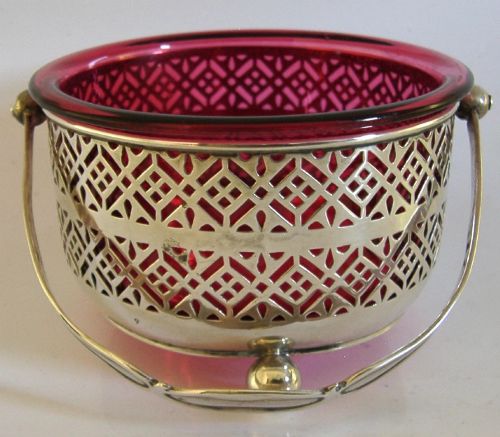
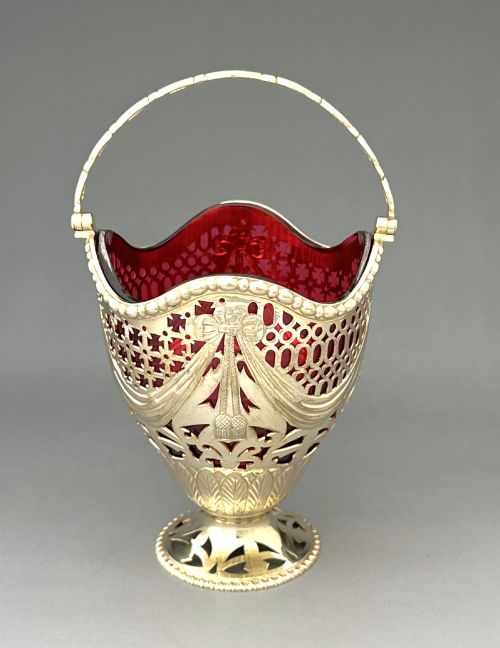
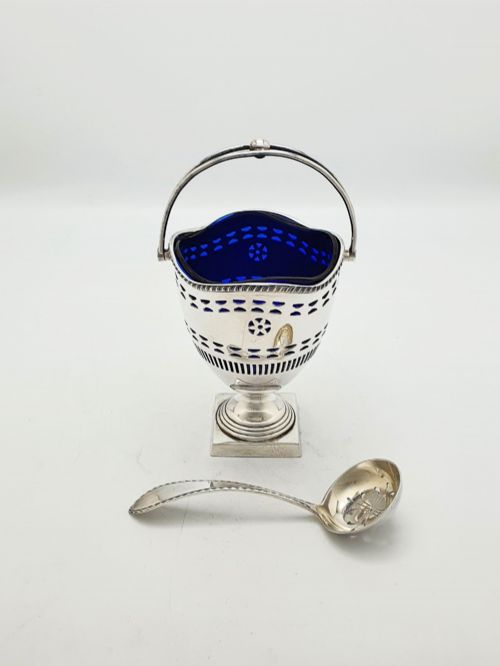
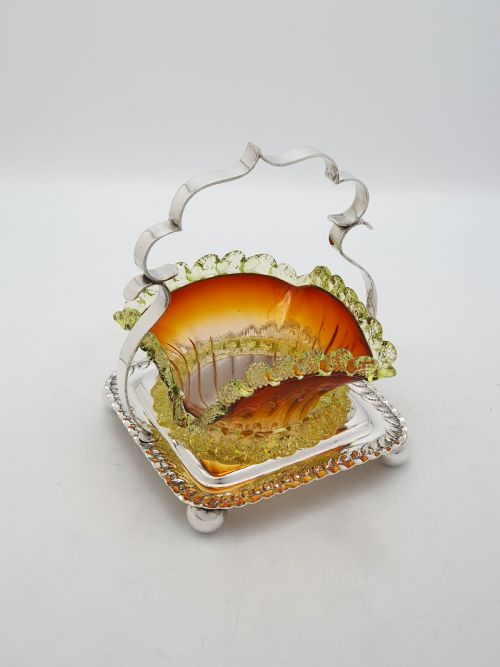
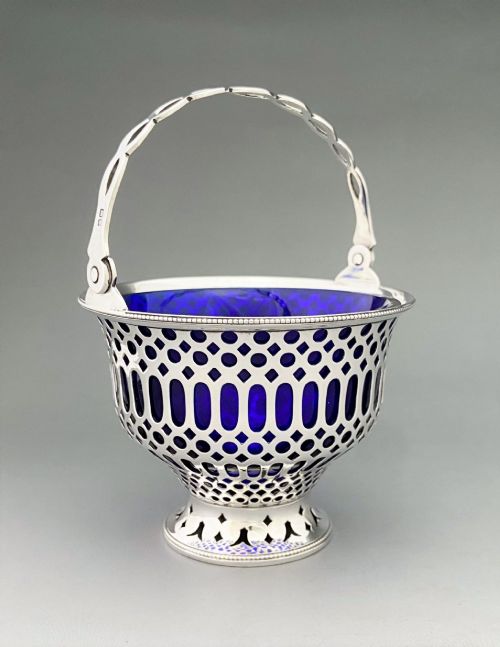
These edwardian silver glass basket pieces bring vibrant coloured glass together with pierced metalwork for a table centrepiece.
Edwardian Silver Glass Basket
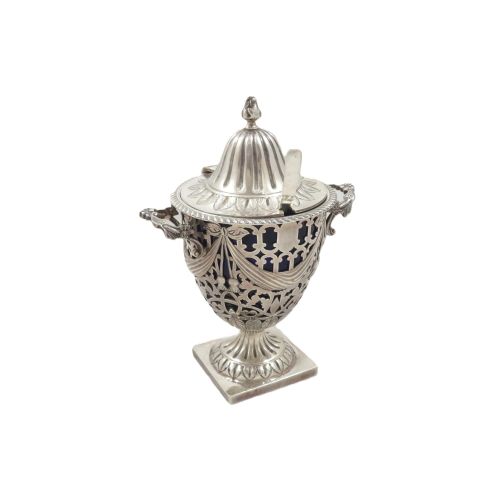
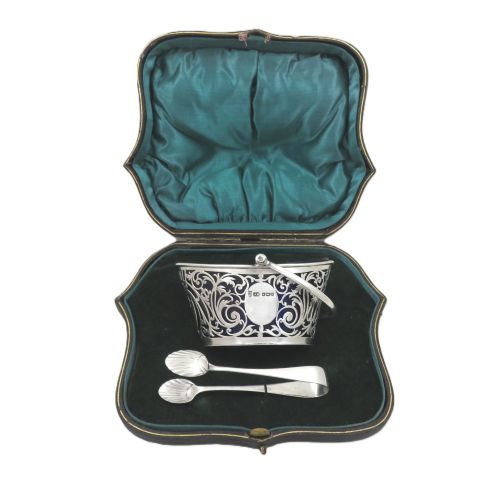
An edwardian silver glass basket combines a decorative metal frame with a blown or moulded glass liner, often designed for sugar, fruit, or potpourri. The form ranges from swing-handled table baskets to footed urns with lids and open bonbon dishes.
Most examples originate from the Edwardian period and the early twentieth century, though occasional Victorian antecedents appear. These pieces serve as functional serveware that brings bright colour to a dining table or sideboard.
Materials and construction
Makers utilised sterling silver and silver plate for the metal mounts, frequently employing piercing techniques to create intricate openwork patterns. Frames often feature swing handles or fixed handles attached to shaped rims.
Vaseline glass liners glow a striking lime green under ultraviolet light due to the uranium content in the historic glass batch.
Assessing quality
The standard of an edwardian silver glass basket rests upon the weight and finish of the metal mount alongside the depth of the glass colour. Pierced silver frames with crisp detailing and fitted original glass liners command greater attention.
The presence of hallmarks indicating specific makers and assay offices adds clarity to the silver elements. Well-balanced proportions between the metal handle, frame, and glass insert distinguish finer examples from standard production.
William Comyns·WMF
The Edwardian Silver Glass Basket Glossary
- Sterling silver
- A silver alloy containing 92.5 percent pure silver and 7.5 percent other metals, usually copper. This standard is marked by traditional hallmarks on British pieces.
- Silver plate
- A base metal substrate coated with a thin layer of pure silver. This method offered an accessible alternative to solid sterling silver during the period.
- Cranberry glass
- A rich red-pink transparent glass created by adding gold chloride to the molten batch. It appears frequently in sugar baskets and preserve dishes.
- Vaseline glass
- A transparent yellowish-green glass coloured with uranium oxide. It exhibits a characteristic green fluorescence under ultraviolet light.
- Pierced work
- A decorative technique where metal is cut through to create openwork patterns and designs. This method lightened the appearance of heavy silver frames.
Edwardian Silver Glass Basket: Frequently Asked Questions
What were glass baskets used for?
These pieces held sugar lumps, bonbons, preserves, or dried potpourri leaves on the dining table or drawing room sideboard.
The coloured glass liners protected the metal frames from sticky contents while adding a decorative splash of colour to the room.
Are all these baskets made of solid silver?
The metal components are divided between sterling silver and silver plate depending on the individual piece. Hallmarks stamped into the silver parts will indicate the standard of metal and the assay office.
Items made from silver plate utilise a durable base metal underneath the silver coating rather than solid precious metal.
How can I tell the period?
Most pieces date from the Edwardian era around 1900 to 1910, reflecting the decorative tastes of that decade. Assay marks and date letters on sterling silver items provide exact years of manufacture.
Stylistic cues such as delicate pierced scrollwork and vibrant coloured glass liners also point directly to this early twentieth-century period.