


Silver Plate Sugar Bowl
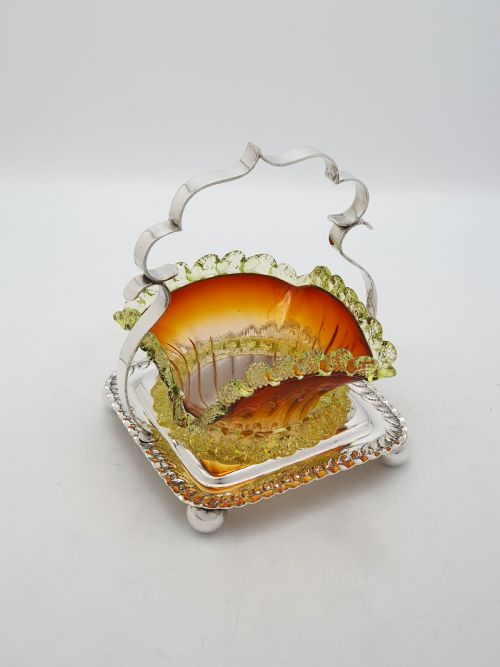
These silver plate sugar bowl pieces bring tactile warmth to the table, combining durable metalwork with coloured glass liners.
Silver Plate Sugar Bowl
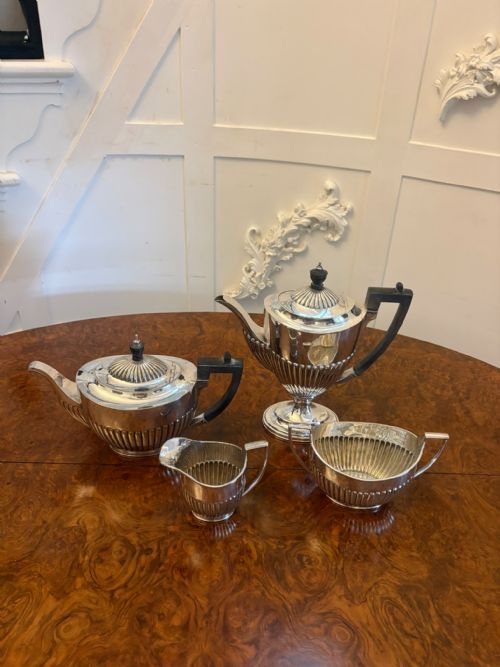
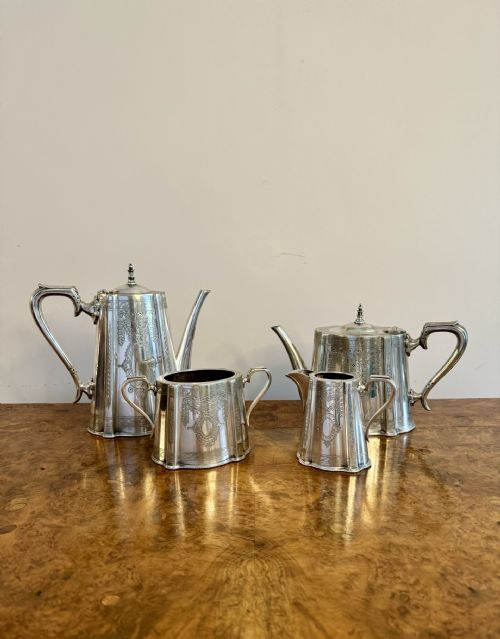
A silver plate sugar bowl serves as a table centrepiece or forms part of a larger tea and coffee set, originating from periods spanning the Georgian era through to Art Deco.
You will encounter standalone bowls alongside versions paired with cream jugs, cranberry glass liners, and swing handles, reflecting the diverse domestic habits of the nineteenth and twentieth centuries.
Materials and technique
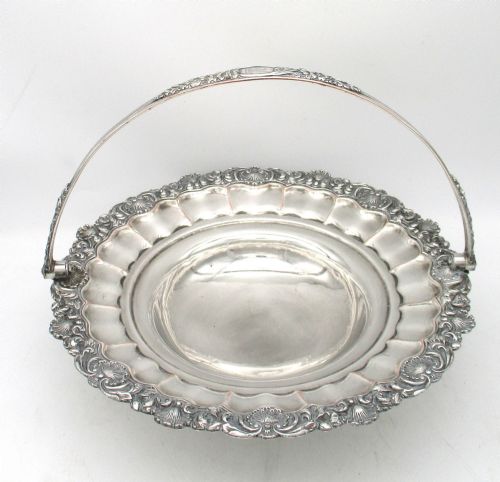
Makers utilised base metals such as copper and electroplated nickel silver, coating them in a thin layer of silver to achieve a bright finish without solid metal costs.
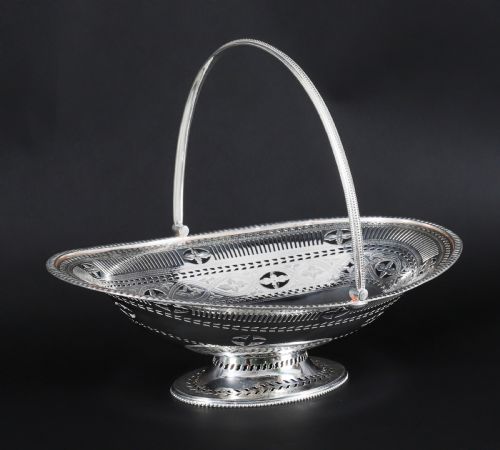
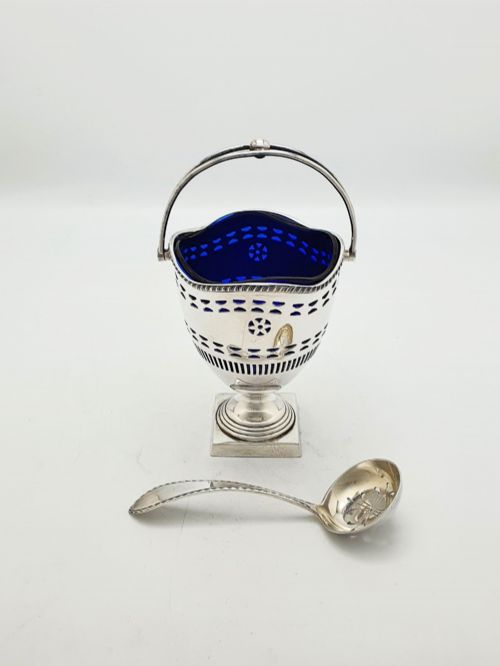
Many examples incorporate blown glass inserts in ruby, amber, or cranberry shades, held securely within pierced metal baskets and wirework frames.
Listings feature periods from the eighteenth century to Art Deco, utilising copper, glass, and electroplated nickel silver.
Judging the range
Superior execution shows in crisp piercing, balanced proportions, and substantial weight in the metalwork rather than thin gauge plating.
The integration of original coloured glass liners and maker marks from notable firms distinguishes standard utilitarian vessels from finer decorative pieces.
Walker and Hall·Elkington·Mappin and Webb·Goldsmiths and Silversmiths Co·Roberts and Belk·WMF
The Silver Plate Sugar Bowl Glossary
- Silver Plate
- A base metal coated with a thin layer of silver through chemical or electrical processes.
- Old Sheffield Plate
- An early fusing technique where a sheet of silver is fused to a copper core.
- Electroplated Nickel Silver
- A hard-wearing alloy of copper, nickel, and zinc coated in silver.
- Pierced
- Metalwork perforated with decorative cut-out patterns to reveal the glass liner beneath.
- Swing Handle
- A movable arched handle attached to the rim of a basket or bowl.
Silver Plate Sugar Bowl: Frequently Asked Questions
How do I date a silver plate sugar bowl?
Dating relies on stylistic clues like Edwardian piercing or Art Deco geometric lines, alongside stamped maker marks.
Comparing the weight, plating method, and accompanying glass insert also helps narrow the decade of production.
Were these bowls used alone?
Many bowls were part of larger tea services or accompanied cream jugs on matching trays.
Standalone versions with liners often functioned as bonbon dishes, preserve pots, or fruit baskets.
How should I clean silver plate?
Gentle washing in warm soapy water preserves the plating layer and protects any fitted glass inserts.
Abrasive polishes should be avoided to prevent wearing away the thin silver coating over time.
What is Old Sheffield Plate?
This material involves fusing a thin sheet of silver to a thick copper core before rolling them together into sheets.
Objects made this way often reveal faint traces of copper along cut edges and wear points.