


Art Deco Silver Set
An art deco silver set brings geometric elegance and period charm to your dining table or dressing room.
Art Deco Silver Set
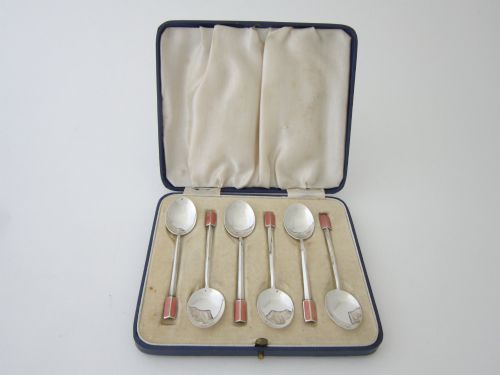
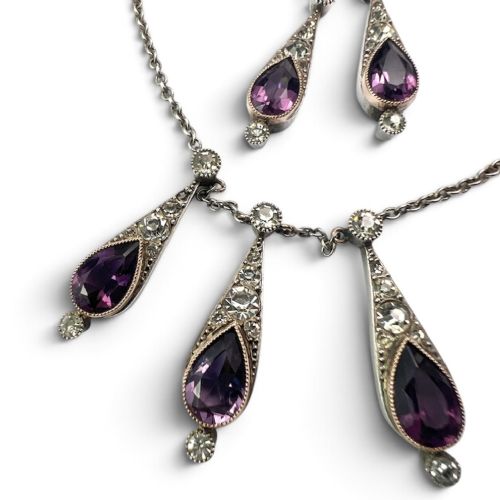
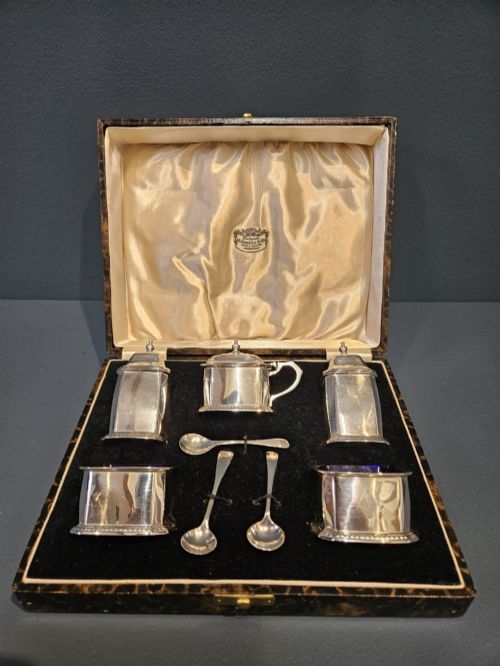
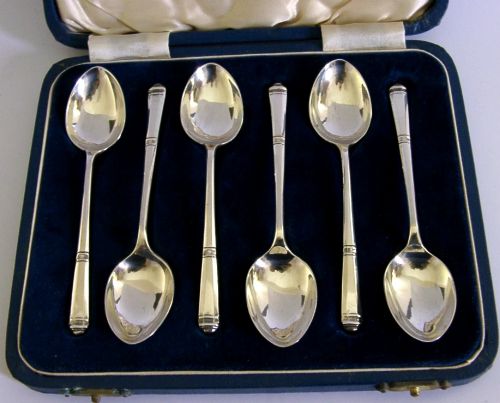
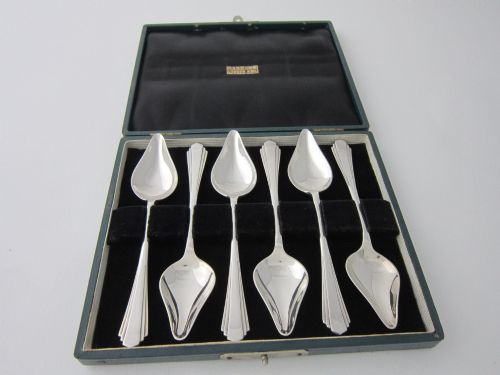
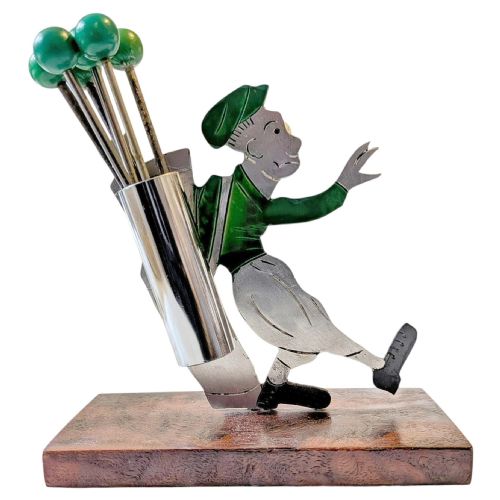
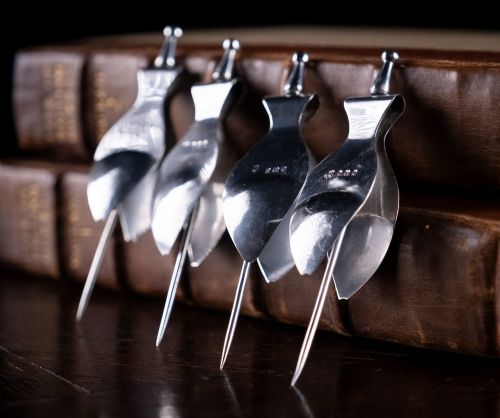
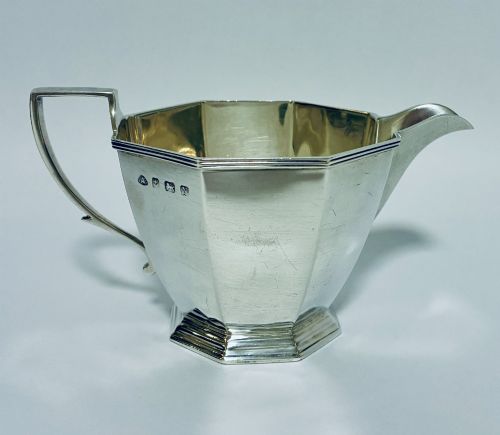
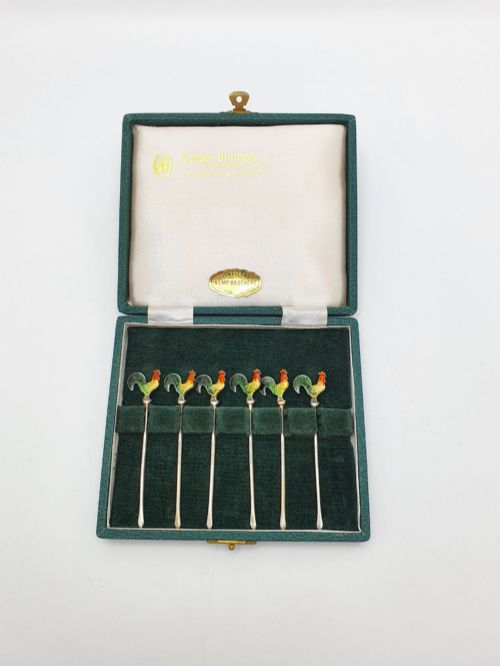
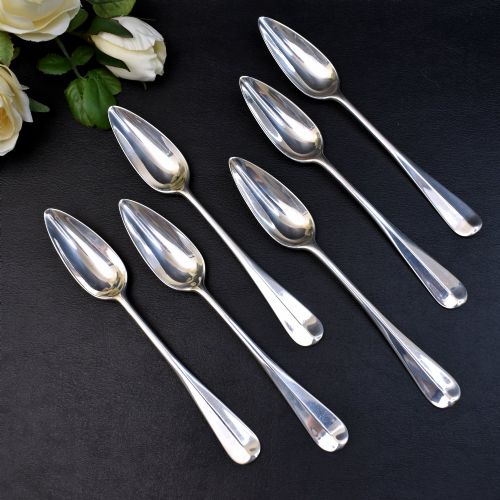
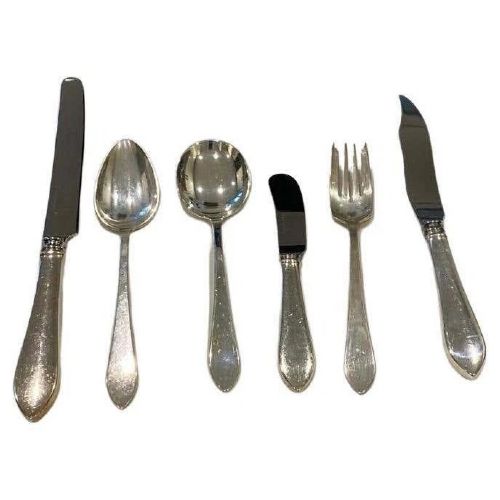
An art deco silver set encompasses matched groupings designed for dining, barware, and personal vanity use originating primarily from the interwar decades. The selection ranges from cased tea spoons and condiment cruets to cocktail stick sets featuring novelty figures and guilloche enamel details.
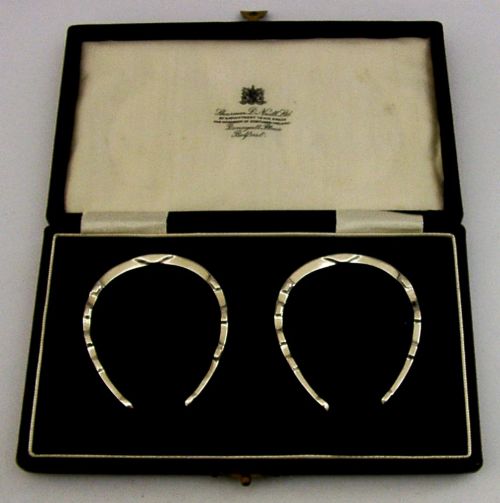
Cased presentations are particularly prevalent among surviving pieces, often preserving fitted velvet or satin linings inside leatherette boxes. These matched groupings demonstrate the period's taste for orderly luxury and coordinated tablescapes.
Distinctions in Grade and Execution
Quality rests upon the crispness of the stamping, the depth of engine turning, and the intact preservation of fragile glass or enamel elements. Maker attribution also plays a role, with established silversmiths and specialised novelty makers achieving cleaner lines and more intricate joint work.
The completeness of the original fitted case and the survival of matching components across a multi-piece service elevate the standing of an individual assembly.
Listings span periods from Edwardian to the 1960s, incorporating materials such as sterling silver, enamel, velvet, satin, and cut glass.
Goldsmith & Silversmith's·Sudre·Richard Comyns·Hamilton & Inches·William Neale·Tiffany·Suckling Ltd·Elkington·Asprey·A. Scott·The Adie Brothers·Josiah Williams & Co·Herbert Jenkins
The Art Deco Silver Set Glossary
- Cruet set
- A matched group of small containers for holding condiments such as salt, pepper, mustard, and vinegar at the dining table. These typically sit upon a dedicated silver tray or frame.
- Guilloche enamel
- A decorative technique where a precise geometric pattern is mechanically engraved into a metal surface and covered with translucent coloured enamel. This allows the underlying pattern to shimmer through the finish.
- Engine turned
- A method of mechanical ornamentation that etches intricate geometric patterns into metal surfaces using a specialised lathe. It produces repetitive linear designs characteristic of the period.
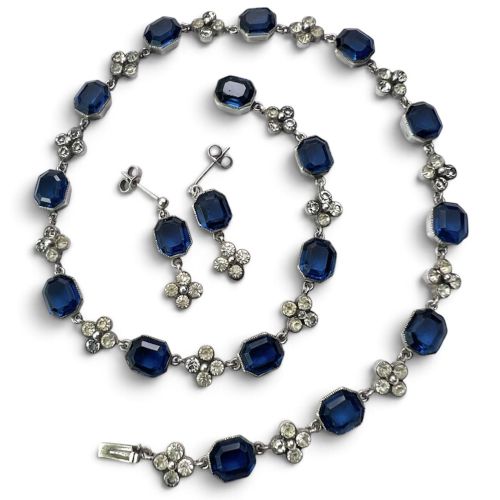
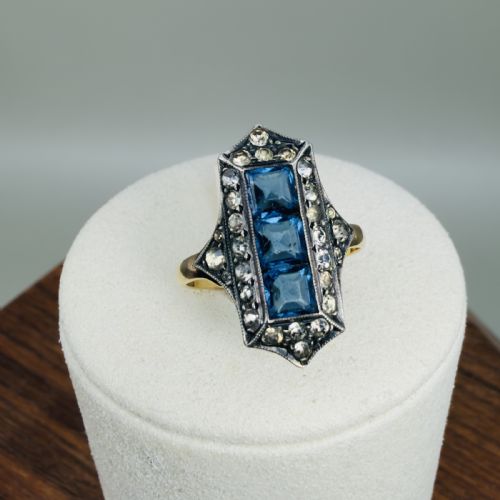
- Paste stones
- Faceted glass or crystal stones set into jewellery and accessories to imitate gemstones. They offer brilliant sparkle and were widely used in period decorative pieces.
- Cased set
- A collection of items housed in a custom-fitted box designed specifically for their protection and presentation. These often feature velvet or satin interiors.
Art Deco Silver Set: Frequently Asked Questions
How do I clean enamel silver?
Clean enameled silver components gently using warm water and mild soap with a soft cloth, avoiding abrasive polishes that scratch the glass surface. Dry thoroughly immediately after washing to protect the underlying metal.
Keep chemical dips away from enamel entirely, as harsh solutions weaken the bond between the glass and the silver frame over time.
Were these sets meant for daily use?
Many sets served formal dining and entertaining functions reserved for special occasions, which explains why so many survive in their original fitted presentation boxes. Afternoon tea forks, cocktail sticks, and cruets saw deployment during household gatherings.
Today, careful use brings historic character into modern routines, provided owners wash delicate components by hand rather than placing them in automated dishwashers.
How do I identify the date?
British pieces carry hallmarks indicating the assay office, standard of metal, and a specific date letter corresponding to the year of testing. These tiny stamped markers provide precise chronological confirmation for silver components.
Stylistic cues such as streamlined geometric motifs, sunburst patterns, and specific maker marks help narrow down unmarked or foreign items to the interwar decades.
What is a cased set?
A cased set houses matching utensils or vanity items within a fitted box lined with materials like velvet, satin, or silk. These boxes protect the contents and facilitate formal gifting.
Retaining the original housing adds historical context and ensures that companion pieces remain together through generations of collection.