


18th Century Mortar
An 18th century mortar is a sturdy domestic or apothecary vessel designed for grinding, prized for its heavy form and tactile surface.
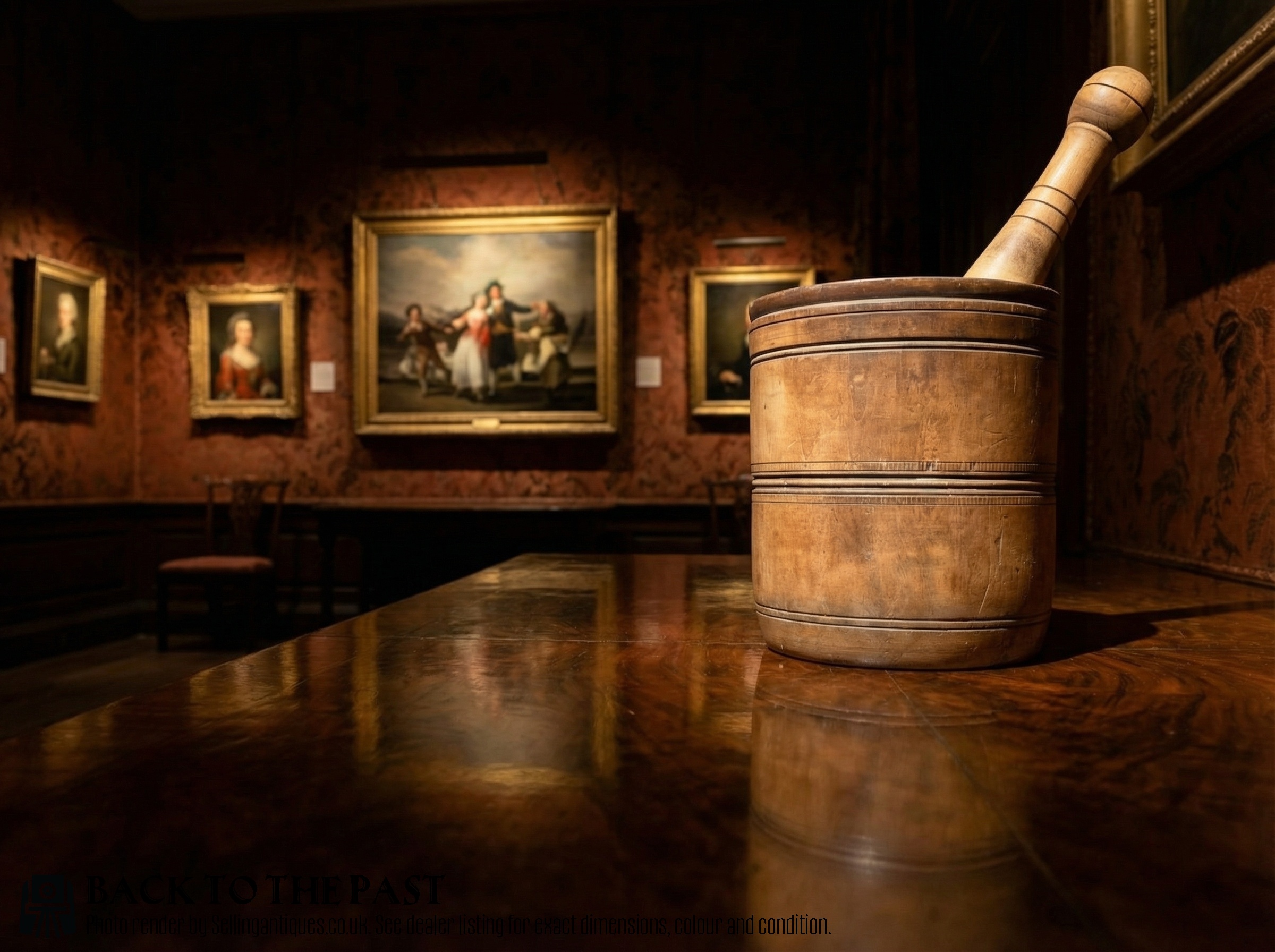
18th Century Mortar
An 18th century mortar is a solid mixing vessel encountered most frequently in heavy metal alloys, dense woods, and carved stone. These pieces originate from domestic kitchens, apothecary shops, and commercial trading settings where ingredients required reduction by hand.
The selection on this page ranges from compact treen vessels to substantial stone bowls and cast metal grinders. English, French, Dutch, and Italian origins appear across the records, spanning the seventeenth century through to the nineteenth century.
Materials and construction
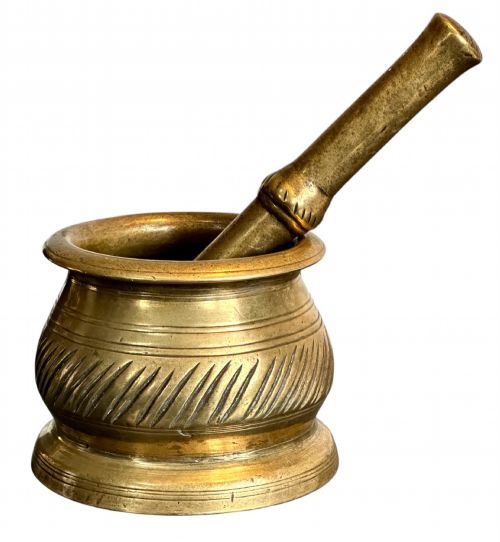
Metals such as bronze, brass, bell metal, and cast iron were cast in moulds, often yielding thick walls and decorative moulded ribs or handles. These metal vessels provide the heavy impact resistance necessary for apothecary work.
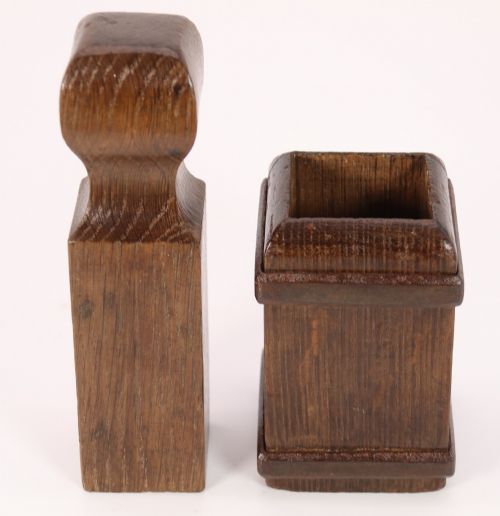
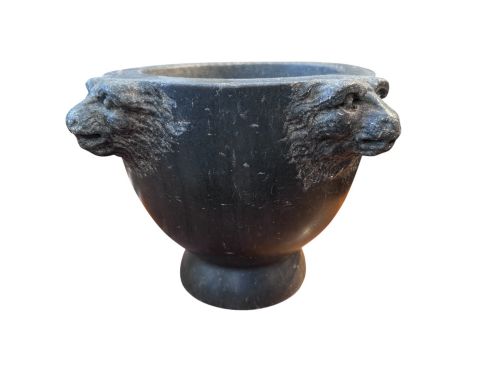
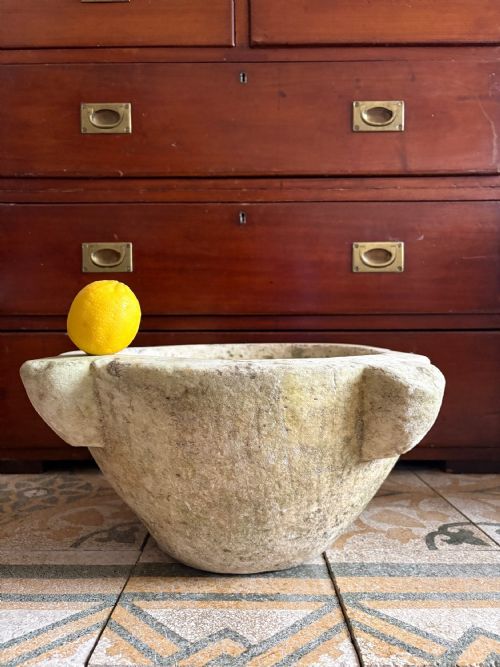
Organic and mineral materials including oak, walnut, burr wood, lignum vitae, marble, basalt, and stone were turned on lathes or chiselled by hand. Wood variants rely on dense grain patterns to withstand repeated pressure from a matching pestle.
18th Century Mortar Retail Price Guide 2026
Typical asking prices for 18th century mortar among the pieces listed under this phrase on Sellingantiques today, from the lower quarter to the upper quarter. They describe what is for sale here now, not the wider market.
Several heavy bronze mortars retain faint chemical stains inside their bowls, proving they actually did the hard grind two centuries ago.
Judging the pieces
Quality rests in the purity of the material and the integrity of the original form. Cast metal pieces with clean definition to their surface details and untouched patination stand apart from those worn down by heavy chemical use or aggressive cleaning.
Turned wooden examples and carved stone vessels are judged by the balance of their proportions and the survival of their matching pestles. Original pairings elevate a piece significantly compared to marriages of vessels and grinders put together at later dates.
The 18th Century Mortar Glossary
- Mortar
- A heavy bowl-shaped vessel used with a pestle for crushing and grinding substances. Most surviving examples date from domestic kitchen and apothecary contexts.
- Pestle
- A heavy tool with a rounded end used for pounding and grinding materials inside a mortar. Finding a pestle that matches the period and material of the bowl is a notable advantage.
- Treen
- Small handmade wooden domestic objects turned on a lathe. In this category, treen mortars utilise dense hardwoods like lignum vitae and walnut.
- Bell metal
- An alloy of copper and tin traditionally used for casting bells, adapted for mortars due to its acoustic resonance and extreme durability.
- Apothecary
- A historical practitioner who prepared and sold medicines. Many metal and stone mortars served this trade before entering collections.
18th Century Mortar: Frequently Asked Questions
How were they used?
These vessels served to crush herbs, spices, minerals, and medicinal ingredients into powders or pastes using a matching pestle.
They sat on counters in kitchens and apothecary shops for daily preparation tasks.
Are pestles included?
Many listings include the original matching pestle, while others offer the mortar bowl on its own.
Checking the description confirms whether the set remains complete with its grinding tool.
How do I clean wood ones?
Wooden vessels require dry dusting or gentle wiping with a damp cloth rather than soaking in water.
Natural oils can be applied occasionally to maintain the dense grain of walnut or lignum vitae.
Where were they made?
Production occurred across England, France, Italy, and the Netherlands in domestic workshops and specialised foundries.
Local materials dictated whether a piece was cast in bronze, turned from wood, or carved from stone.