


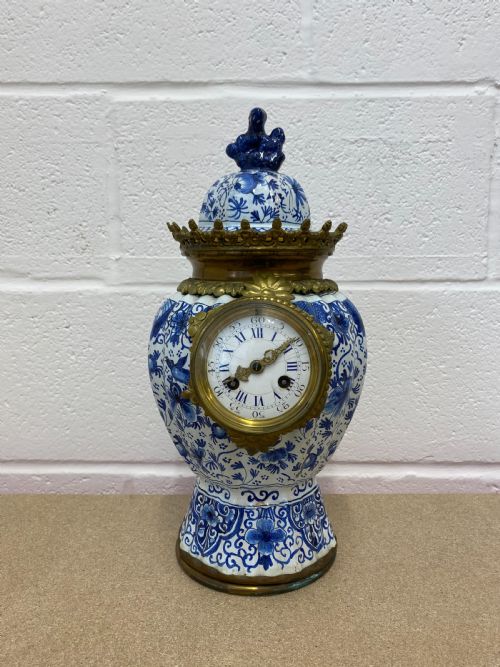
Blue White Delft Jar
A blue white delft jar brings vibrant tin-glazed earthenware into a room, offering centuries of maritime trade history and timeless hand-painted motifs.
Blue White Delft Jar
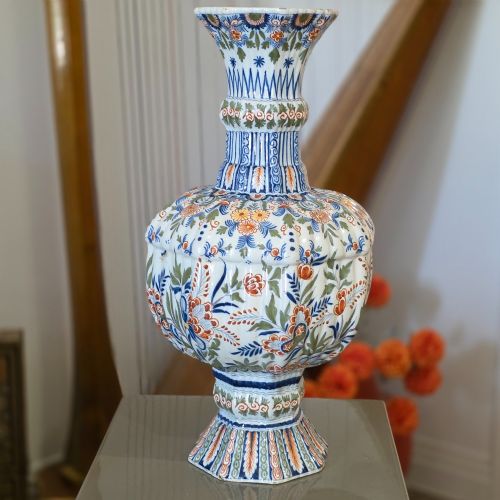
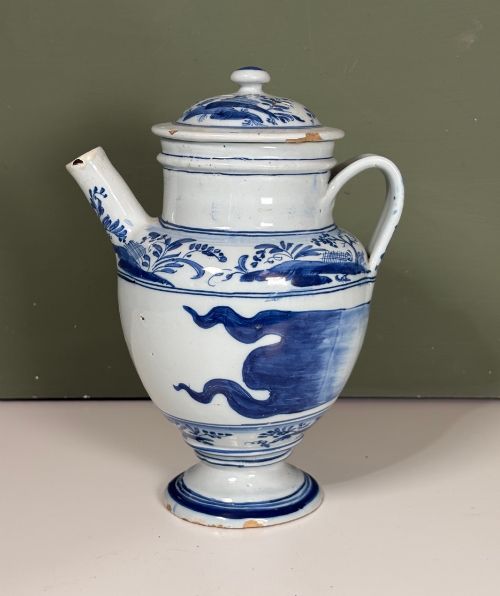
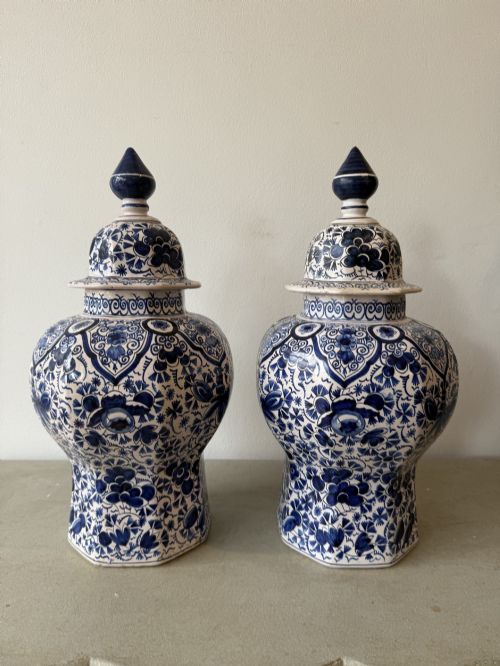
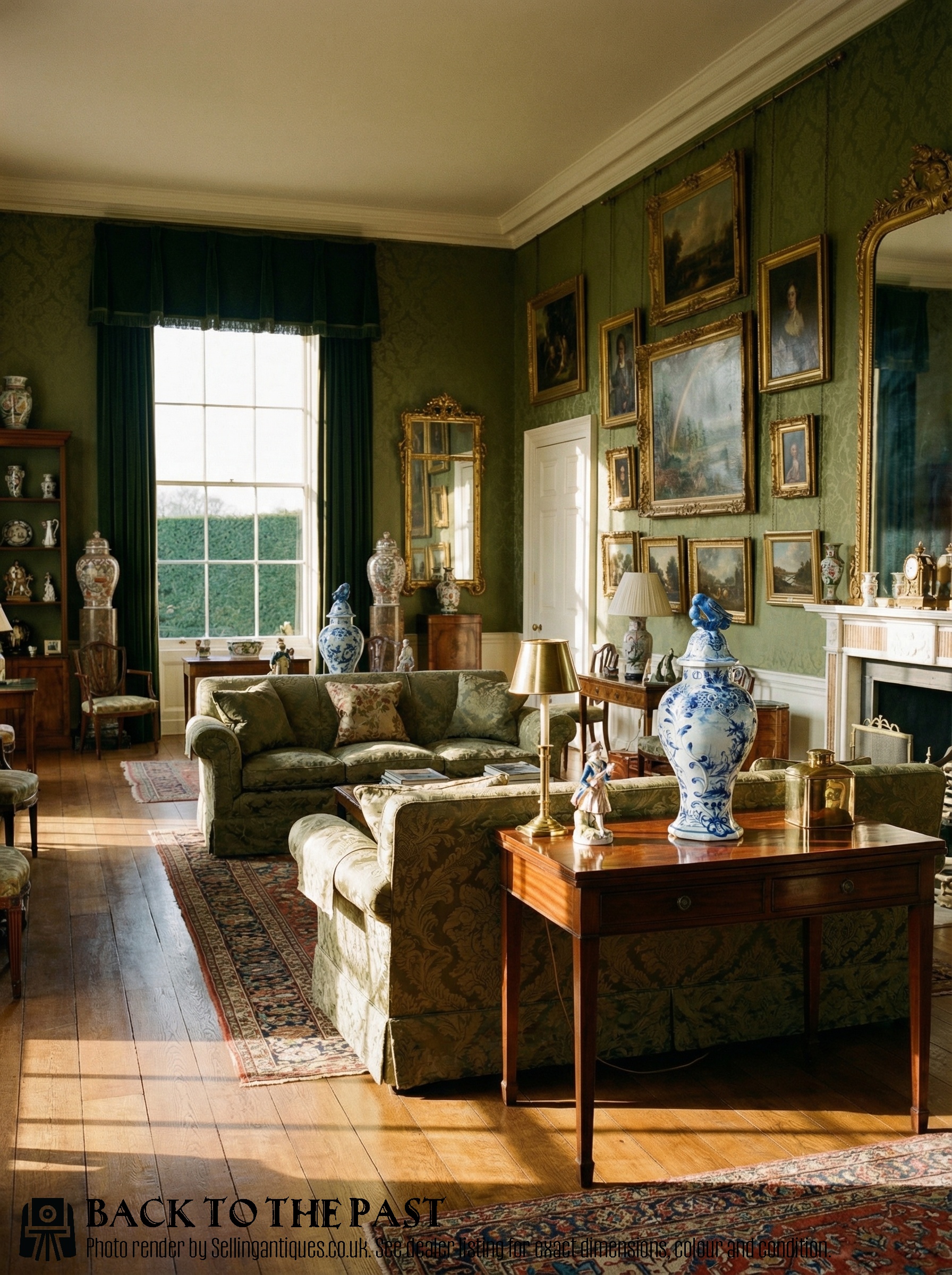
When searching for a blue white delft jar, collectors encounter a range of ceramic vessels spanning the seventeenth, eighteenth, and nineteenth centuries. These items include apothecary jars, tobacco jars, baluster vases, and lidded urns originating from Dutch and Georgian traditions.
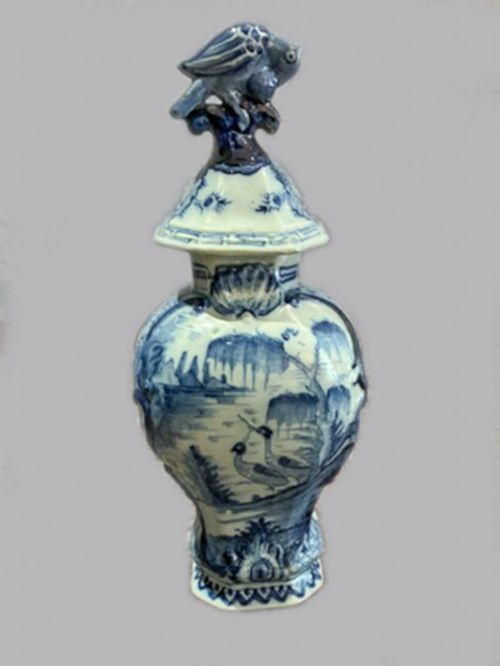
The examples most commonly met on this page date from the eighteenth century, often featuring classic handles or fitted lids. Forms vary from simple storage jars to decorative vases adorned with traditional Chinoiserie scenes.
Older seventeenth-century pieces sit alongside nineteenth-century interpretations, showing how potters continually reproduced the iconic cobalt pigment decoration. Buyers also find occasional table lamps and clocks adapted from these ceramic bodies.
How they were made
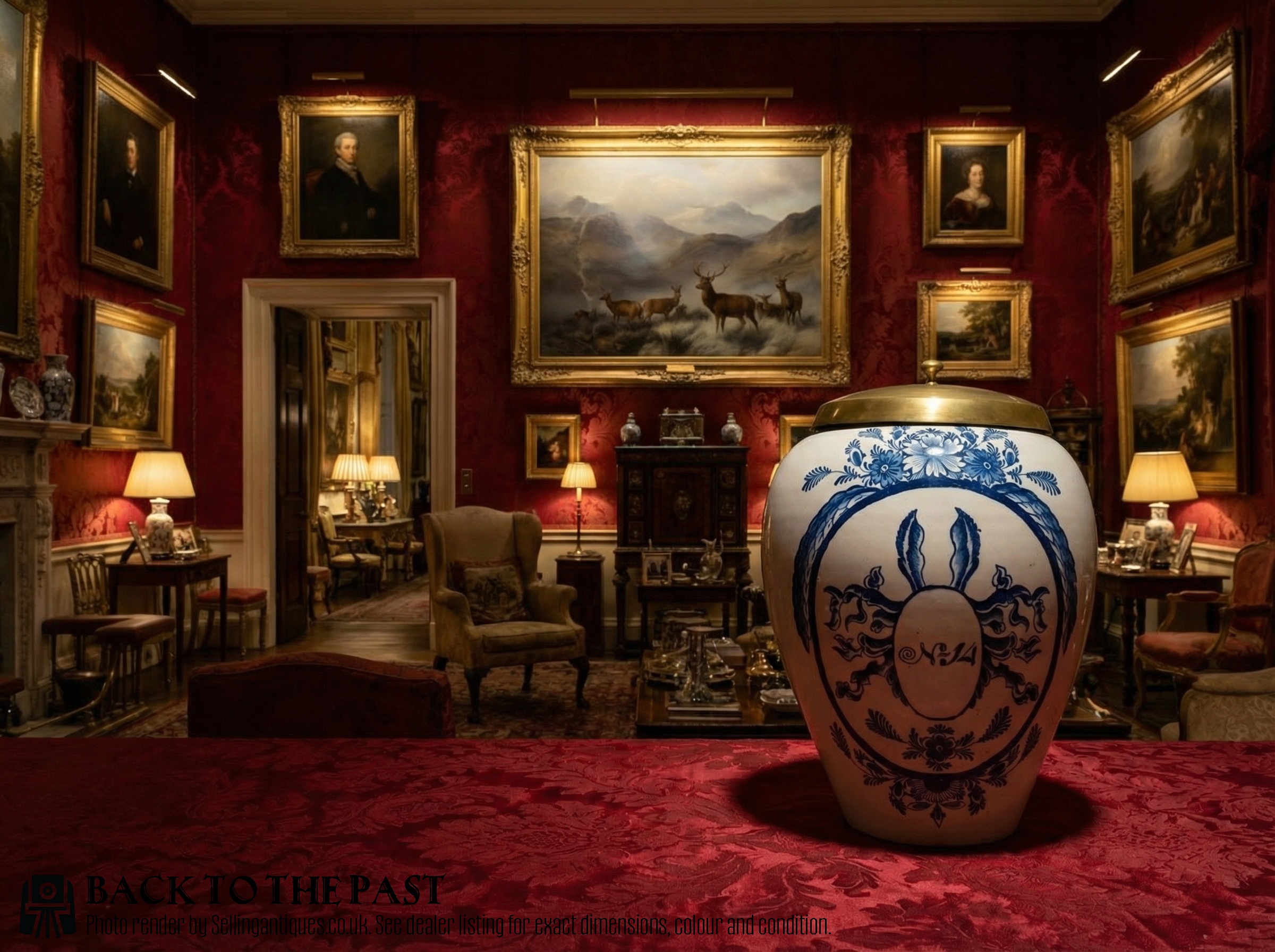
Potters shaped these vessels from earthenware clay before coating them in an opaque tin glaze. This white surface provided the ideal absorbent background for painting directly with cobalt pigment.
The painted designs often embraced Dutch Baroque and Chinoiserie styles, depicting birds, flowers, and figures before a final clear firing sealed the pigments. Some pieces incorporated brass fittings or hardwood components for lids and mounts.
Listings feature tin-glazed earthenware, ceramic, and hardwood alongside brass mounts across various centuries.
What varies in quality
The standard of a blue white delft jar rests upon the crispness of the cobalt brushwork and the depth of the tin glaze. Early seventeenth-century pieces with intricate Chinoiserie details display a higher artistic ambition than later mass-produced iterations.
Proportion and the survival of matching original lids heavily influence the character of each vessel. Condition issues such as glaze flaking and historical repairs are balanced against the sheer age and scarcity of the ceramic form.
The Blue White Delft Jar Glossary
- Tin-Glazed Earthenware
- Pottery fired with a lead glaze made opaque by the addition of tin oxide. This creates the characteristic milky white surface used for painting.
- Cobalt Pigment
- A metallic colourant applied under or over the glaze to produce deep blue designs. It withstands high firing temperatures without losing intensity.
- Chinoiserie
- European artistic style reflecting Chinese motifs and landscapes. This aesthetic heavily influenced seventeenth and eighteenth-century delftware decoration.
- Baluster Vase
- A vertical vessel with a rounded body tapering towards a narrow neck and a flared base. This silhouette appears frequently among antique storage and decorative jars.
- Apothecary Jar
- A specialised container originally used by chemists to store dried herbs, ointments, or medicines. Many feature inscribed labels alongside botanical or pictorial decorations.
Blue White Delft Jar: Frequently Asked Questions
How were antique delft jars used?
These ceramic vessels originally served practical functions in households and shops, storing dry goods, tobacco, or medicinal ingredients. Apothecary jars held remedies, while larger lidded vases stood as ornamental displays in wealthy interiors.
Over time, many surviving pieces transitioned purely into decorative objects. Some later examples were even converted into table lamps or fitted with clock movements during the nineteenth century.
How do I identify seventeenth-century delftware?
Seventeenth-century pieces often exhibit distinct Dutch Baroque or early Chinoiserie influences, utilising deep cobalt tones on thicker earthenware bodies. The painting tends to be expressive and organic, depicting natural scenes with birds and flowers.
Examining the tin glaze for micro-crazing and characteristic edge chipping helps confirm genuine age. Comparison with eighteenth and nineteenth-century items reveals shifts in ceramic weight and pigment vibrancy.
Are delft jars waterproof?
Historic tin-glazed earthenware is porous and prone to moisture absorption through hairline cracks in the glaze. Using these antique jars to hold fresh water for flowers can cause permanent staining or structural damage.
Collectors generally display them dry as decorative objects rather than functional vases. Placing a separate internal glass container inside can protect the ceramic if floral displays are necessary.
Do matching lids matter for value?
Original matching lids significantly enhance the historical integrity and visual balance of a lidded vase or jar. Many surviving vessels lost their covers over centuries of handling, leading to marriages with replacement lids or display without them.
Finding a matched pair with original covers is particularly uncommon. Collectors pay close attention to whether the glaze and paste of the lid match the body.