


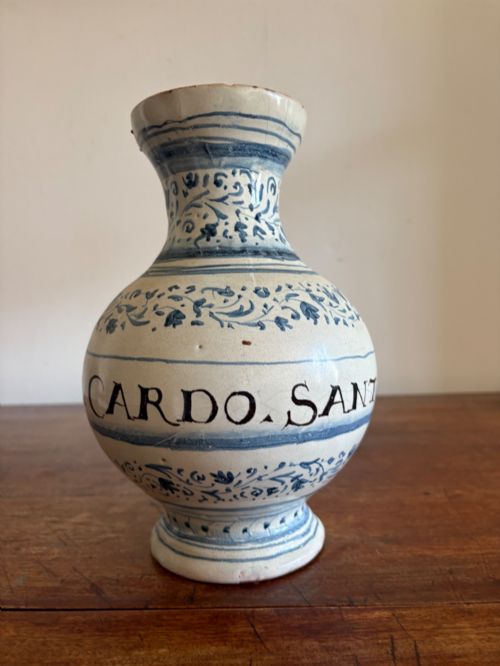


Antique Ceramic Storage Jar
An antique ceramic storage jar brings centuries of functional history into a room, offering tactile earthen texture and enduring utility.
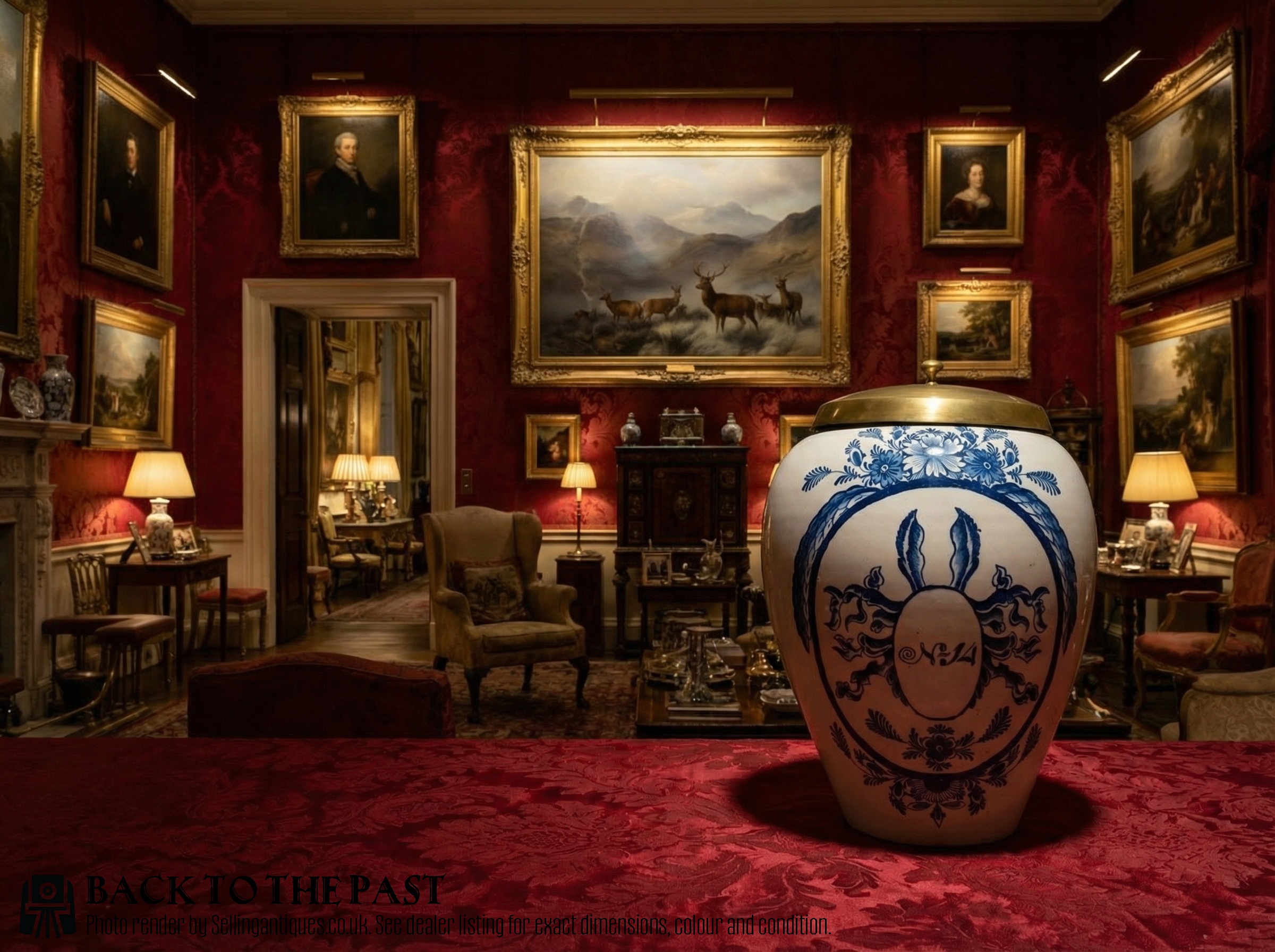
Antique Ceramic Storage Jar
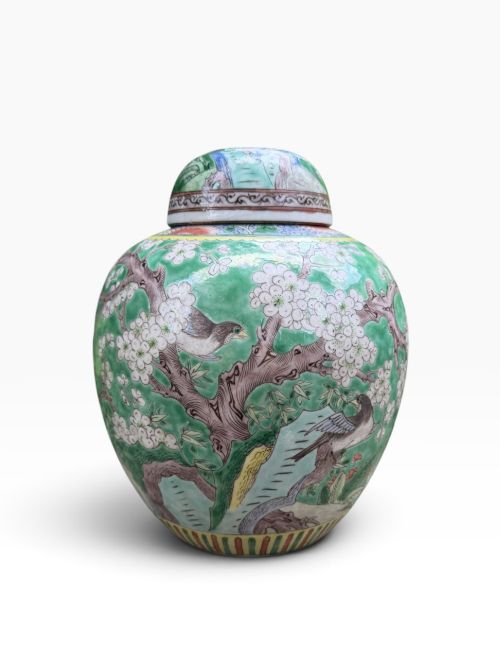
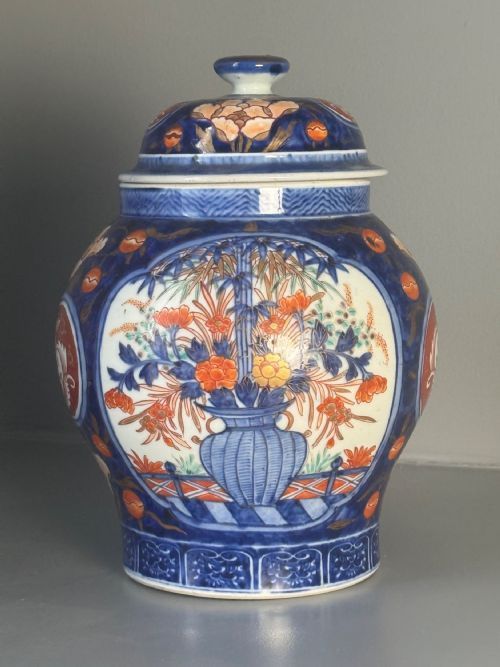
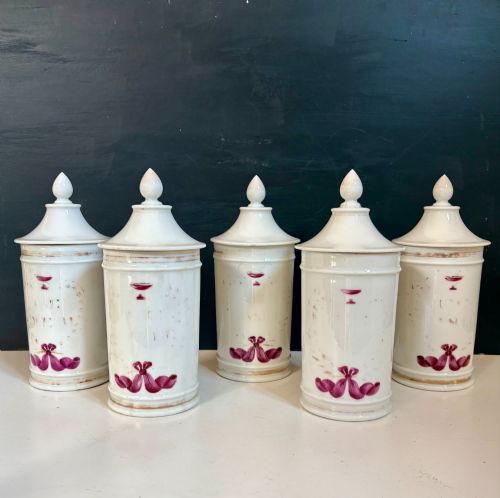
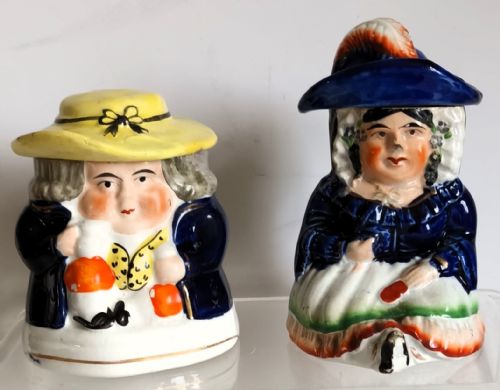
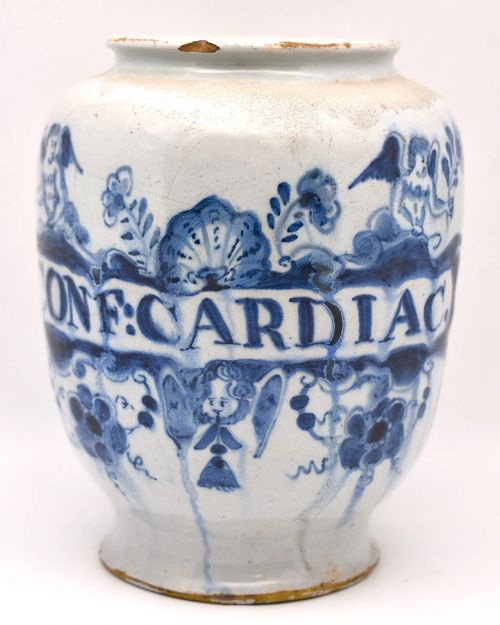
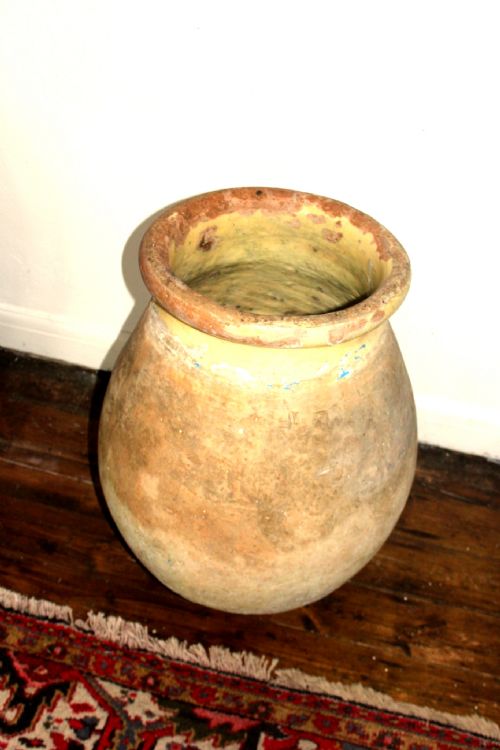
When you search for an antique ceramic storage jar, you encounter a diverse array of utilitarian vessels originating from English, French, Italian, Portuguese, and Asian workshops. The selection spans robust terracotta oil and wine jars, French confit pots, English delftware drug jars, and fine porcelain ginger jars.
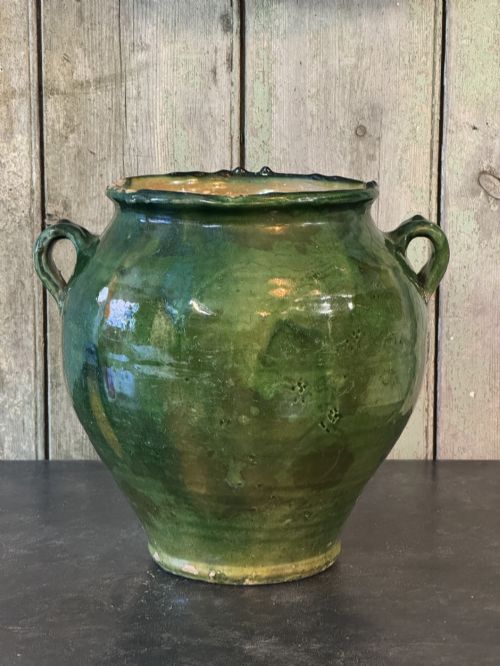
The pieces on this page lean heavily towards nineteenth-century French confit pots and eighteenth-century tin-glazed apothecary jars. Alongside these, buyers find larger garden pots, biscuit barrels, and decorative vessels spanning from the seventeenth to the early twentieth century.
Each form reflects the specific domestic, culinary, or medicinal requirements of its era. Confit pots stored preserves in provincial kitchens, while apothecary jars held dry or wet drugs in pharmacies, and ginger jars protected spices for transport and storage.
Markers of Distinction
Quality in an antique ceramic storage jar rests upon the integrity of the form, the harmony of the glaze, and the survival of original lids or covers. Early tin-glazed apothecary jars achieve distinction through crisp hand-painted lettering and well-preserved polychrome pigments that retain their original depth.
Terracotta and earthenware examples gain character from natural weathering and the organic pooling of green or honey glazes across the clay body. Pieces that retain their matched covers or demonstrate clear regional throwing traditions stand apart from standard utility vessels.
The listings on this site span eighteen-century English delftware to early twentieth-century Asian porcelain and European earthenware.
Samuel Alcock and Co·Crown Devon·Royal Worcester·Herend
The Antique Ceramic Storage Jar Glossary
- Confit pot
- A French earthenware or terracotta jar traditionally used for storing preserved meats. These vessels typically feature partial green or honey glaze over a robust clay body.
- Apothecary jar
- A ceramic container used by chemists and pharmacists to store drugs and medicinal preparations. They often bear Latin inscriptions or painted labels denoting their contents.
- Tin glaze
- An opaque white glaze containing tin oxide, applied to earthenware before firing. It provides a smooth surface for hand-painted blue and white or polychrome decoration.
- Ginger jar
- A ceramic vessel featuring a wide body and a domed cover, originally designed for storing and transporting spices in East Asia. They later became popular decorative ornaments in European interiors.
- Terracotta
- A porous, brownish-red fired clay used extensively for large storage jars, garden urns, and oil vessels. It is frequently left unglazed or finished with a simple surface wash.
Antique Ceramic Storage Jar: Frequently Asked Questions
What were antique ceramic storage jars used for?
These jars served practical domestic and commercial functions across households and trades. They held culinary staples such as oil, wine, walnuts, and confit meats, or preserved medicines in apothecary shops.
Over time, many utilitarian vessels transitioned from purely functional pantry items to decorative display pieces within homes.
How do I care for an antique storage jar?
Keep terracotta and earthenware vessels away from excessive moisture to protect porous bodies that lack complete interior glazing. Dust them gently with a dry cloth and avoid harsh chemical cleaners.
Place heavier jars on stable, level surfaces where they will not be knocked, as their thick walls can still chip upon hard impact.
Are apothecary jars difficult to date?
Dating relies on stylistic shifts in the tin glaze, the formation of the earthenware body, and the style of the painted drug labels. Eighteenth-century examples often display distinctive blue and white script or polychrome floral framing.
Nineteenth-century iterations tend to show standardised lettering and more uniform manufacturing techniques consistent with industrial pottery production.
Why do some confit pots have unglazed lower sections?
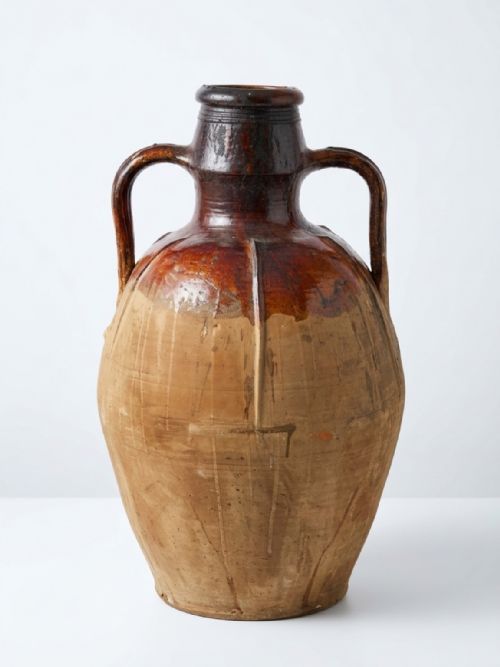
Potters glazed only the upper portion of confit pots because the lower half was often buried in pantry floors or cool cellars to maintain a steady temperature for the food inside. This functional design leaves the raw terracotta exposed at the base.
Buyers value this characteristic as evidence of authentic provincial working use rather than a manufacturing defect.