


Dutch Blue White Pottery
Dutch blue white pottery brings hand-painted tin-glazed earthenware into an interior, offering classic cobalt designs from seventeenth-century faience to nineteenth-century table lamps.
What Dutch blue white pottery is
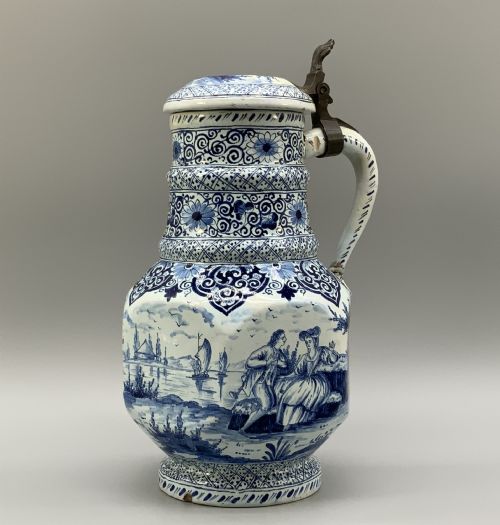
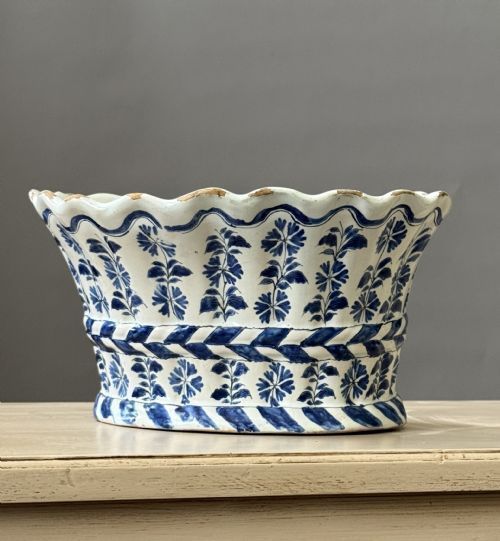
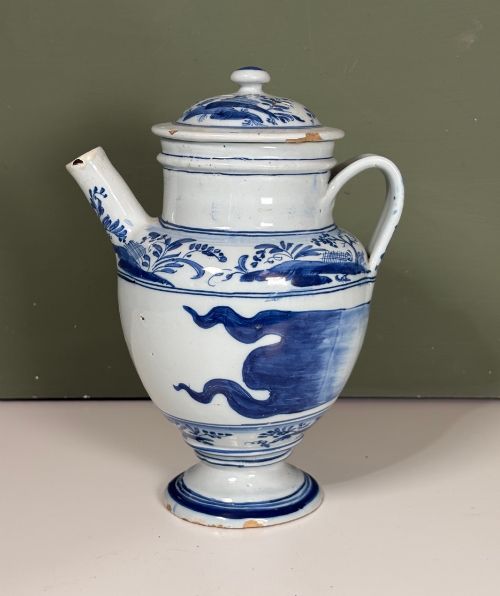
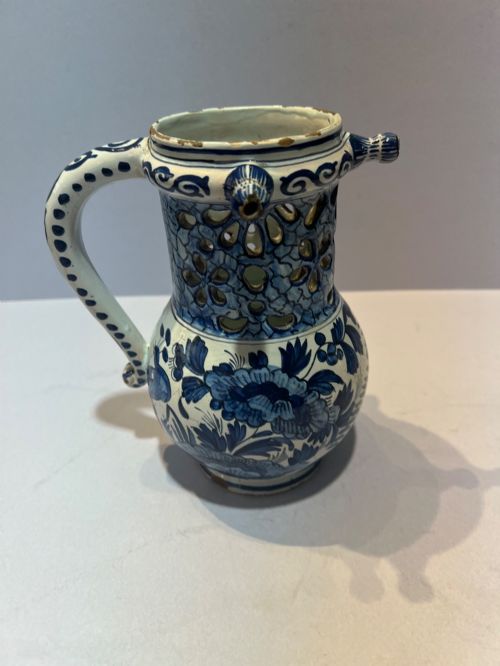
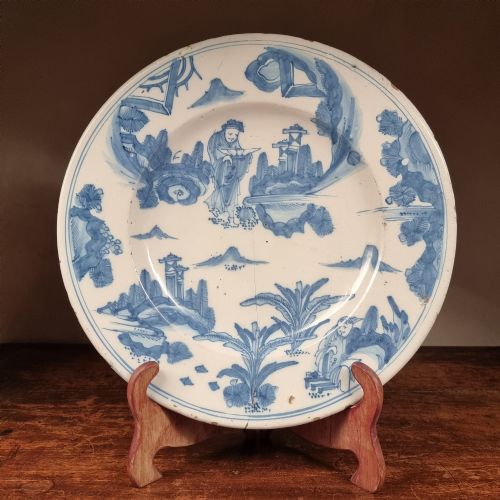
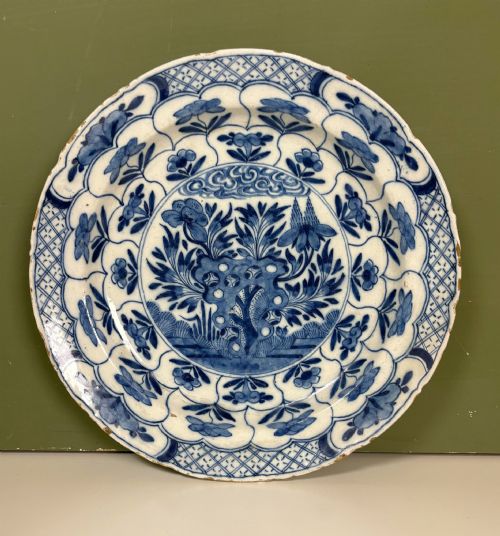
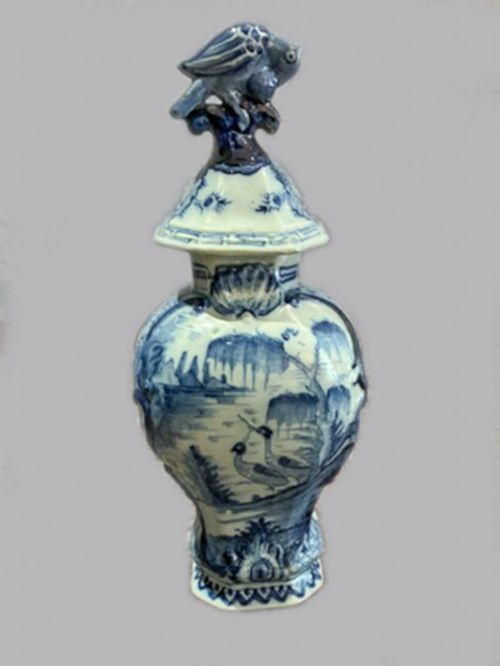
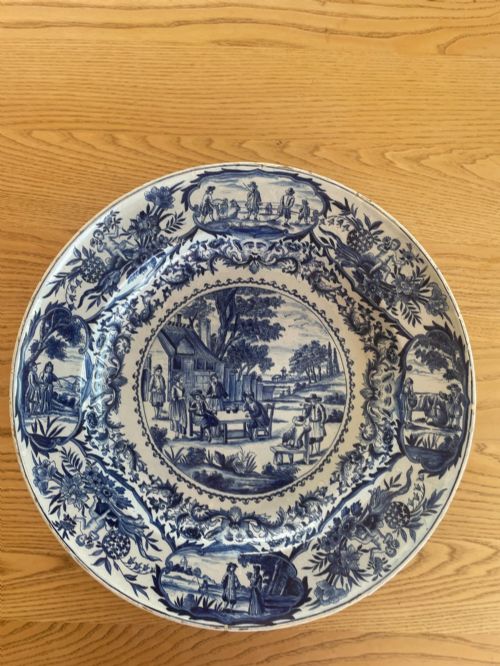
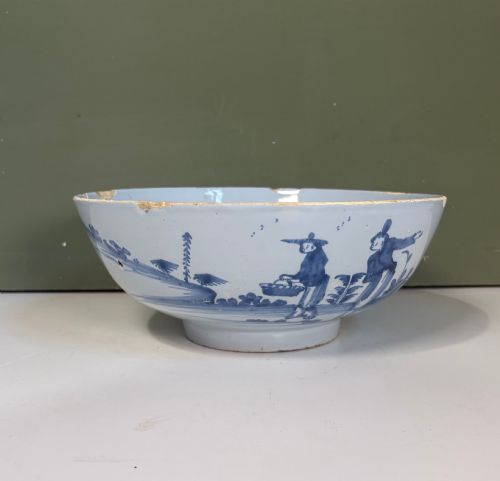
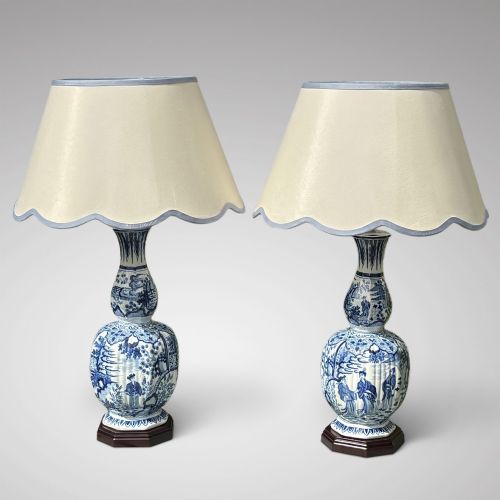
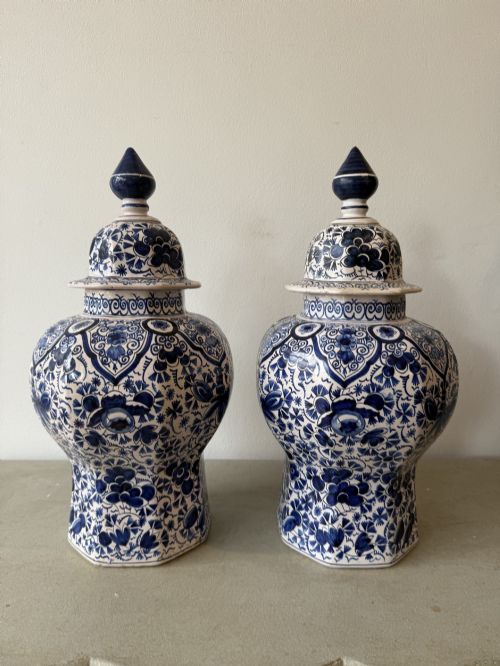
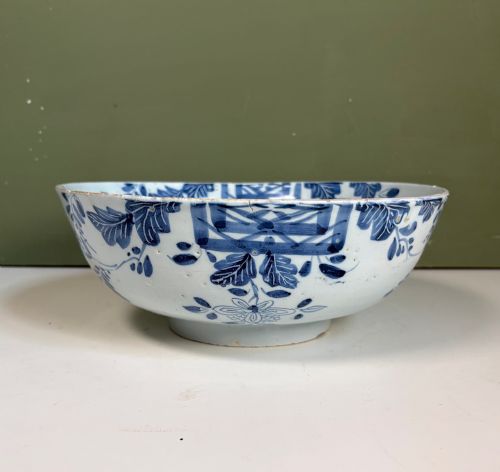
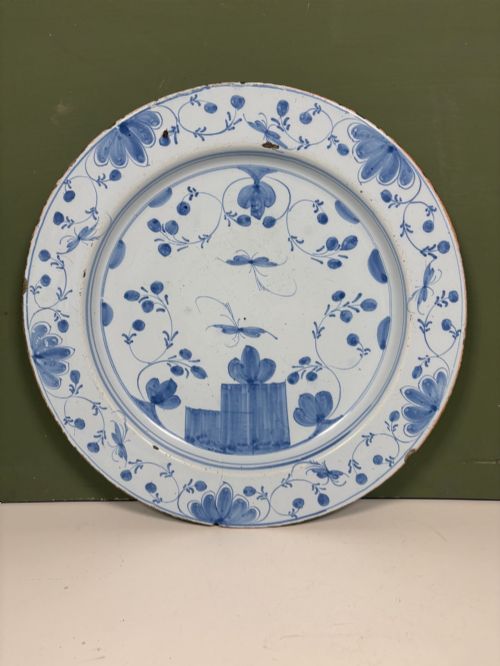
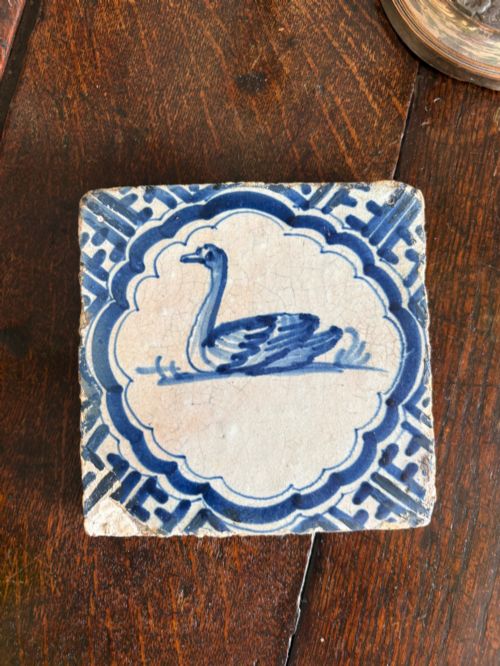
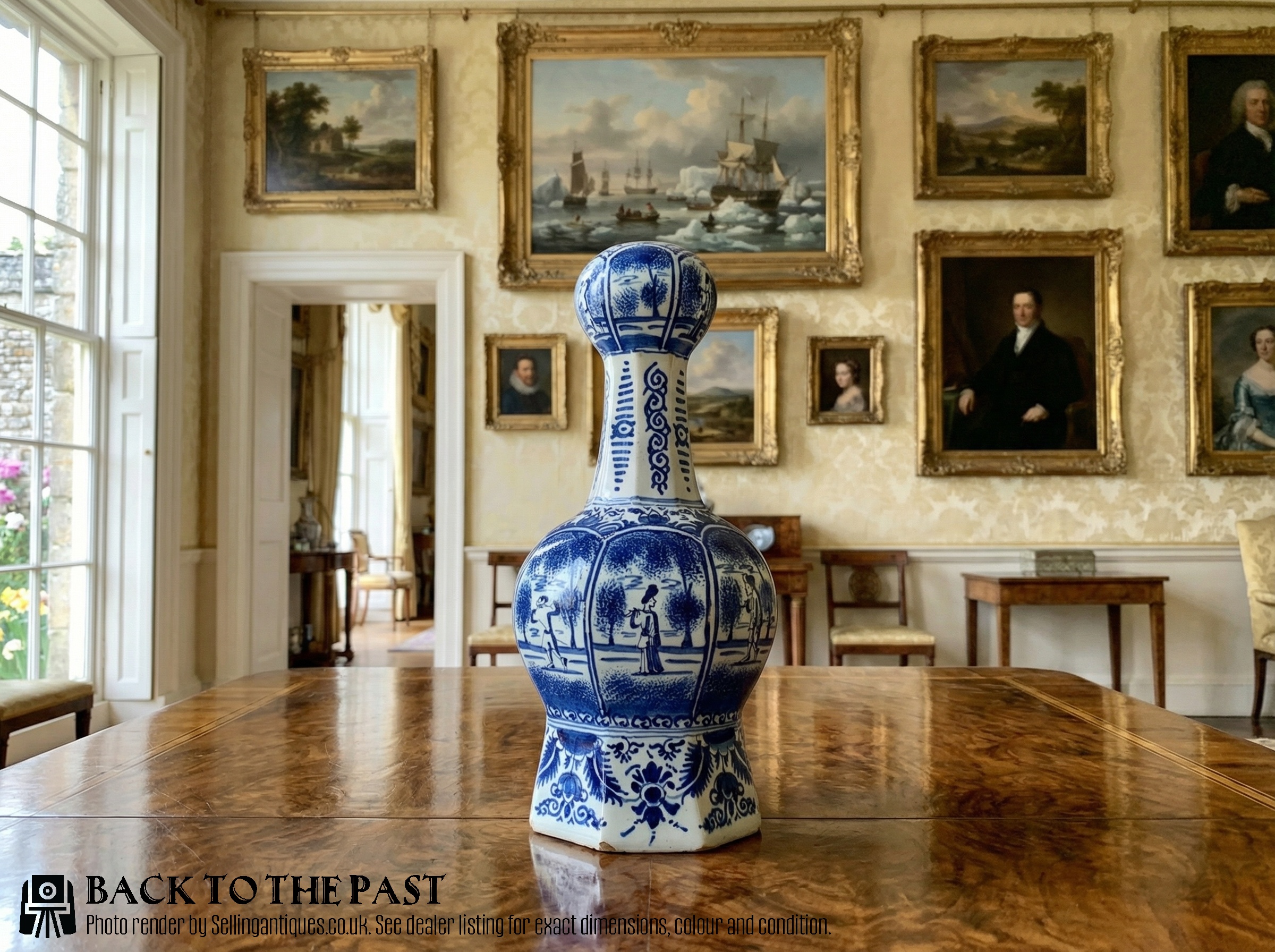
When you search for dutch blue white pottery, you encounter a range of tin-glazed earthenware objects spanning several centuries. The selection encompasses traditional forms such as lidded vases, chargers, inkstands, and converted table lamps.
The pieces present distinct historical styles, including seventeenth-century chinoiserie faience, eighteenth-century Delftware, and later nineteenth-century interpretations. These items reflect the enduring appeal of contrasting blue pigment on white tin glaze.
How they were made
The makers formed these objects from ceramic and earthenware, applying a tin glaze to create the opaque white surface required for painting. Cobalt pigment was then brushed onto the unfired or fired glaze to produce the characteristic blue decoration.
Later adaptations and displays incorporate additional materials such as gilt wood and handmade silk shades, particularly on pieces converted into table lamps.
Retail Price Guide 2026
Typical UK retail prices for dutch blue white pottery, calculated from the Sellingantiques database of over a million retail prices indexed since 2003. This retail price guide relies exclusively on Sellingantiques data; no external sources or auction records are used, so the figures do not describe the wider market.
Some nineteenth-century potters thoughtfully turned old vases into lamps, ensuring historic blue and white patterns could still illuminate a desk.
What varies in quality
Quality rests in the crispness of the cobalt painting and the depth of the tin glaze, where finer examples display confident brushwork and well-balanced chinoiserie motifs. The fidelity of the historical period, from seventeenth-century faience to later nineteenth-century production, also shapes the character of each piece.
Condition and originality dictate distinction, separating items preserved in their original form from those adapted later, such as vases mounted as lamps with gilt wood bases and silk shades.
The Dutch Blue White Pottery Glossary
- Tin-Glazed Earthenware
- Pottery coated with a glaze containing tin oxide to yield a white and opaque surface. This technique forms the foundation of traditional Delft production.
- Cobalt Pigment
- A metallic colorant applied to ceramic bodies or glazes to achieve a deep blue hue. It withstands high firing temperatures without losing intensity.
- Chinoiserie
- European decorative motifs imitating Chinese art and porcelain designs. This style heavily influenced seventeenth and eighteenth-century Dutch pottery.
- Faience
- European tin-glazed earthenware, particularly that made in the French, Dutch, and Italian traditions. The term often describes earlier or higher-status wares.
- Charger
- A large ornamental decorative dish intended for display on a wall or dresser rather than for dining use.
Frequently Asked Questions
Are these pieces waterproof?
Tin-glazed earthenware is porous by nature and historically served decorative or dry functional roles rather than holding water for long periods.
Using antique vessels for fresh flowers risks damaging the historic glaze and ceramic body over time.
How do I clean my pottery?
Dust surfaces gently with a soft, dry cloth to prevent accumulation without introducing moisture to older earthenware.
Avoid chemical cleaners and immersion in water, which can penetrate hairline cracks in the tin glaze.
Can I use antique lamps safely?
Converted pieces combine historical ceramic bodies with modern wiring, often featuring handmade shades and gilt wood bases.
Have a qualified electrician inspect older electrical components before regular use in your home.
How do I date these items?
Dating relies on stylistic markers such as chinoiserie motifs, glaze thickness, and form characteristics typical of seventeenth, eighteenth, or nineteenth-century production.
Examining the ceramic body and base reveals clues about manufacturing methods specific to different eras.