


Antique Chinoiserie Baluster Jar
An antique chinoiserie baluster jar brings hand-painted oriental scenery into a room through curved ceramic forms.
Antique Chinoiserie Baluster Jar
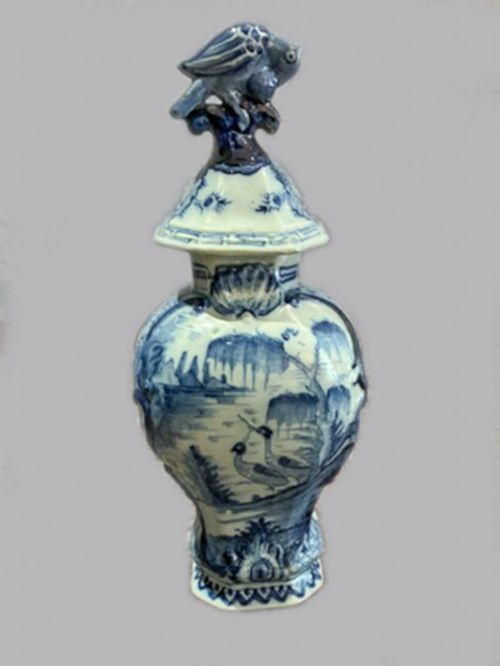
An antique chinoiserie baluster jar is a curved ceramic vessel decorated with European interpretations of East Asian scenes, frequently featuring birds, flowers, and figures. The form is wide at the shoulders and tapers towards the base, often finished with a fitted lid.
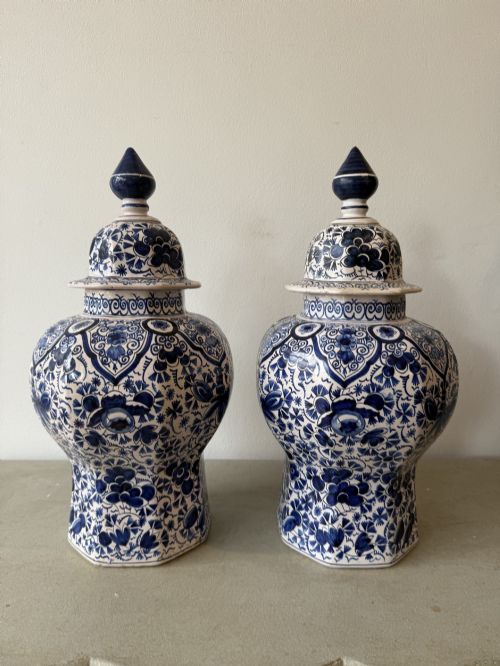
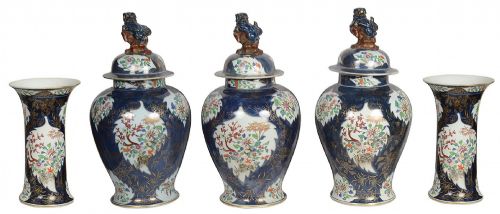
Buyers on this page meet pieces spanning multiple centuries, from seventeenth-century Dutch earthenware to nineteenth-century ironstone and porcelain. The selection includes individual lidded vases, pairs, garniture sections, and pieces later converted into table lamps.
The decorative styles range from blue and white Dutch delftware to polychrome famille rose and famille noire palettes. These objects reflect a long European fascination with Eastern design, executed through local materials and ceramic traditions.
What varies in quality
Quality rests in the crispness of the hand-painting and the fluidity of the brushwork across the curved body. Superior examples display confident detailing in the depiction of foliage, birds, and figures without stiffness.
The weight, purity of the ceramic body, and the depth of the glaze also separate finer pieces from standard production. Intact matching covers and well-preserved enamel colours elevate the standing of an individual jar or pair.
The Antique Chinoiserie Baluster Jar Glossary
- Baluster
- A vertical architectural form resembling a pillar, characterised by a rounded swell near the bottom and a narrow neck. In ceramics, it describes jars and vases sharing this curved silhouette.
- Chinoiserie
- The European interpretation and imitation of Chinese and East Asian artistic traditions, popular in decorative arts, furniture, and ceramics.
- Delftware
- Tin-glazed earthenware produced in the Netherlands, particularly in Delft, known for its white surface and blue painted decoration mimicking Chinese porcelain.
- Famille Rose
- A palette of opaque enamel colours dominated by pink or rose hues, introduced to Chinese porcelain production in the eighteenth century and widely copied in Europe.
- Garniture
- A set of matching vases or jars, typically three to five pieces, designed to be displayed together on a mantelpiece or cabinet top.
Antique Chinoiserie Baluster Jar: Frequently Asked Questions
How were baluster jars used originally?
These jars originally served as decorative ornaments or dry storage containers in affluent interiors during the seventeenth and eighteenth centuries. They often stood on mantelpieces, tables, or within specialised cabinetry alongside other ceramic forms.
Over time, many surviving jars were adapted into table lamps, incorporating electrical fittings while retaining their original ceramic bodies and painted decoration.
What is a garniture set?
A garniture set consists of three or more matching vessels designed to create a balanced decorative arrangement on a large surface. These sets typically include a mix of lidded jars and beaker vases of graduated heights.
Finding a complete, matching period garniture is uncommon because individual pieces often became separated or damaged over centuries of domestic use.
How do I care for an antique ceramic jar?
Antique ceramic jars require gentle dusting with a soft, dry cloth to prevent the accumulation of dirt on the glaze and painted surfaces. Avoid using liquid cleaners, abrasive pads, or chemical solvents, which can damage delicate enamels and historic glazes.
Keep pieces away from direct sunlight and areas subject to sudden temperature fluctuations to protect the underlying ceramic and any historic repairs.