


18th Century Covered Jar
An 18th century covered jar brings painted ceramic artistry into a room, offering both historical utility and striking display presence.
18th Century Covered Jar
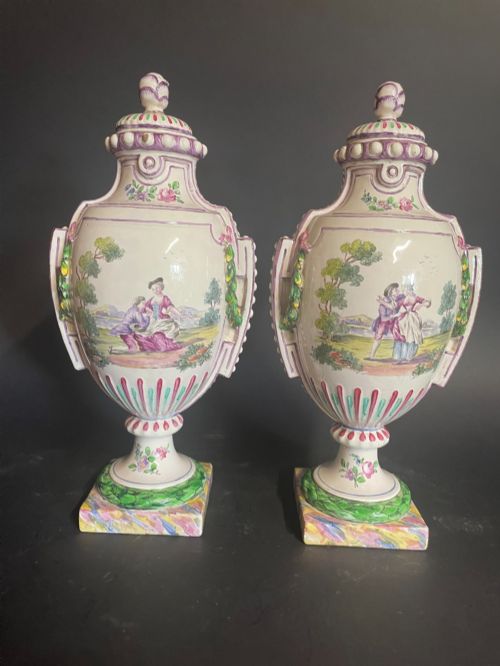
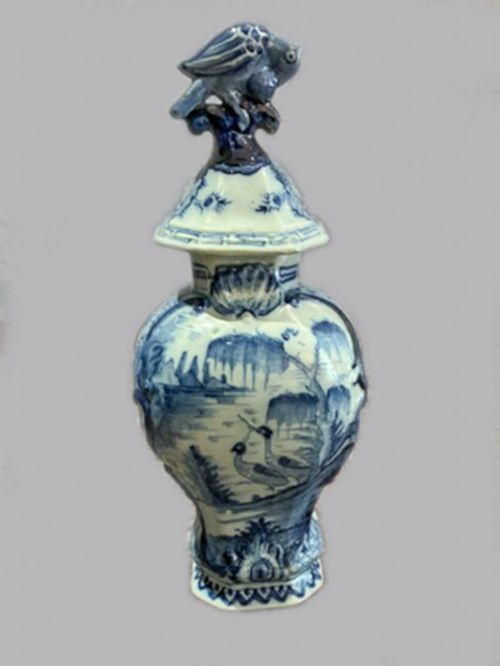
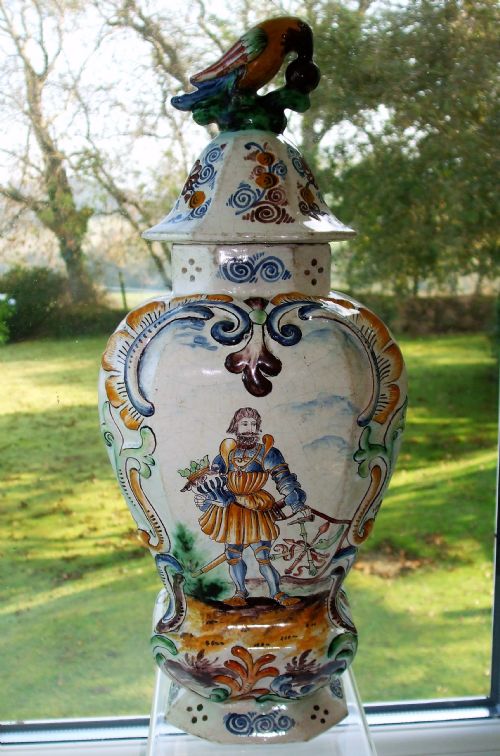
When searching for an 18th century covered jar, collectors encounter a diverse group of lidded vessels designed for storage, pharmacy use, or pure display. The selection spans earthenware and porcelain, reflecting the varied domestic and utilitarian needs of the period.
The objects take many forms, including handled urns, pharmacy wet drug jugs, sugar bowls, condiment pots, and large Delft vases with matching lids. Dutch Delftware and Japanese Arita Imari porcelain feature prominently among the available shapes.
Origins stretch across European workshops and Asian kilns, encompassing Dutch, Italian, French, and Japanese traditions. Styles range from Dutch Baroque and French Rococo to Edo period Imari designs.
How they were made
Potters shaped these jars using earthenware and soft-paste porcelain, applying tin glaze or pigment to create smooth white or coloured surfaces for subsequent painting. Many European examples rely on tin-glazed earthenware and faience, while others utilise delicate porcelain bodies.
Decoration was applied by hand, often featuring polychrome pigments under or over the glaze to achieve rich floral, architectural, or figurative motifs. Lids were potted to fit specific vessel necks, maintaining the silhouette of the jar.
Materials represented include tin-glazed earthenware, faience, soft-paste porcelain, and pigment.
What varies in quality
The distinction between ordinary and exceptional pieces lies in the crispness of the hand-painted detail and the harmony of the glaze colours. Finer examples display confident brushwork and well-balanced proportions across both jar and cover.
Survival of the original matching lid significantly elevates the integrity of a piece. The quality of the ceramic body and the sophistication of the regional style, whether Italian Baroque or Dutch Delft, also shape the distinction.
The 18th Century Covered Jar Glossary
- Tin-Glazed Earthenware
- Pottery covered with a lead glaze made opaque by the addition of tin oxide. This white surface provided a smooth ground for painted decoration.
- Sucrier
- A small covered sugar bowl designed for the tea table. These vessels form part of the refined ceramic repertoire of the period.
- Arita Imari
- Japanese porcelain made in the town of Arita and exported through the port of Imari. It is typically characterised by blue, iron-red, and gilt decoration.
18th Century Covered Jar: Frequently Asked Questions
How were pharmacy jars used?
Apothecary jars and drug jugs held medicinal syrups, dried herbs, and chemical compounds in working dispensaries. Their clear labelling prevented errors among practitioners.
Over time, these utilitarian vessels transitioned into decorative objects prized for their hand-painted inscriptions and historical resonance.
Are lids usually original?
Finding a jar with its matching original cover remains a key consideration for collectors. Many lids suffered breakage or separation over centuries of domestic use.
When a jar and cover share identical glaze characteristics and wear patterns, the pairing increases the historical completeness of the piece.
How do I clean an old ceramic jar?
Dusting with a dry, soft cloth is generally sufficient for maintaining glazed ceramic surfaces. Avoid immersing porous historical earthenware in water, especially if hairline fractures are present.
Harsh chemical cleaners will strip fragile pigments and ruin historic glazes. Professional conservation advice should be sought for soiled pieces.
What is the difference between Delft and Imari?
Delftware originates from Dutch and European workshops, featuring tin-glazed earthenware painted predominantly in blue or polychrome palettes. The aesthetic leans toward European Baroque and domestic scenes.
Imari porcelain comes from Japan, utilising hard-paste ceramic bodies with distinct iron-red, underglaze blue, and gilt motifs typical of the Edo period.