

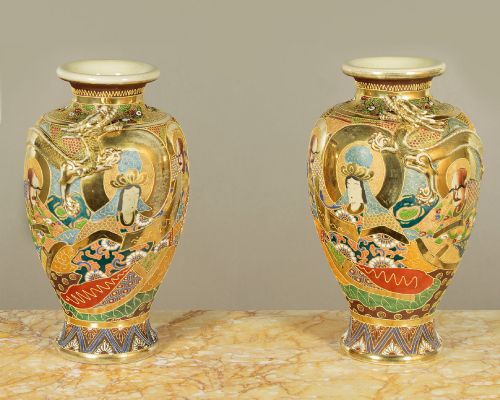
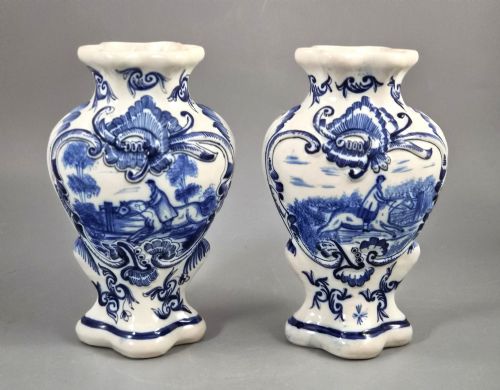
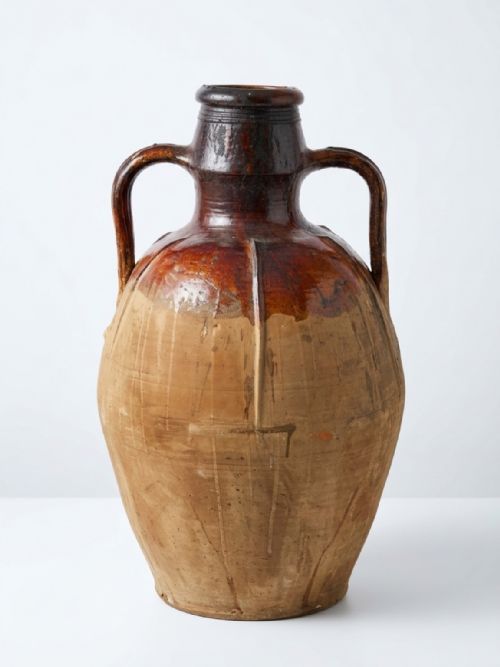
Antique Earthenware Urn
An antique earthenware urn brings sculptural form to a room, drawing the eye with layered glaze and historic clay.
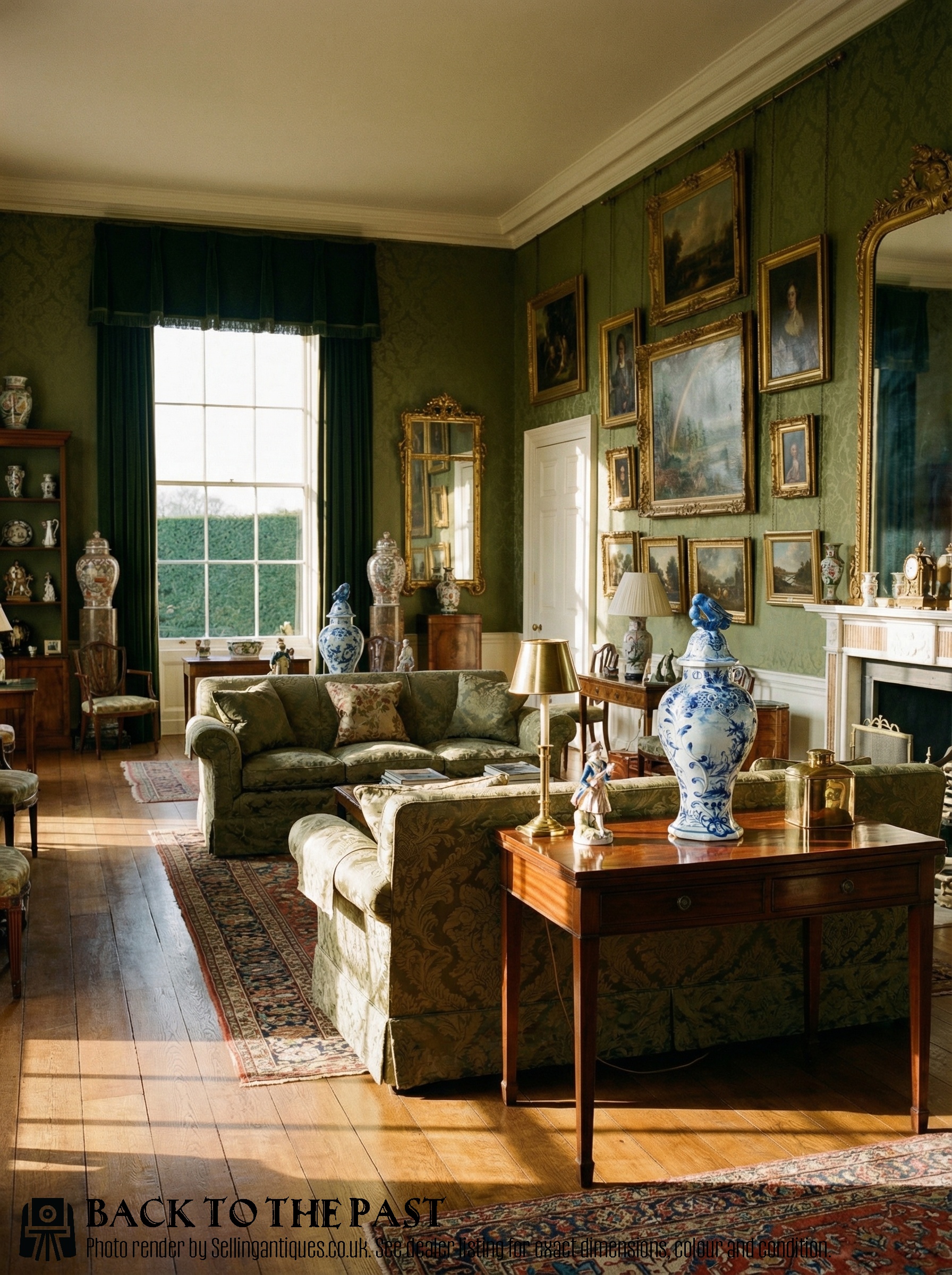
Antique Earthenware Urn
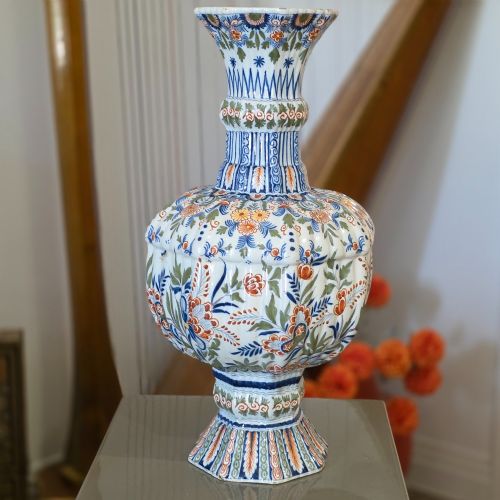
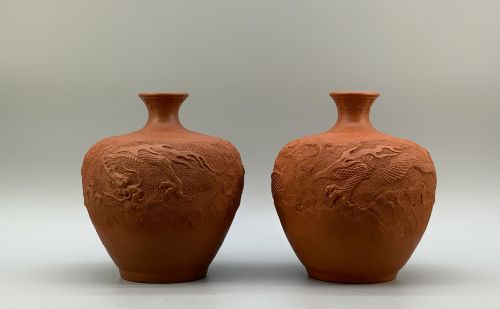
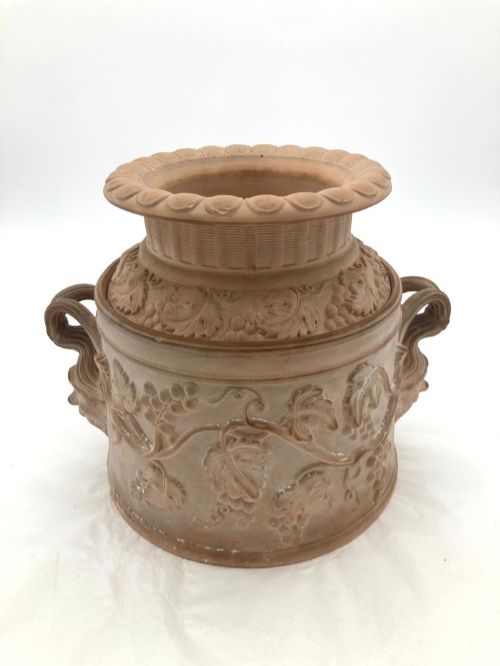
The term antique earthenware urn covers a diverse group of ceramic vessels, ranging from garden jars and wine coolers to cabinet vases produced across Europe and Japan. Buyers exploring this category frequently encounter vessels shaped from porous clay bodies, finished with tin glaze, enamel, or rich surface gilding.
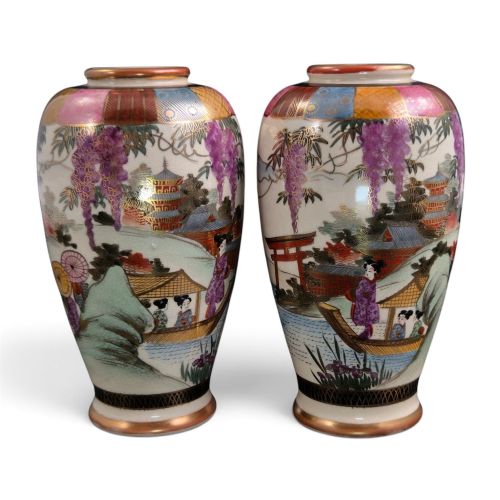
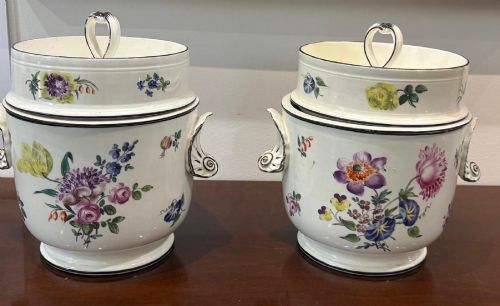
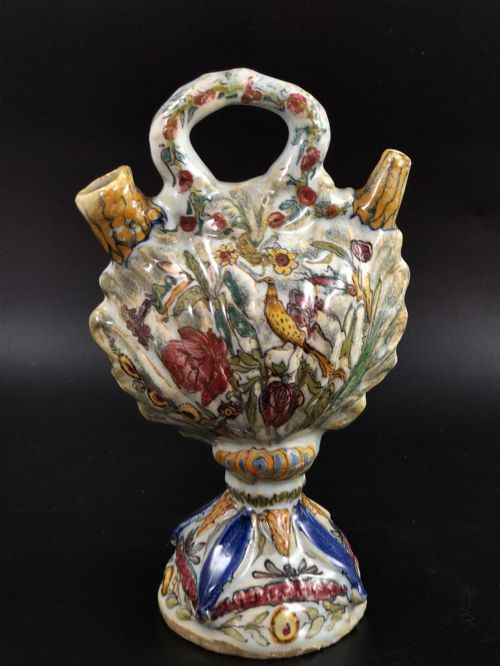
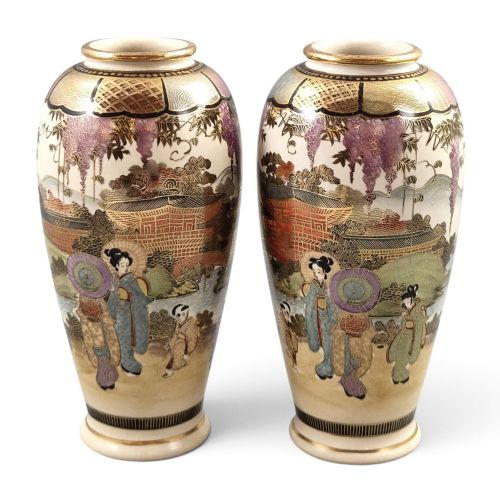
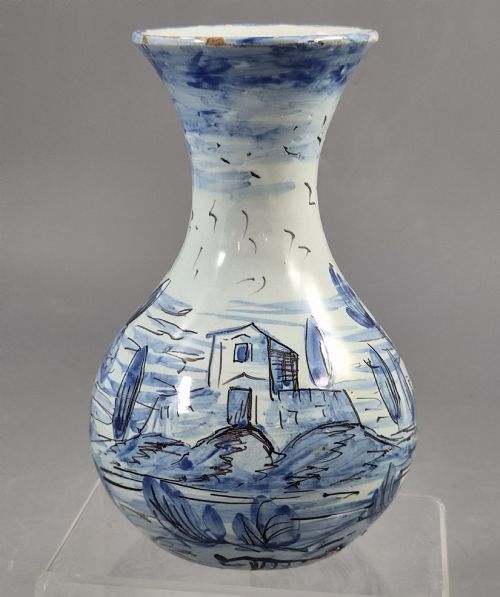
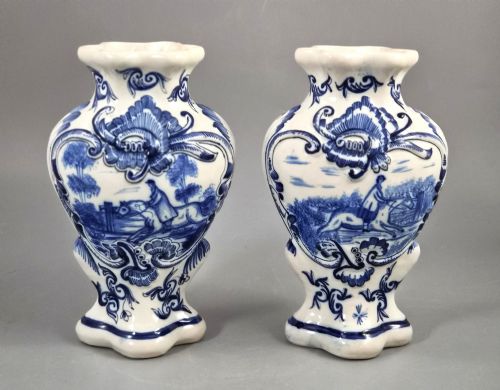
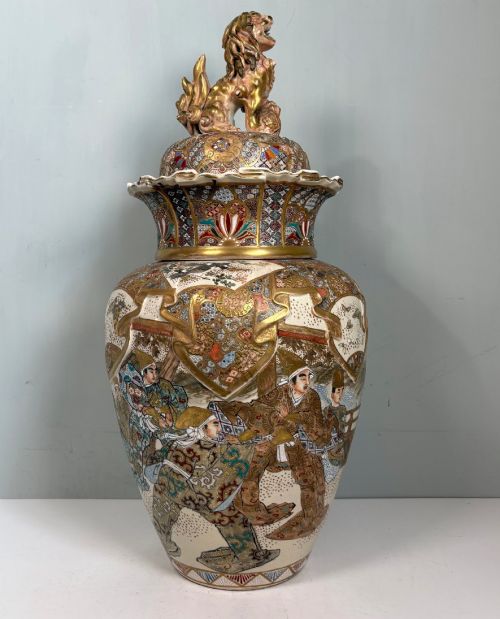
The selection on this page bridges several centuries of ceramic tradition, featuring pieces from the 18th century through the 1930s. Japanese Satsuma wares and Dutch Delftware sit alongside English creamware and French faience, demonstrating how different cultures utilised porous clay for decorative and functional display.
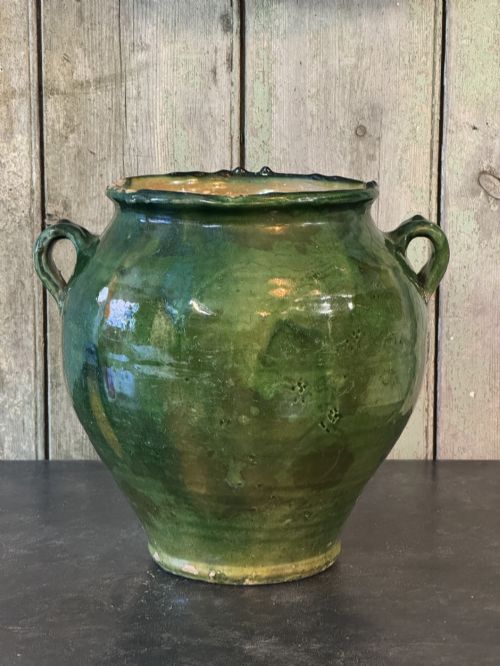
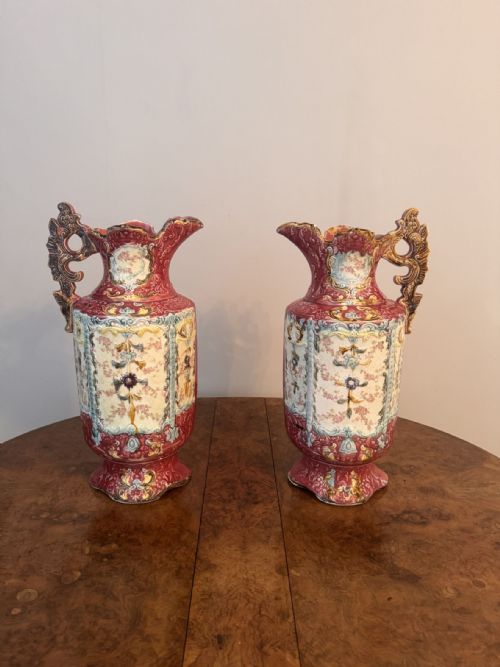
Forms vary from lidded garden urns and handled oil pots to classical pilgrim flasks and monumental wine jars. Many examples arrive in matched pairs, reflecting the formal interior arrangement preferences of the Victorian era and the preceding centuries.
Materials and production methods
Makers shaped these vessels from clay bodies such as terracotta, red clay, and creamware, often applying tin glaze or enamel to seal and decorate the porous material. Potters then fired the pieces in kilns before adding hand-painted pigments, gold leaf, or slip decoration.
Techniques varied by region, with English potteries focusing on creamware ice pails, while European faience and majolica workshops employed opaque tin-glazed surfaces to receive intricate polychrome painting. Japanese makers working in Satsuma utilised fine ceramic bodies finished with delicate enamel work and gilding.
Materials represented include tin-glazed earthenware, terracotta, creamware, and gold leaf applied to ceramic bodies.
Assessing quality in earthenware urns
Quality rests upon the crispness of the modelled form and the skill executed in the hand-painted decoration. Finer pieces display confident brushwork, precise gilding, and well-balanced proportions that mark the output of established workshops rather than mass production.
The integrity of the glaze and the preservation of the underlying clay body dictate the standing of a piece. Urns retaining their original covers, clear workshop signatures, and unclouded enamel colours command greater appreciation among collectors.
Davenport·Cantagalli·Fourmaintraux-Courquin·Doulton Lambeth·Kinkōzan·Hotoda·Shozan·Maruni Kobe
The Antique Earthenware Urn Glossary
- Earthenware
- Porous pottery fired at lower temperatures than stoneware or porcelain. It requires a glaze to hold liquids and forms the structural base for majolica and faience.
- Tin-Glaze Earthenware
- Pottery coated with a white, opaque glaze containing tin oxide. This surface provides a smooth canvas for painted pigments.
- Majolica
- Tin-glazed earthenware decorated with colourful metallic oxide pigments. The style originated in Italy and saw significant revivals during the 19th century.
- Faience
- European tin-glazed pottery produced extensively in France and the Netherlands. It encompasses both blue-and-white Delft wares and polychrome cabinet pieces.
- Creamware
- A refined, pale yellow earthenware developed in England during the 18th century. It offers a lighter and thinner body than traditional red clays.
- Satsuma
- Japanese earthenware pottery featuring a crackled ivory glaze and detailed hand-painted enamel and gold decoration. It became widely exported during the Meiji period.
Antique Earthenware Urn: Frequently Asked Questions
How were antique earthenware urns used?
These vessels served both practical and decorative functions in historic interiors. Many acted as wine coolers, ice pails, or oil pots before transitioning into purely ornamental garden urns and mantelpiece displays.
Larger scaled examples were placed in hallways or gardens to hold plants, while smaller lidded jars and vases functioned as decorative accents in reception rooms.
How do I distinguish Majolica from Faience?
Majolica typically refers to tin-glazed earthenware with bright, highly polychrome relief decoration inspired by Italian Renaissance styles. The term often describes 19th-century European pieces featuring vibrant, glossy mineral glazes.
Faience more commonly describes tin-glazed pottery from France and the Netherlands, which frequently showcases blue-and-white painting or soft floral motifs influenced by Delft traditions.
Can antique earthenware urns hold water?
Many historic earthenware pieces are slightly porous due to the low-firing temperatures of the clay body. Even with tin glazes or interior finishes, micro-fissures can develop over centuries of age.
It is generally advisable to place a discreet glass or plastic liner inside an antique urn if you intend to display fresh flowers with water.
How do I identify Satsuma pottery?
Satsuma wares are characterised by a distinctive fine-grained, cream-coloured earthenware body covered in a finely crackled transparent glaze. Artisans decorated these surfaces with detailed hand-painted enamels and gold leaf.
Look for traditional Japanese motifs such as wisteria, landscapes, and figures, alongside artisan signatures painted on the base.