

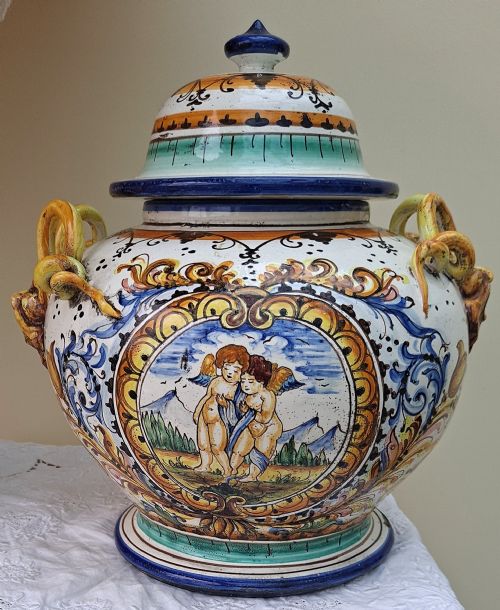
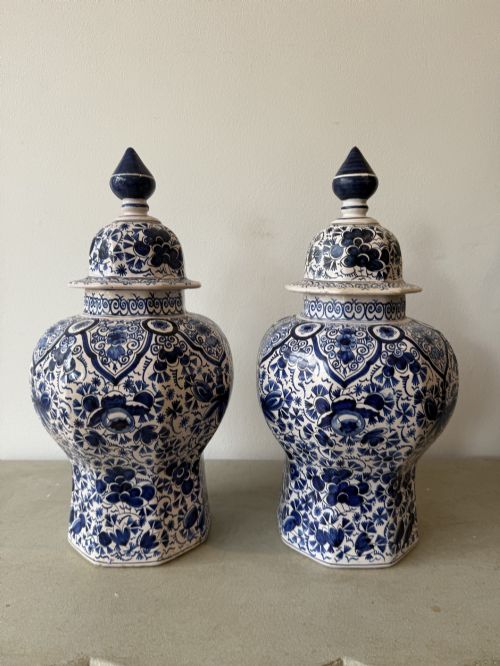


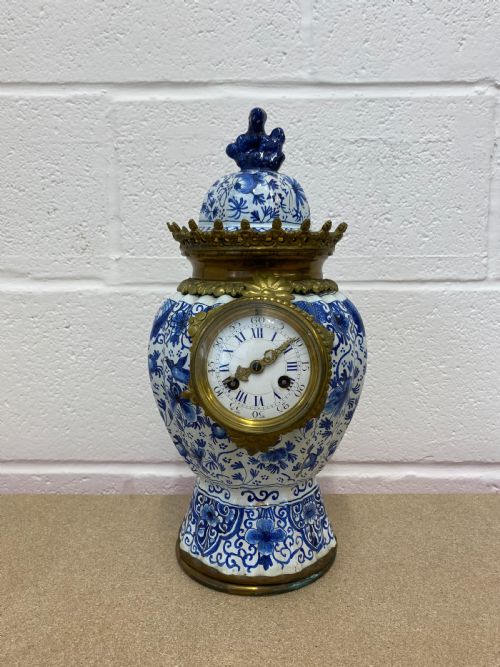


Tin Glazed Lidded Urn
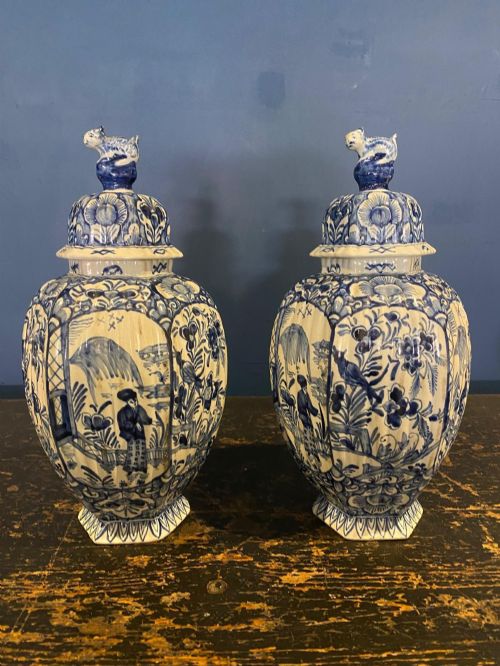
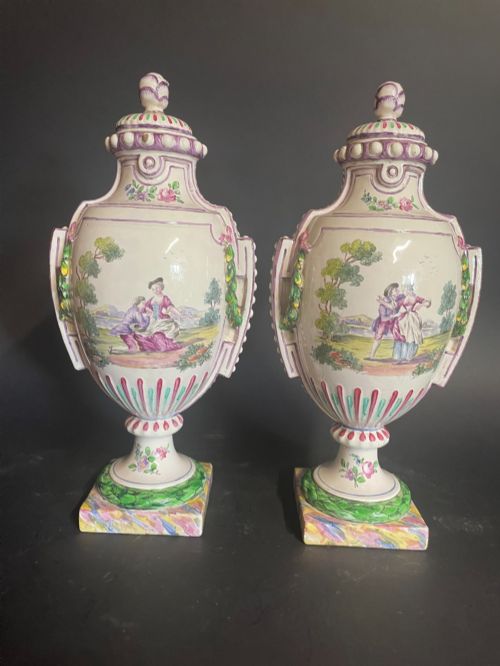
These tin glazed lidded urn pieces bring distinctive Dutch, French, and Italian earthenware vessels into your home.
Tin Glazed Lidded Urn
A tin glazed lidded urn is a covered vessel shaped for display or storage, appearing across the eighteenth and nineteenth centuries in various forms. You will frequently encounter Dutch Delftware, French faience, and Italian maiolica among these listings.
The objects take the form of vases, jars, and handled urns, often featuring a matching lid. Most pieces reflect regional styles such as Dutch Baroque, French Rococo, or Renaissance Revival.
Makers produced these works using earthenware and terracotta, finished with an opaque tin glaze. The selection ranges from domestic storage jars to grand decorative vases.
Construction and materials
Potters shaped earthenware and terracotta bodies on the wheel or in moulds to form the vases and jars. They applied an opaque tin glaze to the clay surface to create a smooth white ground for painting.
Some pieces incorporate brass fittings alongside the ceramic body and lid. Artisans painted pigments directly onto the unfired or fired glaze before a final kiln firing fixed the colours.
Tin Glazed Lidded Urn Retail Price Guide 2026
Typical asking prices for tin glazed lidded urn among the pieces listed under this phrase on Sellingantiques today, from the lower quarter to the upper quarter. They describe what is for sale here now, not the wider market.
One stubborn lid insists on staying put with its original ceramic companion after centuries of separation.
Factors that distinguish quality
Quality depends on the crispness of the hand-painted decoration and the balance of the vessel form. Finer pieces display confident brushwork and well-proportioned lids that fit the collar precisely.
The richness of the tin glaze and the complexity of the regional style, such as French Rococo or Dutch Baroque modelling, separate standard production from superior examples.
Sceaux Faience
The Tin Glazed Lidded Urn Glossary
- Tin-Glazed Earthenware
- Earthenware pottery covered with a lead glaze made opaque by the addition of tin oxide. This surface provided a white background for painted decoration.
- Faience
- European tin-glazed earthenware, particularly associated with French production. The term encompasses both decorative urns and utilitarian jars.
- Maiolica
- Italian tin-glazed earthenware notable for colourful painted designs. Nineteenth-century examples often revive Renaissance styles.
- Delftware
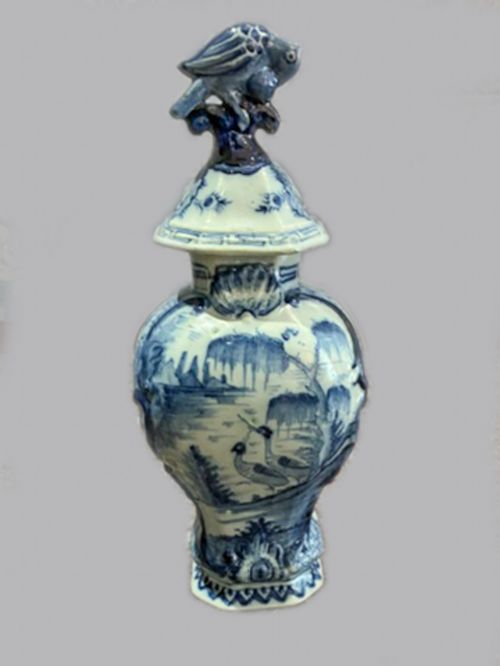
- Tin-glazed earthenware made in the Netherlands, famous for blue and white or polychrome palettes. Pieces include lidded vases and tobacco jars.
- Polychrome
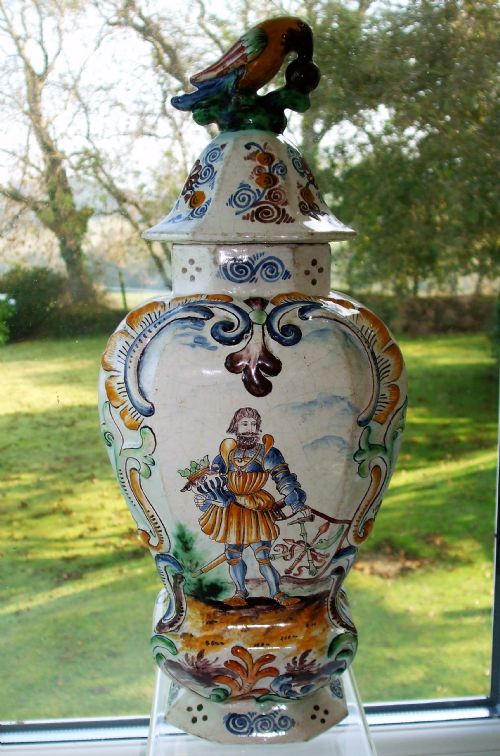
- Decoration employing multiple colours rather than a single hue. Such palettes appear on Dutch and Italian lidded vases.
Tin Glazed Lidded Urn: Frequently Asked Questions
What is a tin glazed lidded urn?
It is a ceramic vessel with a cover, finished with an opaque white tin glaze. These objects served as decorative vases, storage jars, and tobacco containers.
They reflect historical traditions from Dutch, French, and Italian workshops across the eighteenth and nineteenth centuries.
How were these urns used historically?
Many functioned as display pieces on mantelpieces or cabinets within domestic interiors. Others, such as jars, held dry goods or tobacco.
Their decorative lids kept contents secure while adding height and symmetry to the vessel silhouette.
How do I care for tin glazed earthenware?
Keep these ceramic vessels away from direct sunlight and extreme temperature fluctuations. Dust them gently with a dry, soft cloth.
Avoid using water or liquid cleaners, as moisture can penetrate old glaze crackle or damage the earthenware body.
How can I tell Dutch delft from Italian maiolica?
Dutch delft often relies on blue and white painting or specific polychrome floral motifs. Italian maiolica frequently displays Renaissance Revival or Rococo styling with heavier modelling.
Examining the palette and glaze characteristics helps identify the regional origin.