





Terracotta Storage Vessel
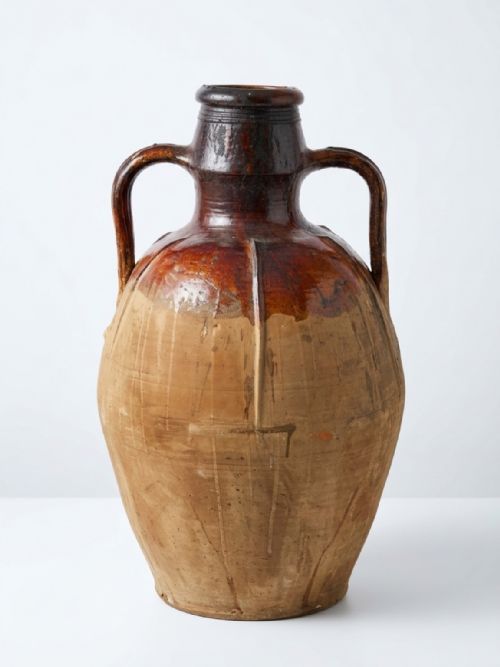
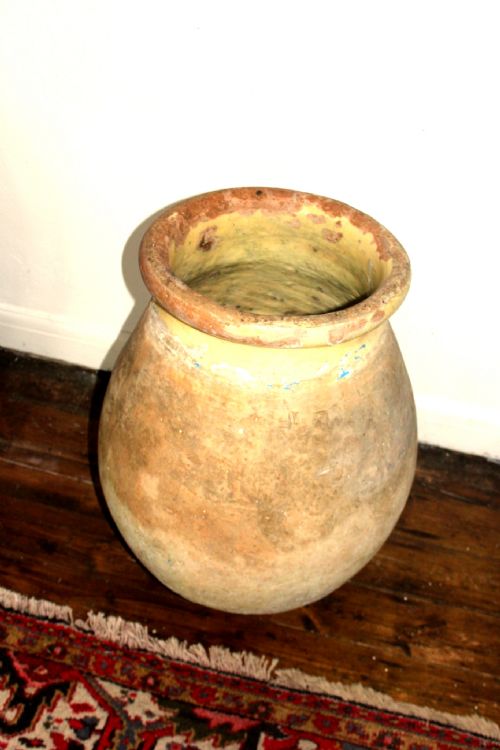
These terracotta storage vessel pieces are heavy earthenware jars and pots meant for oil, wine, and olives, prized for their weathered surface and rustic presence in a modern home.
Terracotta Storage Vessel
A terracotta storage vessel is a heavy earthenware container originally built for practical farm use, most frequently seen here as large French confit pots, Italian wine jars, and Mediterranean olive jars. These forms date primarily from the nineteenth century, including Victorian examples and older eighteenth-century walnut oil jugs.
Buyers seeking a terracotta storage vessel will find garden urns, planters, and decorative vessels alongside traditional handled jars. Many pieces show regional origins across France, Italy, Portugal, and England, often reflecting rustic Mediterranean and French provincial styles.
How they were made
These vessels are formed from natural clay and earthenware, shaped by hand or on early wheels before being fired in kilns. Many retain their porous, unglazed surface, whilst others feature traditional green glaze or painted finishes applied to the exterior.
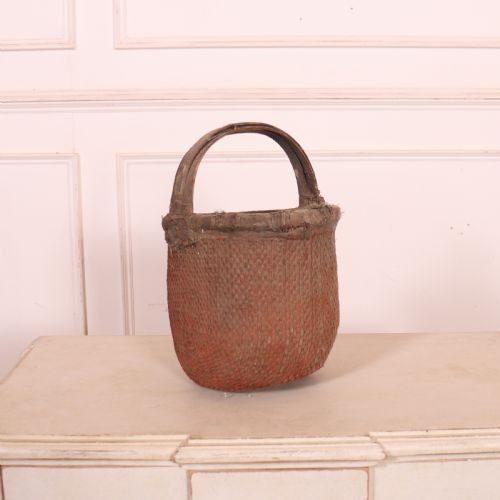
Several utilitarian pieces incorporate supplementary materials like wrought iron stands, wood, or wicker baskets. The natural interaction between the fired clay and centuries of use creates the distinct aged patina found on these pots.
Terracotta Storage Vessel Retail Price Guide 2026
Typical asking prices for terracotta storage vessel among the pieces listed under this phrase on Sellingantiques today, from the lower quarter to the upper quarter. They describe what is for sale here now, not the wider market.
Materials span terracotta, earthenware, glaze, clay, and paint, occasionally combined with wrought iron stands, wood, and wicker.
What varies in quality
The quality of a terracotta storage vessel lies in the depth of its weathering and the harmony of its proportions. Pieces with an honest, undisturbed surface patina and intact original glazes stand apart from those with uniform or overly restored finishes.
Historical evidence of use, such as old repair staples, maker marks, or distinct regional throwing lines, adds character. The distinction rests on the authenticity of the ageing process rather than mechanical perfection.
The Terracotta Storage Vessel Glossary
- Terracotta
- A porous, fired clay body ranging in colour from pale buff to deep reddish-brown. It is the primary material for unglazed garden pots and storage jars.
- Confit pot
- A traditional French earthenware jar featuring handles, often partially glazed, originally utilised for preserving meats and fats. They are staples of nineteenth-century French country interiors.
- Earthenware
- Pottery fired at lower temperatures that remains porous unless glazed. Most antique storage vessels are constructed from this robust material.
- Patina
- The surface texture, wear, and coloration acquired by clay and glaze over decades of exposure and handling. It is a key indicator of age and authenticity.
- Olive jar
- A bulbous storage container built with a heavy body and a narrow neck to transport and store oil. These form a major category of Mediterranean country vessels.
Terracotta Storage Vessel: Frequently Asked Questions
How were terracotta storage vessels used originally?
These large vessels served practical agricultural and domestic purposes across Europe, holding bulk supplies of olive oil, wine, grain, and preserved foods. Their thick clay walls helped maintain a stable internal temperature for perishable goods.
Over time, many transitioned from farm utility to decorative garden and interior storage use. Their sturdy construction made them ideal for withstanding heavy daily use in cellars and courtyards.
Can I use antique terracotta pots outdoors?
Many nineteenth-century jars and planters were designed for garden use, but older or more porous earthenware requires care during freezing winter weather. Trapped moisture inside the clay body can expand and cause the vessel to crack when temperatures drop below zero.
It is safest to move unglazed pots indoors or under cover during harsh frosts. Lining the interior and ensuring proper drainage helps protect the historical material.
How do I clean a dusty antique jar?
Dust and surface dirt are best removed using a dry, soft-bristled brush or a slightly damp cloth without harsh detergents. Because antique terracotta and historic glazes can be porous and fragile, harsh scrubbing risks damaging the aged patina.
Allow the clay to dry naturally after gentle cleaning. Avoid soaking unglazed pieces in water, as old earthenware can absorb moisture and take days to dry out fully.
How can I tell the difference between French and Italian pots?
French confit pots and oil jars often display characteristic regional glazes, such as rich greens or yellows applied strictly to the upper half of the vessel. They tend to feature distinctive lug handles designed for tipping and lifting.
Italian wine and olive jars frequently present larger, unglazed terracotta surfaces with robust wheel-thrown lines and heavier rims. Examining the specific clay colour and handle placement usually reveals the country of origin.