



Rustic Terracotta Amphora
These rustic terracotta amphora vessels bring tactile Mediterranean warmth and sculptural utility to interiors and gardens.
Rustic Terracotta Amphora
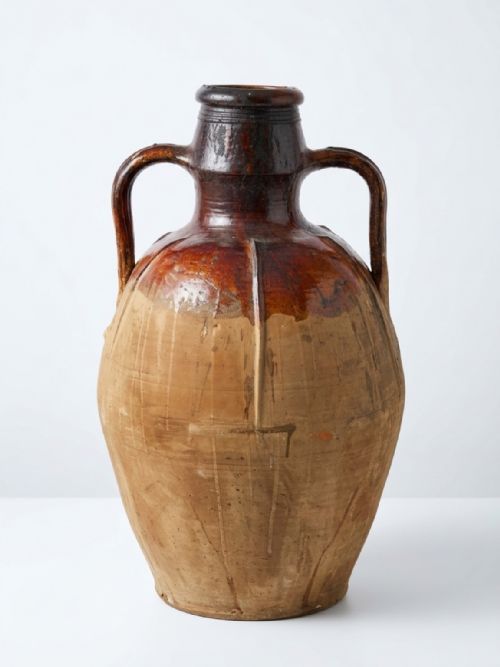
When searching for a rustic terracotta amphora, collectors encounter substantial earthenware jars, oil jugs, and water pots originating from Mediterranean regions such as Italy, France, Turkey, and Portugal. These vessels were historically utilised for storing and transporting wine, olive oil, and water in domestic and agricultural settings.
The pieces available on this page predominantly span the eighteenth and nineteenth centuries, including Victorian examples and early twentieth-century finds up to nineteen-twenty. Forms range from large multi-handled olive jars and painted pottery vessels to garden urns mounted on wrought iron stands.
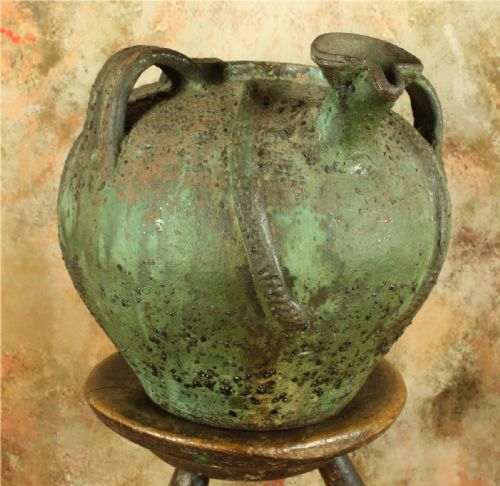
Buyers will find both unglazed earthenware and glazed terracotta variations, some retaining traces of lime wash or historic painted finishes. These objects function effectively as statement decorative vessels, garden planters, or standalone sculptural pieces.
How rustic terracotta amphora items were made
These vessels are fashioned from local clay and terracotta, shaped into robust utilitarian forms designed to withstand heavy daily agricultural use. Potters constructed them using traditional throwing or coiling methods before firing the earthenware in kilns to achieve durability.
Surface treatments recorded in the listings include ceramic glaze, lime wash, and applied paint, which protected the porous clay and added decorative character. Many large oil jars and amphorae also incorporate wrought iron stands or multiple functional handles for lifting and support.
Rustic Terracotta Amphora Retail Price Guide 2026
Typical asking prices for rustic terracotta amphora among the pieces listed under this phrase on Sellingantiques today, from the lower quarter to the upper quarter. They describe what is for sale here now, not the wider market.
The inventory encompasses French, Italian, Turkish, and Portuguese origins, spanning styles from Mediterranean folk art to country rustic.
What varies in quality
Quality in these earthenware vessels rests upon the harmony of proportion, the character of the aged surface, and the integrity of the form. Pieces featuring multiple handles, intact stands, or untouched historical finishes display greater visual complexity.
The distinction between standard utility items and finer examples lies in the depth of the patination, the presence of original paint or lime wash, and the boldness of the vessel's silhouette.
The Rustic Terracotta Amphora Glossary
- Amphora
- A two-handled ancient jar with a narrow neck used for oil or wine storage. In later contexts, the term describes large Mediterranean storage vessels.
- Terracotta
- Fired unglazed clay of a brownish-red colour. This material forms the primary body of these traditional vessels.
- Earthenware
- Porous pottery fired at relatively low temperatures. It requires glazing or lime wash if used to hold liquids securely.
- Lime Wash
- A traditional coating made from slaked lime and water applied to exterior surfaces. It provides a breathable white or chalky finish on historical pots.
- Patina
- The surface appearance altered by age, wear, and weathering. Collectors value this textural depth as evidence of authentic history.
Rustic Terracotta Amphora: Frequently Asked Questions
What were amphorae used for historically?
These large earthenware vessels served primarily for the storage and transport of essential commodities like olive oil, wine, and water across Mediterranean households and farms. Their robust forms and thick walls kept contents cool and secure.
Over time, many of these utilitarian jars transitioned into garden ornaments and decorative architectural elements, prized for their imposing scale and sculptural presence.
How do I date an antique amphora?
Dating relies on examining the clay body, manufacturing marks, tool signatures, and any surviving surface treatments such as early paint or lime wash. Eighteenth and nineteenth-century examples often display irregular hand-thrown characteristics distinct from later mass production.
Contextual clues like accompanying wrought iron stands or specific regional forms also help narrow the period of origin between the seventeen-hundreds and nineteen-twenty.
Can these vessels be kept outside?
Most terracotta and earthenware oil jars suit garden display, but porous clay requires care during freezing winter conditions. Water absorbed into the fabric can expand and crack the vessel when temperatures drop below freezing.
Protecting the pots under cover or draining them thoroughly during winter months preserves the integrity of the historic material.
Why do some jars have multiple handles?
Multiple handles on olive jugs and wine jars facilitated safe lifting, tilting, and roping during transport on agricultural carts and ships. Vessels featuring three handles provided secure grip points for workers handling heavy loads of oil or water.
Today, these functional additions contribute significantly to the decorative asymmetry and visual interest of the pieces.