




Weathered Terracotta Pot
These weathered terracotta pot examples bring tactile warmth to gardens and interiors, combining porous clay bodies with rich patination built up over decades.
Weathered Terracotta Pot
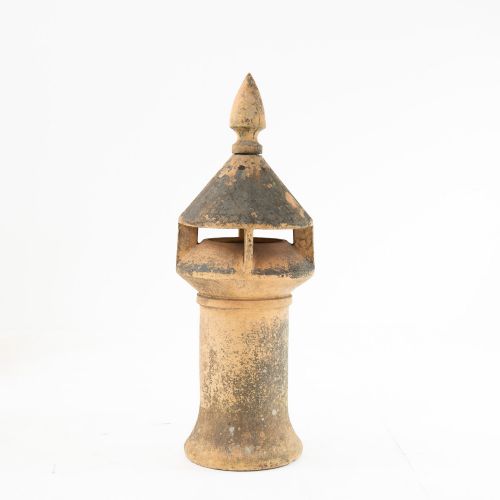
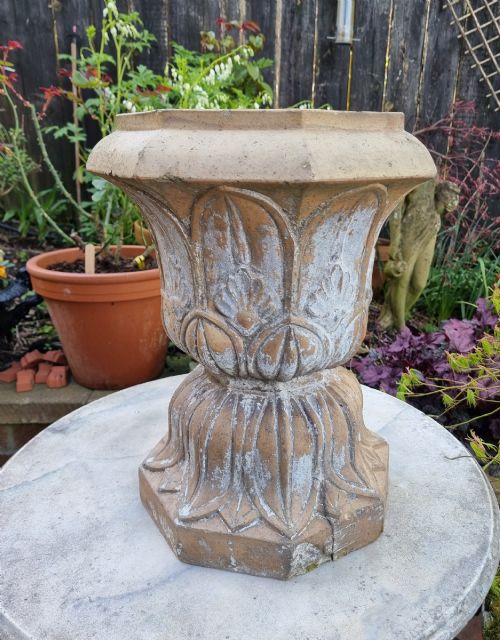
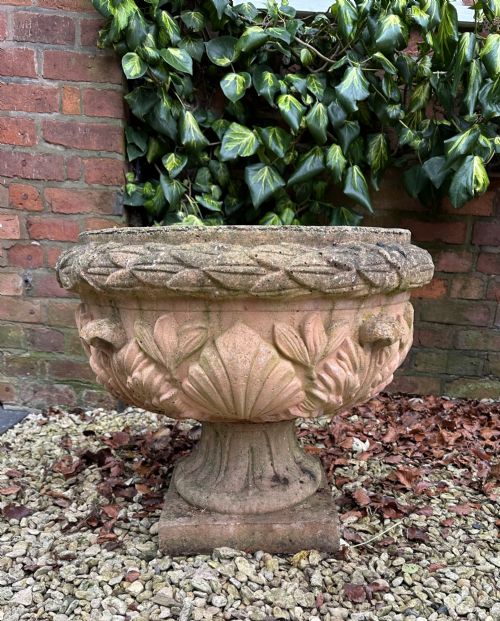
When you search for a weathered terracotta pot, you encounter an array of garden urns, oil jars, amphorae, and chimney pots shaped from porous earthen clays. These pieces span the nineteenth century through the early twentieth century, carrying the marks of prolonged exposure to the elements.
The selections available here lean heavily toward large garden planters, rustic olive jars, and campana urns. Many reflect Victorian taste alongside Mediterranean country and rustic farmhouse styles.
Origins range across British workshops, Scottish yards, and Mediterranean production centres, offering substantial forms designed originally for utilitarian garden or architectural service.
How they were made
Potters shaped these objects from earthenware, terracotta, and buff clay, often throwing large vessels on heavy wheels or forming them in multiple sections before firing. The resulting porous bodies allowed moisture to breathe through the walls, which contributes directly to the characteristic surface weathering over time.
Selected pieces incorporate secondary materials such as wrought iron stands, lead components, and applied exterior paint. These additions served both structural support and decorative finish during periods spanning the Victorian era and the early twentieth century.
Listings feature pieces spanning the 19th century, Victorian period, and early decades of the 20th century up to 1930.
What varies in quality
Quality in these earthen vessels rests upon the depth of patination, the crispness of surviving moulded detail like scrollwork or floral motifs, and the structural integrity of the heavy clay body. Pieces that retain their original scale and balance without intrusive repairs stand apart in presence.
The character of the surface finish also distinguishes finer examples, where decades of weathering have created complex mineral crusts and moss growth rather than flat degradation. Proportion and weight dictate whether a jar or urn holds a commanding presence in a garden setting.
C. R. Stevens·Compton Pottery
The Weathered Terracotta Pot Glossary
- Terracotta
- A porous, unglazed baked earthenware clay fired at moderate temperatures. Its reddish-brown tone lightens or darkens depending on the mineral content of the local earth used.
- Campana urn
- A bell-shaped garden vessel with an everted rim and a flared body rising from a pedestal base. This neoclassical form became popular in British gardens during the nineteenth century.
- Olive jar
- A large, bulbous storage vessel traditionally used around the Mediterranean for containing oil or wine. Their thick walls and sturdy necks made them durable for transport and outdoor display.
- Patination
- The surface alteration and mellowing of clay caused by age, weathering, and lichens. It provides visual depth that cannot be replicated by artificial ageing.
- Chimney pot
- An architectural ceramic terminal placed atop a flue to improve draft. Many survivors find new life in gardens as monumental planters.
Weathered Terracotta Pot: Frequently Asked Questions
Are these pots frost proof?
Traditional earthenware and terracotta remain porous by nature, absorbing moisture that can expand during hard freezes. Gardeners often protect heavier nineteenth-century examples during severe winter weather to prevent cracking.
Positioning pots on bricks or pot feet helps improve drainage and reduces direct contact with freezing ground moisture.
How do I clean a weathered pot?
Light brushing with a soft bristle tool removes loose dirt while preserving the accumulated patination and moss that define the character of older earthenware. Avoid harsh chemical cleaners or pressure washers which strip away the historic surface crust.
Allowing natural weathering to continue maintains the authentic appearance valued by collectors of vintage garden ornaments.
Can I use these pots indoors?
Large jars and urns adapt well to interior spaces when placed on protective surfaces to catch moisture escaping through the porous clay walls. Using a liner tray safeguards timber floors and carpets from dampness.
Their sculptural silhouettes make them effective as freestanding decorative floor pieces or dry floral containers.
How old is my terracotta pot?
Examining the manufacturing marks, throwing rings on the interior, and the composition of the clay helps narrow down the period of production. Nineteenth-century examples often display thicker walls and heavier mineral patination compared to later twentieth-century pieces.
Stylistic cues such as neoclassical campana shapes or Arts and Crafts motifs also point toward specific decades of manufacture.