



Vintage Earthenware Pot
When you search for a vintage earthenware pot, you find practical vessels shaped by centuries of utility and regional craft.
Vintage Earthenware Pot
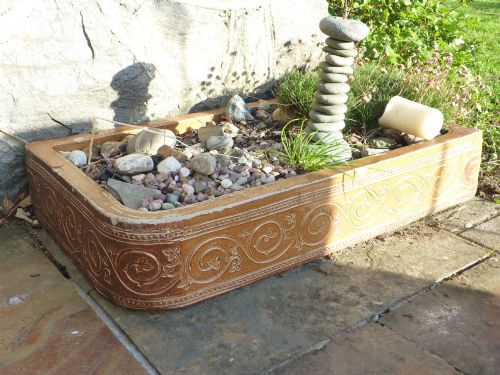
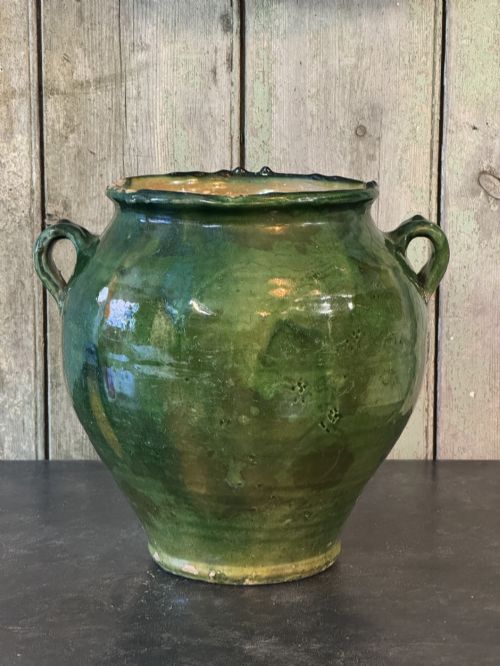
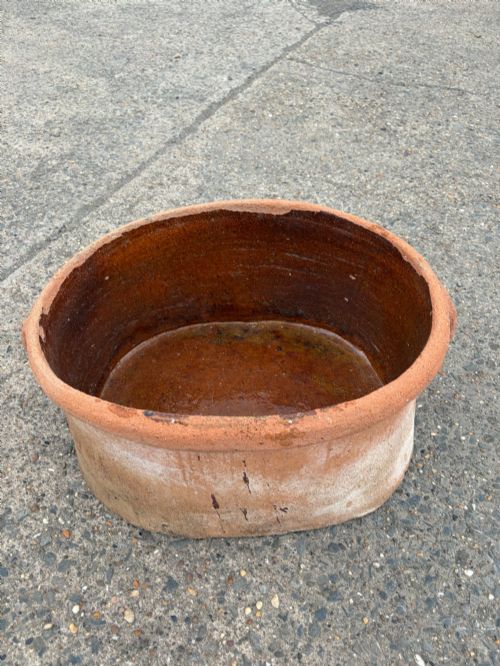
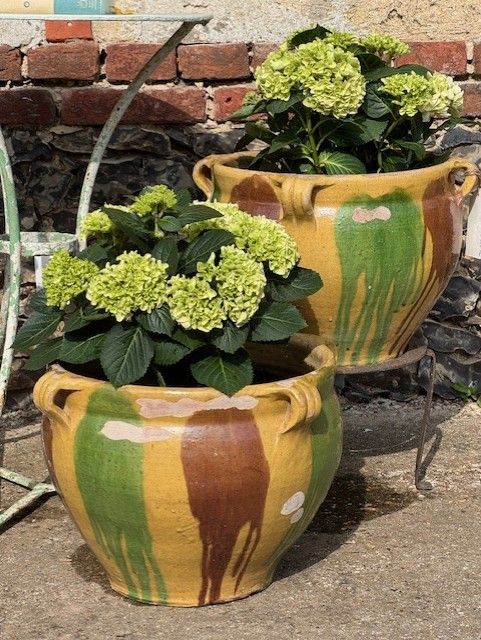
A vintage earthenware pot encompasses a wide array of domestic, agricultural and decorative vessels made from porous clay bodies. When you search for this phrase, you encounter forms ranging from nineteenth-century French confit pots and olive jars to English dairy salting crocks and decorative jardiniere planters.
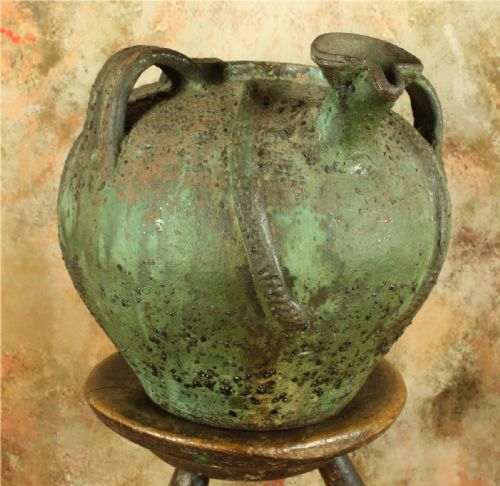
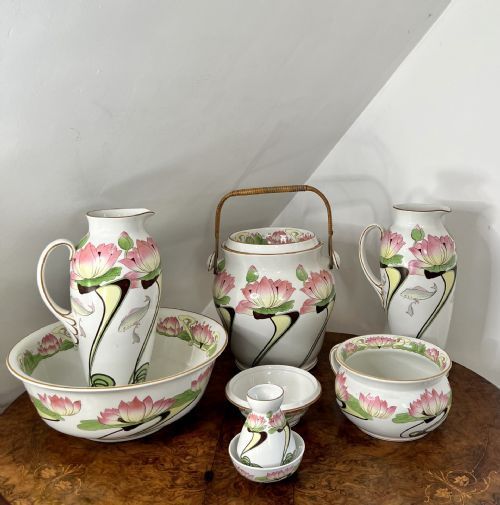
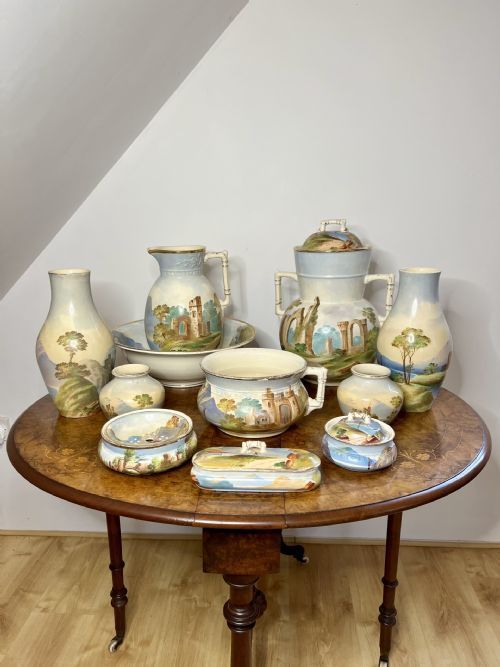
The pieces on this page heavily feature French and English provincial origins, alongside Italian majolica drug jars and Victorian chamber pots. Forms vary from simple utilitarian storage jars with multiple handles to highly decorative Art Deco coffee sets and glazed ceramic wash stands.
The chronological scope spans from the eighteenth century through the Edwardian era into the Art Deco period. Most examples you meet originate in the nineteenth century, reflecting a time when porous clay remained essential for food preservation, storage and horticulture.
Materials and Techniques
Makers formed these vessels using local clays, shaping terracotta and earthenware bodies either by hand or upon the potter's wheel. Many pieces incorporate dense stoneware fabrics or delicate pearl ware and creamware compositions depending on their intended domestic application.
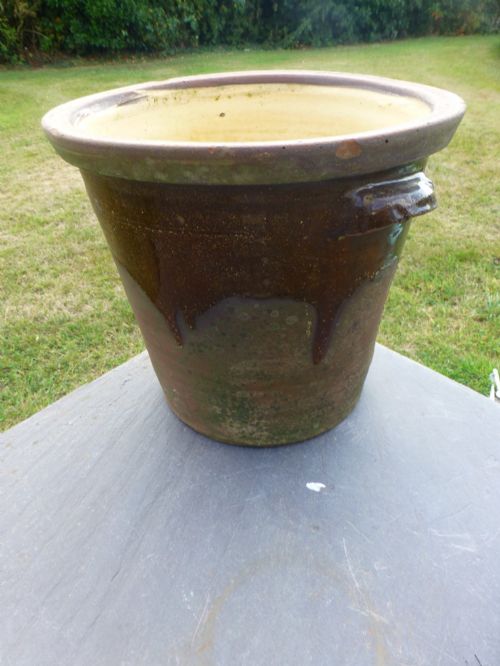
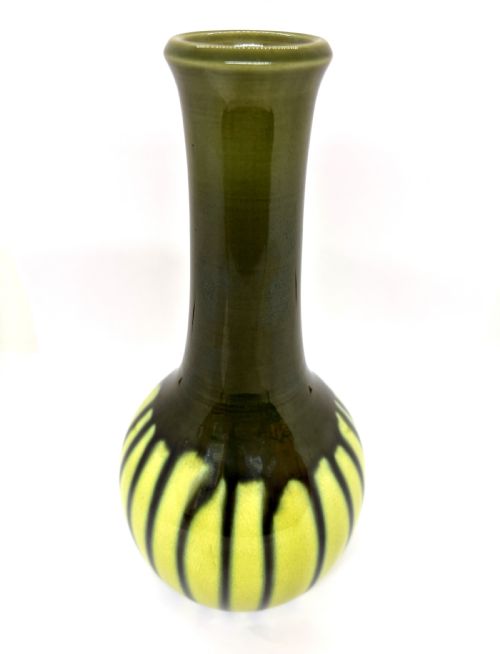
Glazing techniques define the surface character of these objects, utilising lead, salt, or rich drip glazes to seal the porous clay. Craftsmen applied coloured slips, hand-painted pigments, and specialised majolica tin glazes to create protective and ornamental exterior layers.
Several confit pots still carry the faint, ghostly scent of preserved duck from French country kitchens of the nineteenth century.
Assessing Craftsmanship and Condition
Quality in these vessels reveals itself through the balance of the thrown form, the weight of the clay body, and the depth of the glaze. Superior examples display intentional control during firing, resulting in rich, even coloration and stable surfaces without heavy warping.
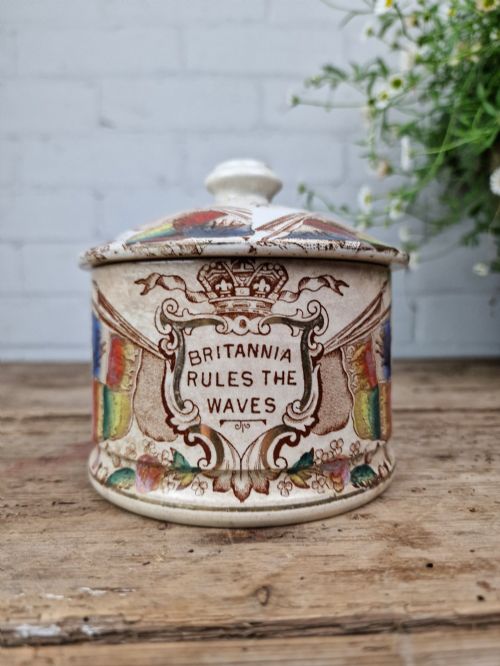
The distinction between utilitarian workhorses and fine decorative items lies in the detail of the finish, from carefully applied handles to intricate hand-painted or transfer-printed decoration. Connoisseurs look for crisp potter's signatures, intact historical glazes, and well-preserved surface patination.
Doulton Lambeth·Royal Doulton·Clarice Cliff·Moorcroft Macintyre and Co·Enoch Wood and Sons
The Vintage Earthenware Pot Glossary
- Earthenware
- Pottery fired at lower temperatures resulting in a porous ceramic body that requires a glaze to hold liquids.
- Confit pot
- A traditional French earthenware jar featuring handles, typically glazed inside and partially outside, historically used for preserving meat.
- Albarello
- A cylindrical earthenware jar used in pharmacies to hold ointments and dried drugs, originating in the Middle East and adopted across Europe.
- Jardiniere
- An ornamental ceramic pot or stand designed to hold a living plant or floral arrangement.
- Slip
- Liquid clay mixed with water to a cream-like consistency, used for coating, decorating, or cementing pottery.
Vintage Earthenware Pot: Frequently Asked Questions
What were vintage earthenware pots used for originally?
These vessels served primarily practical roles in historical households, working as containers for food preservation, dairy processing, and kitchen storage. Many others functioned as water vessels, pharmacy jars, or horticultural planters.
Over time, utility expanded into decorative display, with jardiniere planters and cache pots designed to ornament Victorian and Edwardian interiors.
How do I clean and care for antique earthenware?
Maintain these pieces by dusting gently with a dry cloth and avoiding harsh chemical cleaning agents that can penetrate porous ceramic bodies. Keep them away from prolonged moisture if the interior glaze has hairline fractures.
Display them on stable surfaces where temperature fluctuations remain minimal to protect the historical glaze and clay structure.
How can I tell the age of a ceramic pot?
Dating relies on examining the potting techniques, clay characteristics, glaze formulations, and any maker's marks stamped or painted on the base. Nineteenth-century examples often exhibit distinct throwing rings and regional French or English clay colours.
Stylistic cues such as Victorian floral motifs or Art Deco geometric patterns help narrow down the production era.
Are old earthenware pots waterproof?
Many historical pots remain porous because earthenware fires at lower temperatures than stoneware, meaning moisture can slowly seep through unglazed interior surfaces. Even glazed pieces may develop micro-fissures over centuries of use.
Use a discreet inner liner if you intend to place fresh water and flowers inside an antique vessel.