


French Country Terracotta Vessel
These french country terracotta vessel pieces are rustic earthenware pots and bowls that bring tactile warmth and history to an interior.
French Country Terracotta Vessel
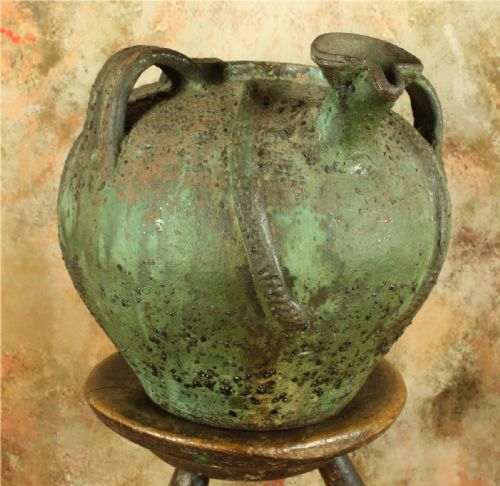
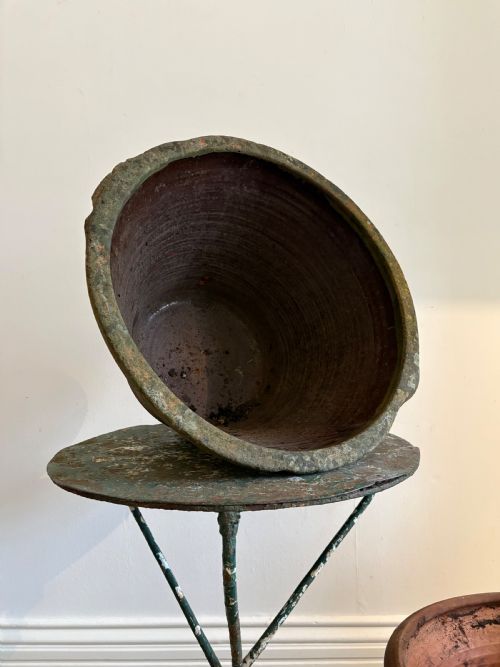
A french country terracotta vessel is a utilitarian earthenware container shaped by hand for rural domestic and agricultural life. You are looking at antique dairy bowls, confit jars, oil pots, and garden planters originating from France during the eighteenth and nineteenth centuries.
The most common examples you are likely to meet on this page are large confit pots and wide dairy bowls. These pieces served practical roles in storing food, holding liquids, or working the land before being repurposed as decorative items.
How they were made
Potters shaped local clay by hand, turning thick-walled bodies designed for durability rather than delicate ornament. These vessels emerged from regional kilns built to supply farms with robust containers.
Makers applied lead-based glazes chiefly to the interiors of bowls and the upper portions of storage jars to render them waterproof. This partial glazing created natural drips and pools of green or clear finish across the porous terracotta surface.
Listings feature pieces from the 18th century, 19th century, 1890, and 1900.
What varies in quality
Quality rests in the harmony of proportion and the honesty of the potting, where thicker walls and generous dimensions command attention. A well-balanced profile shows the eye of the maker who understood the functional limits of heavy clay.
The character of the glaze and the depth of surface wear elevate certain examples above standard utilitarian ware. Rich pooling, subtle tonal variation, and centuries of handling create a tactile patina that distinguishes exceptional pieces.
The French Country Terracotta Vessel Glossary
- Terracotta
- A porous, unglazed or partially glazed fired earthenware made from iron-rich clay. Its warm reddish-brown body forms the structural foundation of these rural wares.
- Confit jar
- A traditional French storage pot featuring two handles and a wide mouth, originally utilised for preserving meats and fats. They often display a lustrous glaze on the upper half.
- Dairy bowl
- A wide, shallow earthenware basin designed to hold milk so the cream could rise to the surface. These heavy vessels possess broad interior diameters for maximum exposure.
- Glaze
- A vitreous coating fused to the clay body through firing to seal the porous earthenware. In these pieces, it frequently appears only on the interior or rim.
French Country Terracotta Vessel: Frequently Asked Questions
What were confit pots used for?
Confit pots served as heavy storage containers on French farms, primarily for preserving duck, pork, or other meats submerged in their own fat. Their double handles allowed workers to lift and transport the heavy earthenware safely.
Over time, the sealed interior kept perishables safe from pests and spoiled air in cool larders. Today, these vessels function as decorative floor or table pieces without their original culinary duties.
How do I care for antique terracotta?
Antique terracotta requires gentle handling because the historic clay body remains porous and susceptible to moisture absorption. Dust the surface regularly with a dry cloth and avoid harsh chemical cleaners.
If you use a vessel to hold fresh flowers or foliage, place a small glass or plastic liner inside rather than pouring water directly into the pot. This prevents moisture from seeping through unglazed portions of the antique walls.
Where should I place these vessels at home?
These large earthenware pots suit open floor spaces, heavy wooden tables, or garden terraces where their scale can be appreciated. Large dairy bowls and oil jugs look striking when displayed empty to highlight their tactile surfaces.
Position them away from heavy foot traffic to protect the brittle earthenware edges from accidental impacts. Their earthy tones complement natural wood, stone floors, and neutral interior palettes.