


Orange Earthenware Jug
These orange earthenware jug examples span several centuries of ceramic craft, offering robust utility and striking historical colour for a traditional interior.
Orange Earthenware Jug
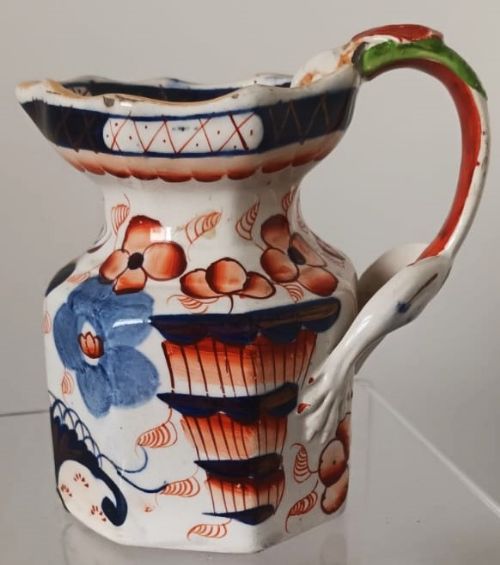
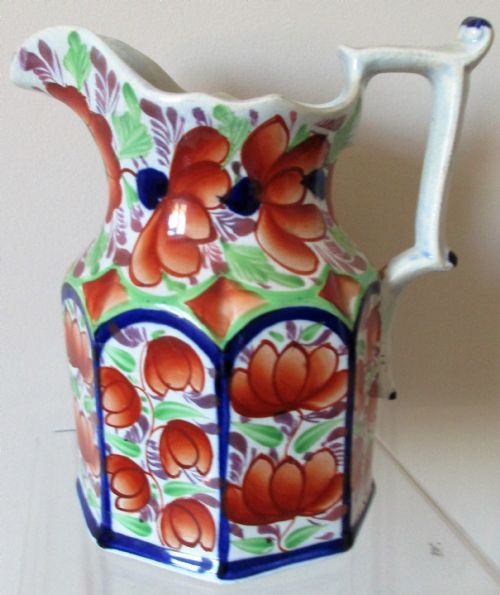
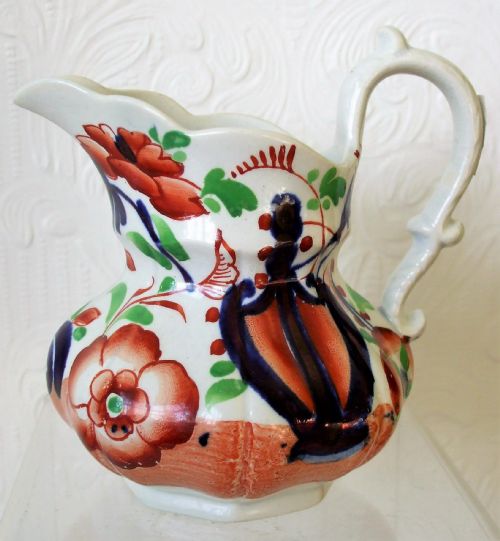
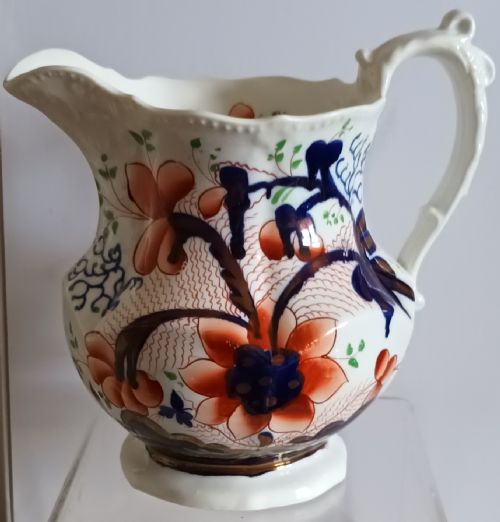
When you search for an orange earthenware jug, you encounter an array of utilitarian and decorative vessels primarily originating from the nineteenth and eighteenth centuries. These pieces encompass various forms including pitchers, pouch jugs, and octagonal shapes designed for domestic use or commemoration.
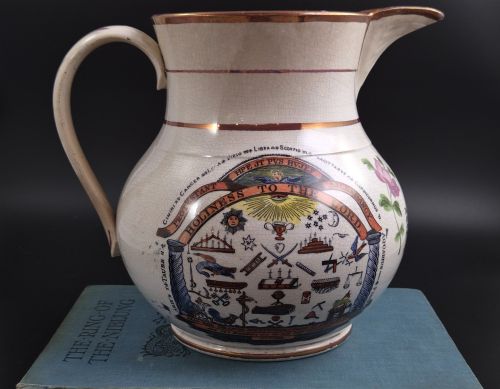
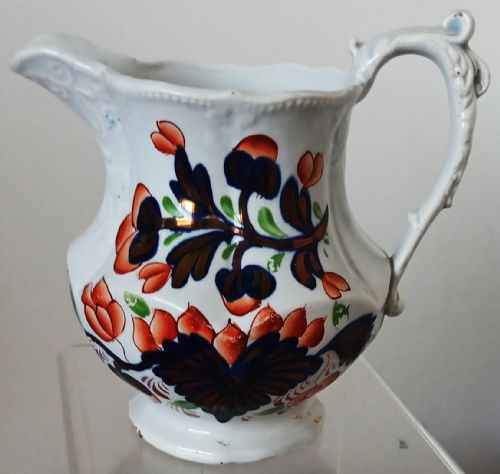
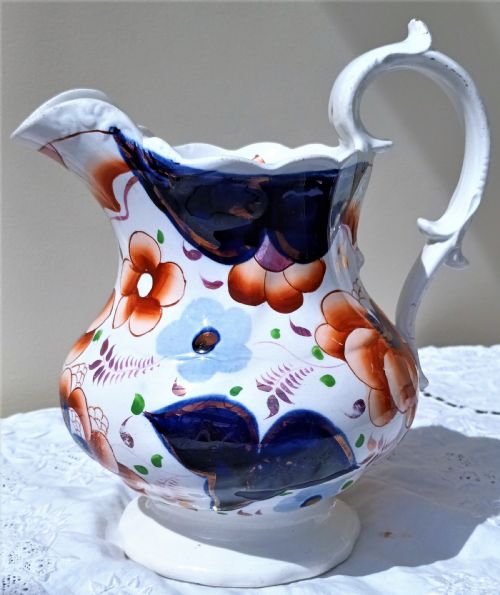
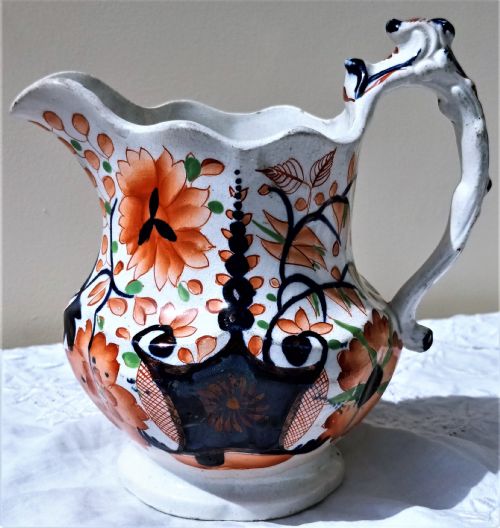
The selection on this page leans heavily towards nineteenth-century production, particularly Gaudy Welsh pottery decorated with named patterns such as Pagoda, Grape, Drape, and Gwent. Alongside these, you will find Georgian pearlware jugs and earlier slipware jars reflecting regional folk art traditions.
Origins span English potteries like Masons and Davenport alongside Dutch workshops, showcasing a breadth of regional styles from Victorian folk art to Dutch folk art. Each object serves as a tangible link to historical ceramic practices, whether utilised for daily pouring or displayed as a decorative ceramic.
Materials and construction methods
Potters built these vessels using earthenware and ironstone bodies, shaping the clay through throwing or moulding before applying glazes. The surfaces often receive decoration through polychrome enamel painting, copper lustre, or metallic lustre glaze to achieve their characteristic appearance.
Earlier examples incorporate traditional techniques such as slipware decoration, seen in seventeenth-century Dutch strawberry jars. Subsequent nineteenth-century pieces utilise transfer printing and hand-painted enamel highlights to define patterns like the Gaudy Welsh styles.
One seventeenth-century Dutch slipware jar survived centuries of use specifically designated for strawberries.
Distinctions in quality
The standard of an orange earthenware jug depends upon the crispness of the moulded form and the precision of the hand-painted polychrome or lustre application. Pieces with well-defined patterns and rich, stable glazes demonstrate superior workshop execution.
The integrity of the earthenware body and the preservation of delicate enamel or lustre details govern the overall desirability of the piece. Examples that retain their original colour intensity without excessive surface wear represent the upper tier of surviving items.
Masons·Davenport
The Orange Earthenware Jug Glossary
- Earthenware
- Porous pottery fired at relatively low temperatures, requiring a glaze to become waterproof. This material forms the primary body of the jugs listed on this page.
- Gaudy Welsh
- A type of nineteenth-century pottery characterised by bold cobalt blue, copper lustre, and orange enamel decoration. It was largely exported to Wales from English factories.
- Pearlware
- A refined earthenware developed in the eighteenth century featuring a subtle bluish glaze that pooled in recesses. It bridges the gap between creamware and later white ironstone.
- Slipware
- Pottery decorated with slip, which is liquefied clay applied to the un-fired body before glazing. This technique creates raised patterns or contrasting surface designs.
- Lustre glaze
- A metallic glaze application that imparts an iridescent sheen to the ceramic surface. Copper variations appear frequently across nineteenth-century examples.
Orange Earthenware Jug: Frequently Asked Questions
What is an orange earthenware jug used for?
These vessels originally served practical household functions such as pouring liquids or holding liquids at the table. Many surviving examples also functioned as commemorative items or decorative tableware.
Today, collectors primarily display them as historical decorative ceramics or utilise them cautiously for holding dried florals and small arrangements.
How do I date a ceramic jug?
Dating relies upon identifying the ceramic body, such as distinguishing early pearlware from later ironstone or standard earthenware. Stylistic markers like pattern names and glazing techniques provide further chronological clues.
Comparison with documented examples from nineteenth-century production periods helps narrow down the decade of manufacture.
What does Gaudy Welsh mean?
Gaudy Welsh refers to a distinct style of nineteenth-century pottery featuring vibrant hand-painted enamels combined with copper lustre. These wares were immensely popular in Wales, where they were imported for domestic use.
Patterns often carry specific names like Pagoda, Grape, or Gwent, making them particularly identifiable for collectors.
How should I clean my antique jug?
Antique earthenware requires gentle maintenance to protect the historic glaze and delicate enamel decorations. Cleaning should involve only lukewarm water and a mild detergent applied with a soft cloth.
Submerging fragile pieces for extended periods or using abrasive scrubbers can damage the porous ceramic body and historic surface finish.