


Antique Stoneware Crock
An antique stoneware crock is a sturdy utility vessel that brings honest historic texture and practical storage to modern interiors.
Antique Stoneware Crock
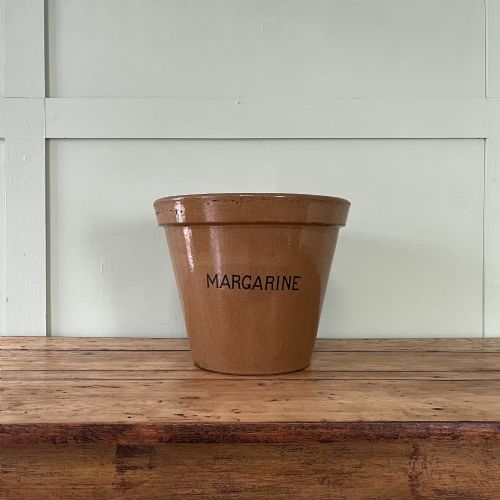
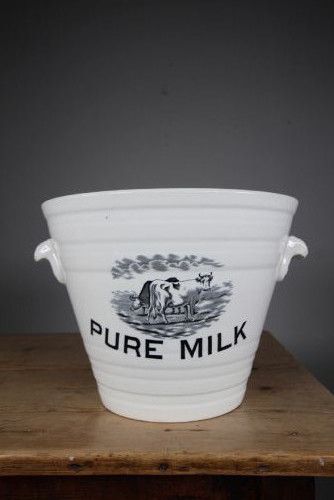
An antique stoneware crock is a heavy, durable storage vessel designed for domestic and commercial larders, dairies, and taverns. When you browse this selection, you encounter forms ranging from large margarine bowls and dairy pails to patent water filters, soup jars, and whisky jugs.
The pieces span several centuries and design traditions, including Victorian industrial items, Edwardian dairy ware, and rustic country vessels. Most examples on this page reflect utilitarian origins from the nineteenth and early twentieth centuries, alongside older eighteenth-century salt-glazed barrels.
Collectors seek these vessels for their robust construction and straightforward aesthetic, which suits contemporary kitchens and garden spaces. Whether utilised as a kitchen storage jar or a plant base, each crock retains the physical mark of its functional past.
How they were made
Makers shaped these utilitarian objects from dense clay, ironstone, and earthenware on a potter's wheel or within moulds to achieve thick, impermeable walls necessary for food preservation. The bodies underwent high-temperature firing to vitrify the material, rendering it durable enough to withstand daily commercial and agricultural use.
Surfaces frequently feature salt glazes, applied slips, or applied finishes that protect the porous clay and create distinctive textural variations. Potters often applied cobalt blue stamp lettering or incised merchant inscriptions directly into the wet clay before firing to identify contents or makers.
Turtle soup jars remind us that nineteenth-century dining could involve importing exotic reptiles directly to British taverns.
What varies in quality
The distinction between standard utility items and finer examples lies in the clarity of the stamped maker marks, merchant names, and capacity numbers impressed into the clay. Sharp, deeply struck lettering and legible merchant details elevate an ordinary storage vessel into a piece with documented provenance.
Proportion and surface finish also dictate the tier of a piece, with even salt-glaze coverage and well-balanced forms representing superior potter craftsmanship. Vessels that retain their original functional components, such as spouts or specialised filter elements, demonstrate greater integrity.
The Antique Stoneware Crock Glossary
- Stoneware
- A high-fired ceramic made from clay that becomes vitrified and impermeable to liquids without the application of a glaze. It provides exceptional durability for heavy storage use.
- Salt glaze
- A glossy, slightly textured finish achieved by throwing common salt into the kiln during high-temperature firing, creating an orange-peel surface texture. This technique protects the vessel from moisture and acids.
- Slipware
- Pottery decorated with a thin mixture of clay and water applied before firing to create surface patterns or monochrome coatings. It represents an older tradition of British rural craftsmanship.
- Ironstone
- A heavy, durable type of earthenware patented in the nineteenth century to imitate Chinese porcelain. It offers a dense, white body well suited for domestic dairy and kitchen pails.
- Jardiniere
- A large ornamental pot or stand designed to hold growing plants or flowers, often utilised in Victorian or Edwardian orangeries and patios.
Antique Stoneware Crock: Frequently Asked Questions
What were antique stoneware crocks used for?
These vessels served as heavy-duty containers for preserving food, storing liquids like vinegar and whisky, and filtering drinking water in homes and taverns.
Their dense, non-porous material protected perishable goods from spoilage before the advent of modern refrigeration and plastic packaging.
How do I clean an antique crock?
Wash the interior and exterior gently with warm water and a mild detergent, avoiding harsh scouring pads that might damage the historic glaze.
Dry the vessel thoroughly with a soft cloth to prevent moisture retention in any unglazed base areas.
Can I use these crocks for plants?
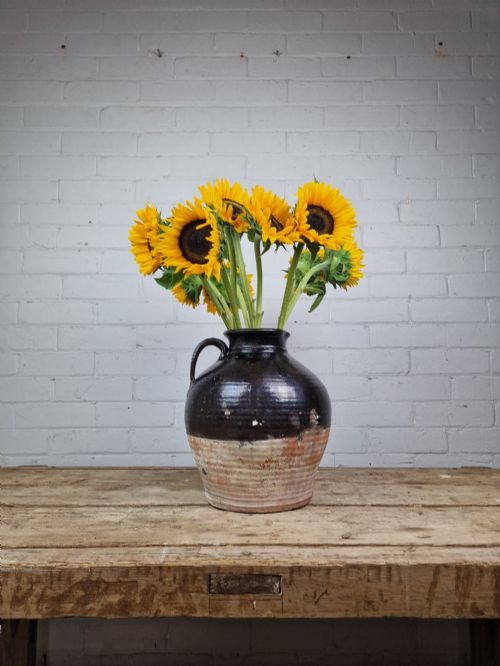
Many large nineteenth-century jars and planters make excellent containers for indoor foliage or patio greenery.
Ensure you place a protective layer or saucer underneath if the base is unglazed and porous to protect wooden surfaces from dampness.
How do I date a stoneware crock?
Examine the manufacturing technique, glaze type, and any stamped merchant marks or patent numbers present on the body.
Salt-glazed barrels typically point towards the eighteenth or early nineteenth century, while ironstone pails and specific industrial stamps align with the Victorian and Edwardian eras.