



Doulton Ceramic Vessel
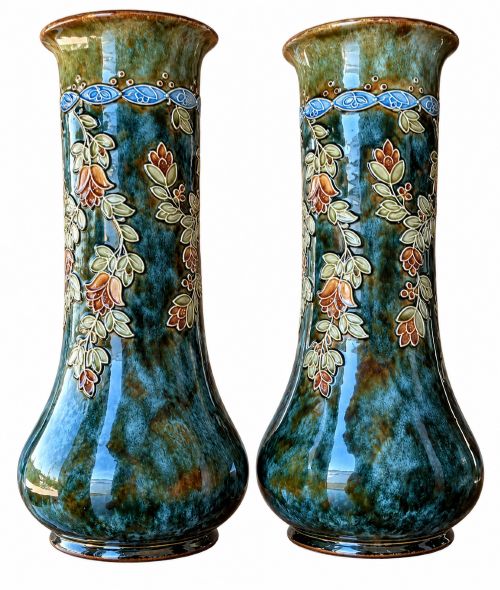
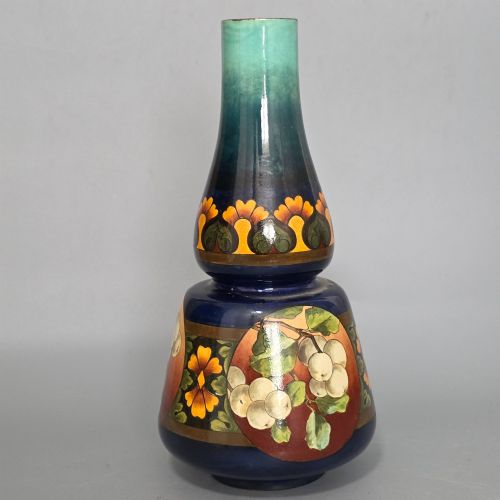
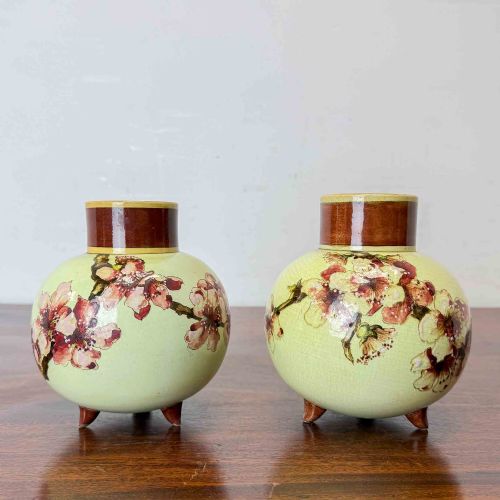
A doulton ceramic vessel brings robust Victorian and Edwardian craftsmanship into a room through distinctive salt glazes, rich stoneware bodies, and hand-applied floral decoration.
Doulton Ceramic Vessel
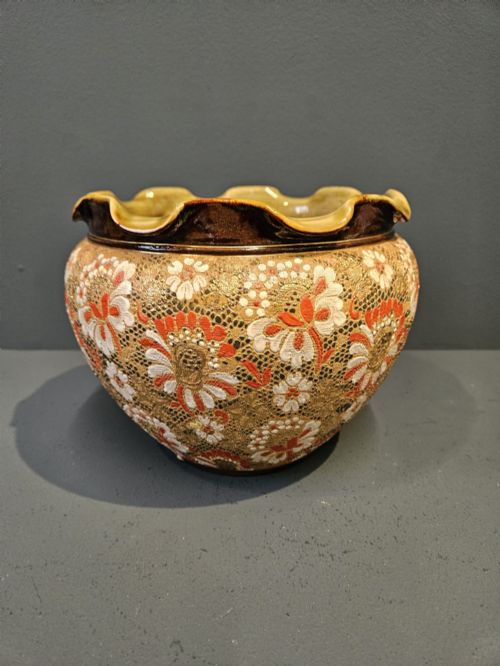
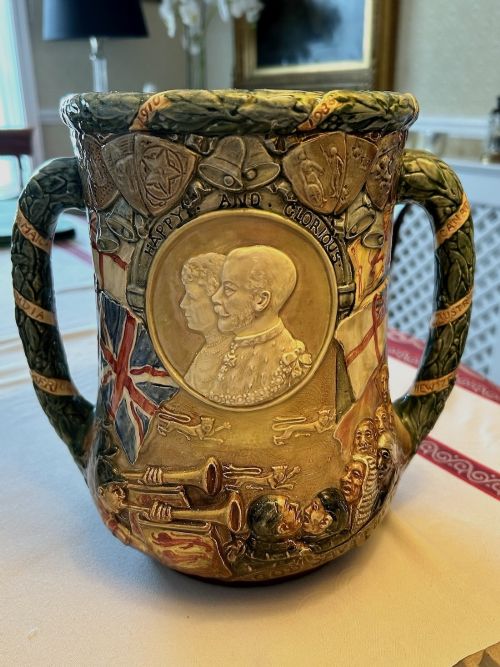
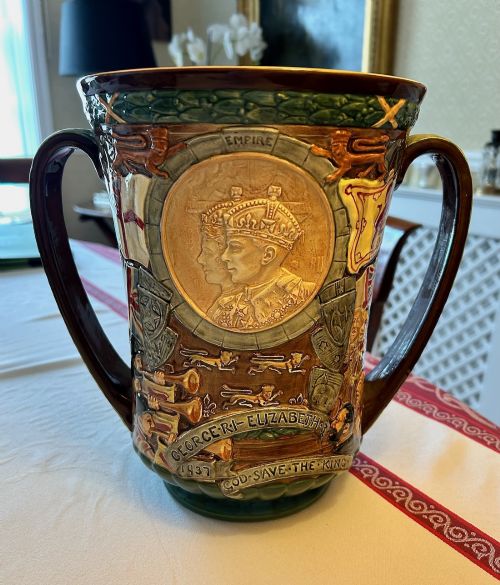
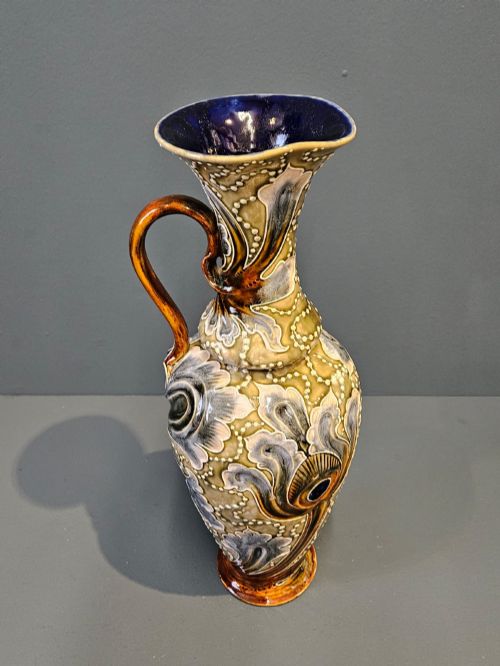
A doulton ceramic vessel spans utilitarian jugs, commemorative loving cups, decorative vases, and large jardinieres produced during the nineteenth and early twentieth centuries. These pieces emerge primarily from the Victorian and Edwardian eras, encompassing distinct movements such as Arts and Crafts and Art Nouveau.
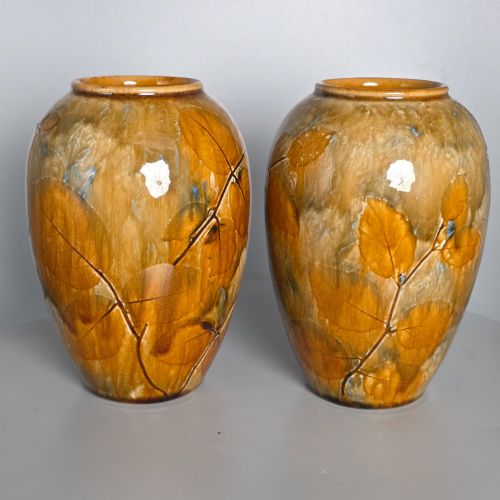
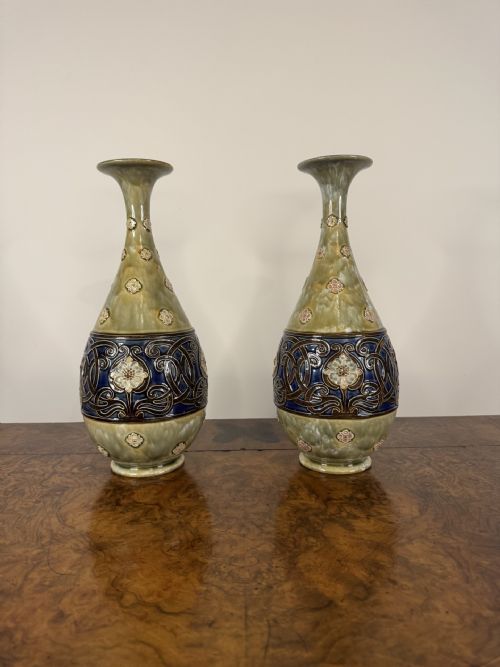
The pieces on this page are most commonly met as salt-glazed stoneware or faience vases and jugs originating from the Lambeth studios. They range from small cabinet pieces to substantial baluster vases and heavy planters designed for domestic display.
Collectors encounter works shaped by notable studio artists alongside standard production wares. Each form reflects the changing aesthetic demands of British ceramics from the late eighteen-hundreds through the nineteen-thirties.
Materials and Technique
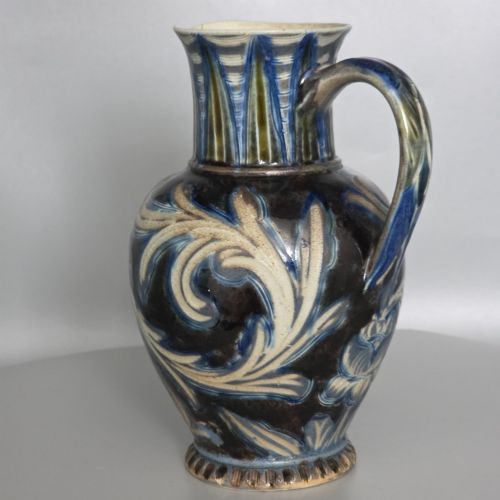
Makers utilised heavy stoneware and earthenware bodies capable of holding dense salt glazes and intricate surface treatments. Salt glazing involved throwing salt into the kiln during firing to produce a durable, pitted texture across the clay.
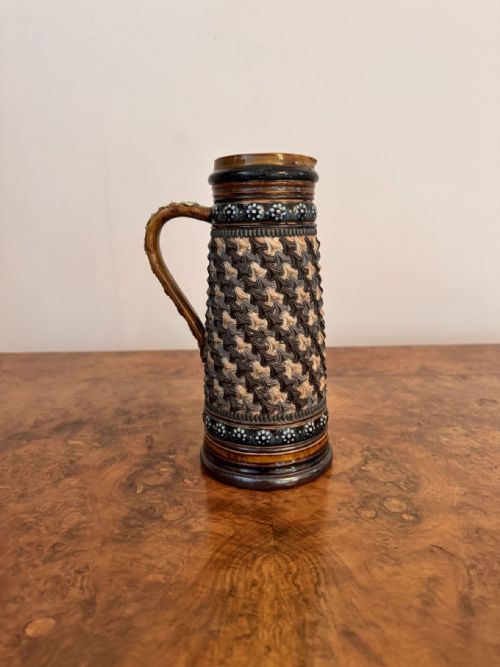
Surface decoration combined incised patterns, slip-casting, and applied enamel floral motifs. Patent techniques like Slaters patent introduced textured lace patterns pressed directly into the wet clay before firing.
Individual artists painted detailed botanical and figurative scenes directly onto the ceramic body before a final transparent or coloured glaze fixed the pigment.
Listings feature Victorian and Edwardian pieces, dominated by salt-glazed stoneware and glazed ceramic forms from the Lambeth studios.
Quality and Execution
Quality rests upon the crispness of the incised ornament and the precision of the hand-painted details executed by named studio artists. Pieces bearing individual signatures or monograms display superior artistic ambition compared to factory standards.
The depth and evenness of the salt glaze or enamel finish dictate the visual success of the piece. Strong colour saturation and well-balanced proportions separate standard production wares from exhibition-grade vessels.
Alice Euphemia Thatcher·Florence E Barlow·Louisa Wakely·Eliza Simmance·Emily Stormer·Ethel Beard·R Allen
The Doulton Ceramic Vessel Glossary
- Stoneware
- A dense, vitrified ceramic pottery fired at high temperatures until non-porous. It accepts salt glazes and heavy incising without requiring an internal lining.
- Salt Glaze
- A glossy, slightly textured finish achieved by throwing common salt into the kiln at peak temperature. The sodium reacts with the silica in the clay body to form a durable coating.
- Faience
- Earthenware decorated with opaque coloured glazes before firing. It provides a smooth canvas for detailed floral and figurative painting.
- Tyg
- A large drinking vessel featuring three or more handles designed for communal passing. They often appear in salt-glazed stoneware with commemorative inscriptions.
- Baluster
- A jar or vase shape with a rounded body that tapers toward the base and neck. This classical silhouette provides a stable canvas for large-scale floral decoration.
Doulton Ceramic Vessel: Frequently Asked Questions
What is a Doulton ceramic vessel?
These items are decorative and utilitarian pottery pieces produced by Doulton potteries, primarily at their Lambeth studios in London. They include salt-glazed jugs, vases, and jardinieres created during the Victorian and Edwardian periods.
Many examples feature hand-incised patterns or painted floral decoration executed by designated studio artists. Their robust construction made them popular for both everyday household use and formal exhibition display.
How do I identify a Lambeth piece?
Lambeth pieces typically display heavy stoneware bodies with distinctive salt glazes or impressed lace textures known as Slaters patent. They frequently carry factory stamps alongside the incised monograms of individual decorators.
Examining the base often reveals impressed model numbers and artist ciphers that confirm the specific London workshop origin.
How were these vessels used?
Vessels served diverse domestic functions ranging from holding cut flowers in large jardinieres to serving liquids from salt-glazed jugs and tygs. Commemorative loving cups marked royal jubilees and coronations as display pieces rather than drinking vessels.
Jardinieres and planter bases inhabited Victorian drawing rooms and orangeries to house indoor palms and flowering plants.
How do I care for antique stoneware?
Antique stoneware and ceramic pieces require gentle dusting with a dry microfibre cloth to protect surface glazes and enamel details. Avoid submerging older vessels in water, particularly those with applied metal mounts or delicate painted surfaces.
Display them away from direct sunlight and sudden temperature shifts to preserve the integrity of the original clay and glaze.