
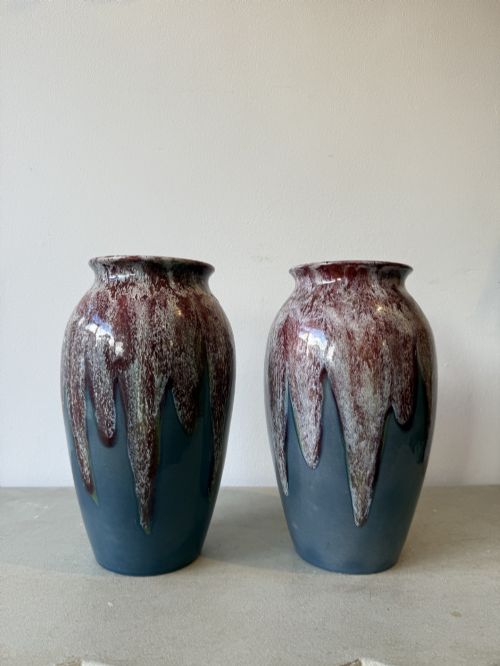


Vintage Stoneware Urn
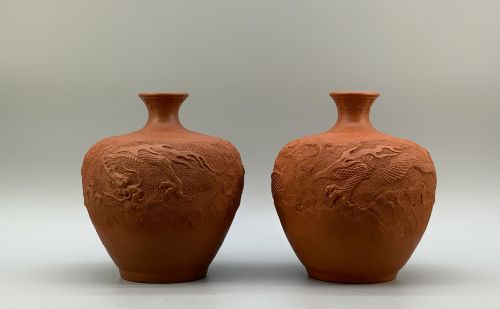
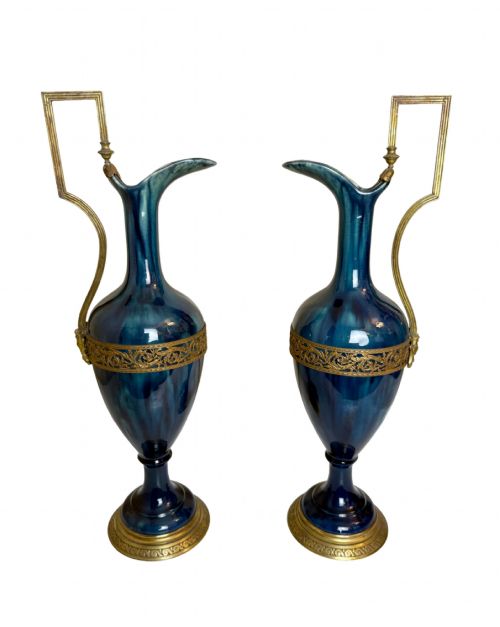
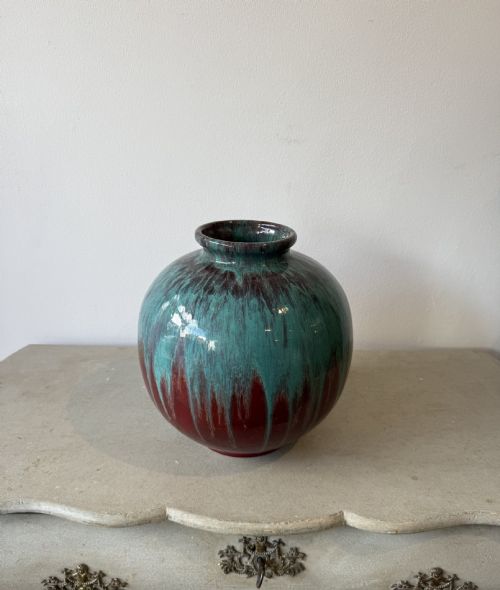
These vintage stoneware urn pieces bring robust nineteenth and early twentieth century form to a room through heavy fired earth.
Vintage Stoneware Urn
A vintage stoneware urn takes the form of heavy utilitarian vessels, decorative jardinieres, and garden planters dating from the Victorian era through the early twentieth century. Buyers seeking this phrase encounter sturdy salt-glazed pots, confit jars, and heavy ceramic water filters originating from English, French, and German kilns. These substantial pots served practical storage or garden duties before finding a place in domestic interiors.
How they were made
Potters shaped these dense bodies from heavy clay and fired them at high temperatures to ensure durability and water resistance. Many vessels received salt glazing, where salt thrown into the kiln during firing produced a characteristic textured orange-peel surface.
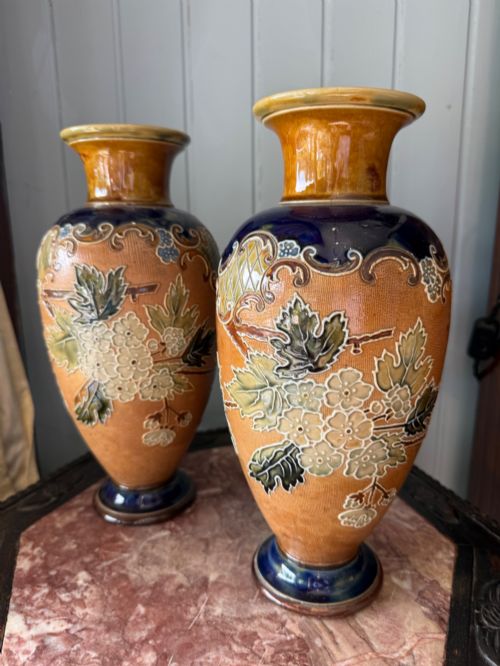
Makers applied enamel floral decor, slip patterns, or raised faux bois textures to the fired bodies before a final glaze coat. Others utilised specialised patent filtration structures or moulded intricate handles and bases during the forming stage.
Some nineteenth-century planters were deliberately styled to look like logs, because living in a house made of stone apparently requires your flowerpots to pretend they are made of wood.
What varies in quality
The distinction between standard utility vessels and superior studio or factory pieces rests in the ambition of the modelling and the control of the glaze. Master potters from established works achieved subtle variations in slip work, crispness in moulded foliage, and balance in the silhouette of an urn.
Artistic execution also separates everyday commercial pots from signed pieces bearing specific decorator ciphers or patent engineering. The crispness of applied enamel and the depth of the salt glaze dictate the visual weight and presence of the piece.
Royal Doulton·Doulton Lambeth·Mettlach Pottery·Royal Lancastrian·Poole Pottery·Wedgwood
The Vintage Stoneware Urn Glossary
- Stoneware
- A robust pottery type fired at high temperatures until vitrified and rendered non-porous. It provides the heavy, durable body characteristic of nineteenth-century utility vessels.
- Salt glaze
- A glassy, slightly textured coating formed by throwing common salt into the kiln during high-temperature firing. This chemical reaction creates an impervious surface with a distinctive orange-peel texture.
- Jardiniere
- An ornamental pot or stand designed to hold a large growing plant or floral arrangement. These substantial ceramic vessels often feature decorative relief work or glazed panels suitable for interior display.
- Confit pot
- A traditional French earthenware vessel featuring a glazed upper section and unglazed lower body. Originally used for preserving meats, these jars now serve as decorative decorative pieces.
- Faux bois
- An artistic imitation of wood grain moulded directly into ceramic or terracotta surfaces. It was particularly popular on nineteenth-century garden planters and architectural urns.
Vintage Stoneware Urn: Frequently Asked Questions
What is a vintage stoneware urn used for today?
These robust vessels serve primarily as interior decorative accents, floor vases, or statement planters for large houseplants. Their substantial weight and historic presence suit entryways, garden rooms, and hearths.
Historically designed for storage, water filtration, or horticulture, they now function as sculptural objects that anchor traditional and eclectic interior schemes.
How do I care for antique stoneware?
Clean these heavy ceramic pieces using a soft cloth and warm water, avoiding harsh chemical detergents that can degrade historic glazes. Protect delicate enamel decorations from abrasive rubbing during maintenance.
When using planters or vases for live foliage, place a protective liner inside to prevent moisture from seeping through porous historic clays or historic hairline fractures.
How can I tell the period of a stoneware urn?
Dating relies on stylistic markers such as Victorian relief moulding, Art Nouveau organic curves, or the geometric lines of Art Deco design. Maker marks, registry numbers, and artist ciphers stamped into the base provide the most reliable chronological evidence.
Manufacturing techniques also aid identification, as nineteenth-century salt glazing differs visibly from later twentieth-century commercial dipping glazes and refined earthenware bodies.
Are these urns waterproof?
True high-fired stoneware vessels are naturally vitrified and hold water effectively for floral displays. Earthenware confit pots and terracotta planters, however, remain porous and require internal waterproof liners to protect fine surfaces.
Checking the interior glaze coverage helps determine whether a specific piece is fully sealed against moisture penetration from extended use.