


Earthenware Confit Jar
An earthenware confit jar is a heavy, utilitarian vessel built for rural food preservation, bringing honest French provincial texture straight into a modern interior.
Earthenware Confit Jar
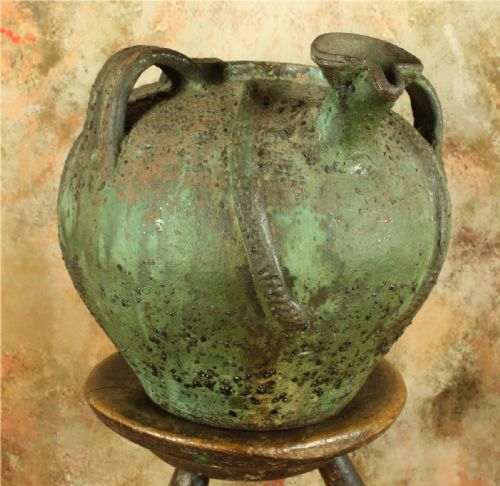
When you search for an earthenware confit jar, you are looking at practical vessels from the French countryside designed for storing fats, oils, and preserves. These pieces come in various forms such as olive oil jugs, storage urns, and planters originating from the eighteenth and nineteenth centuries.
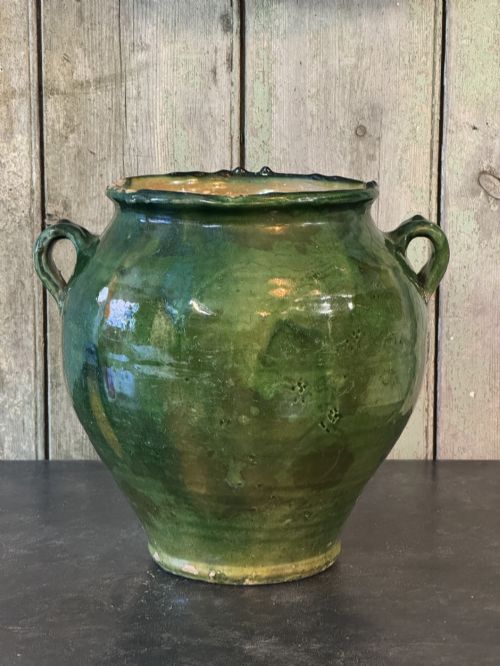
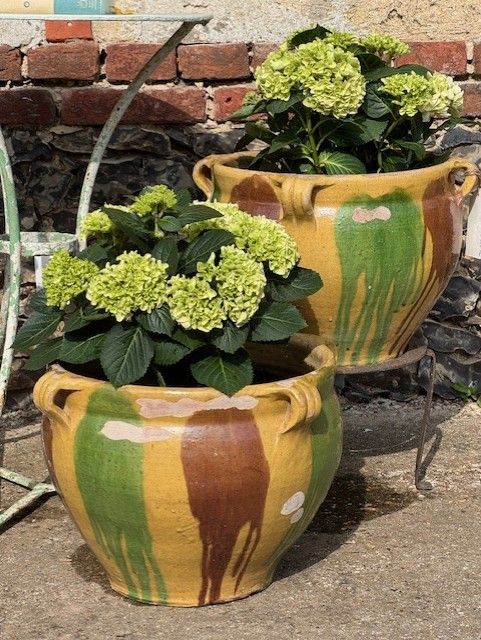
The version you are most likely to meet on this page is the classic French confit pot, often rendered in terracotta with characteristic handles and dips of glaze. They span periods from the eighteenth century through to the nineteenth century, reflecting the rustic provincial lifestyle of the South of France.
How they were made
Makers shaped local clay and terracotta by hand into robust utilitarian vessels intended for heavy domestic work. These pots relied on simple forming techniques suited to rural kilns rather than delicate court manufacture.
Surfaces received finishes of glaze, most notably green glazes and dribble glazes that ran naturally down the sides during firing. This functional coating protected the porous earthenware and helped seal the vessel for food storage.
Materials across this selection include terracotta, earthenware, and clay, finished with various glazes from the eighteenth and nineteenth centuries.
What varies in quality
Quality rests in the character of the glaze run and the crispness of the handmade terracotta form. Pots featuring rich, drippy green glazes display a more expressive visual depth than simpler, unglazed surfaces.
The balance of the handles and the overall weight of the clay dictate the visual presence of the piece. Superior examples show the honest marks of the maker's hands without losing the structural harmony required for heavy utility.
The Earthenware Confit Jar Glossary
- Confit pot
- A traditional earthenware vessel used in rural France for preserving meats and fats. These pots typically feature sturdy handles and partial or full glazing.
- Terracotta
- Fired clay used to construct robust utilitarian vessels. This porous material formed the structural base for most provincial storage jars.
- Glaze
- A vitreous coating applied to ceramics to seal the porous clay body. Dribble glazes often pooled attractively near the shoulders and rims of these pots.
- Provincial
- A style originating from the regions outside the capital, prioritising utility and local materials. French provincial pieces embody this honest, rustic aesthetic.
Earthenware Confit Jar: Frequently Asked Questions
What did they store inside an earthenware confit jar?
These vessels were originally made for preserving duck, goose, or pork in its own fat, a process known as confit. The heavy earthenware kept the contents cool and protected from air.
Later, many of these pots found use storing walnut oil or serving as general kitchen storage jars across rural French households.
How do I date an antique French confit pot?
Dating relies on observing the characteristics of the clay, the nature of the glaze, and the formation of the handles. Earlier pieces from the eighteenth century often display heavier throwing rings and distinct handle placements.
Nineteenth-century examples frequently showcase more varied glaze treatments, such as dribble green finishes or fully glazed surfaces. Comparing these physical traits against known period styles helps establish an approximate age.
Are these confit jars waterproof for plants?
Most earthenware confit jars feature a glazed interior that helps resist moisture, but the underlying terracotta remains porous. Using a plastic liner inside the pot protects the historic clay from constant dampness.
They make excellent planters or decorative urns for dry arrangements when handled with appropriate care.
Why do some confit pots have multiple handles?
Multiple handles provided extra grip for lifting and tilting heavy vessels filled with dense fats or oils. Olive oil jugs and larger storage jars often incorporated three handles to assist workers in moving the heavy weight.
This functional necessity adds a distinct sculptural quality to the silhouette of the vessel.