


French Glazed Jar
These French glazed jar examples range from rustic confit pots to refined faience urns, bringing tactile warmth and history to any interior.
French Glazed Jar
A French glazed jar encompasses functional vessels and decorative forms originating from various regions and periods across France. Buyers searching this phrase encounter everything from large utilitarian storage vessels to delicate ceramic powder boxes.
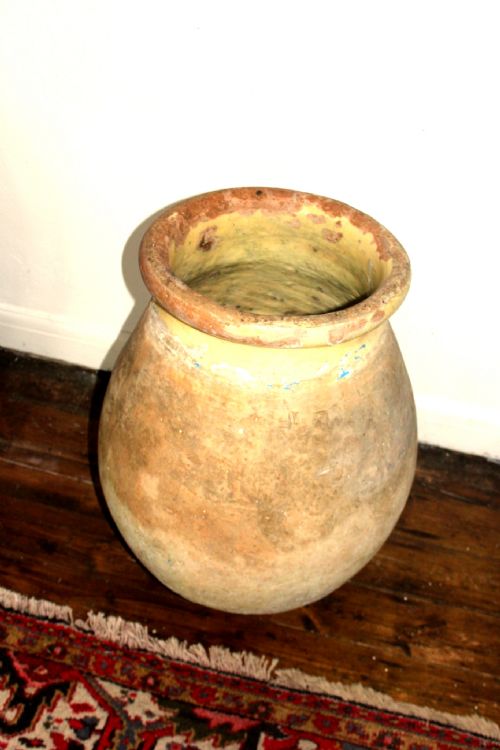
The selection frequently includes nineteenth-century confit pots, olive jars, and terracotta vessels alongside earthenware planters and apothecary jars. These pieces reflect both the utilitarian needs of provincial life and the decorative tastes of urban salons.
Origins span from specific production centres such as Desvres and Sceaux to broader styles like French Country and Art Deco. Dating stretches from the eighteenth century through to the mid twentieth century.
Materials and Technique
Potters utilised earthenware, terracotta, and porcelain as the primary base materials for shaping these vessels by hand or wheel. Tin-glazing and salt-glazing techniques provided durable protective surfaces while introducing varied textures and tones.
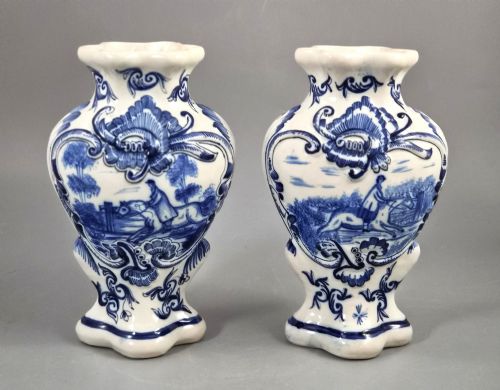
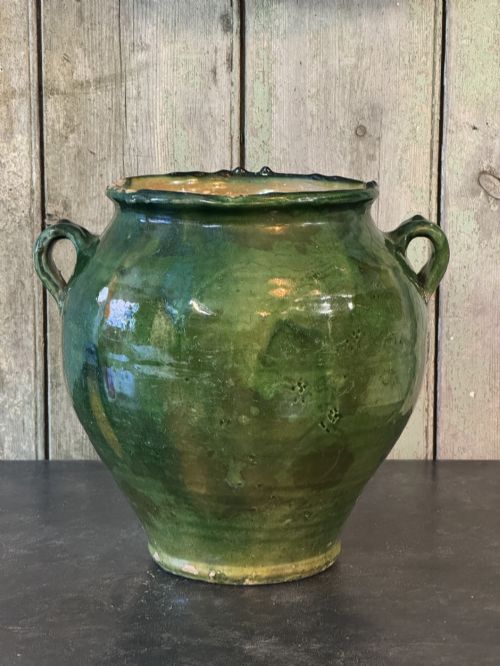
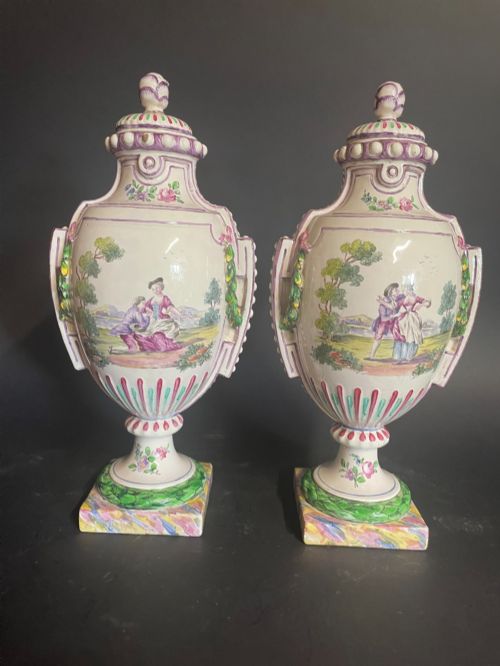
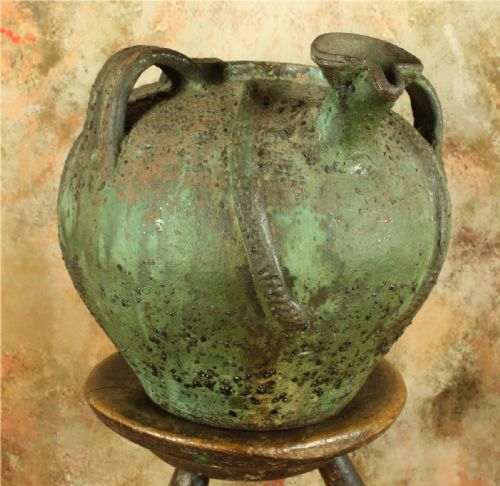
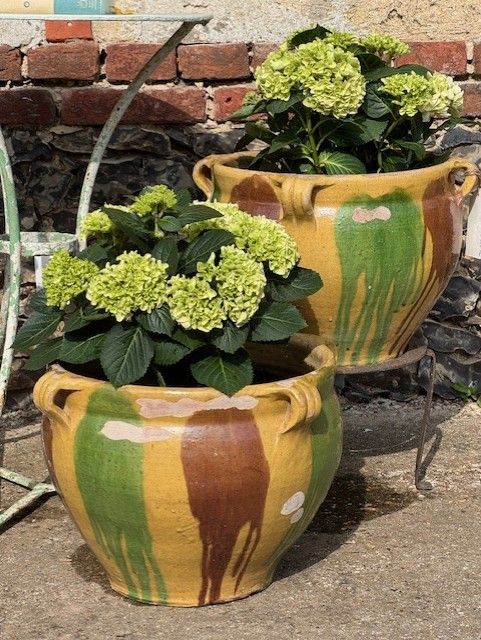
Surface treatments range from deep green lead glazes and dribble glazes to intricate blue and white polychrome painting. Firing methods and regional clay compositions resulted in the distinct aged patinas visible across the earthenware and ceramic bodies.
Listings feature items spanning the eighteenth, nineteenth, and twentieth centuries, created from earthenware, terracotta, porcelain, and ceramic.
Assessing Quality
Quality rests in the harmony between the potting form and the character of the glaze, whether in a fluid drip on a rustic confit pot or precise hand-painting on a faience vase. Superior examples display confident handling of the material and balanced proportions.
The integrity of the surface finish and the preservation of original glazes distinguish finer items from simpler utilitarian wares. Maker attribution, particularly pieces associated with known potteries like Limoges or Fourmaintraux-Courquin, adds notable distinction.
Fourmaintraux-Courquin·Limoges
The French Glazed Jar Glossary
- Confit pot
- A traditional French earthenware jar featuring handles, typically glazed on the upper portion, used historically for preserving and storing food.
- Faience
- Tin-glazed earthenware produced in France, often richly decorated in blue and white or polychrome palettes.
- Salt glaze
- A glassy, textured finish achieved by throwing common salt into the kiln during high-temperature firing.
- Terracotta
- Unglazed or glazed fired clay of a brownish-red colour, frequently utilised for large garden and olive jars.
- Polychrome
- Decoration executed in multiple colours, commonly seen on eighteenth and nineteenth-century tin-glazed vessels and jugs.
French Glazed Jar: Frequently Asked Questions
What were confit pots used for?
These earthenware vessels served rural households for preserving meats like duck or pork under layers of fat. Their deep bodies and interior glazes kept provisions secure over long winters.
Today, they transition easily into living spaces as decorative floor vases or kitchen storage.
How do I care for antique terracotta?
Antique terracotta and earthenware benefit from gentle dusting with a dry or slightly damp cloth. Avoid harsh chemical cleaners that might compromise historic glazes and aged patinas.
Keep indoor pieces away from excessive moisture unless they are fully lined for holding water.
What is the difference between faience and earthenware?
Faience is a specific type of earthenware coated with a white tin-glaze that provides an opaque canvas for painted decoration. Standard earthenware may feature lead glazes, salt glazes, or partial glazing without the tin-opacified layer.
Both materials share similar clay foundations but offer entirely different aesthetic results.
How can I date an old French jar?
Dating relies on observing potting techniques, glaze characteristics, and stylistic markers such as Art Deco motifs or eighteenth-century forms. Tool marks, base wear, and regional clay types further help narrow down the period of origin.
Comparing pieces against documented examples in archival records provides additional confirmation.