


Yellow Glaze Pot
These yellow glaze pot examples bring warmth and rustic utility to interiors, ranging from French confit vessels to Italian pharmacy jars.
Yellow Glaze Pot
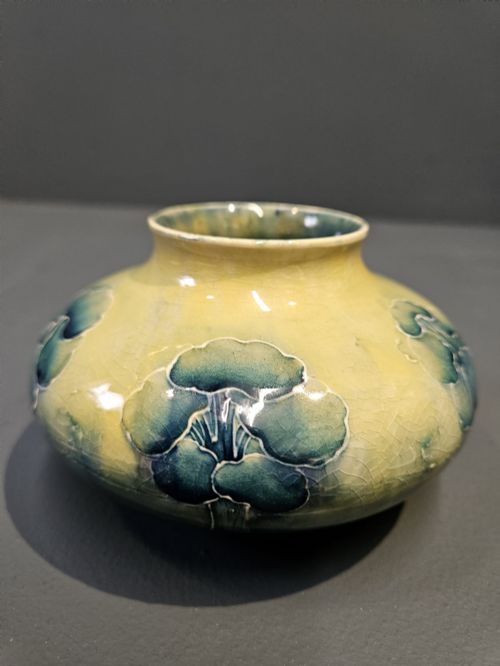
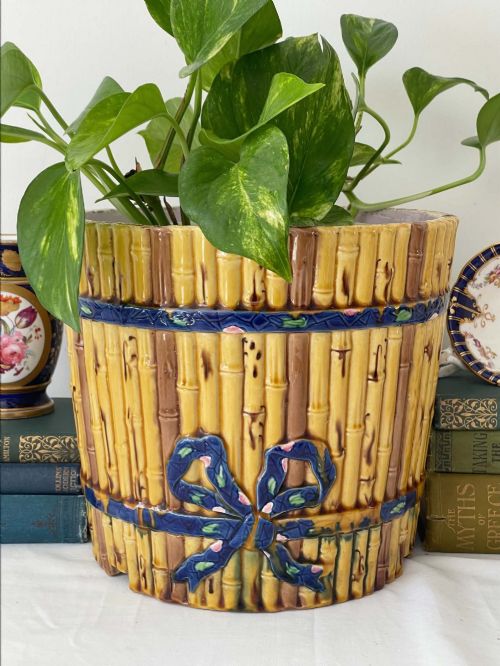
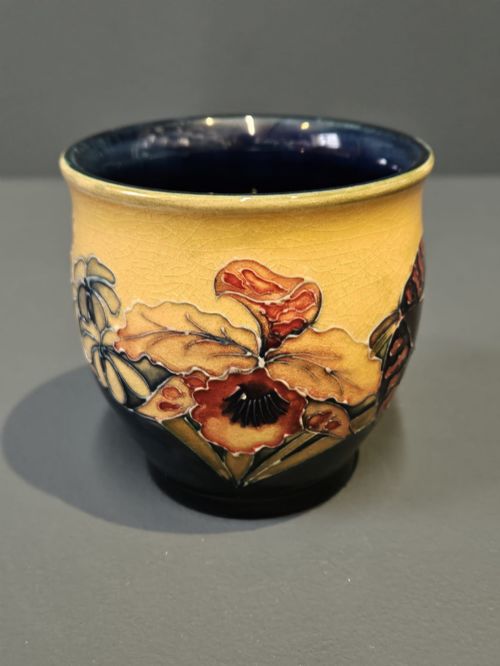
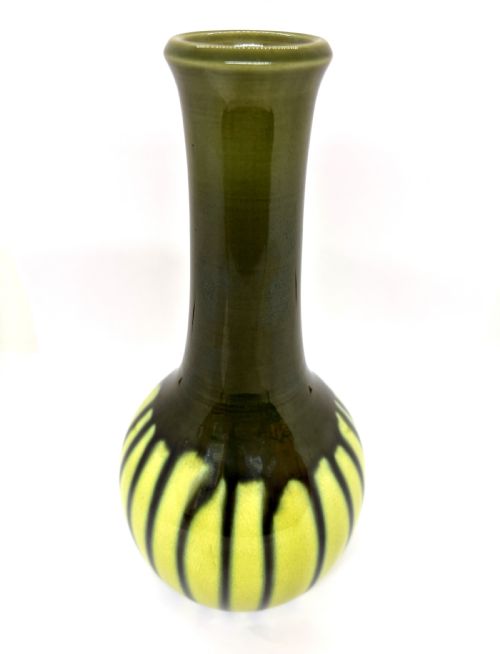
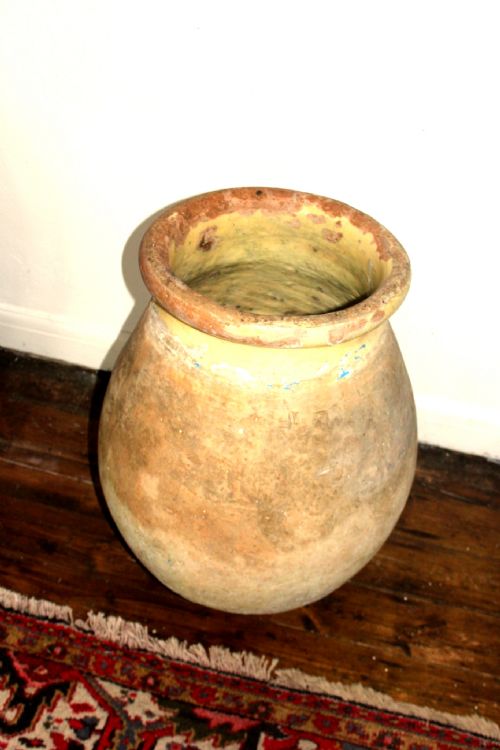
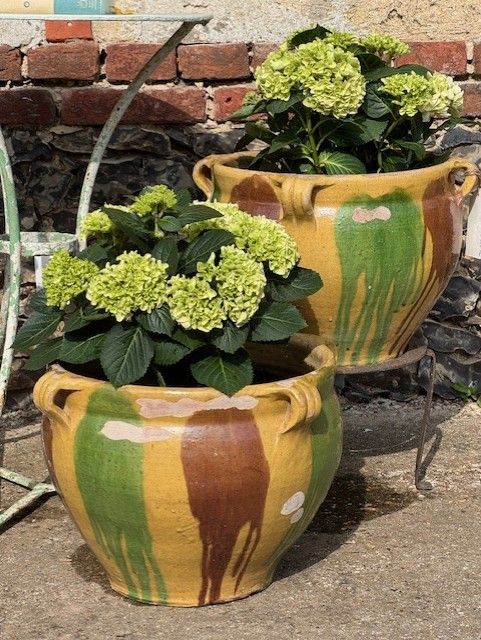
A yellow glaze pot spans centuries of utilitarian and decorative ceramics, encompassing French confit vessels, Spanish olive jars, and Italian pharmacy jars. Buyers seeking a yellow glaze pot will frequently encounter rustic provincial earthenware alongside refined majolica and porcelain from various European and Asian traditions.
The functional origins of these pieces vary from food storage and apothecary storage to floral display. utilitarian jars like French confit pots sit alongside decorative items such as Art Deco powder boxes and majolica vases.
How they were made
Makers shaped these pieces primarily from terracotta, earthenware, ceramic, and porcelain using traditional throwing and moulding techniques. Artisans then applied liquid glazes, including tin glazes and dribble glazes, before firing the vessels in kilns to achieve the characteristic yellow surface.
Surface treatments range from simple monochrome glazes to polychrome majolica painting. The interaction between the clay body and the fired glaze produces the distinct patinas seen on provincial terracotta and glazed earthenware.
Listings feature earthenware, terracotta, ceramic, porcelain, and tin glaze across periods spanning the 18th, 19th, and 20th centuries.
What varies in quality
Quality rests in the depth and consistency of the glaze application, the crispness of any moulded or painted detail, and the integrity of the clay body. Superior examples display a rich harmony between the glaze tone and the underlying form.
The provenance and historical intactness of the piece further separate ordinary utilitarian wares from exceptional examples. Age-related surface wear on older earthenware adds character when it matches the natural history of the object.
Moorcroft Hazeldene·Minton Majolica·Burmantoft's Pottery·Limoges
The Yellow Glaze Pot Glossary
- Confit pot
- A traditional French earthenware vessel used for preserving and storing food, typically featuring a glazed upper section and unglazed lower body. These jars were staples in provincial French kitchens.
- Majolica
- Tin-glazed earthenware associated with Italian and Victorian manufacture, known for colourful opaque glazes and decorative painting. The technique creates a smooth canvas for detailed ornamentation.
- Albarello
- A type of majolica pharmacy jar used by apothecaries to store dry drugs, herbs, and ointments. Their distinctive waist shape allowed handlers to grip them easily on crowded shelves.
- Terracotta
- Fired unglazed or glazed clay of a brownish-red colour, forming the structural base for many provincial pots and jars. It provides a porous and sturdy body for heavier vessels.
- Tin glaze
- An opaque white or tinted glaze made by adding tin oxide to lead glaze, providing a bright surface for painted decoration. This technique defines much of the historical European earthenware on this page.
Yellow Glaze Pot: Frequently Asked Questions
What is a yellow glaze pot used for?
These vessels served various practical purposes historically, including food preservation in French confit pots, storage in Spanish olive jars, and drug containment in Italian pharmacy jars.
Today, buyers utilise them primarily as decorative planters, umbrella stands, or standalone display objects that add warmth to a room.
How do I care for antique earthenware?
Dust these ceramic and terracotta pieces gently with a dry, soft cloth to preserve their aged patinas and delicate glazes.
Avoid using harsh chemical cleaners or submerging porous earthenware in water for extended periods, especially if the body has historical hairline cracks.
How can I tell the age of a pot?
Examine the base, glaze consistency, and wear patterns to glean clues about the manufacturing period and regional origin.
Provincial confit pots often show subtle tool marks and organic glaze pooling that reveal hand-thrown methods from the nineteenth century or earlier.
Are all yellow glaze pots French?
While French confit jars and powder boxes feature prominently among these items, the selection spans multiple origins and traditions.
Evidence includes pieces from Italy, Spain, Turkey, and China, demonstrating diverse glazing techniques across different centuries.