


French Rustic Jar
These french rustic jar pieces are utilitarian earthenware and terracotta vessels shaped for storage and display.
French Rustic Jar
A french rustic jar covers practical earthenware, terracotta and glazed containers originating from various periods including the eighteenth and nineteenth centuries. These objects take the form of confit pots, olive jars, oil pots, storage tins and vessels designed for household and agricultural tasks.
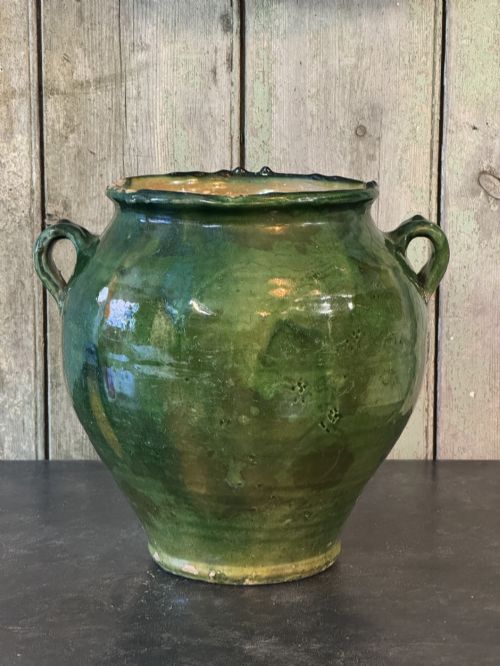
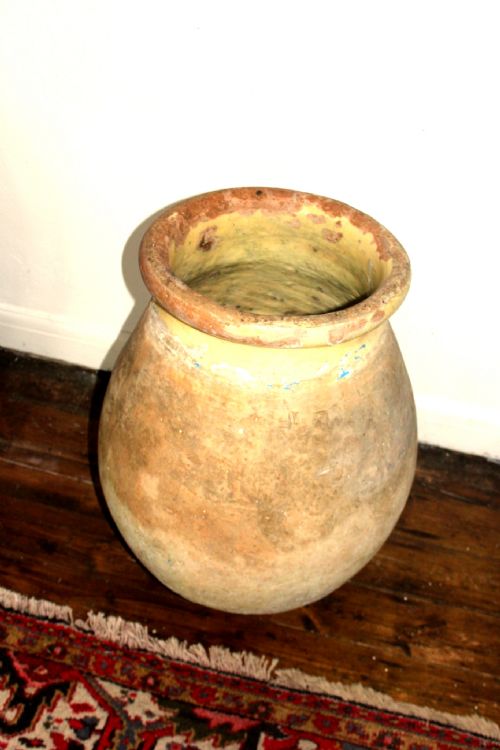
Buyers will frequently encounter nineteenth century green glazed terracotta confit pots alongside painted terracotta olive jars and walnut oil jugs. These utilitarian pieces reflect French country, provincial and rustic farmhouse styles suited to modern interiors.
How they were made
Potters shaped clay, earthenware and terracotta by hand before applying lead or salt glazes to seal the porous bodies. Iron and tin also appear where metalwork or painted surfaces form part of the construction.
Makers utilised traditional throwing and firing techniques in regional workshops to produce sturdy vessels intended for storing oil, olives, confit and vinegar.
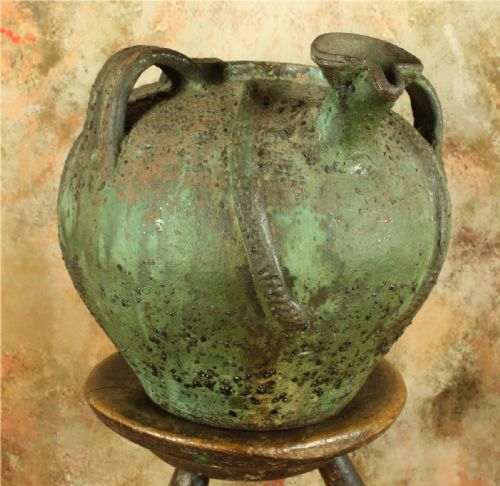
Some historic oil pots arrive with three handles, designed so multiple people could haul heavy Mediterranean harvests across uneven ground.
What varies in quality
The distinction between standard utilitarian wares and superior examples lies in the depth of the glaze, the harmony of the thrown form and the character of the surface patination. Terracotta and earthenware pieces with rich, even green glazes or well-preserved painted finishes show greater visual presence.
Proportion and surface wear distinguish finer individual vessels from simpler utilitarian storage items. Pieces retaining original handles, intact glazes or aged patinas command greater attention.
The French Rustic Jar Glossary
- Confit Pot
- A glazed earthenware vessel traditionally used in rural France for cooking and preserving meats. These jars typically feature handles and rich lead glazes.
- Terracotta
- Fired unglazed or glazed clay varying in colour from pale buff to deep reddish brown. This porous material forms the body of many garden and storage vessels.
- Salt Glaze
- A glossy, slightly textured finish created by throwing common salt into the kiln during high temperature firing. This treatment produces a durable, vitreous coating on utilitarian stoneware.
- Olive Jar
- A large terracotta or earthenware container designed for holding and transporting oil or olives. These robust forms often feature multiple handles for lifting.
French Rustic Jar: Frequently Asked Questions
What were french rustic jar vessels used for?
These vessels served practical purposes in traditional French households and agricultural settings for storing food items such as confit, olives, oil, vinegar and tobacco.
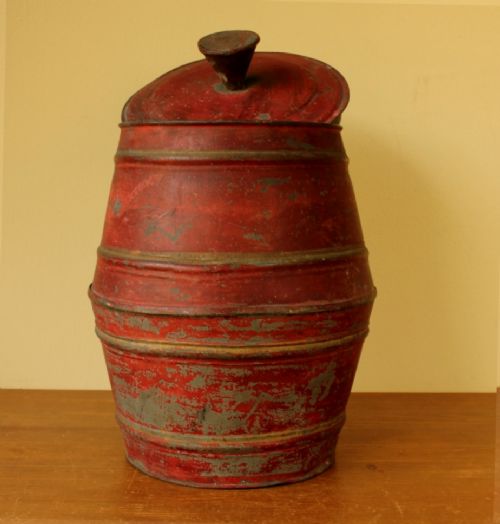
Over time, their sturdy earthenware, terracotta and tin construction allowed them to withstand heavy daily use in farmhouses and shops.
How do I style a french rustic jar at home?
These pieces integrate easily into living spaces as decorative floor pots, garden planters or tabletop display vessels.
Their neutral terracotta tones and aged green glazes complement both traditional and contemporary interiors without requiring elaborate settings.
How can I tell the period of an earthenware jar?
Dating relies upon observing the characteristics of the clay body, the consistency of the glaze and the forming techniques visible on the surface.
Eighteenth and nineteenth century examples display distinct hand-thrown irregularities and surface patinas that distinguish them from later production.
Are these jars waterproof for fresh flowers?
Many glazed earthenware and terracotta vessels hold water successfully, though older unglazed bodies can remain slightly porous.
Using a discreet inner container protects delicate surfaces when displaying fresh stems or foliage inside historic pots.