

Antique French Jar
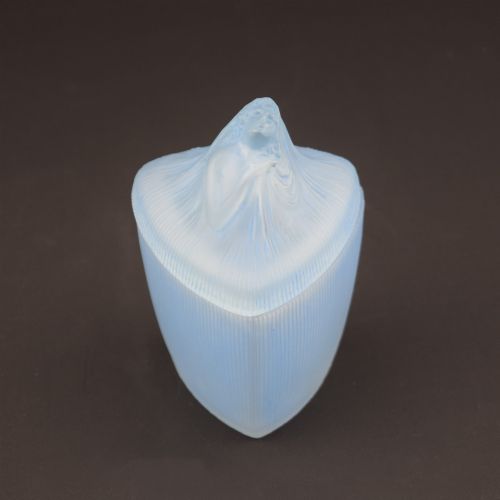
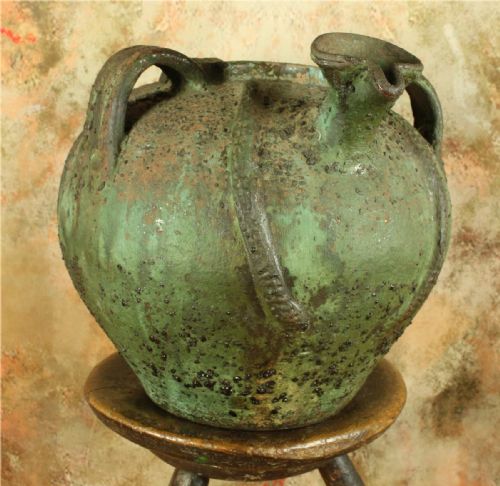
An antique french jar brings tactile history into a room, spanning rustic terracotta confit vessels and delicate glass dressing table containers.
Antique French Jar
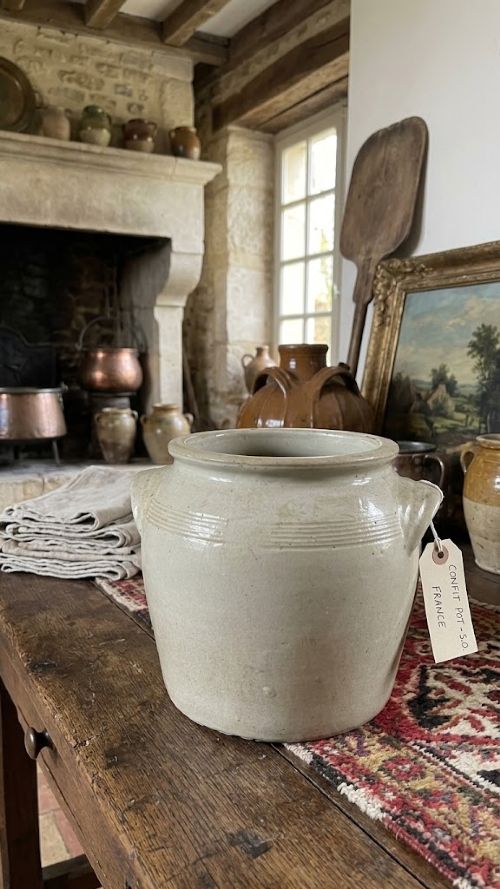
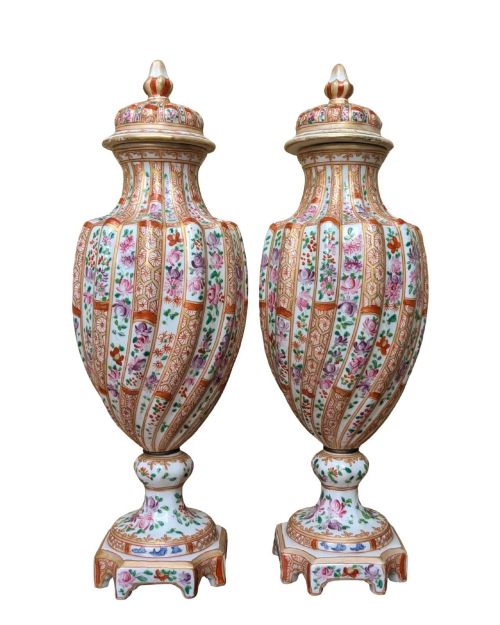
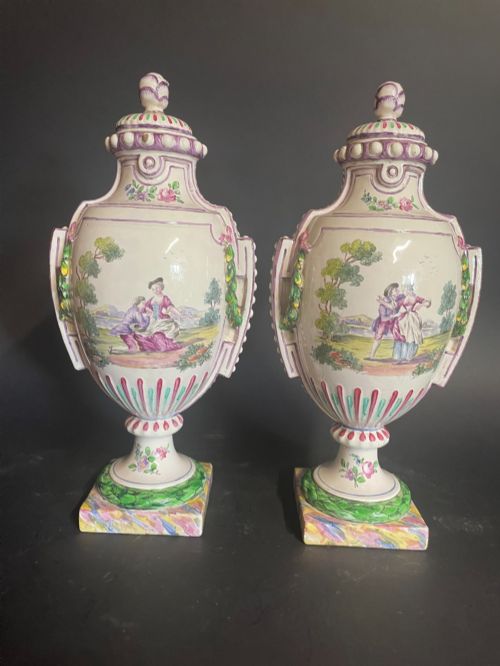
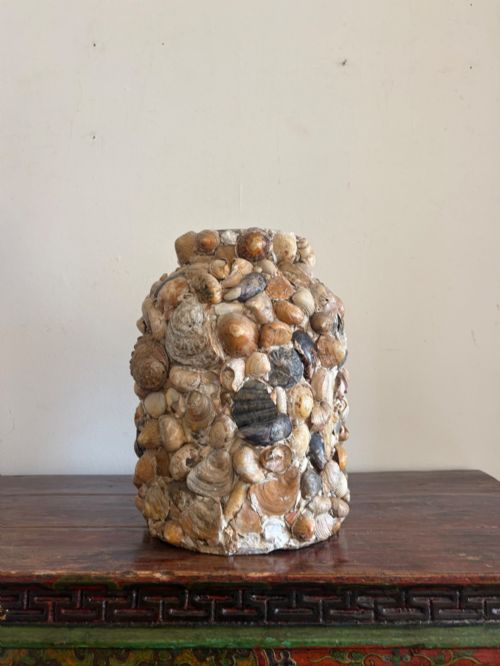
When searching for an antique french jar, buyers encounter a diverse selection ranging from utilitarian earthenware storage vessels to refined porcelain and glass containers. The inventory spans regional kitchen pottery like olive oil pots and confit jars alongside decorative mantel urns and dressing table powder boxes.
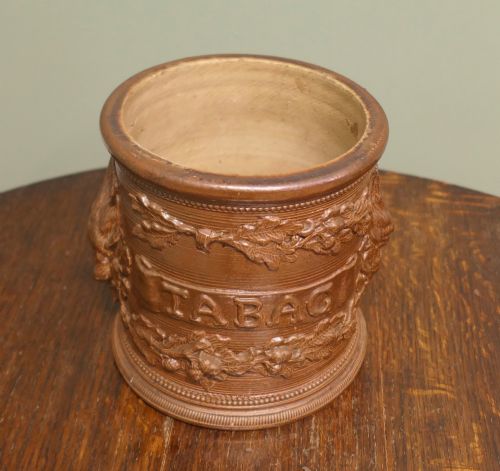
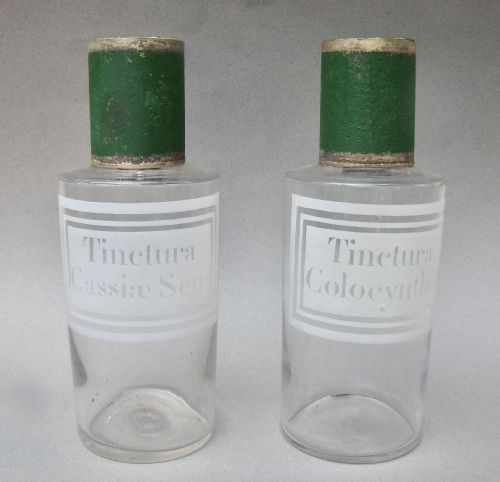
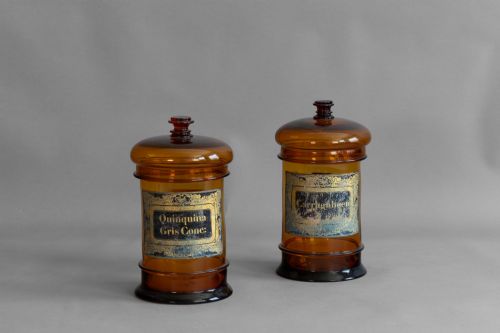
Most examples originate from the nineteenth century, reflecting various domestic and apothecary uses across French provinces and urban workshops. Pieces take the form of lidded vases, apothecary jars with etched glass, and heavy stoneware tobacco holders designed for daily utility or display.
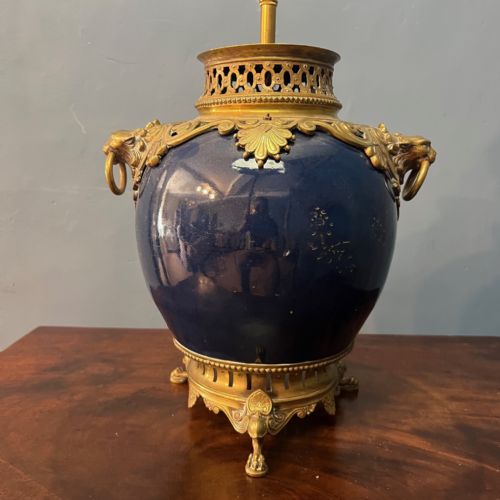
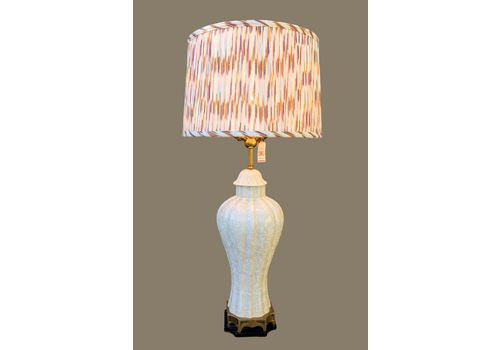
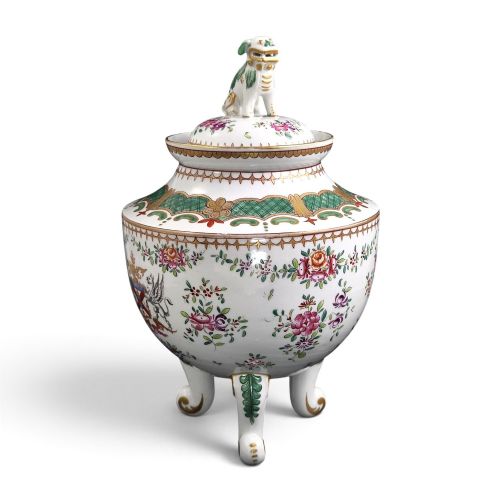
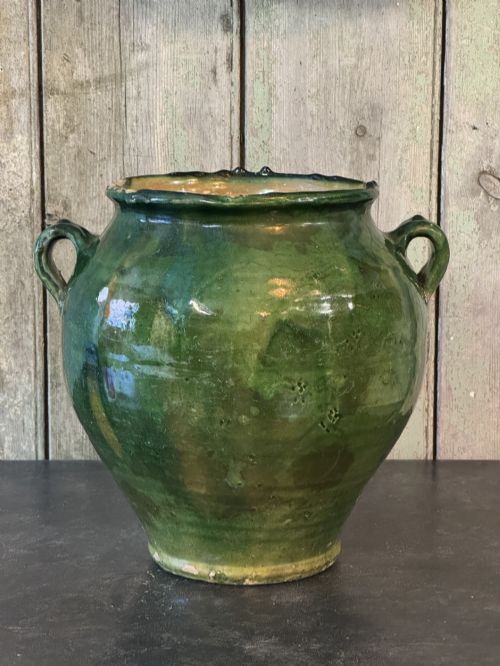
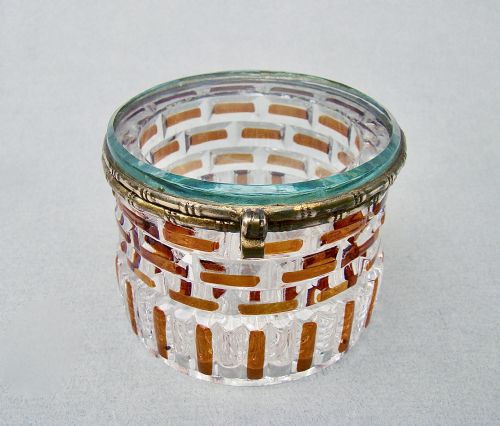
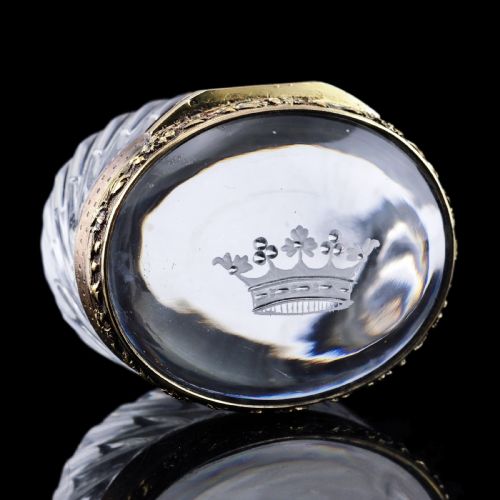
Regional variations include green and grey glazed confit pots from southern production centres, alongside ornate porcelain urns influenced by Asian styles. Buyers find both rustic terracotta garden jars with aged patina and delicate crystal boxes mounted in ormolu or silver gilt.
Materials and methods
Potters and artisans shaped these pieces using local earthenware, stoneware, terracotta, and soft-paste porcelain, often applying lead-based or salt glazes to seal the porous bodies. Earthenware storage vessels display drip glazes and natural surface wear from active use in provincial kitchens.
Glassmakers utilised moulding, blowing, and etching techniques to create transparent apothecary jars, amber trinket containers, and milk glass parlour items. Metalwork components incorporate cast brass mounts, ormolu frames, and silver gilt details attached securely to porcelain and glass bodies.
Antique French Jar Retail Price Guide 2026
Typical asking prices for french jar among the pieces listed under this phrase on Sellingantiques today, from the lower quarter to the upper quarter. They describe what is for sale here now, not the wider market.
Evaluating craftsmanship
Distinction in quality rests upon the crispness of moulded detail in glass and ceramic bodies, the even application of glaze, and the precision of metal mounts. Superior pieces maintain original lids, unblemished enamel work, and well-fitted ormolu or brass mountings without distortion.
The sophistication of hand-painted decoration, such as armorial motifs or Chinoiserie scenes on porcelain, separates standard production from finer cabinet pieces. Surface condition and the survival of distinct patination on terracotta and stoneware indicate careful preservation over generations.
Edme Samson·Fourmaintraux-Courquin·Rene Lalique·Baccarat
The Antique French Jar Glossary
- Confit pot
- A traditional French earthenware jar glazed partially or fully, utilised historically for preserving meats in fat. These vessels typically feature two or three handles and characteristic earth tones.
- Faience
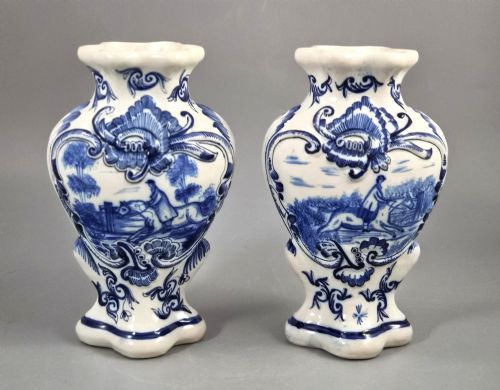
- Tin-glazed earthenware produced across France and Europe, often displaying vibrant blue and white hand-painted patterns. The opaque white glaze provides a smooth surface for elaborate decoration.
- Ormolu
- Gilded bronze mounts applied to furniture, porcelain, and glass objects during the eighteenth and nineteenth centuries. The technique involves treating brass or bronze with a mercury-gold amalgam.
- Latticinio
- Glassware incorporating white or coloured glass threads embedded within clear glass to form delicate linear patterns. This decorative technique appears frequently in nineteenth-century bowls and jars.
Antique French Jar: Frequently Asked Questions
What were antique french jars used for?
These vessels served diverse domestic, apothecary, and decorative functions across French households and shops. Utilitarian earthenware held foodstuffs like confit meats or olive oil, while smaller glass and porcelain containers stored cosmetics or medicinal powders.
Larger lidded urns and vases remained strictly ornamental, designed for display on mantels or parlour tables. Apothecary examples held dry ingredients and liquids in medical dispensaries.
How do I identify nineteenth-century french pottery?
Nineteenth-century pieces often display characteristic regional glazes, hand-thrown potting marks, and typical nineteenth-century paste compositions. Stoneware and earthenware variants show organic wear patterns resulting from agricultural and domestic use.
Porcelain items frequently carry factory marks or stylistic influences from earlier periods like Rococo Revival or Chinoiserie. Examining the base and interior reveals the manufacturing methods characteristic of the era.
How should I clean my antique jar?
Maintenance requires only gentle dusting with a soft, dry cloth to protect aged surfaces, patinas, and delicate enamel work. Avoid submerging porous terracotta or earthenware in water, as trapped moisture damages historical bodies and glazes.
Glass and glazed porcelain pieces tolerate cautious cleaning with lukewarm water and mild soap if necessary. Metal mounts require dry treatment to prevent corrosion of the gilt or brass.
Where should I display these pieces?
Rustic terracotta and glazed confit pots suit country kitchens, open shelving, and garden settings where their earthy textures stand out. Smaller glass trinket boxes and porcelain powder jars find natural placement on dressing tables or display cabinets.
Large lidded urns function well as focal points on sideboards, mantelpieces, or entrance tables. Grouping items by material creates visual balance within a room.