


Yellow Glazed Pot
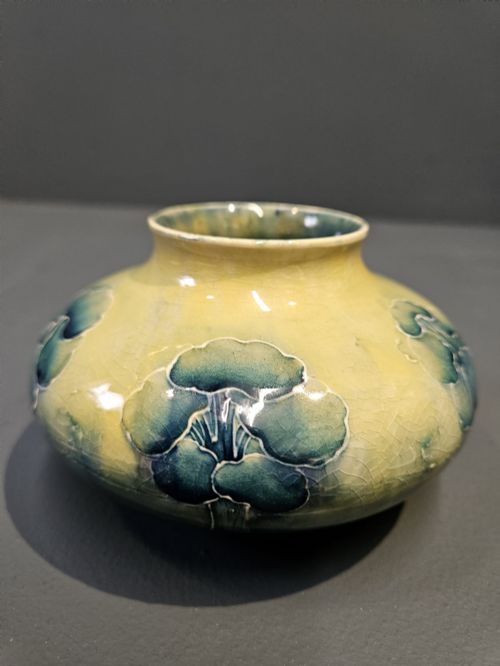
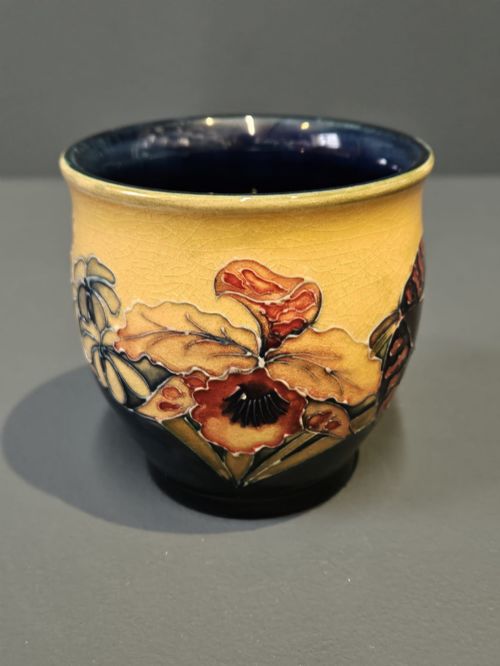
These yellow glazed pot examples span centuries of domestic and decorative earthenware, offering warm metallic and mustard tones that brighten any room.
Yellow Glazed Pot
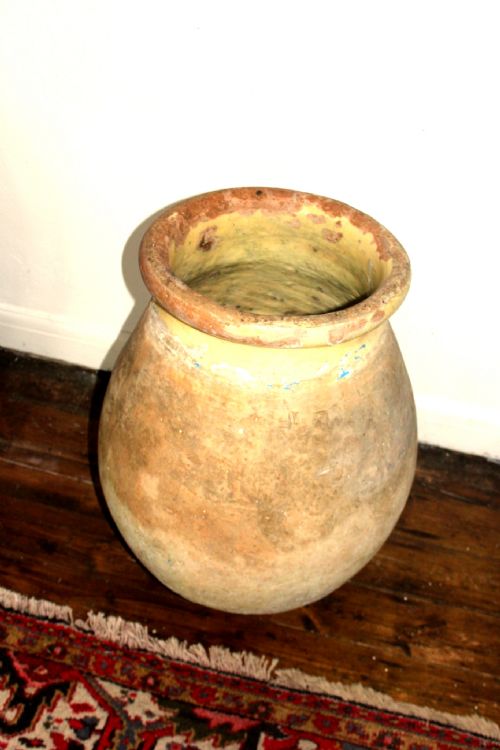
A yellow glazed pot encompasses practical storage vessels and decorative containers ranging from French confit pots and Spanish olive jars to Italian maiolica apothecary pieces. These items arrive in forms designed for everyday use in provincial kitchens as well as ornate display pieces from the eighteenth and nineteenth centuries.
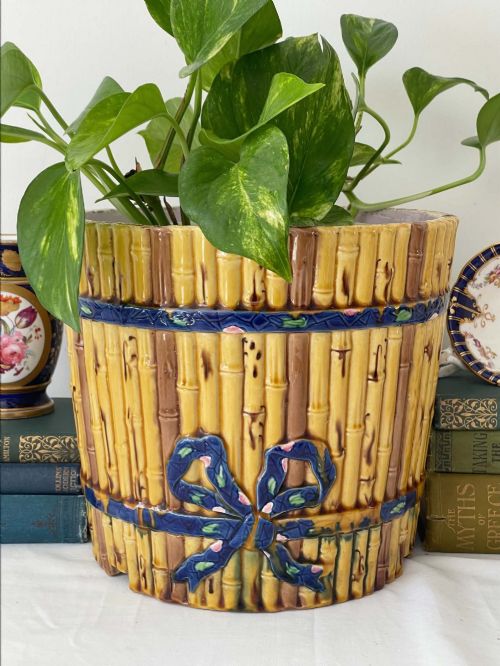
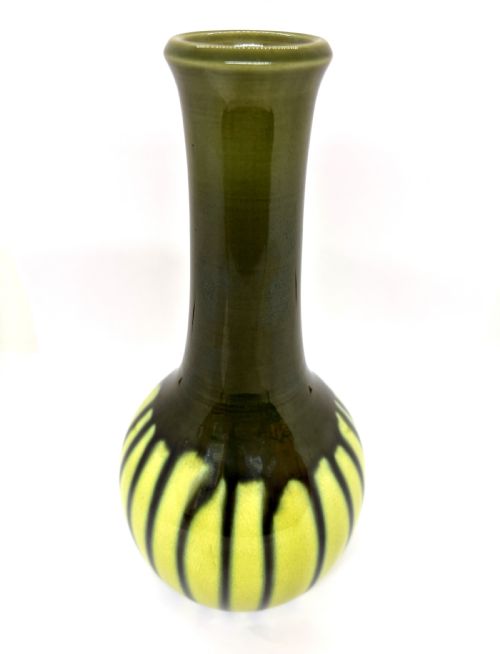
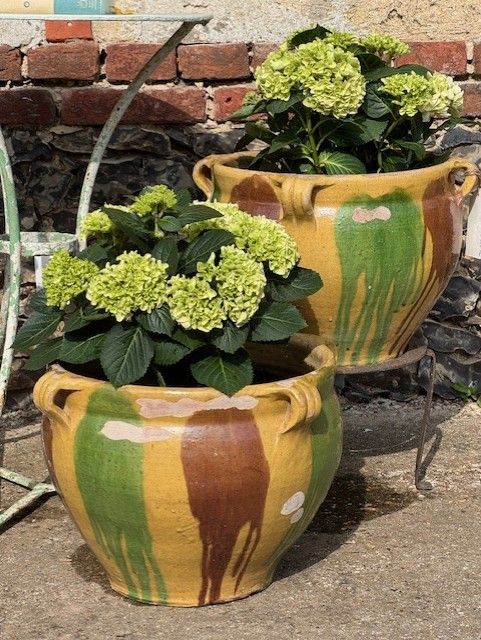
Buyers most frequently encounter provincial French examples, including glazed earthenware confit pots and drip-glazed planters alongside twentieth-century Art Deco powder bowls. The selection also stretches to British studio pottery and majolica jardinieres carrying distinct moulded details.
Origins trace across France, Italy, Spain, and Britain, spanning periods from the eighteenth century through to Art Deco and mid-century designs. Each piece reveals the distinct regional preference for tin glaze, earthenware, and terracotta bodies.
Materials and construction
Potters shaped these objects from earthenware, terracotta, and porcelain bodies, applying liquid glazes to seal the porous clay. Tin glaze and lead-based yellow glazes provide the characteristic bright surface finish seen across the French and Italian pieces.
Moulding and wheel-throwing techniques formed the structural bodies of the vases, jars, and powder boxes. Firing took place in traditional kilns, occasionally leaving subtle drips and pooling within the glaze layers.
The listings include earthenware, terracotta, and porcelain items spanning the eighteenth, nineteenth, and twentieth centuries.
Factors of quality
Depth and saturation of the yellow glaze separate standard utility wares from exceptional decorative pieces. Rich mustard tones, clear tin glazes, and well-preserved polychrome details elevate the visual impact of an object.
The crispness of moulded elements, such as bamboo motifs or figurative lids, indicates the standard of the workshop. Confit pots and storage jars gain character from the natural wear of historical use combined with stable glaze surfaces.
Moorcroft Hazeldene·Minton Majolica·Burmantoft's Pottery·Limoges
The Yellow Glazed Pot Glossary
- Confit pot
- A traditional French earthenware vessel used for preserving meats, typically featuring a partially glazed body. These pots served a purely utilitarian function in provincial kitchens before becoming decorative items.
- Majolica
- Tin-glazed earthenware associated with Italian and Victorian revival pieces, often painted with bright polychrome colours. The technique creates a smooth, opaque surface capable of holding detailed designs.
- Albarello
- A cylindrical pharmacy jar used in apothecary shops for storing drugs and ointments. Originating in the Middle East, this form became common in Italian majolica production.
- Terracotta
- Fired unglazed or glazed clay possessing a brownish-red natural hue underneath surface treatments. This material forms the durable body of many large Mediterranean storage jars.
- Dribble glaze
- A surface finish where liquid glaze runs down the sides of the vessel during the firing process. This technique produces organic, uneven patterns unique to each individual ceramic piece.
Yellow Glazed Pot: Frequently Asked Questions
How do I clean an antique yellow glazed pot?
Wash the item gently using warm water and a mild soap, avoiding abrasive pads that might scratch the glaze.
Dry the surface thoroughly with a soft cloth to protect historical terracotta and earthenware bodies.
Can I use these planters for real plants?
Many jardinieres and confit pots suit live plants, though unglazed interior terracotta can absorb moisture.
Consider placing a plastic nursery pot inside the ceramic vessel to protect the historic interior.
How do I date a French confit pot?
Examine the clay body beneath the glaze, as older nineteenth-century examples display heavier, rougher earthenware.
Look for partial glazing patterns typical of traditional food preservation methods used before modern refrigeration.
What is the difference between majolica and faience?
Majolica generally refers to Italian and Victorian tin-glazed earthenware decorated with vibrant coloured pigments.
Faience describes similar tin-glazed pottery traditions originating in France and other parts of Europe.