
White China Dish
A white china dish holds the sauces, sweets and small joints of centuries past, offering the collector a tangible piece of historic ceramic art.
White China Dish
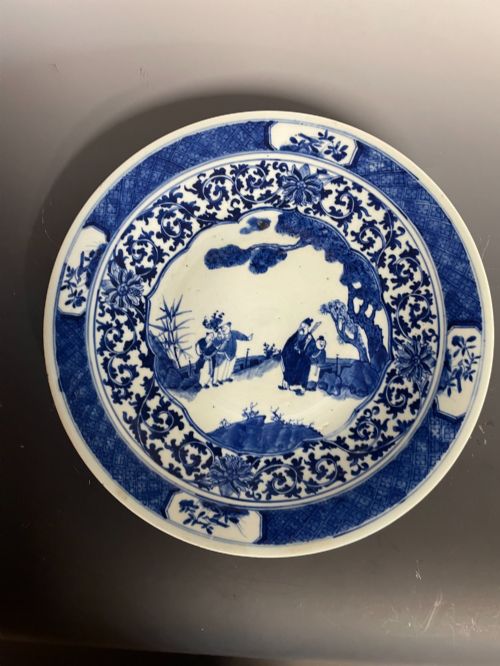
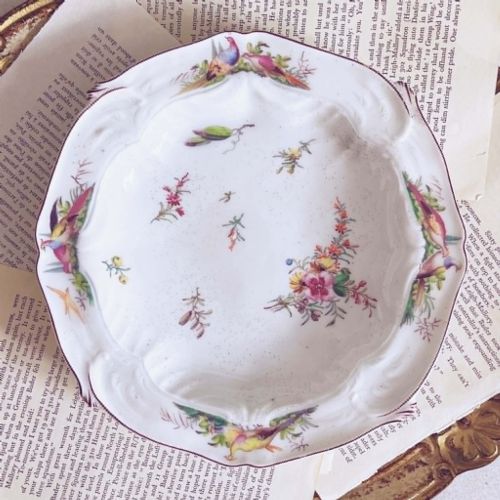
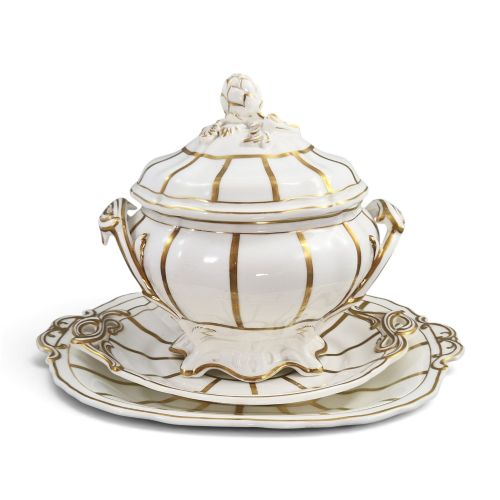
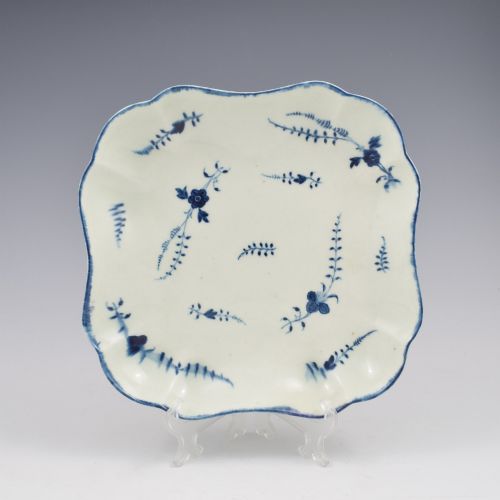
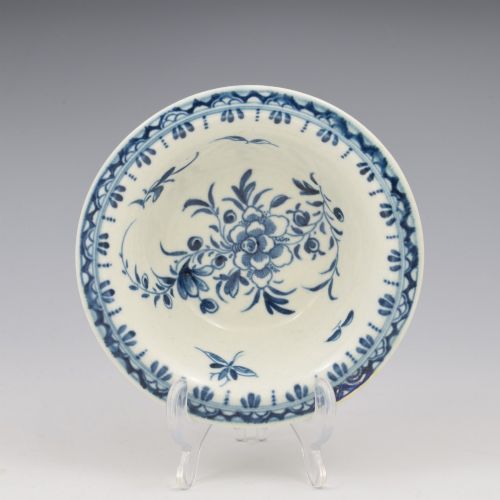
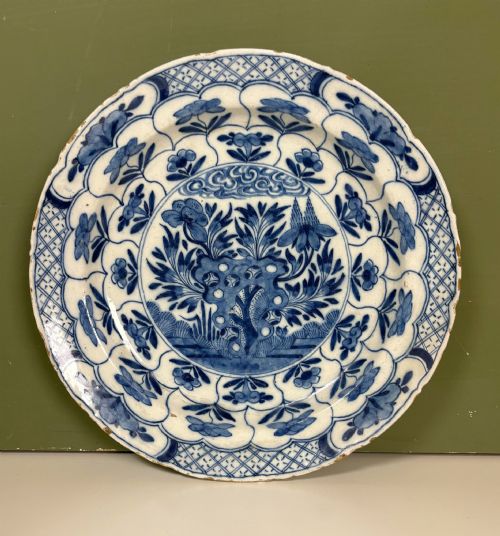
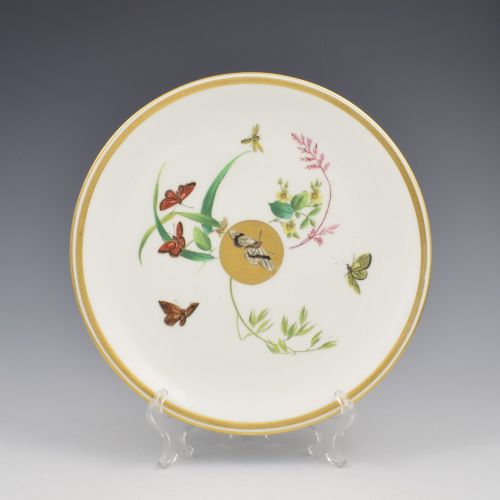
When you search for a white china dish, you encounter a diverse range of serving platters, dessert plates, tureens and pickle dishes spanning the eighteenth, nineteenth and early twentieth centuries. The selection encompasses English soft-paste porcelain from factories like Worcester and Derby alongside continental European porcelain and Asian wares.
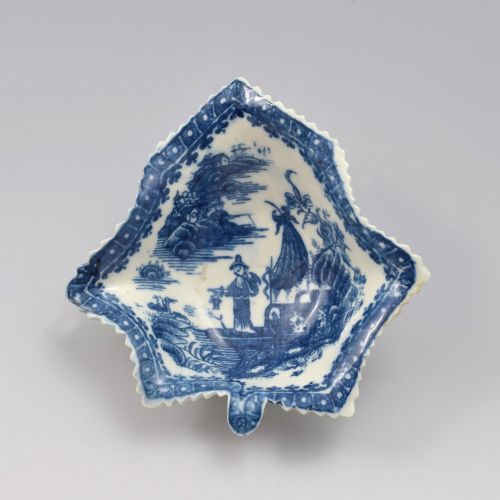
The form varies from leaf-shaped pickle dishes and square dessert dishes to deep saucer-dishes and meat platters. You will find items produced during the Georgian and Victorian eras, alongside Chinese export wares and earlier Ming Dynasty pieces.
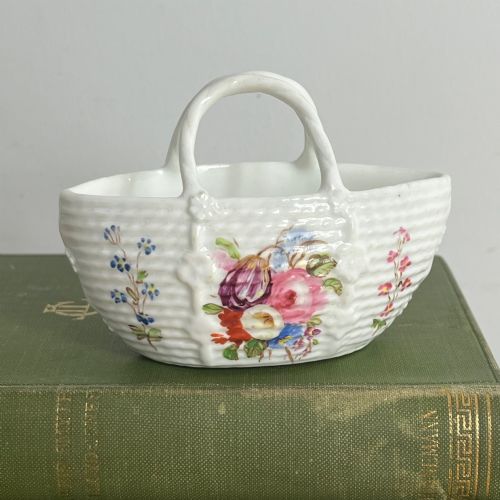
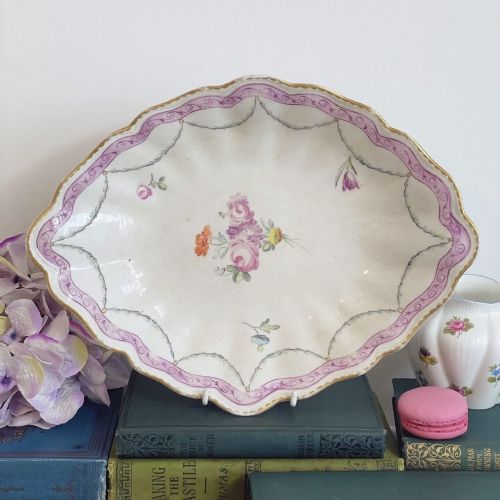
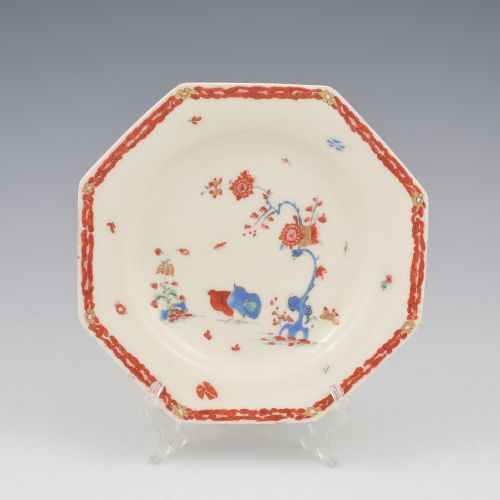
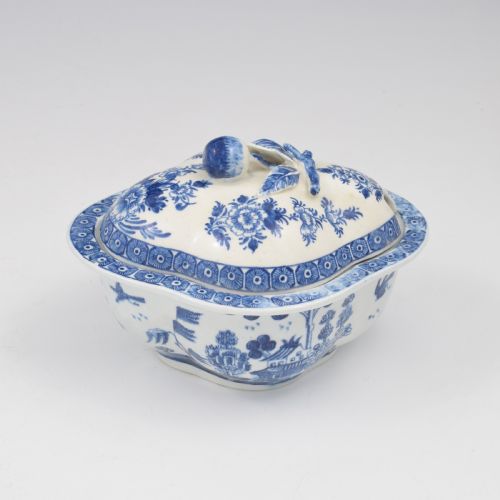
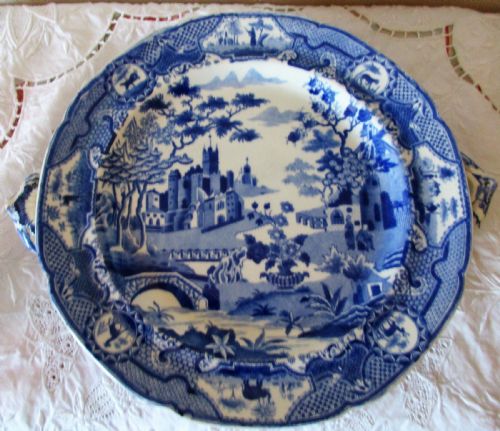
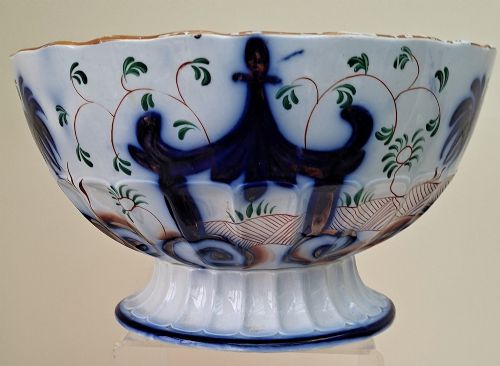
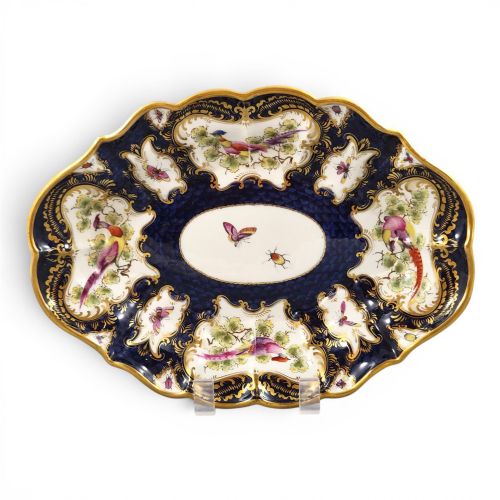
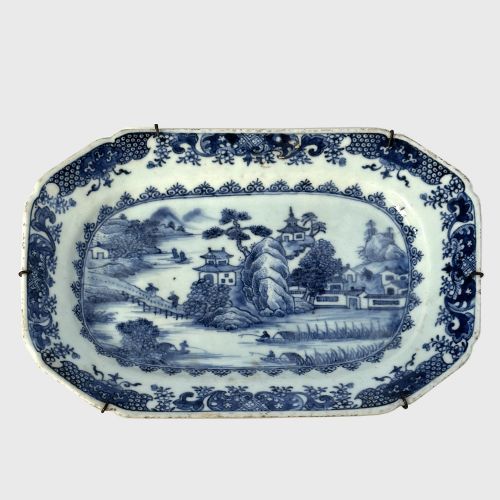
Many examples display intricate handpainted floral motifs, blue and white transfer prints, or moulded details such as the Kakiemon quail pattern. Others offer plain white surfaces that highlight the subtle translucency and texture of the underlying ceramic material.
How they were made
Potters utilised porcelain, earthenware, soft-paste porcelain and ironstone, shaping them into plates, dishes and tureens by hand or with moulds. Glaze was applied to seal the ceramic body, often providing a smooth, glossy surface ready for subsequent decoration.
Craftsmen applied polychrome pigments and blue and white transfer prints by hand, sometimes incorporating gold leaf and gilding to accentuate rims and patterns. Kiln firing fixed these colours into the glaze, producing durable finishes that survive across centuries.
One unexpected archive entry pairs a Victorian butter dish with an original white china liner, ready for morning toast.
What varies in quality
The refinement of the ceramic body and the precision of the potter's moulding distinguish finer items from simpler utilitarian wares. Early soft-paste porcelain displays a particular warmth and variation in texture that separates it from later mass-produced ironstone.
Artistic execution in the handpainted floral or figurative elements marks the upper tier of production, where skilled brushwork and clear polychrome enamels remain crisp and well-preserved. Gilding retention and the clarity of blue and white transfer printing further indicate the original standard of manufacture.
Flight Barr & Barr·Caughley·Derby·Chelsea·Bow·Davenport·Dr Wall Worcester·Spode·Minton·Royal Worcester·Meissen·Paul Müller Selb·Doulton Burslem·Sevres·Müller Volkstedt
The White China Dish Glossary
- Soft-paste porcelain
- A ceramic material composed of clay and glass frit, fired at lower temperatures than hard-paste porcelain. It produces a slightly creamy body with high translucency, common in eighteenth-century English factories.
- Transfer print
- A decorative technique where an engraved copper plate transfers an inked design onto paper, which is then stamped onto the ceramic biscuit before glazing. This method enabled consistent, intricate blue and white patterns on meat platters and plates.
- Gilding
- The application of gold leaf or powdered gold to ceramic surfaces, typically fired to bond with the glaze. It highlights rims, handles and decorative borders on dessert dishes and plates.
- Ironstone
- A heavy, durable type of earthenware patented in the nineteenth century to imitate porcelain. It provides robust utility for large meat platters and tureens while accepting transfer print decoration readily.
- Polychrome
- The use of multiple distinct colours in the handpainting of ceramic designs. Eighteenth-century factories employed these palettes for floral sprays, birds and oriental motifs.
White China Dish: Frequently Asked Questions
How do I date an antique white dish?
Dating relies on identifying maker's marks stamped or painted on the underside, stylistic cues like Rococo moulding or transfer print themes, and the specific characteristics of the ceramic paste.
Examining the glaze texture and wear patterns also helps narrow down whether a piece originates from the eighteenth century or the later Victorian era.
Can I use these dishes for serving food?
While many pieces originated as functional tableware such as meat platters, sauce tureens and dessert dishes, their historic nature requires careful consideration.
Handwashing in lukewarm water with mild soap is recommended to preserve delicate gilding and eighteenth-century enamels from modern detergents.
How should I display a decorative plate?
Displaying cabinet plates and serving dishes involves using stable wall hangers designed for ceramics or secure plate stands that support the base.
Keeping pieces away from direct sunlight prevents the fading of handpainted polychrome enamels and protects delicate gilt rims over time.