




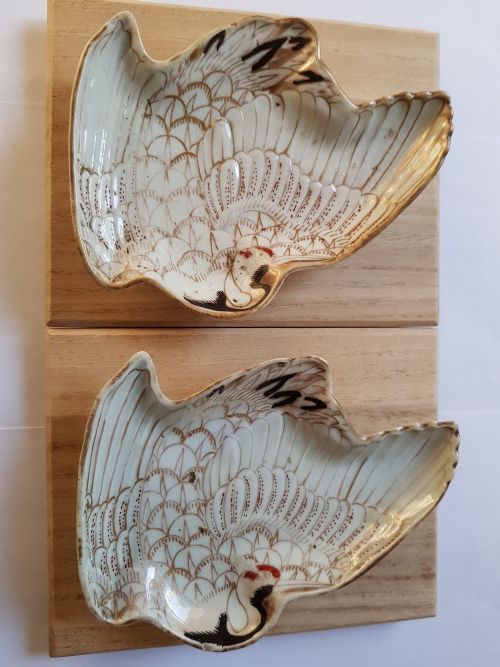

White Porcelain Bird Plate
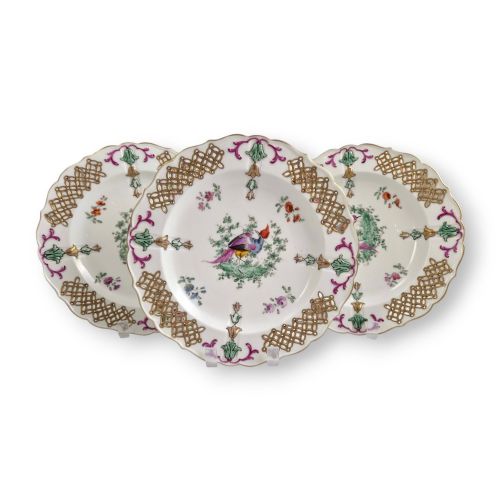
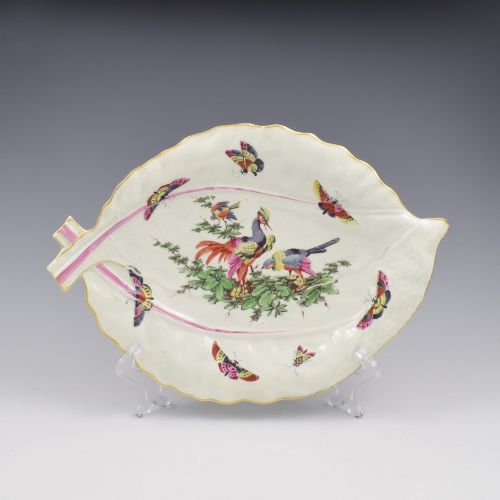
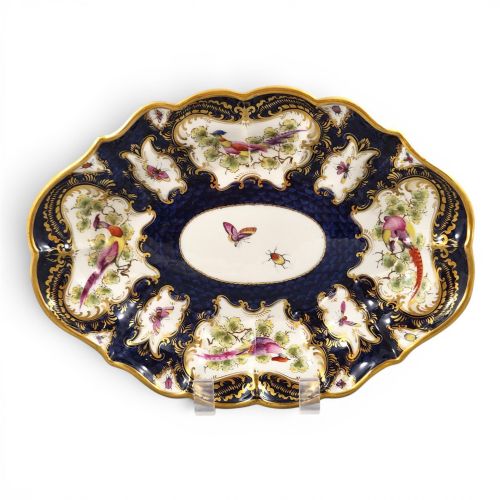
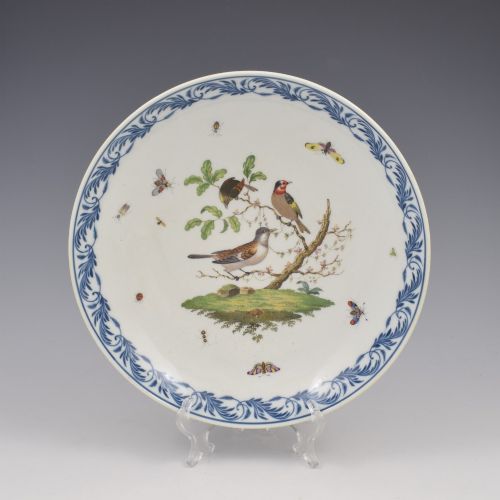
These white porcelain bird plate examples range from eighteenth-century Worcester leaf dishes to nineteenth-century Meissen dessert services, bringing hand-painted ornithological subjects to the table.
White Porcelain Bird Plate
When you search for a white porcelain bird plate, you are looking at utilitarian and decorative dining vessels ornamented with hand-painted or enamelled avian subjects. The pieces on this page span several centuries, moving from eighteenth-century English works to nineteenth-century continental manufactories and Japanese exports.
The most common forms you will meet here are dessert dishes, cabinet plates, and decorative chargers. These items were designed to serve fruit or to be displayed upon walls and within display cabinets rather than for everyday dining.
Origins vary widely across the inventory, encompassing English factories such as Worcester and Wedgwood, German workshops including Meissen, and Japanese Arita kilns. Each region brought distinct painting styles and clay bodies to the subject.
Materials and manufacture
The bodies utilise hard-paste porcelain, bone china, and soft-paste formulations depending on the origin and period. Artisans applied liquid glazes to the fired clay before adding detailed overglaze enamel paintings of birds, foliage, and insects.
Gilding, gold leaf, and gilt accents frequently highlight the rims and borders of these dishes. Certain pieces incorporate moulded shapes in shallow relief, such as leaf forms or crane silhouettes, shaped directly in the wet clay before firing.
White Porcelain Bird Plate Retail Price Guide 2026
Typical asking prices for white porcelain bird plate among the pieces listed under this phrase on Sellingantiques today, from the lower quarter to the upper quarter. They describe what is for sale here now, not the wider market.
Listings span the eighteenth century to the twentieth century, featuring hard-paste porcelain, bone china, enamel, and gold leaf across English, German, and Japanese origins.
Evaluating quality
The fidelity and delicacy of the hand-painted ornithological subjects separate fine examples from standard production. Superior pieces display anatomical precision in the birds and botanical accuracy in the surrounding flora, painted by skilled porcelain artists.
The application of enamel colours and the crispness of any gilding indicate the level of craftsmanship involved. Well-preserved painted surfaces with minimal wear demonstrate both initial manufacturing skill and careful subsequent handling.
Wedgwood·Worcester·Meissen·Royal Worcester·Grainger and Co·Crescent China
The White Porcelain Bird Plate Glossary
- Hard-paste porcelain
- A dense, vitrified ceramic made from petuntse and kaolin, fired at high temperatures. It resists scratching and presents a bright white surface suitable for fine enamel painting.
- Bone china
- An English ceramic body incorporating bone ash alongside china stone and clay. It offers a slightly warmer white tone and remarkable strength.
- Enamel
- Coloured glass powder fused to the porcelain surface during a secondary low-temperature kiln firing. This technique allows for vibrant red, blue, green, and black pigment details.
- Reticulated
- Pierced or openwork decoration cut into the rim of a plate or dish before firing. This creates intricate geometric or floral lattice patterns.
- Charger
- A large decorative plate or platter that exceeds standard dining dimensions. These pieces were traditionally used for serving large joints of meat or displayed upright on sideboards.
White Porcelain Bird Plate: Frequently Asked Questions
Were these bird plates used for dining?
Many of these pieces served practical functions for desserts, side courses, or formal presentation at the table. Dessert dishes and soup plates held sweet courses or rich dishes during elaborate nineteenth-century meals.
Cabinet plates and chargers were often intended primarily for display on sideboards or walls. Their painted ornithological subjects suited them for decorative use within formal rooms.
How do I identify a Meissen bird plate?
Meissen pieces from the eighteenth and nineteenth centuries frequently feature crossed swords marks painted in underglaze blue on the reverse. They often incorporate rococo scrolls, gilt flowers, and meticulously detailed exotic birds.
German production from this period also makes use of hard-paste porcelain bodies and reticulated borders. The painting style relies on fine brushwork for plumage and naturalistic backgrounds.
What is the difference between English and Japanese bird plates?
English factories like Worcester and Wedgwood combined European botanical illustration styles with bone china or soft-paste bodies. Their designs often focus on named bird species within gilt borders.
Japanese Arita and Meiji period pieces utilise hard-paste porcelain with distinct glaze characteristics, iron red highlights, and asymmetrical compositions. These reflect regional aesthetic traditions quite different from European neoclassical or rococo revivals.
How should I display porcelain plates safely?
Plates designed with hanging rings or securely fitted wall wire hangers can be mounted vertically on walls. Ensure the hardware supports the specific weight and diameter of the charger or dish.
For cabinet display, utilise stable plate stands that support the base without putting stress on the rim. Keep porcelain away from areas of high foot traffic or direct sunlight to protect the enamel colours.