

Victorian Decorative Ceramics
Victorian decorative ceramics encompass the vast array of nineteenth-century pottery, porcelain, and earthenware created to ornament period interiors.
Victorian Decorative Ceramics
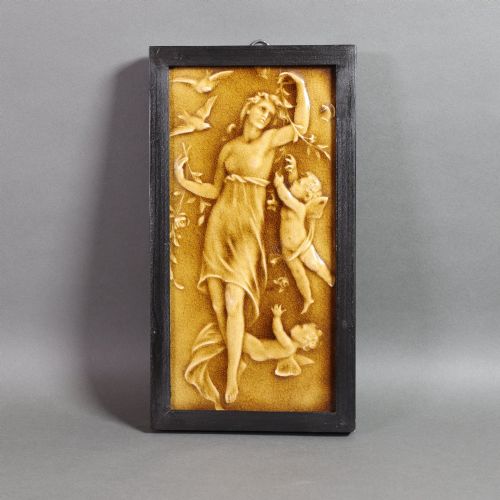
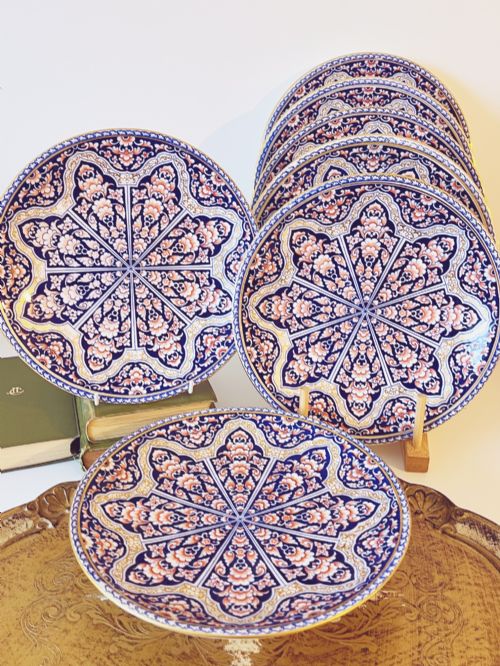
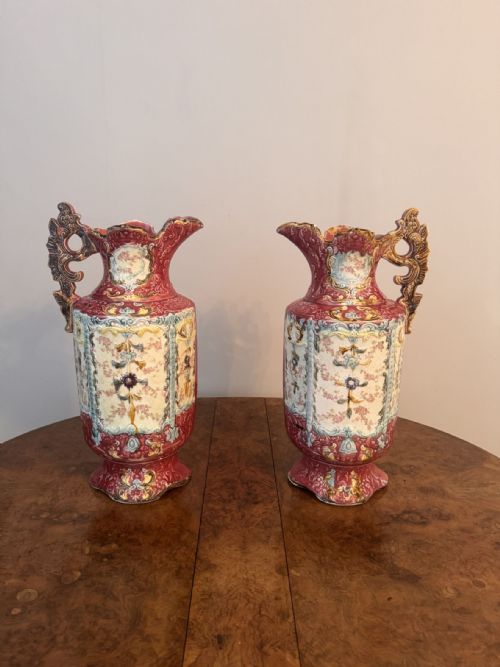
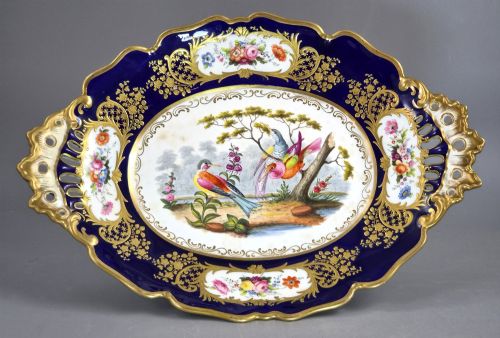
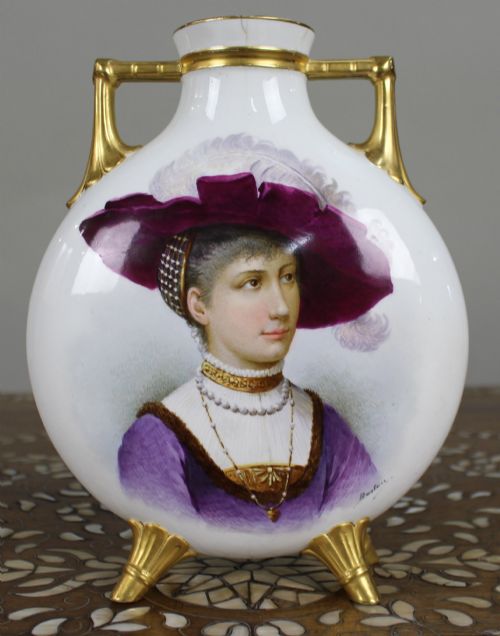
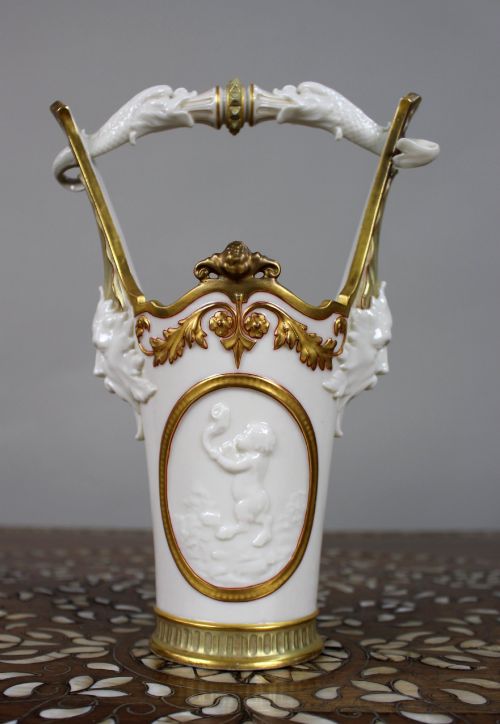
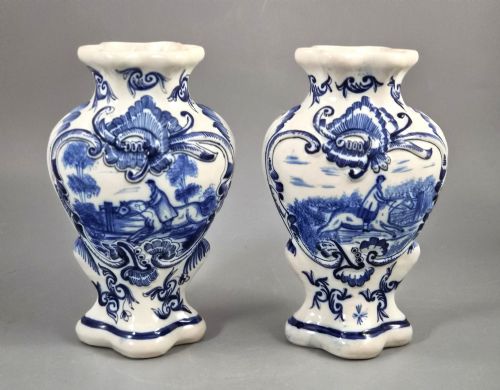
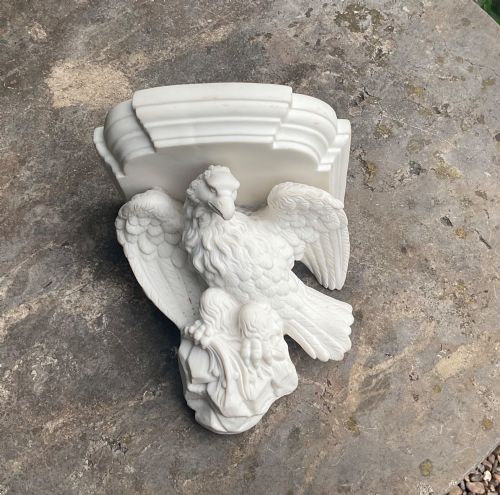
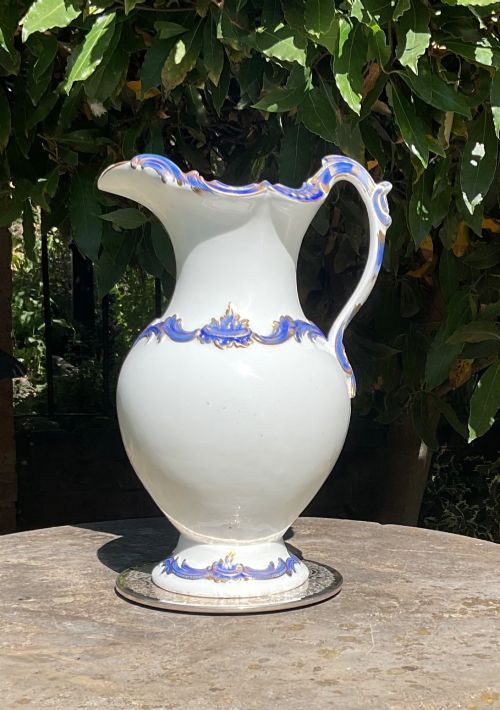
Victorian decorative ceramics span diverse functional and ornamental forms, including vases, ewers, jardinieres, chargers, and dessert services.
Makers from English potteries, Scottish works, and continental European factories produced these pieces during the nineteenth century and into the Edwardian era.
The objects frequently reflect historicist and revivalist tastes, drawing upon Rococo, Renaissance, and Japanese design influences.
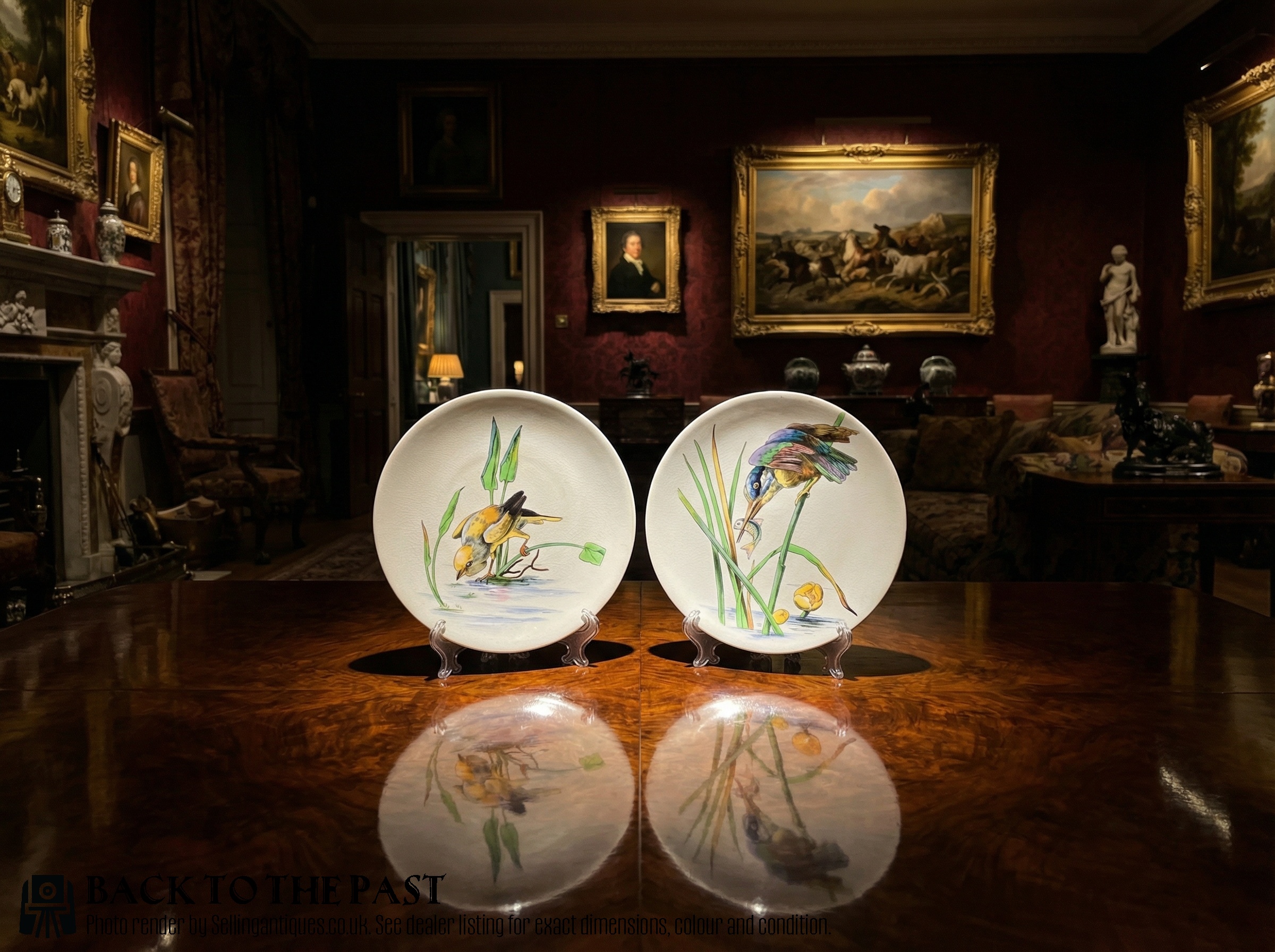
Materials and Techniques
Potters shaped ceramic and porcelain bodies through throwing, moulding, and casting, often applying intricate glazes and underglaze colours.
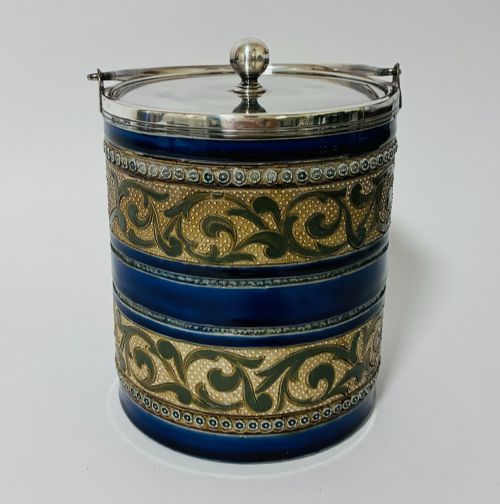
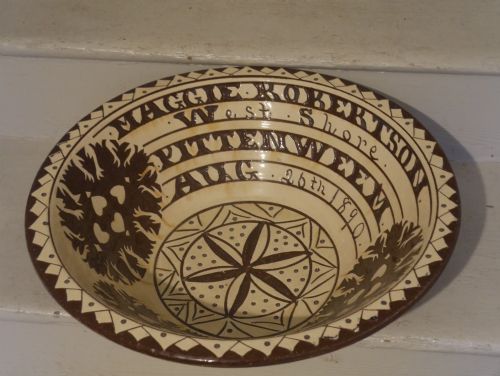
Decoration relied heavily on hand-painting, transfer printing, and gilding with gold leaf, alongside specialised techniques like salt-glazing and faience work.
Victorian Decorative Ceramics Retail Price Guide 2026
Typical asking prices for victorian decorative ceramics among the pieces listed under this phrase on Sellingantiques today, from the lower quarter to the upper quarter. They describe what is for sale here now, not the wider market.
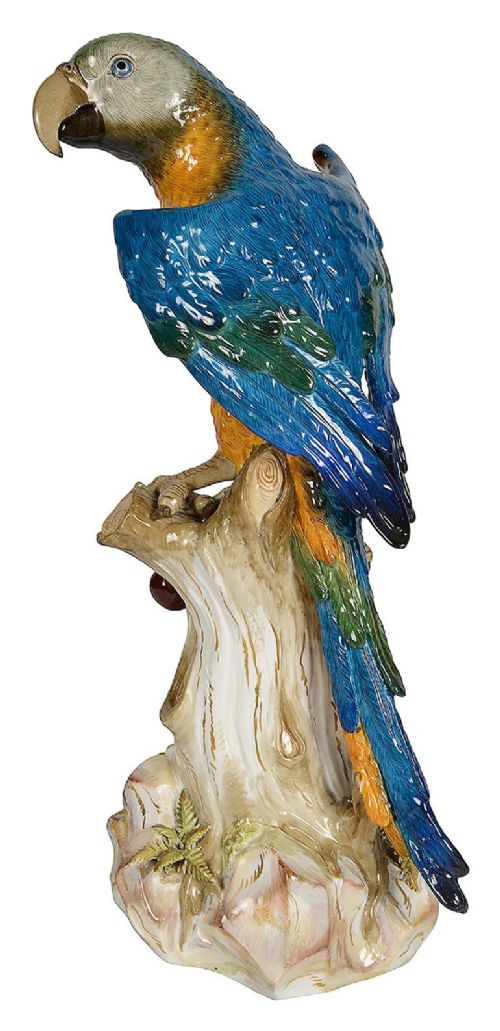
Cats and parrots peer out from ceramic glazes, immortalised in earthenware alongside grand historical battles and delicate floral studies.
Craftsmanship and Execution
Quality rests upon the crispness of moulded detail, the precision of hand-painted motifs, and the depth of the glaze.
Pieces bearing signatures, factory stamps, or specific artist marks demonstrate higher levels of studio supervision and execution.
Royal Crown Derby·Royal Worcester·Doulton Lambeth·Sitzendorf·Coalport·Meissen·Minton·Helena Wolfsohn·Cantagalli Florence·Burmantoft's Pottery·Seaton Pottery·Keeling and Co
The Victorian Decorative Ceramics Glossary
- Earthenware
- A porous pottery body fired at lower temperatures, typically requiring an impermeable glaze to hold liquids.
- Porcelain
- A fine, vitrified ceramic material made from kaolin, fired at high temperatures to achieve a white, translucent body.
- Majolica
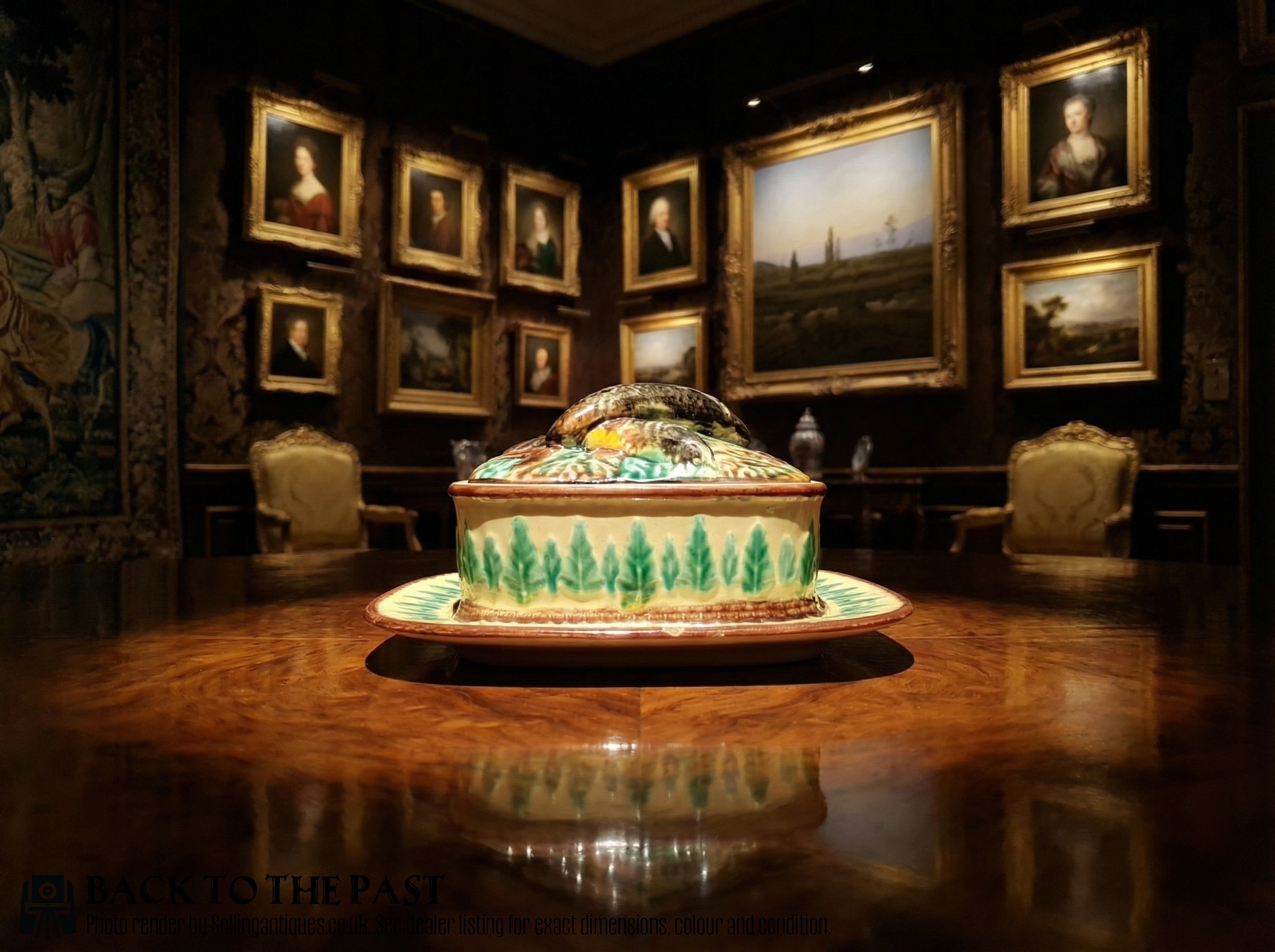
- A colourful, tin-glazed earthenware developed with rich lead glazes during the nineteenth-century revival of Renaissance styles.
- Imari
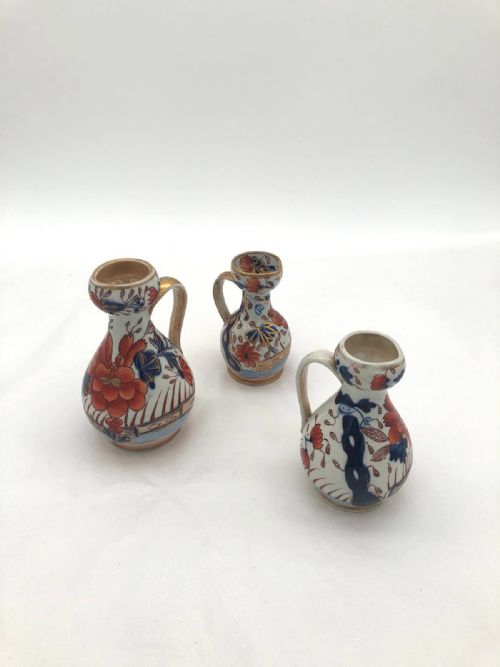
- A style of Japanese export porcelain characterised by underglaze blue and iron red highlights, widely emulated by European potteries.
- Gilt
- A surface decoration technique applying a thin layer of gold leaf or gold paint to ceramic details.
Victorian Decorative Ceramics: Frequently Asked Questions
How were these ceramics displayed?
Owners placed ornamental vases, ewers, and decorative bowls on mantelpieces, sideboards, and occasional tables to demonstrate taste and refinement.
Larger chargers and plaques hung upon walls or sat upon specialised stands within the principal entertaining rooms.
Are these pieces suitable for daily use?
Most items served primarily ornamental functions, though some utilitarian forms like jugs and tableware were built for practical domestic service.
Delicate painted surfaces and applied gold leaf require careful handling and hand washing rather than heavy everyday use.
How do I identify factory marks?
Potteries stamped, impressed, or painted their emblems, ciphers, and registration numbers directly onto the unglazed bases of the ceramic bodies.
Reference books help match these stamped ciphers and pattern names to specific production decades.
What defines the Aesthetic Movement style?
Aesthetic pieces abandoned heavy historical revivalism in favour of asymmetry, stylised flora, and direct inspiration from Japanese art.
Palettes often combined muted backgrounds with striking highlights of blue, gold, and copper.