


Orientalist Porcelain Figures
Orientalist porcelain figures capture Victorian and Edwardian fascination with Eastern subjects through glazed ceramic.
Orientalist Porcelain Figures
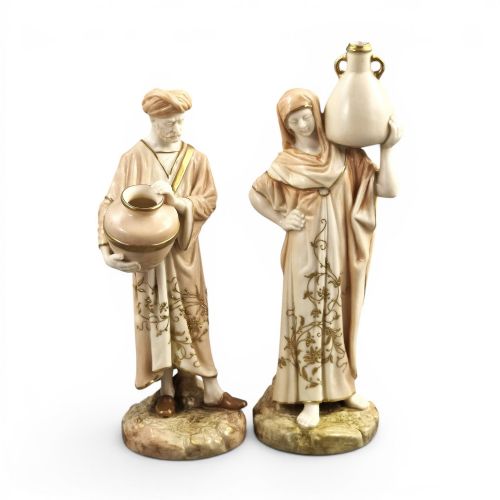
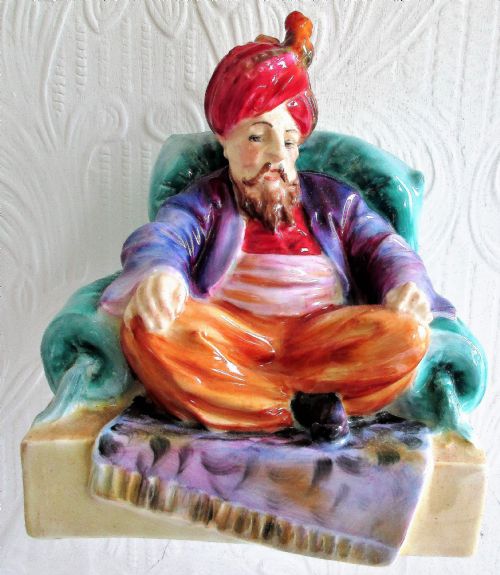
When you search for orientalist porcelain figures, you encounter sculptural ceramic depictions of Middle Eastern, North African and Asian subjects produced by European potteries. These decorative statuettes range from large pairs of water carriers and musicians to single figures modelled with distinct regional attire.
The pieces represented on this page span from the eighteenth century through the nineteenth and twentieth centuries, with Victorian and Edwardian examples forming the core of the selection. You will frequently meet works by prominent factories such as Royal Worcester, Royal Dux and Turn, reflecting the height of late nineteenth century taste for exotic character studies.
Materials and Techniques
These figures are shaped from ceramic and porcelain paste, then fired and finished with polychrome glazes and enamel. Many examples incorporate hand-applied gold leaf and detailed gilding to highlight the intricate patterns of textiles and accessories.
Moulding and hand-modelling are combined to achieve the fine expressions and draped garments seen in works by makers like James Hadley. Specialised finishes such as blush ivory and patent metallic glazes provide the distinctive matte and lustrous surfaces characteristic of the period.
Elephants and water carriers share shelf space with eighteenth-century figures representing entire continents.
Judging Quality
The sophistication of the palette and the application of gilding further distinguish finer examples. Works associated with named modellers demonstrate greater artistic ambition in pose and detail than standard commercial output.
Royal Worcester·Royal Dux·Royal Doulton·Carl Thieme Dresden
The Orientalist Porcelain Figures Glossary
- Patent metallic
- A specialist glossy glaze finish used on late nineteenth-century ceramics. It produces a rich, shimmering effect on costume details.
- Enamel
- Vitreous coloured pigments applied over or under the glaze to decorate porcelain. It is fired at high temperatures to achieve permanence.
- Polychrome
- The use of many colours in the decoration of ceramic surfaces. This technique brings out the varied hues of traditional textiles in figure painting.
Orientalist Porcelain Figures: Frequently Asked Questions
How do I date these figures?
Dating relies on factory factory marks stamped or painted on the base, alongside stylistic clues such as clothing fashions and glaze types. Victorian pieces often feature specific registry numbers or factory ciphers specific to the decade of production.
Earlier eighteenth-century examples display simpler hand-painted palettes and softer paste bodies. Comparing base markings with established factory records provides the most accurate date of manufacture.
How should I display them?
Place these figures in well-lit display cabinets or on stable shelves away from direct sunlight and high traffic areas. Their painted enamel and delicate glazed extremities benefit from stable indoor environments.
Pairing matching figures, such as water carrier pairs, creates a balanced visual display on a mantelpiece or sideboard. Ensure the supporting surface is level to protect historical ceramic bases.
How are different factories identified?
Factories are identified through maker marks, impressed stamps, and painted signatures found underneath the base. Prominent houses like Royal Worcester used date codes and specific printed ciphers that indicate the exact year of firing.
Stylistic traits such as the blush ivory body or specific pastel palettes also point toward particular workshops. Sculptural signatures or modelled registration numbers further confirm attribution to makers like James Hadley or Royal Dux.