


Antique Wedgwood Bowl
These antique wedgwood bowl examples combine exceptional British ceramic design with intricate decoration, offering both striking visual impact and enduring historical interest.
What They Are
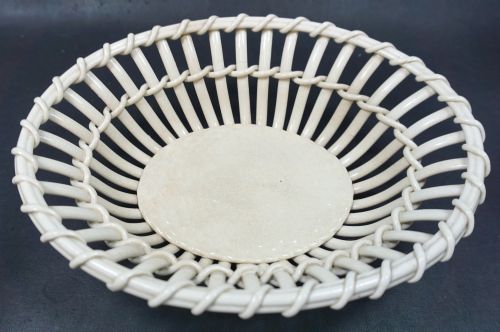
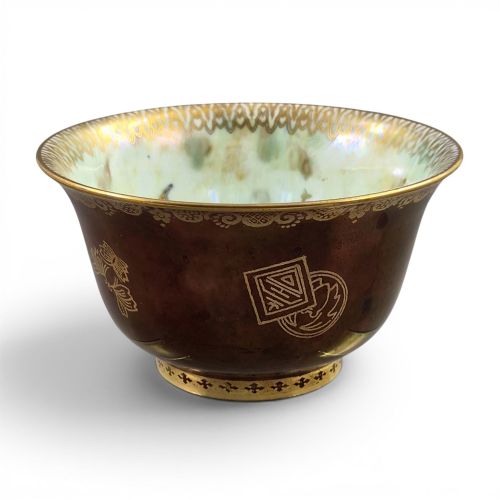
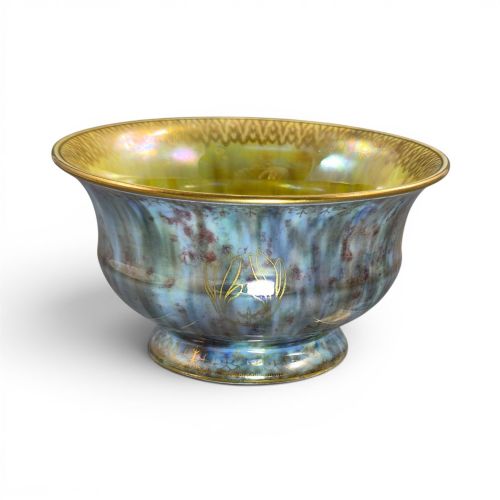
An antique wedgwood bowl encompasses decorative vessels produced across various periods, notably the Edwardian era and around nineteen ten, capturing distinct stylistic shifts in British ceramics. Collectors searching this phrase encounter forms ranging from octagonal shapes to fruit bowls.
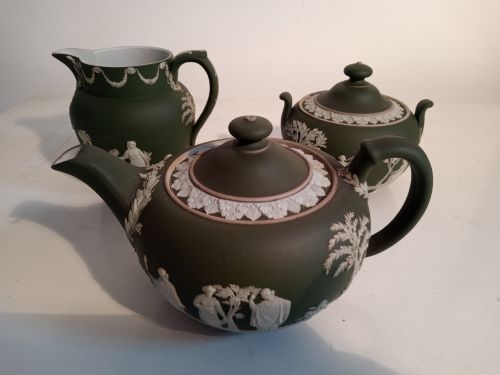
The selection includes notable decorative bowls featuring Art Nouveau and Art Deco influences alongside classical basalt and jasperware pieces. These vessels demonstrate the versatility of the pottery across different manufacturing epochs.
How They Were Made
Potters utilised fine bone china and porcelain as the foundational bodies for these decorative pieces, shaping them into specialised forms like octagonal bowls and fruit bowls. Specialised glaze applications formed the basis for subsequent surface ornamentation.
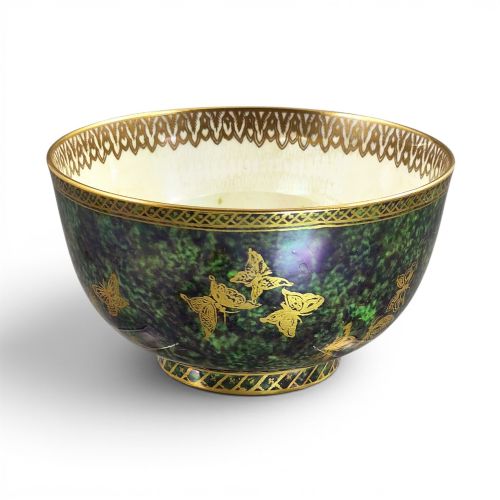
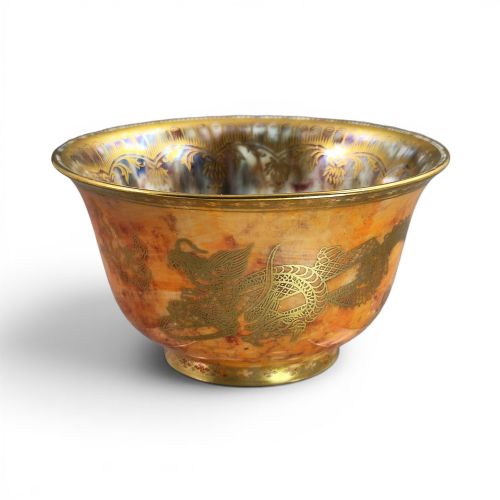
Artisans applied lustre glaze techniques alongside delicate gold leaf and gilt detailing to achieve rich, reflective surfaces. These methods required precise firing to bond the metallic elements and lustres permanently to the ceramic body.
Retail Price Guide 2026
Typical UK retail prices for wedgwood bowl, calculated from the Sellingantiques database of over a million retail prices indexed since 2003. This retail price guide relies exclusively on Sellingantiques data; no external sources or auction records are used, so the figures do not describe the wider market.
Listings feature porcelain and bone china enriched with gold leaf, gilt, and lustre glaze.
What Varies in Quality
The sophistication of the surface decoration largely distinguishes the standard of an antique wedgwood bowl, particularly in the application of complex lustre effects and hand-painted motifs. Pieces featuring intricate thematic designs demand greater artistic skill than simpler monochrome bodies.
The precision of the moulding and the preservation of delicate gilt work or gold leaf significantly influence the overall refinement of the vessel. Superior examples maintain the vibrancy of their original glaze treatments without degradation.
Daisy Makeig Jones·Wedgwood
The Antique Wedgwood Bowl Glossary
- Bone China
- A type of soft-paste porcelain containing bone ash, known for its high strength, chip resistance, and translucent body. It provides a smooth surface ideal for detailed ceramic painting.
- Lustre Glaze
- A metallic glaze technique that creates an iridescence on pottery through the reduction of metallic salts during firing. This finish shimmers with changing light.
- Jasperware
- A type of stoneware developed by Josiah Wedgwood, typically featuring a matte unglazed surface in contrasting colours with applied white relief ornamentation. It remains one of the pottery's most recognisable signatures.
- Gilt
- A thin layer of gold applied to the surface of the ceramic for decoration. It accentuates rims, handles, and painted motifs.
- Etruria
- The name of the famous pottery works established by Josiah Wedgwood in Staffordshire. Items bearing this association link directly to the historic manufacturing site.
Frequently Asked Questions
What periods do these bowls come from?
The available pieces originate primarily from the Edwardian era and the nineteen tens, reflecting the decorative tastes of those specific decades.
Earlier examples extend into classical basalt and jasperware traditions associated with the Etruria works.
How are lustre bowls decorated?
These pieces utilise specialised lustre glazes combined with hand-painted motifs such as butterflies, dragons, and goldfish.
Artists often enhanced the designs with delicate gold leaf and gilt work applied over the glazed ceramic surface.
What materials are used in these ceramics?
The vessels are formed from fine porcelain and bone china, providing a durable and refined base for the glazes.
Surface treatments incorporate gold leaf, gilt, and reflective lustre finishes to create their characteristic appearance.