


Chinoiserie Cabinet Plate
These chinoiserie cabinet plate examples bring Eastern-inspired motifs to British porcelain and ironstone, offering collectors vibrant hand-painted dragons and exotic birds.
Chinoiserie Cabinet Plate
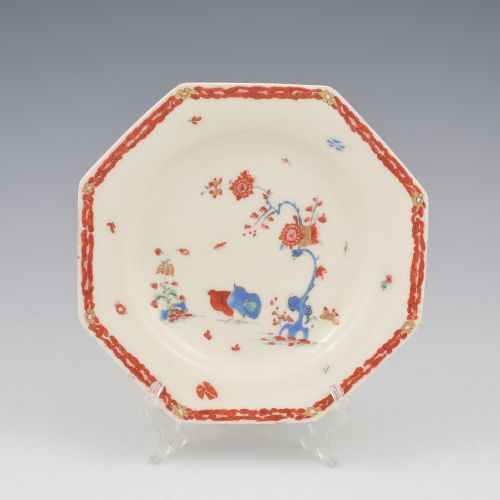
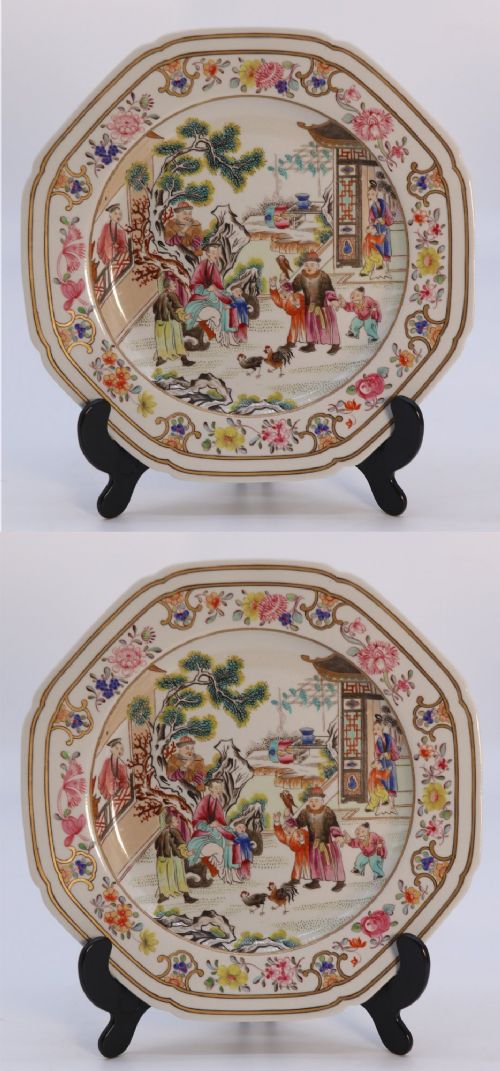
A chinoiserie cabinet plate combines European ceramic bodies with decorative motifs inspired by Chinese art, such as dragons, quail patterns, and exotic birds. These pieces serve primarily for display rather than dining, designed to be showcased on walls or in cabinets.
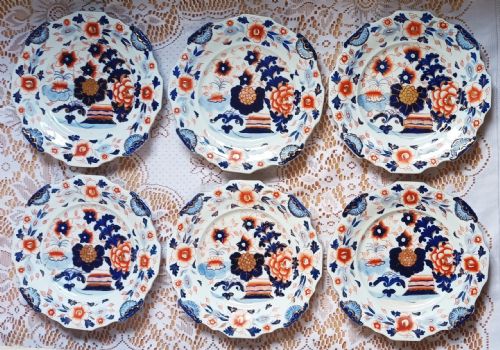
The selections span several periods, featuring soft-paste porcelain, stone china, and ironstone china from the eighteenth century through the Edwardian era. Collectors encounter octagonal plates, chargers, and standard decorative forms bearing patterns like the Japan pattern and Penang designs.
English factories such as Bow, Spode, Coalport, Worcester, and Mason's dominate these offerings, alongside occasional Chinese export porcelain. The range encompasses Georgian, Regency, and Victorian interpretations of traditional East Asian aesthetics.
Materials and construction
Potters utilised various ceramic bodies including soft-paste porcelain, stone china, and ironstone, shaping them into standard rounds or octagonal plates. These durable bases provided the foundation for intricate hand-painted and transfer-printed decoration.
Enamel colours, gold leaf, and gilt accents were applied over the glaze to render complex scenes featuring dragons, kylin, and exotic birds. Firing fixed these pigments, creating the glossy, vibrant surfaces characteristic of these decorative plates.
Listings feature porcelain, ironstone, and stone china from the eighteenth century to the Edwardian period, decorated with enamel and gold leaf.
Judging quality in plates
Quality rests in the precision of the hand-painted brushwork and the complexity of the motifs, such as detailed dragons or two quail patterns. Finer pieces display crisp lines in the enamel and careful application of gold leaf or gilt.
The choice of ceramic body also dictates distinction, with early soft-paste porcelain and fine stone china representing higher manufacturing effort than standard utilitarian earthenware. Preservation of the enamel and gilding without excessive wear determines the desirability of each piece.
Bow Porcelain·Spode·Coalport·Worcester·John Ridgway
The Chinoiserie Cabinet Plate Glossary
- Chinoiserie
- European artistic style reflecting Chinese and East Asian motifs. This aesthetic appeared frequently on porcelain and ironstone during the Georgian and Victorian periods.
- Ironstone China
- Patented durable ceramic body developed in nineteenth-century England. It provided a sturdy alternative to porcelain for heavy-patterned plates.
- Soft-paste porcelain
- Early ceramic composition fired at lower temperatures than hard paste. English factories utilised it extensively in the eighteenth century.
- Kakiemon
- Japanese enamel style adopted by European potteries for bird and floral designs. The palette typically includes iron red, blue, green, and yellow.
- Charger
- Large ornamental plate intended for display rather than service. These pieces often feature prominent central motifs like exotic birds or intricate borders.
Chinoiserie Cabinet Plate: Frequently Asked Questions
How should I display a cabinet plate?
Cabinet plates are best exhibited using sturdy wall hangers or specialised display stands inside enclosed cabinets. This protects the delicate enamel and gilt surfaces from accidental damage.
Avoid placing these decorative ceramics in direct sunlight to prevent the hand-painted enamel colours from fading over time.
What is the difference between ironstone and porcelain?
Ironstone is a dense, opaque earthenware developed to be strong and practical, while porcelain is vitrified, harder, and often slightly translucent. Both materials served as bases for chinoiserie decoration in the nineteenth century.
Plates made from soft-paste porcelain usually date to the eighteenth century, whereas ironstone examples became prevalent during the Georgian and Victorian eras.
Can I use these plates for food?
Antique cabinet plates are intended for decorative display rather than daily dining use. Older ceramic glazes and gold leaf decorations can wear away or contain materials unsuited for modern food contact.
Hand-washing gently with mild soap preserves the delicate enamel patterns and gilt edges if cleaning becomes necessary.
How do I identify the period of a plate?
Dating relies on factory marks stamped or painted on the reverse, alongside the specific ceramic body and stylistic traits. Eighteenth-century pieces often feature soft-paste porcelain, while nineteenth-century items frequently utilise ironstone or stone china.
Comparing pattern names like Japan or Penang against known factory production dates helps narrow down the era of manufacture.