
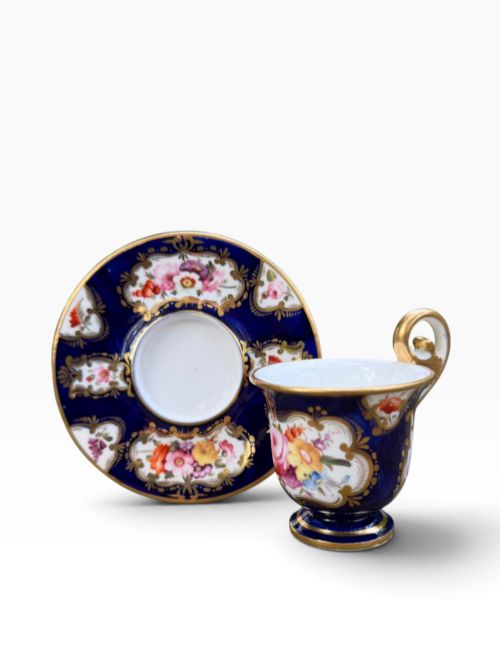
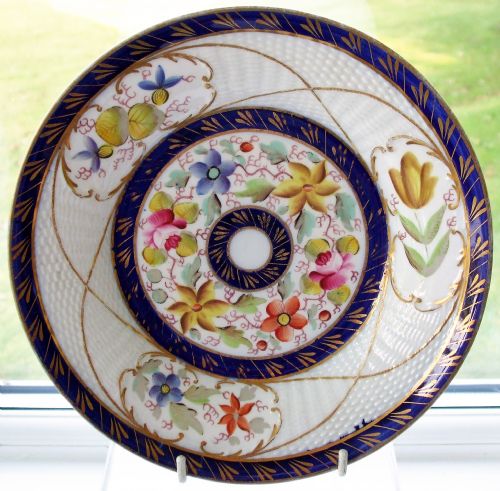
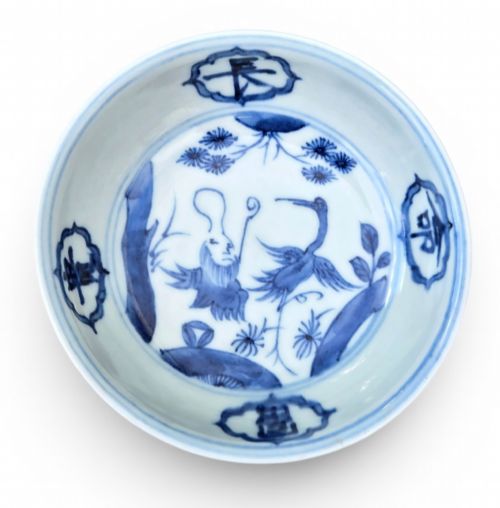


Cobalt Blue Porcelain Saucer
A cobalt blue porcelain saucer brings rich cobalt tones and historic porcelain body to the table.
What They Are
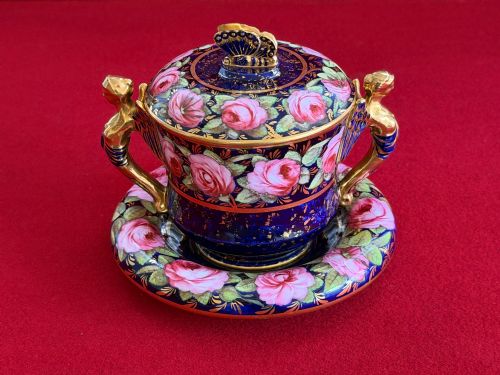
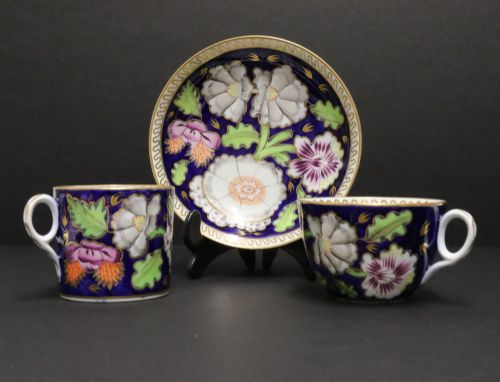
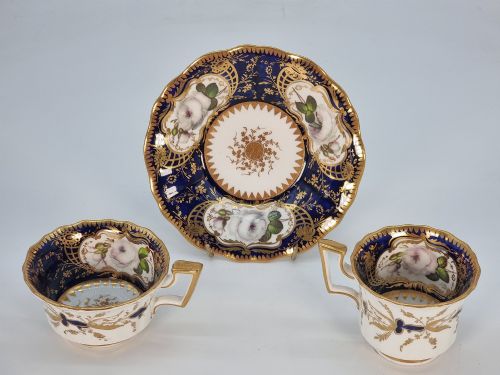
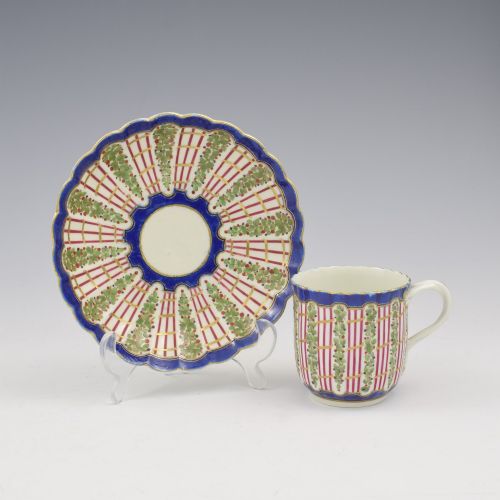
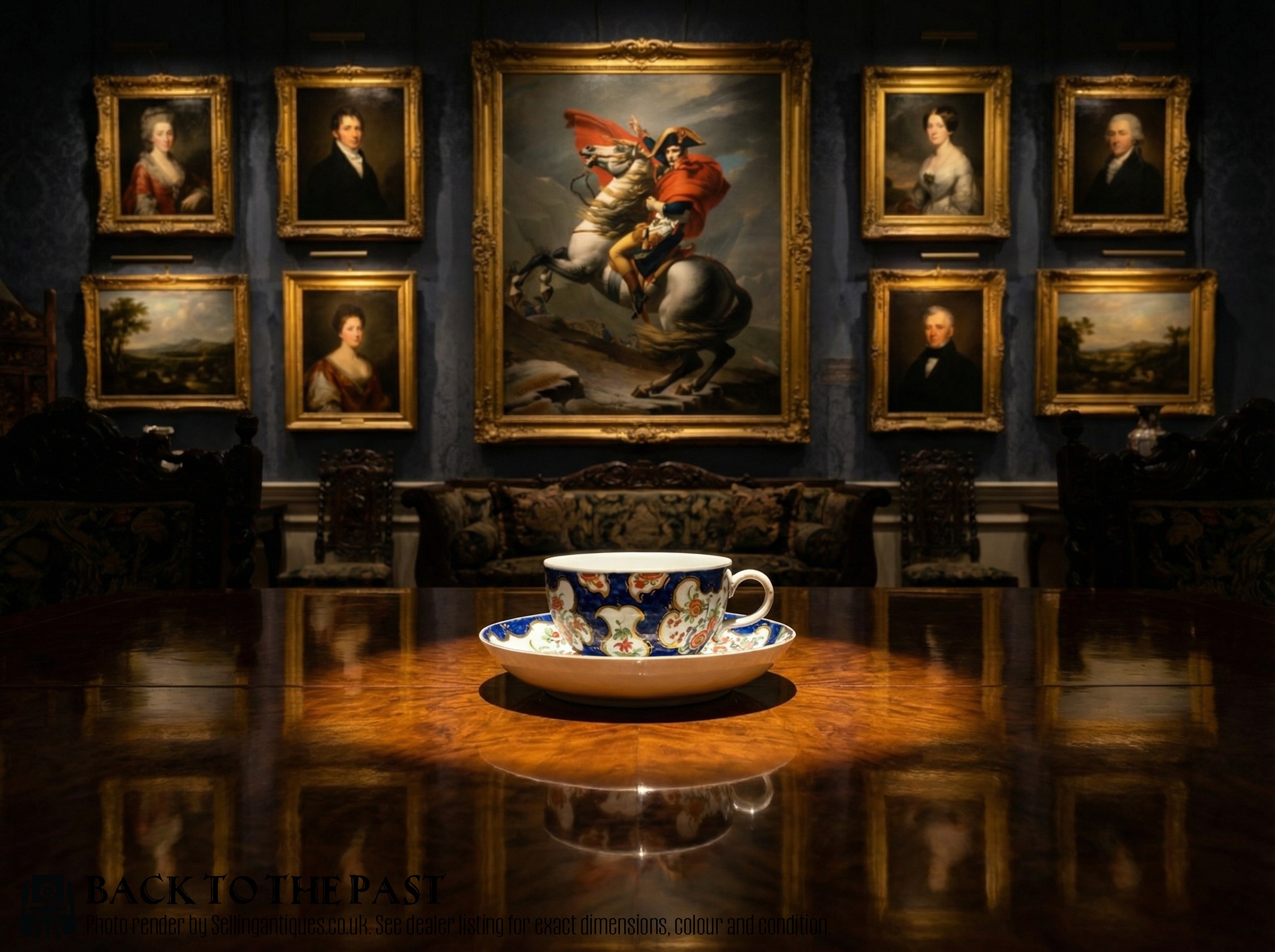
A cobalt blue porcelain saucer stands as a fine example of historic ceramics, designed for domestic use alongside matching teacups. These pieces embody the domestic dining culture of past centuries, often surviving as solitary items or paired sets.
The selections on this page span the 19th Century and the Georgian period, encompassing English manufacture. Buyers encounter forms such as decorative dishes and coupled cups and saucers.
Makers and factories represented in the evidence include New Hall and Worcester. Each piece reflects the specific ceramic traditions of its respective period.
How They Were Made
Potters formed these items using porcelain and soft-paste porcelain, shaping the body before firing at high temperatures. The cobalt blue pigment was applied under the glaze to achieve a deep, durable colouration.
Surface enrichment often includes gold leaf, enamel, and gold gilding. Artisans applied these decorative elements by hand to accent the blue grounds and white reserves.
Current listings feature items from the 19th Century and the Georgian period, utilising porcelain and soft-paste porcelain.
What Varies in Quality
The distinction between standard examples and finer pieces lies in the precision of the hand-painting and the application of the gold gilding. Crisp execution of the blue scale ground separates exceptional factory output from simpler production.
The integrity of the soft-paste or hard porcelain body and the preservation of the enamel highlights dictate the overall visual strength. Finer items retain their original surface lustre without excessive rubbing to the gilding.
The Cobalt Blue Porcelain Saucer Glossary
- Soft-paste porcelain
- A ceramic material composed of clay and glass frit, fired at lower temperatures than hard-paste porcelain. This body type was widely used by early English factories.
- Gold gilding
- The application of finely ground gold to the ceramic surface for decoration. It is often found highlighting rims and borders.
- Blue scale ground
- A patterned blue underglaze ground resembling fish scales, used famously by eighteenth-century English factories. It provides a textured background for painted panels.
- Enamel
- Opaque glass used to paint colours over the glazed porcelain surface. These pigments are fixed with a low-temperature second firing.
Frequently Asked Questions
What is a cobalt blue porcelain saucer?
A cobalt blue porcelain saucer is a small ceramic dish designed to hold a teacup, featuring deep blue pigment decoration. These items date from historic periods such as the Georgian era.
They reflect the tea-drinking habits of past centuries and display traditional factory techniques.
How do I date an old saucer?
Dating relies on identifying the ceramic body, such as soft-paste porcelain, and recognising factory styles like New Hall or Worcester. Material composition and decoration provide clues to the era of manufacture.
Comparing the glaze and gilding against known historical examples helps narrow the timeline.
How were these saucers used historically?
These saucers served a practical role in formal tea service during the Georgian and nineteenth-century periods. Hot tea was sometimes poured from the cup into the saucer to cool before drinking.
They also functioned as part of a matched or unmatched tea set displayed on tables.
How do I care for antique porcelain?
Antique porcelain requires gentle hand washing in lukewarm water with mild soap. Avoid soaking pieces with delicate gold gilding or enamel decoration.
Store them securely away from heavy foot traffic to protect the historic ceramic body from accidental chips.