
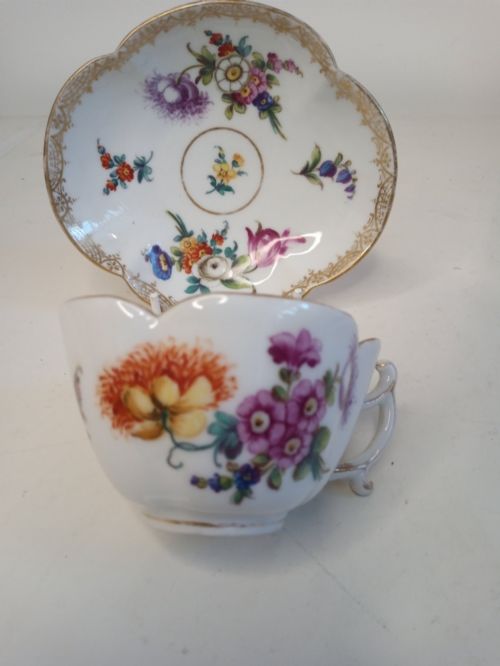

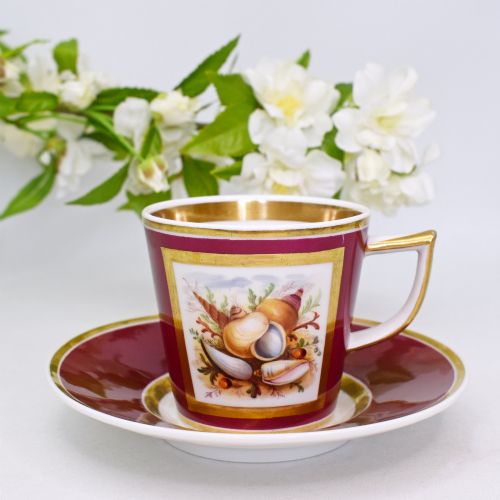
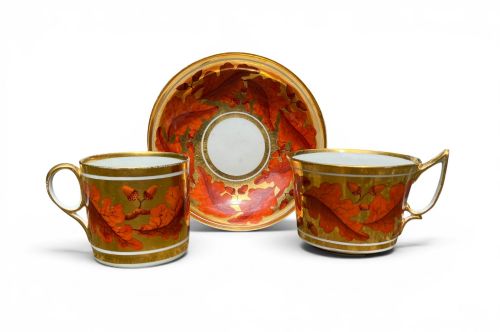
Hand Painted Ceramic Cup
When you search for a hand painted ceramic cup, you enter a world of eighteenth and nineteenth-century porcelain and earthenware shaped by notable factories.
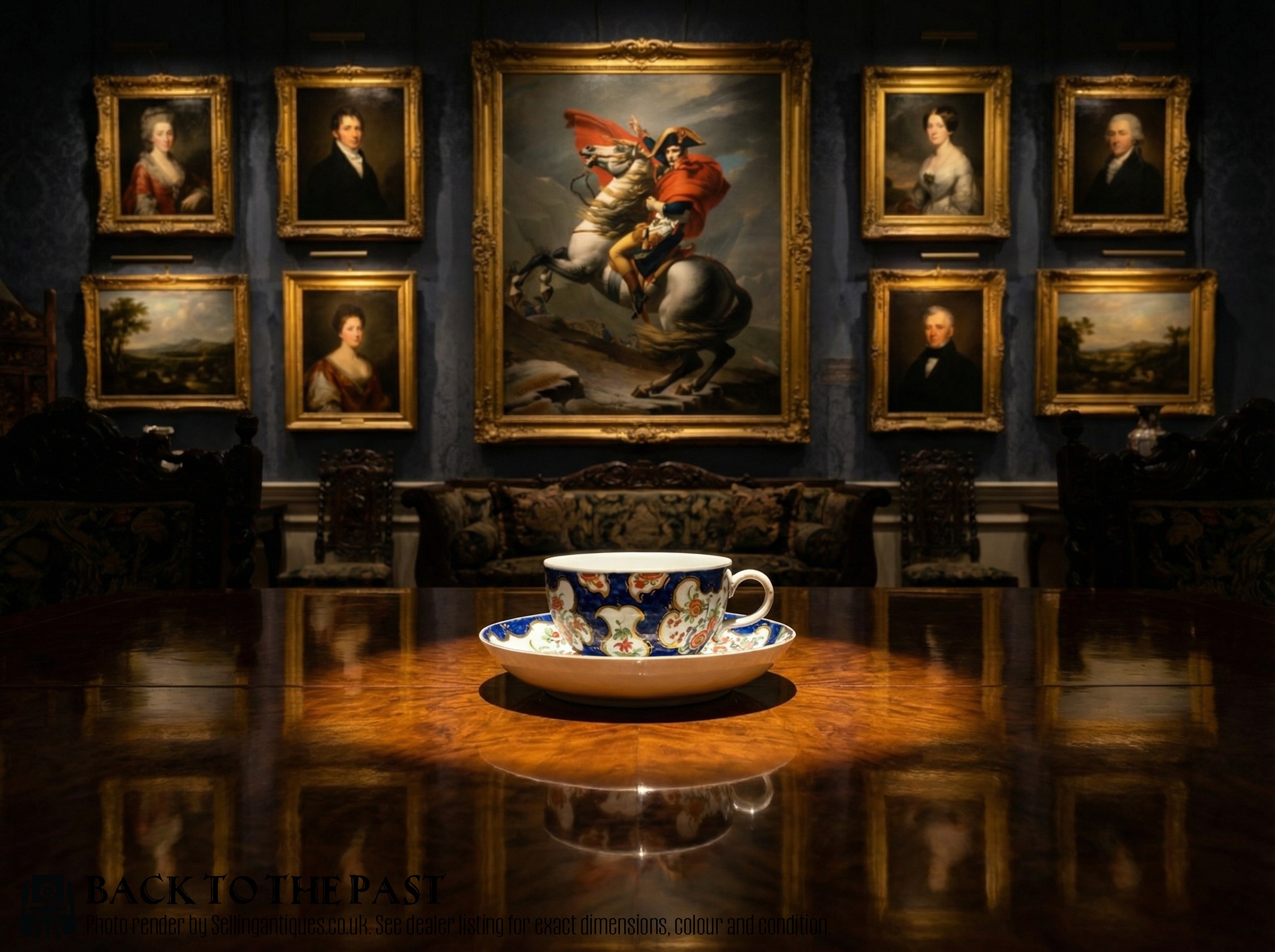
Hand Painted Ceramic Cup
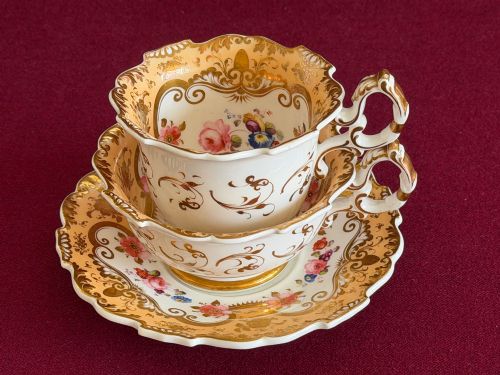
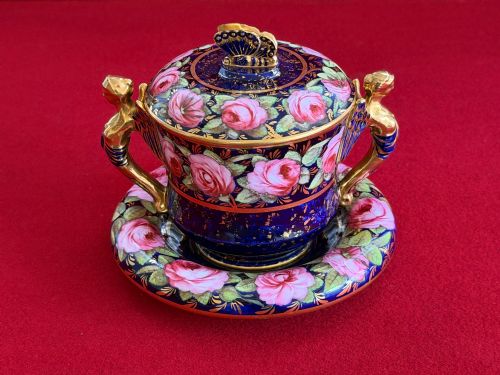
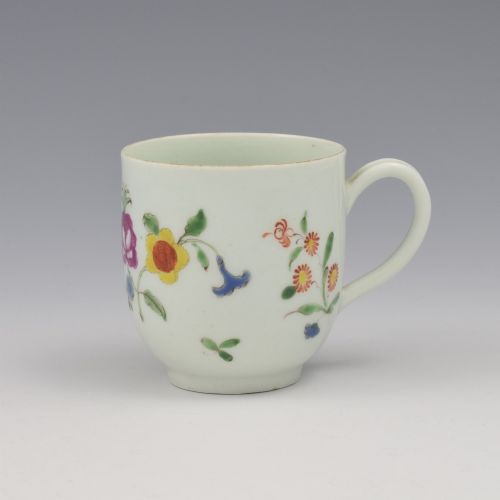
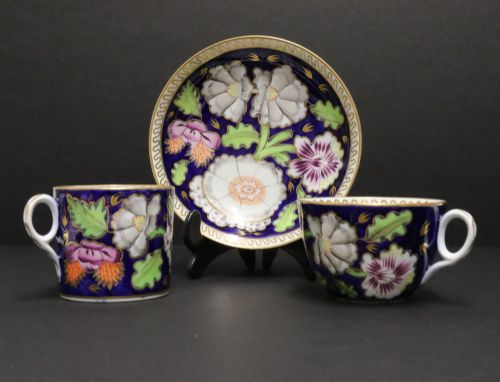
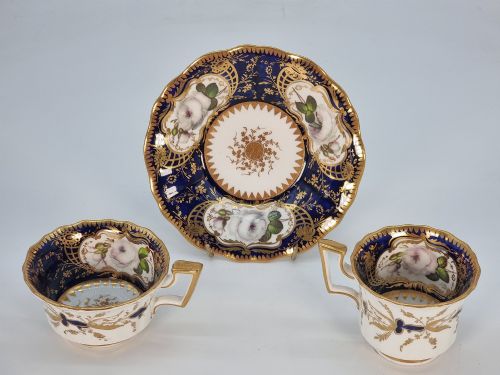
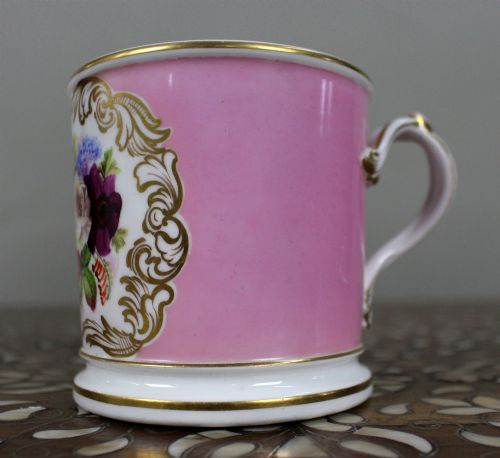
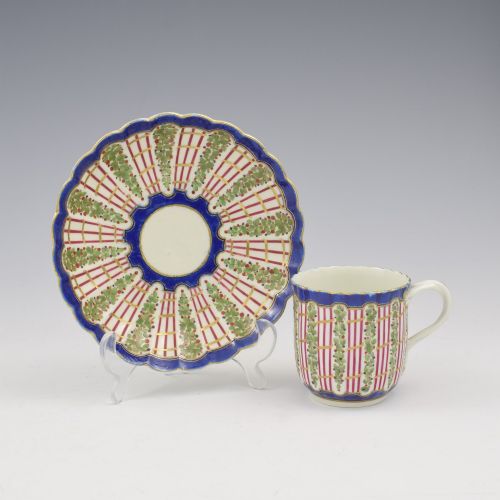
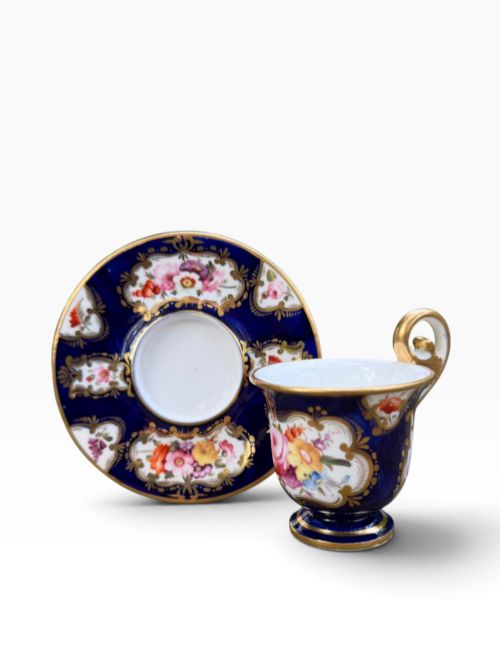
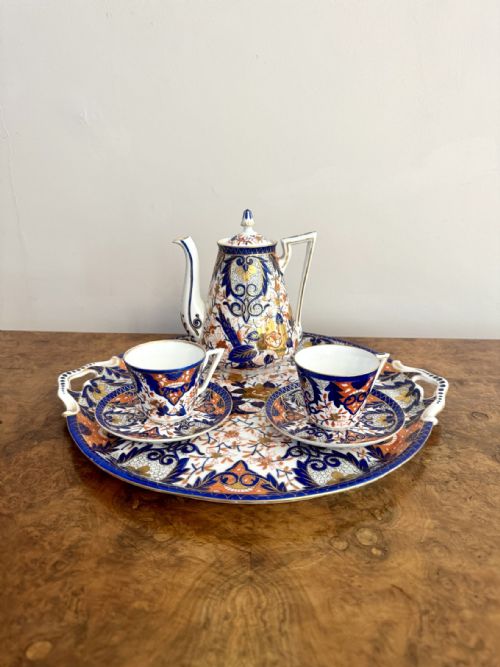
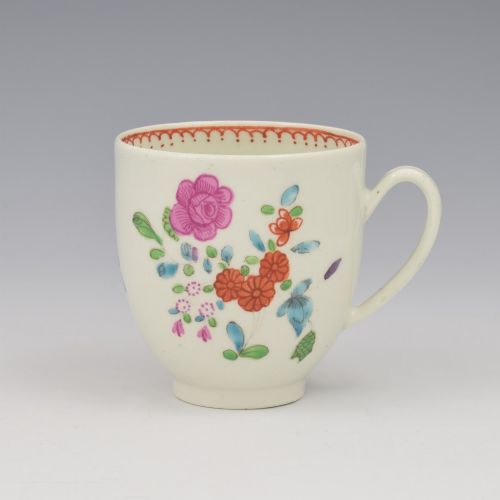
A hand painted ceramic cup encompasses diverse forms ranging from eighteenth-century coffee cans and cabinet trios to nineteenth-century loving cups, tankards, and modern tea sets. Buyers encounter English factories like Worcester, Derby, and Coalport alongside continental and Asian pieces dating from the Georgian and Regency periods through to the early twentieth century.
How they were made
Potters shaped these vessels using clay bodies such as bone china, earthenware, and hard or soft-paste porcelain, often applying glazes and hand-painted pigments directly to the surface. Artisans frequently enhanced designs with gold leaf, gilding, and enamel work before firing the pieces in kilns.
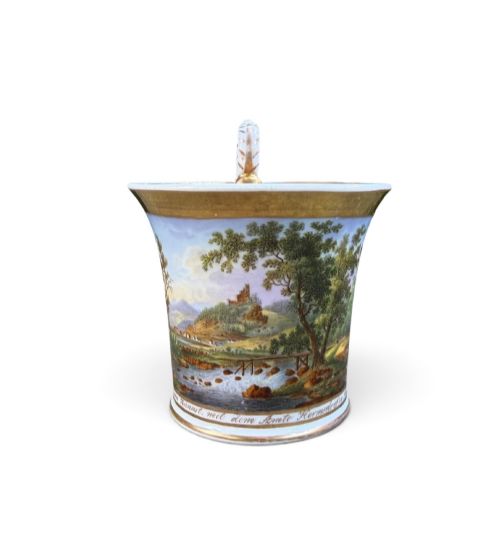
Factories utilised specialised techniques like transfer printing combined with hand-painted overglaze highlights, or executed entirely freehand brushwork depicting landscapes, birds, and figures. Master painters applied ground colours like rose pompadour or wet blue to create rich backgrounds behind the central painted panels.
Object forms include coffee cans, cabinet trios, loving cups, tankards, and soup bowls produced in porcelain, earthenware, and creamware.
What varies in quality
The standard of a hand painted ceramic cup rests upon the fineness of the potting body and the skill of the brushwork. Master painters working for prestigious factories achieved intricate detail in miniature landscapes and figures, whereas lesser pieces display repetitive or hasty brushstrokes.
The application of gilding and the purity of the porcelain paste distinguish high-status cabinet wares from standard utilitarian cups. Preservation of the original hand-painted enamels and gold leaf without rubbing elevates the standing of an individual piece.
Spode·Coalport·Grainger Worcester·Flight and Barr·Rockingham·Derby Porcelain·Minton·Sevres·Chamberlain Worcester·Royal Worcester·Clarice Cliff
The Hand Painted Ceramic Cup Glossary
- Cabinet trio
- A matched set consisting of a teacup, coffee cup, and saucer, made primarily for display in a cabinet rather than daily use.
- Coffee can
- A small, straight-sided cylindrical cup designed specifically for drinking strong black coffee during the eighteenth and nineteenth centuries.
- Enamel
- Opaque glass-like pigments applied over the fired glaze and fixed in a muffle kiln at a lower temperature to achieve bright colours.
- Gilding
- The application of gold leaf or powdered gold to the rims, handles, and borders of ceramic vessels to signal luxury.
- Pearlware
- A refined earthenware developed by Josiah Wedgwood in the late eighteenth century featuring a subtle bluish glaze over a whitish body.
Hand Painted Ceramic Cup: Frequently Asked Questions
What is a coffee can?
A coffee can is a cylindrical cup without a footed base or handle, produced extensively during the Georgian and Regency eras for serving concentrated coffee.
These vessels often came paired with a matching saucer and featured hand-painted landscape or botanical decoration.
How do I date an antique cup?
Dating relies on identifying factory marks, ceramic body types, glaze characteristics, and painting styles recorded in the evidence from the eighteenth to the twentieth century.
Stylistic cues such as Regency shapes or eighteenth-century porcelain pastes provide reliable chronological indicators.
What distinguishes a trio?
A trio combines a teacup, a coffee cup, and a matching saucer, allowing a host to serve different hot beverages from a unified service.
Cabinet trios from factories like Newhall and Daniel highlight coordinated hand-painted patterns across all three components.