

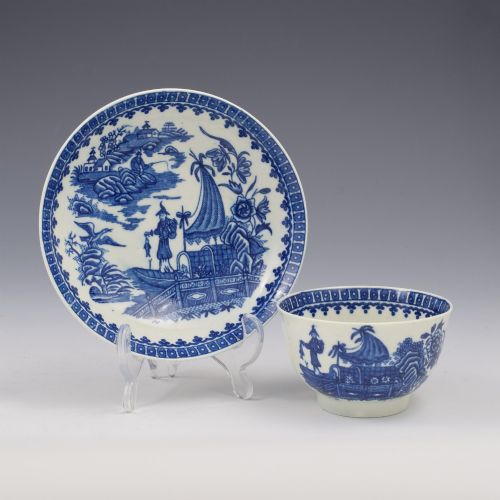


18th Century Worcester Cup
An 18th century worcester cup brings fragile soft-paste porcelain and delicate hand-painted Chinoiserie scenes right to your morning table.
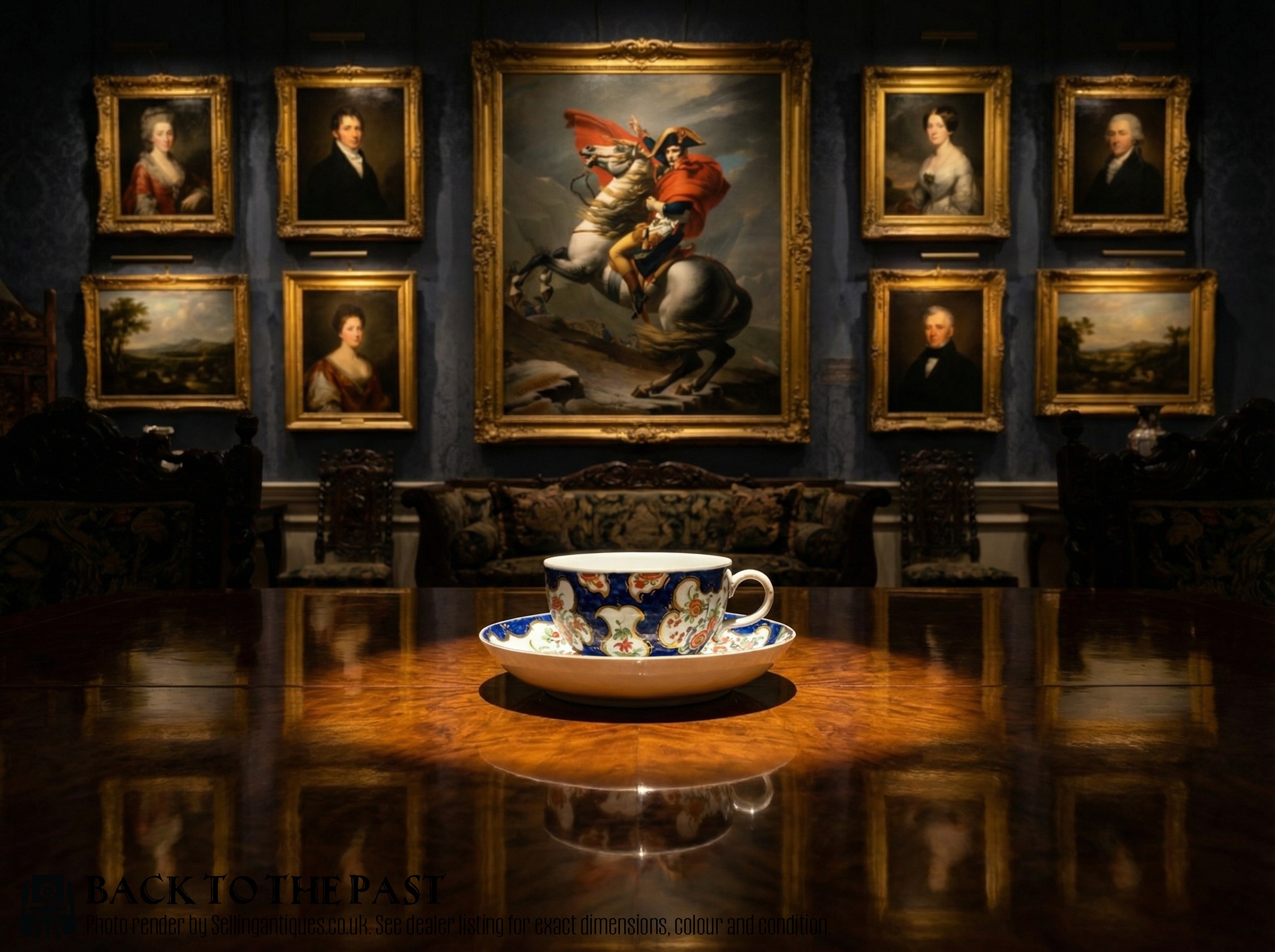
18th Century Worcester Cup
When you search for an 18th century worcester cup, you are looking at small porcelain drinking vessels created during the Georgian period. These pieces encompass tea bowls, coffee cans, and matched saucers intended for the sophisticated consumption of hot beverages.
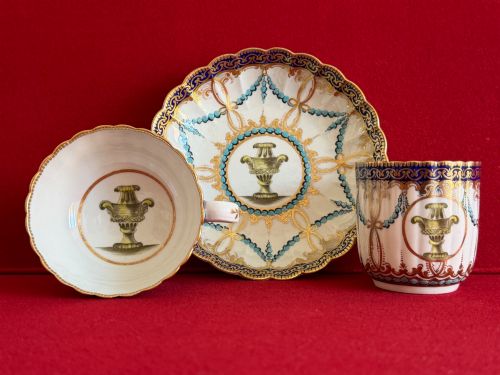
The version you are most likely to meet on this page originates from the First Period of the factory under the direction of Dr Wall. These eighteenth-century forms include fluted shapes and simple circular bowls decorated with cobalt blue painting or polychrome enamels.
Materials and Manufacture
Potters shaped these vessels using soft-paste porcelain and soapstone mixtures, which created a warm body suitable for absorbing colourful enamels and underglaze cobalt blue. Artisans then applied liquid gold leaf or gilding to highlight rims and handles.
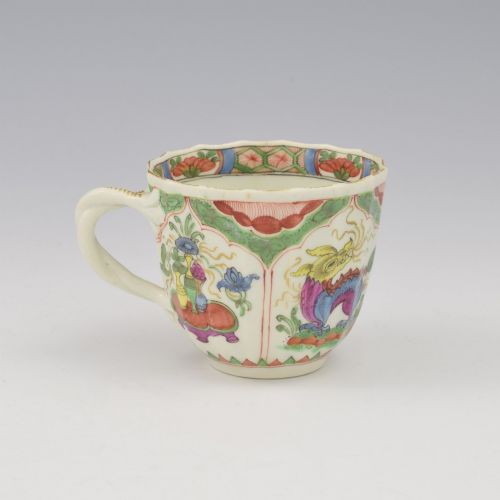
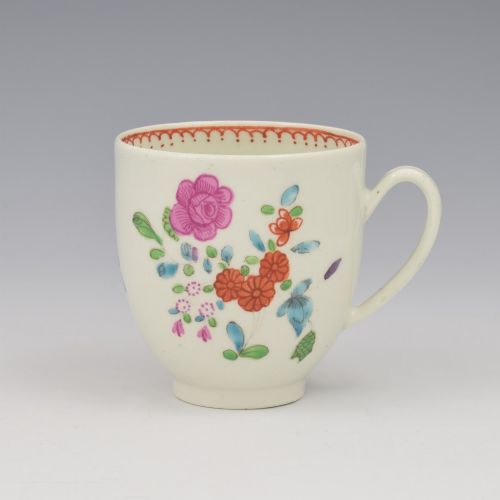
Makers decorated the surfaces through a combination of hand-painting and blue and white underglaze techniques. Workers executed detailed motifs such as Chinese figures, fancy birds, and floral sprays directly onto the wet clay or unfired glaze.
Listings here feature soft-paste porcelain bodies decorated with underglaze cobalt blue, enamel paints, and gold leaf during the Georgian era.
Assessing Quality and Execution
The standard of an 18th century worcester cup rests upon the crispness of the underglaze cobalt blue transfer or the precision of the polychrome brushwork. Superior examples display intricate detailing in scenes like the Mandarin pattern or exotic birds without smudging or pooling.
The sophistication of the moulded body and the application of gold leaf differentiate finer items from standard productions. Pieces carrying ground colours such as wet blue or blue scale require a higher level of ceramic skill to achieve an even tone across the curved surface.
Dr Wall·Flight And Barr
The 18th Century Worcester Cup Glossary
- Soft-Paste Porcelain
- A ceramic composition made from white clay, glass, and soapstone that fires at lower temperatures than hard paste. This material yields a slightly warmer, softer body that absorbs enamels effectively.
- Underglaze Cobalt Blue
- A blue pigment applied to the ceramic body before the transparent glaze layer goes on and the piece enters the kiln. This technique locks the colour beneath the glossy surface.
- Chinoiserie
- A European artistic style reflecting Chinese motifs and imaginary oriental scenes. Worcester painters used this style to decorate tea bowls and coffee cups with figures, pavilions, and gardens.
- Coffee Can
- A straight-sided cylindrical porcelain cup designed specifically for drinking strong coffee in the eighteenth century. These vessels often appear paired with a matching saucer.
- Tea Bowl
- A small, handleless cup used for drinking tea before the widespread adoption of handled cups in Britain. Drinkers held these warm bowls directly in their hands.
18th Century Worcester Cup: Frequently Asked Questions
Were these cups sold with saucers?
Many eighteenth-century drinking vessels were produced alongside matching saucers to catch drips and hold the tea bowl. Tea bowls specifically required saucers because the handleless form transferred heat directly to the fingers.
Individual surviving cups often become separated from their original saucers over centuries of handling. Finding a matched pair remains a primary goal for collectors of this porcelain.
How do I date an early Worcester piece?
Dating relies on identifying factory marks, stylistic periods, and the specific composition of the porcelain body. Pieces attributed to Dr Wall usually date from the mid to late eighteenth century.
Later productions associated with names like Flight and Barr point toward the turn of the nineteenth century. Examining the hand-painted motifs and ground colours provides further clues regarding the decade of manufacture.
What patterns appear most often?
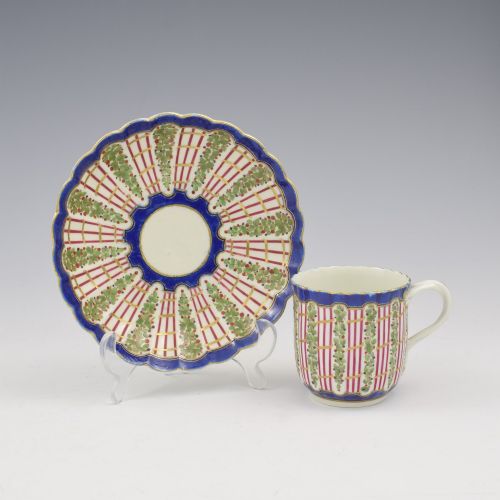
Common decorative motifs include blue and white floral designs, hop trellis patterns, and Chinese figures. Painters also rendered elaborate polychrome scenes featuring fancy birds and Mandarin landscapes.
Ground colours such as wet blue and blue scale frequently frame these central painted compartments. Each pattern reflects the evolving tastes of Georgian households enjoying imported tea and coffee.