


Regency Period Porcelain Dish
These regency period porcelain dish examples bring together fine ceramic bodies and meticulous hand-painting from the early nineteenth century.
Regency Period Porcelain Dish
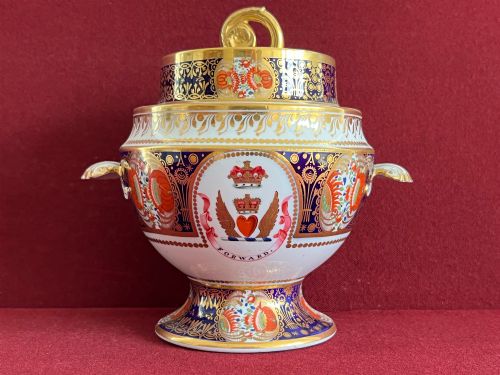
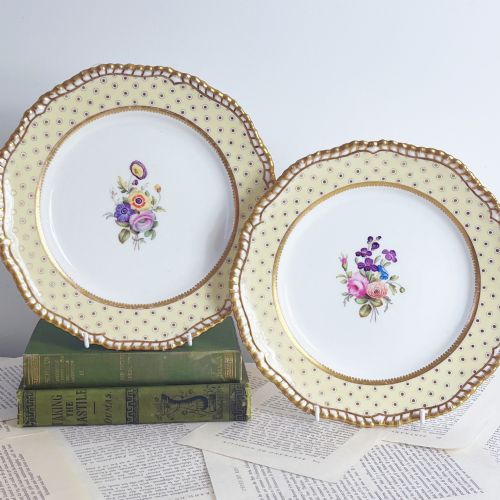
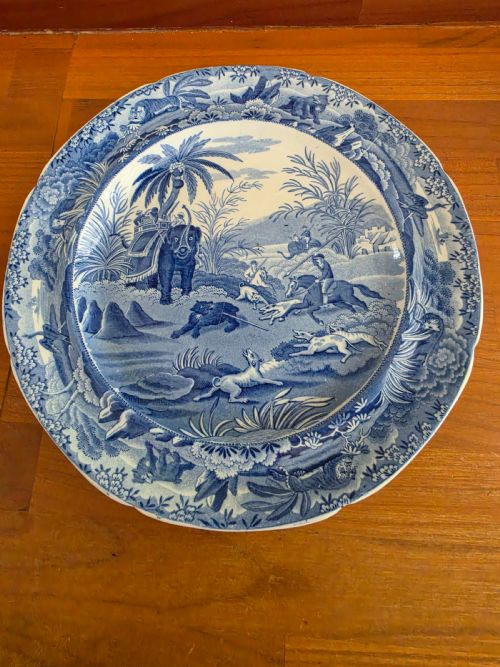
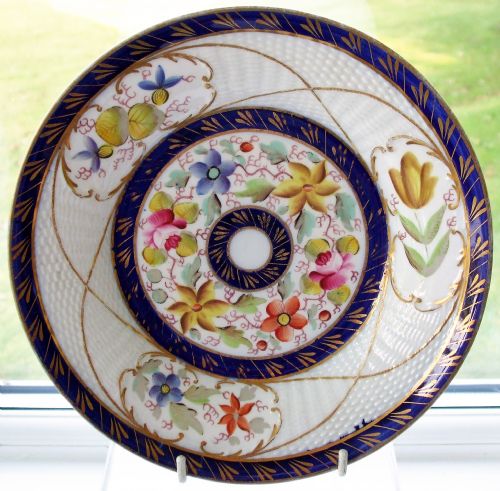
A regency period porcelain dish encompasses a range of serving vessels, dessert plates, and decorative bowls produced during the Georgian and Regency eras. Buyers searching for a regency period porcelain dish frequently encounter botanical plates, topographical scenes, and armorial designs from notable factories.
The selections span dessert plates, serving dishes, and sauce tureens created across the early nineteenth century. Most examples date from approximately eighteen hundred to eighteen thirty, displaying the distinct neoclassical and chinoiserie tastes of the period.
Materials and methods
Potters shaped these objects from refined porcelain, felspar, ironstone, and earthenware bodies before applying smooth white glazes. Artisans then decorated the surfaces using hand-mixed enamel colours alongside gold leaf and detailed gilding.
Kiln firing set the hard paste and enamel layers, creating durable surfaces suitable for formal dining and display. Specialist painters executed botanical studies, topographical views, and armorial crests by hand upon the glazed surfaces.
Listings feature porcelain, enamel, gold leaf, earthenware, and ironstone across plates, serving dishes, and sauce tureens from the nineteenth century.
Standards of craftsmanship
The refinement of the ceramic body and the complexity of the glaze separate standard utility wares from exhibition pieces. Superior examples display thin, translucent porcelain with precise moulded details rather than heavy, thick walls.
The execution of the painted decoration dictates the distinction between ordinary production and masterwork output. Skilled brushwork in botanical studies and hand-applied gilding show precision that lesser workshop items lack.
Spode·New Hall·Flight Barr And Barr·Minton·Coalport·C J Mason·Chamberlain Worcester·Ridgway·Duesbury And Kean·Barr Flight And Barr
The Regency Period Porcelain Dish Glossary
- Porcelain
- A fine, hard, white ceramic material fired at high temperatures to achieve vitrification. It forms the primary body for these serving vessels and plates.
- Gilding
- The application of gold leaf or powdered gold to ceramic surfaces for ornamentation. This technique highlights rims, handles, and painted borders.
- Enamel
- Coloured glass fused to the ceramic body during secondary kiln firings. It provides the vibrant hues found in floral and pictorial motifs.
- Felspar
- A mineral flux added to ceramic paste to improve translucency and strength. Spode utilised this material extensively in their early nineteenth-century wares.
- Ironstone
- A heavy, durable type of earthenware developed to resist chipping during daily use. It offers a robust alternative to softer porcelains.
Regency Period Porcelain Dish: Frequently Asked Questions
How do I date a Regency porcelain dish?
Examine the paste, glaze characteristics, and factory marks stamped or painted on the underside. Stylistic cues such as neoclassical borders also help narrow the timeframe.
Factory pattern numbers and specific partnership periods recorded in historical archives provide further chronological precision.
Were these dishes used for dining?
Many fine porcelain vessels served a functional role during dessert courses at formal Regency banquets. Wealthy households utilised matching service plates and tureens to display status.
Other items, such as decorative bowls and pen trays, remained on display in parlours and libraries.
What is the difference between porcelain and ironstone?
Porcelain is a vitrified, translucent ceramic body fired at extreme temperatures. It offers a delicate appearance and thin walls.
Ironstone is an opaque earthenware composition engineered for greater durability and heavy service requirements.
How should I clean antique porcelain?
Wash porcelain pieces gently by hand in warm water using a mild, non-abrasive detergent. Avoid dishwashers and harsh scrubbing brushes.
Dry the pieces thoroughly with a soft cloth to protect fragile gilt edges and enamel painting.