

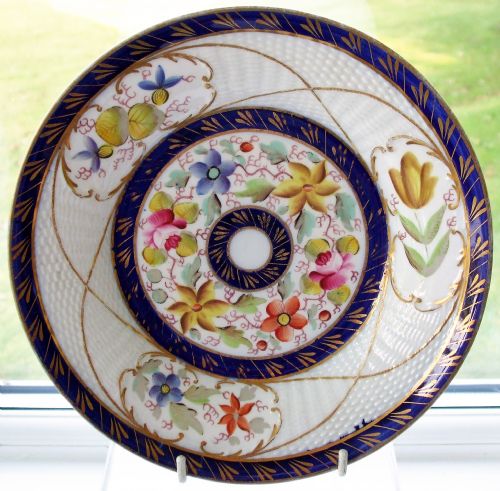
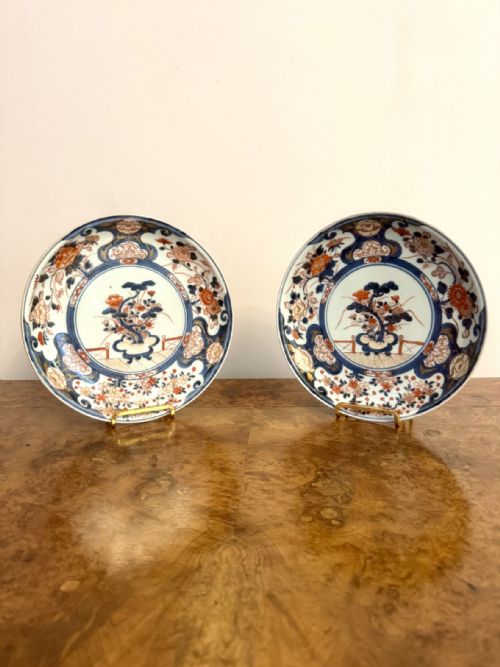
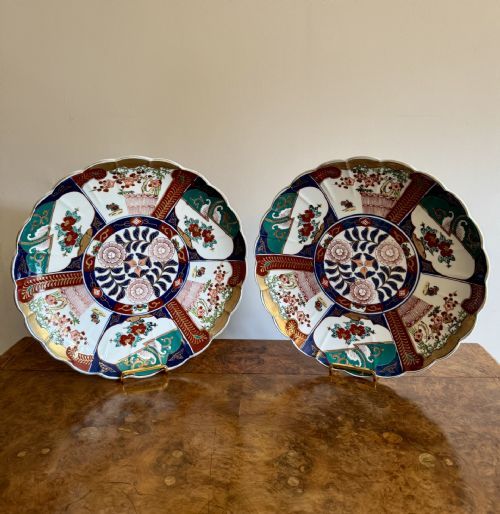


Gilded Cobalt Ceramic Plate
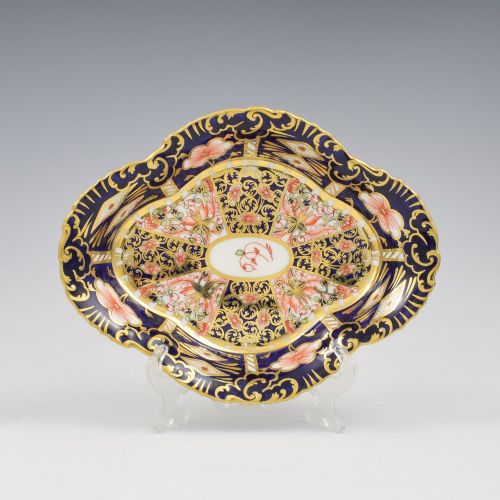
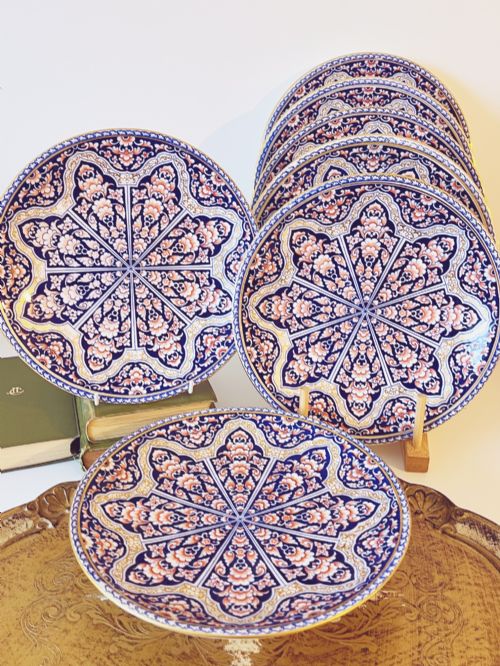
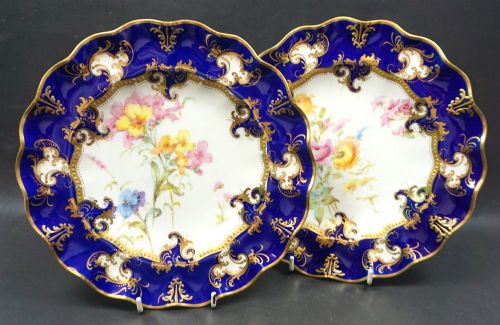
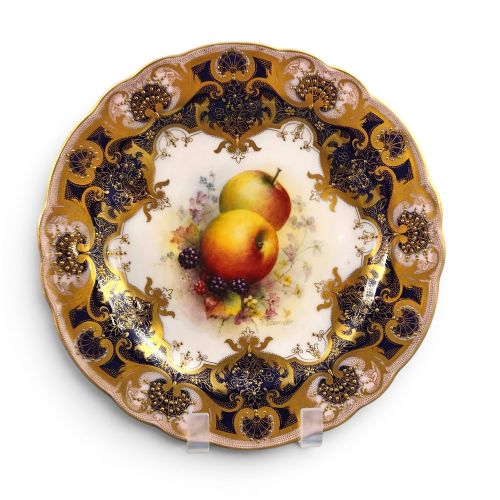
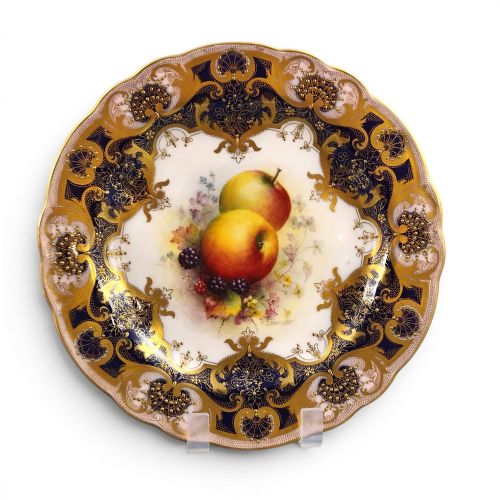
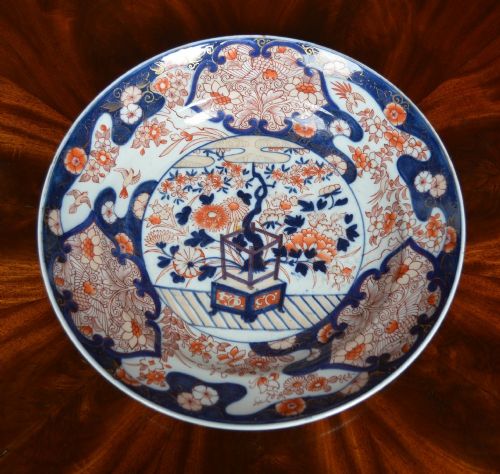
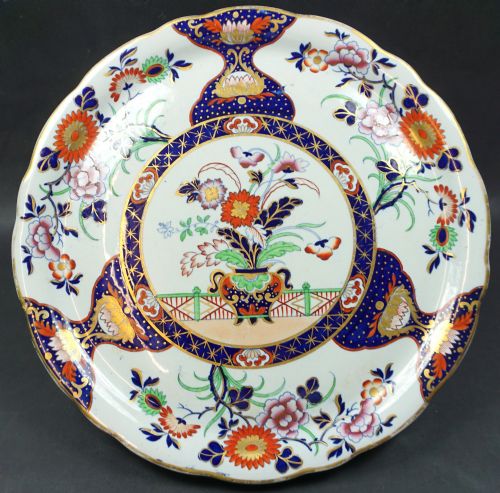
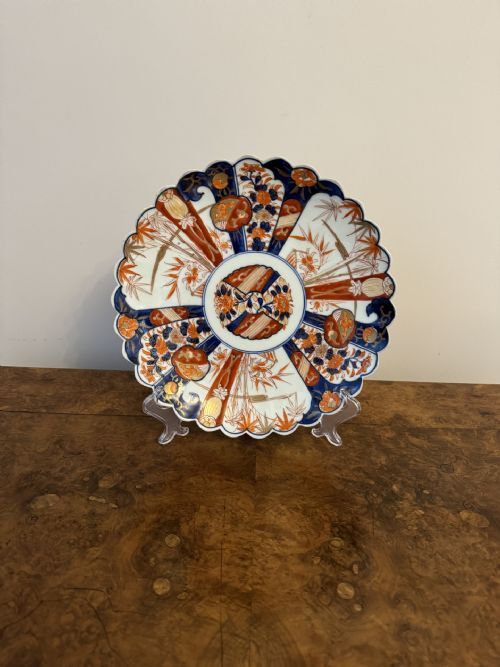
These pieces gather the heavy weight of a gilded cobalt ceramic plate, bringing deep blue and bright metal into domestic display.
Gilded Cobalt Ceramic Plate
A gilded cobalt ceramic plate brings together dark iron-blue pigment underglaze and rich metallic leaf on porcelain or bone china. When searching this phrase, a buyer encounters cabinet pieces, chargers, and dessert services intended for display rather than daily service.
The selections span Japanese Imari from the Meiji and Edo periods, alongside European porcelain from factories such as Royal Crown Derby, Worcester, Meissen, and Vienna. English Georgian and Victorian examples sit alongside continental tablewares dating from the eighteenth century to the early twentieth century.
Forms vary widely from standard round dishes to scalloped, fan-shaped, oval, and shell-shaped formats. Large chargers and deep serving dishes appear frequently beside cabinet plates made specifically for visual appreciation.
How they were made
Potters shaped fine porcelain or bone china, applying cobalt pigment directly to the clay body before firing under a translucent glaze. This cobalt underglaze yields the characteristic deep blue depth seen across Japanese Imari and European porcelain pieces.
Gold leaf, gilding, or gilt application occurred during a secondary firing stage, bonding metal to the glazed surface. Hand painting often combined this metallic detailing with enamel colours, botanical studies, armorial crests, and figurative scenes.
The available forms range from flat cabinet plates and deep soup dishes to scalloped dessert services and large decorative wall chargers.
What varies in quality
The precision of the hand painting defines the upper tier of these ceramics. Fine brushwork in the facial expressions of figures, botanical accuracy in floral motifs, and crisp delineation of armorial crests separate masterwork plates from standard factory output.
The condition and purity of the gilding dictate value alongside the depth of the cobalt. Heavy, intact gold leaf combined with brilliant white porcelain paste and unblemished glaze indicates superior manufacture.
Royal Crown Derby·Royal Worcester·Hicks and Meigh·Chamberlain Worcester·New Hall Porcelain·Pucher Deroche·Coalport·Royal Vienna·Meissen porcelain·Grainger and Co·Ridgway·Copeland Porcelain
The Gilded Cobalt Ceramic Plate Glossary
- Cabinet plate
- A decorative ceramic dish intended for display on a wall or in a cabinet rather than for holding food. These pieces often feature intricate hand-painted scenes and heavy gilding.
- Charger
- A large ornamental plate used traditionally as a base under other courses or displayed upright on a sideboard. In Japanese and European wares, these are significantly broader than standard dinner plates.
- Imari
- A style of Japanese export porcelain originating from the town of Arita, characterised by a palette of cobalt blue, iron red, and abundant gold leaf. European factories frequently copied these distinct patterns.
- Gilding
- The application of gold leaf or powdered gold onto the surface of ceramic objects. This metallic embellishment highlights rims, handles, and painted borders.
- Bone china
- A type of soft-paste porcelain incorporating animal bone ash, resulting in a strong, milky-white body. English potteries utilised this material extensively during the nineteenth century.
Gilded Cobalt Ceramic Plate: Frequently Asked Questions
How do I display a large charger safely?
Large chargers require robust wall hangers designed specifically for heavy ceramics or dedicated plate stands with a secure base. Ensure the weight is distributed evenly across the rim without putting pressure on applied handles or fragile scalloped edges.
Keep display locations away from direct sunlight and high-traffic areas where accidental knocks might dislodge the piece from its mount.
Can I use these plates for dining?
Historic decorative plates are intended for visual appreciation rather than daily use. The soft enamel colours and delicate surface gilding wear away easily under cutlery and regular washing.
Hand wash these ceramics gently in lukewarm water using mild soap when cleaning becomes necessary, avoiding dishwashers entirely.
How do I tell Japanese Imari from European copies?
Japanese Imari pieces display a characteristic greyish-blue underglaze and iron-rich body clay visible on the unglazed foot rim. The painting style on early examples reflects traditional Edo and Meiji brushwork techniques.
European factories like Royal Crown Derby and Chamberlain Worcester produced intentional interpretations of these designs, featuring whiter paste and distinct European factory marks on the reverse.
What does an armorial crest on a plate signify?
Armorial plates feature painted family crests or coats of arms commissioned by prominent households. Wealthy patrons ordered these bespoke services to display lineage and status during formal dining.
Identifying the specific crest allows historians to trace the plate back to the original family who ordered the service from factories such as Copeland or Worcester.