
Blue Soft Paste Porcelain
Blue soft paste porcelain pieces are fragile 18th-century ceramics featuring cobalt underglaze decoration that collectors seek for their luminous glaze and historical domestic forms.
Blue Soft Paste Porcelain
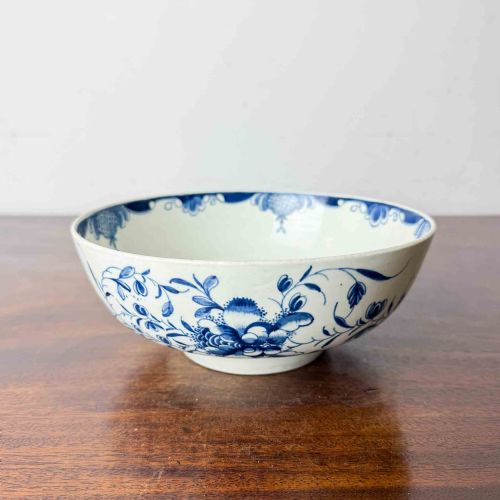
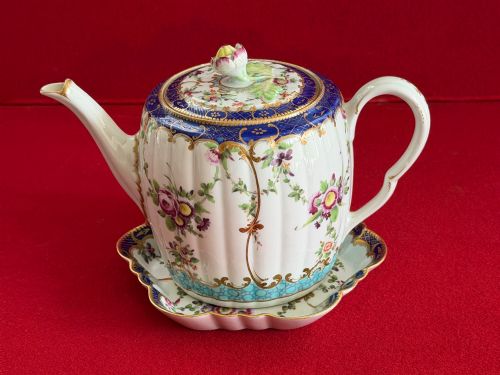
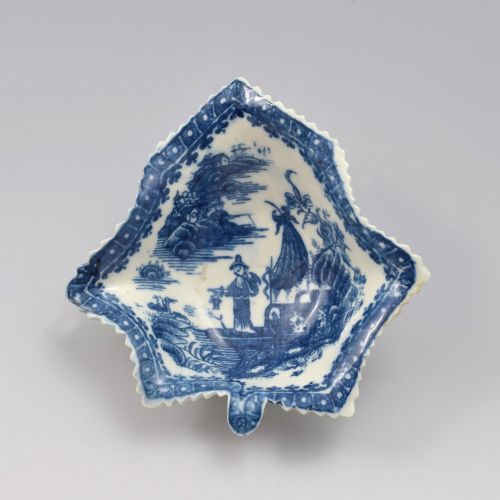
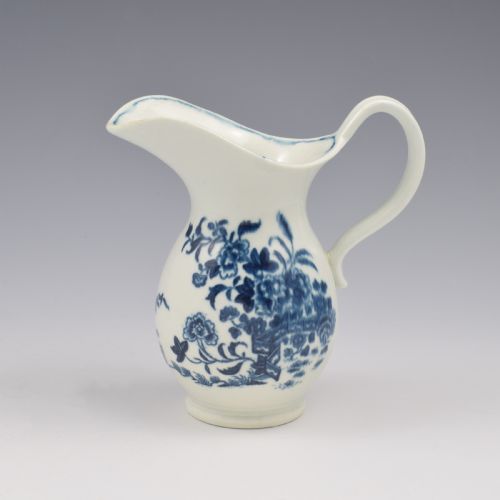
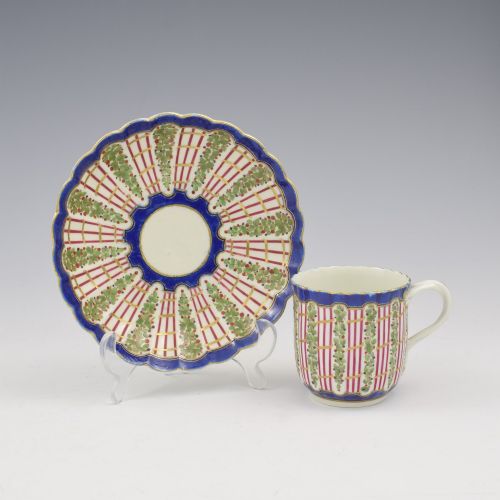
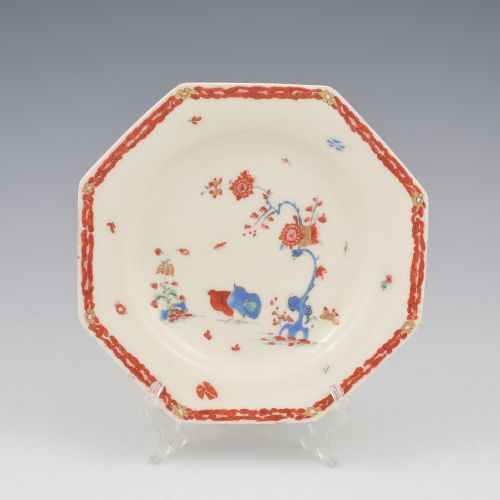
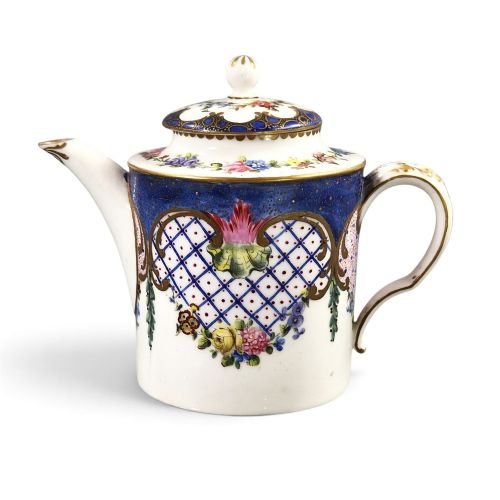
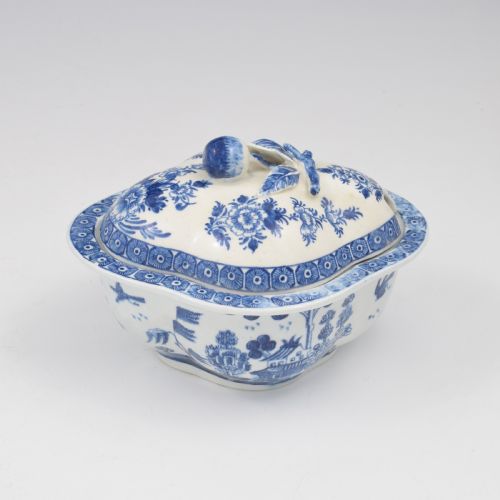
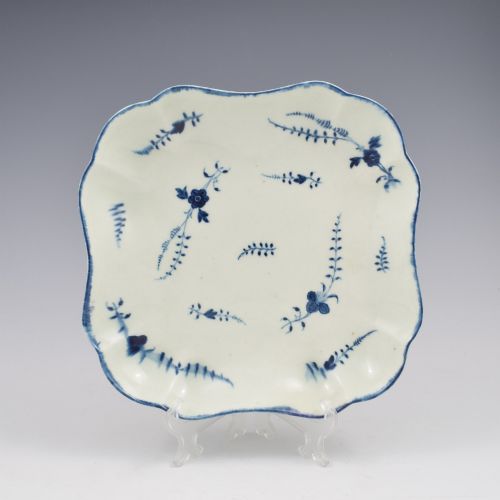
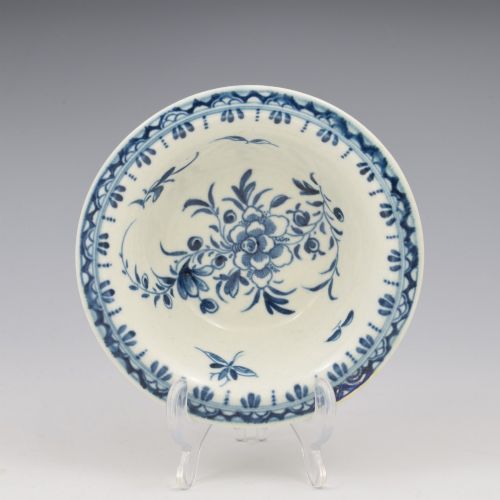
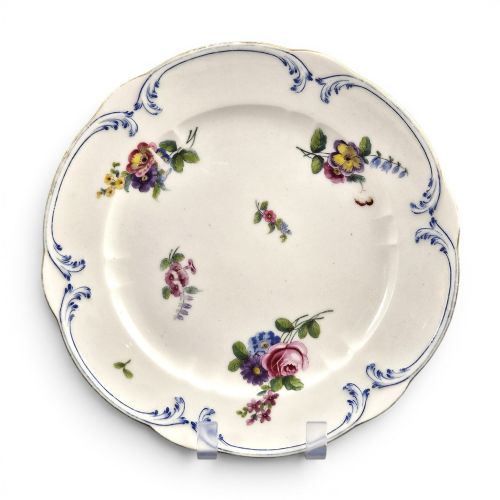
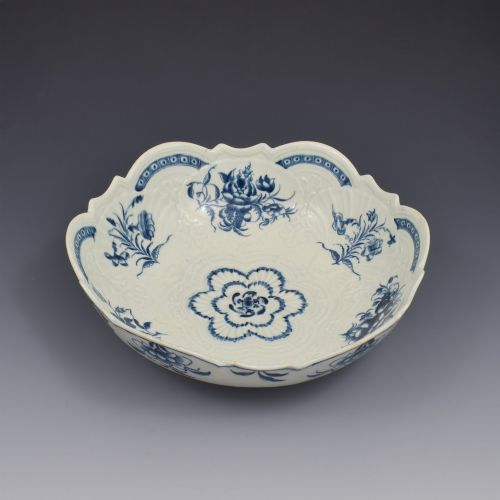
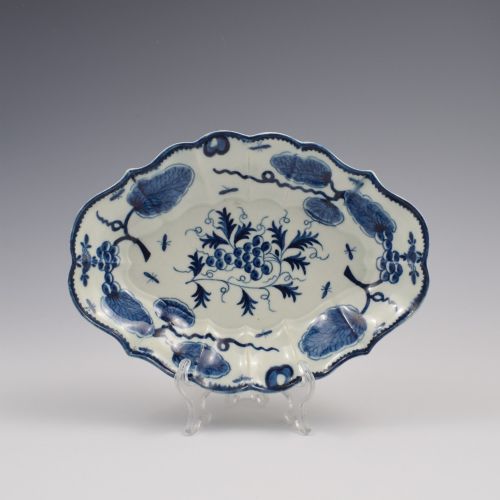
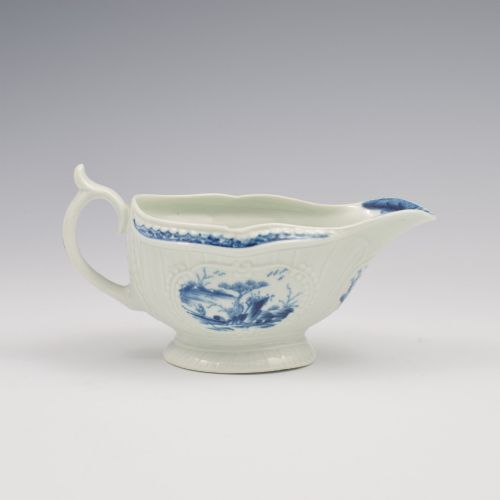
Blue soft paste porcelain encompasses tablewares and decorative items produced primarily during the eighteenth century across English and continental factories. These examples include teapots, sauce boats, tea bowls, pickle dishes, and mugs decorated with cobalt blue designs.
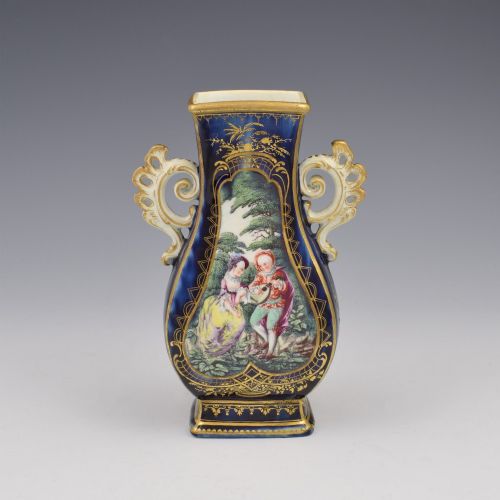
The selections on this page centre heavily on eighteenth-century English factories, particularly First Period Worcester and Caughley, alongside Bow, Derby, and continental works from Sèvres. Forms range from utilitarian tea services to specialised vessels like egg drainers and wine tasters.
How they were made
Makers formed these items using a vitreous body composed of white clay, glass frit, and chalk rather than true hard-paste kaolin clay. This soft paste vitrified at lower kiln temperatures, producing a warm, creamy body that absorbed the glaze deeply.
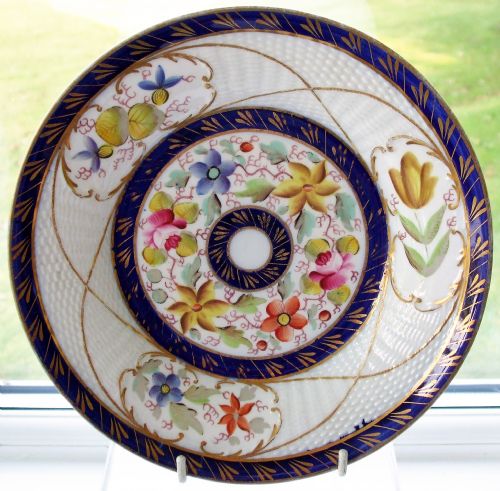
Decorators applied cobalt blue pigments under the transparent glaze before firing, often combining the blue washes with enamel highlights, gold leaf, and gilding. The chemical interaction during the high-temperature kiln firing caused the cobalt to bleed softly into the surrounding glaze.
Listings feature eighteenth-century pieces utilising cobalt glaze, gold leaf, and enamel on soft-paste porcelain bodies.
What varies in quality
Quality rests upon the crispness of the cobalt painting and the stability of the porcelain body during its initial kiln firing. Superior pieces display steady brushwork in patterns like the fisherman or hop trellis motifs without blurring or pooling.
The degree of warp incurred in the intense heat distinguishes standard domestic wares from exceptional exhibition pieces. Potters sometimes accepted minor kiln sagging in complex moulded forms such as leaf pickle dishes and pierced chestnut baskets.
Caughley Porcelain·Bow Porcelain·Derby Porcelain·Royal Sèvres
The Blue Soft Paste Porcelain Glossary
- Soft-paste porcelain
- A ceramic body made from artificial mixtures of clay, glass, and ground minerals fired at lower temperatures than true porcelain. This body yields a distinctive creamy translucence under the glaze.
- Cobalt glaze
- A metallic oxide pigment applied under the glaze to achieve deep blue tones when fired. It reacts with the soft paste to create characteristic feathered edges.
- Chinoiserie
- A European artistic style reflecting Chinese motifs and figures, frequently adapted on eighteenth-century blue and white tea wares. Designers played with imagined Oriental landscapes.
- Sucrier
- A covered sugar bowl designed as part of a matching tea service. These vessels often feature floral finials and painted borders.
Blue Soft Paste Porcelain: Frequently Asked Questions
What is soft paste porcelain?
Soft paste porcelain is an early European artificial ceramic composition made by fusing white clay with glass frit and other minerals. It fires at lower temperatures than hard paste porcelain and possesses a softer, warmer lustre.
The resulting body absorbs glaze differently, giving these eighteenth-century vessels their characteristic depth and slightly creamy appearance.
How do I care for these?
Wash these fragile ceramics by hand in warm water using mild soap, avoiding modern dishwashers entirely. The historic soft paste body and delicate overglaze gilding require gentle handling.
Keep them away from rapid temperature changes to protect the historic glaze from thermal shock.
Are these pieces functional?
While these eighteenth-century vessels were originally manufactured for domestic dining and tea service, modern collectors generally treat them as display pieces. The aged soft-paste fabric is porous compared to modern ceramics.
Using them for hot liquids risks stressing the historic glaze and the underlying vitreous body.
How do I identify First Period Worcester?
First Period Worcester items often display crescent marks, workman symbols, or imitation Chinese seals painted in cobalt blue under the glaze. The paste typically shows a greenish translucence when held to a strong light.
Forms include feather-moulded sauce boats, blue and white transfer-printed tea wares, and delicate painted botanical motifs.