
Georgian China Dish
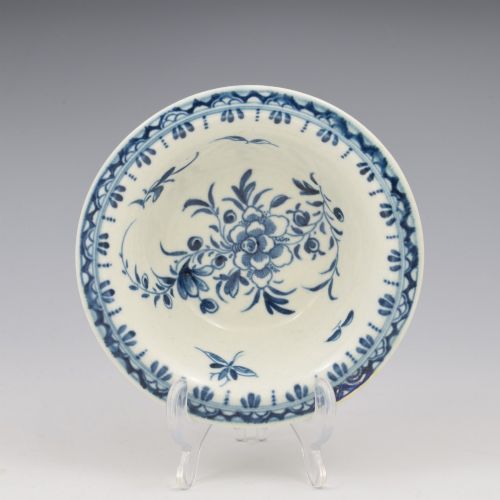
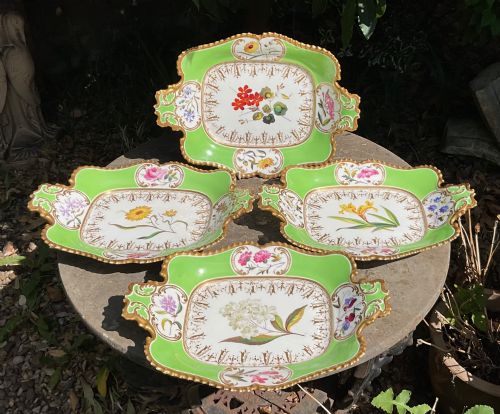
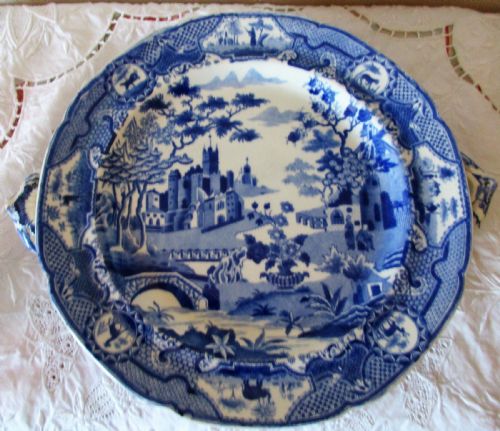
A georgian china dish brings the refined hand-painted botanical studies and transfer-printed landscapes of the eighteenth and nineteenth centuries straight to the table.
Georgian China Dish
When searching for a georgian china dish, collectors encounter an array of serving vessels, dessert plates, tureens, and pickle dishes spanning the eighteenth and nineteenth centuries.
The material composition ranges from soft-paste and bone china to sturdy ironstone and earthenware, reflecting the shifting production methods of historic English potteries.
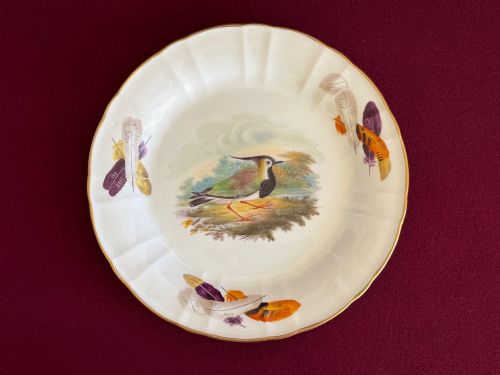
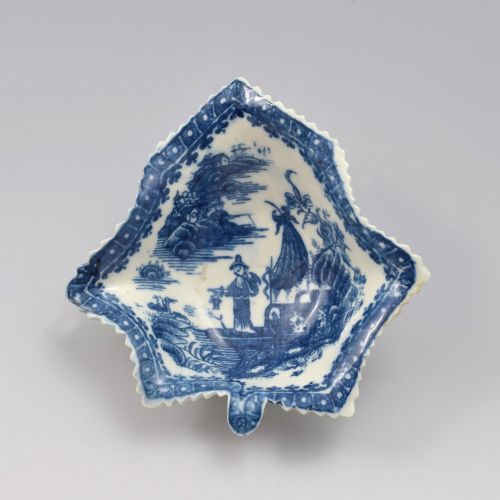
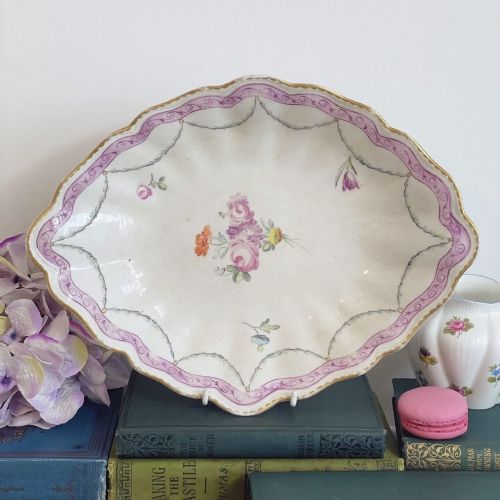
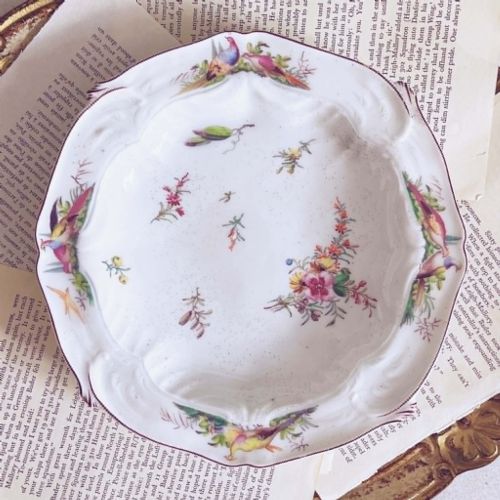
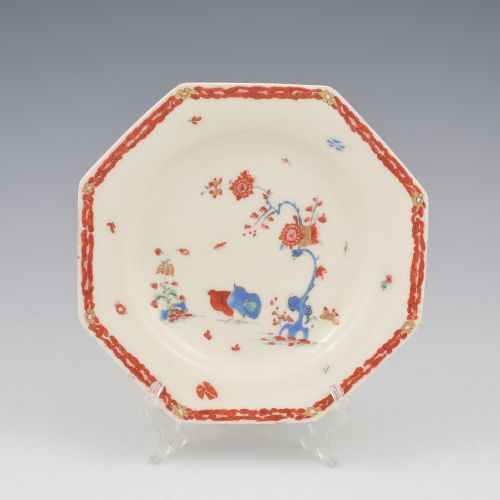
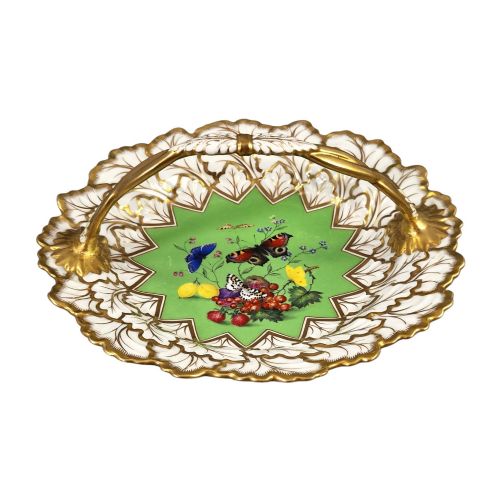
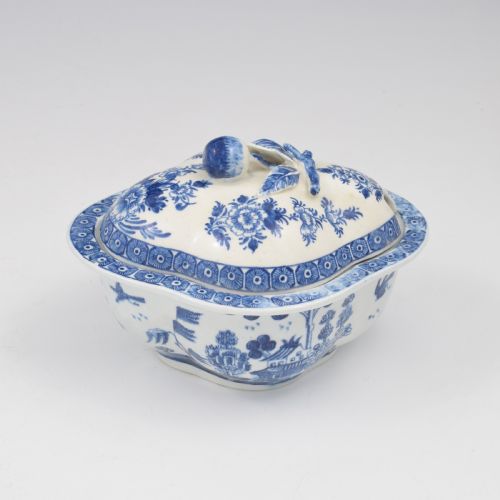
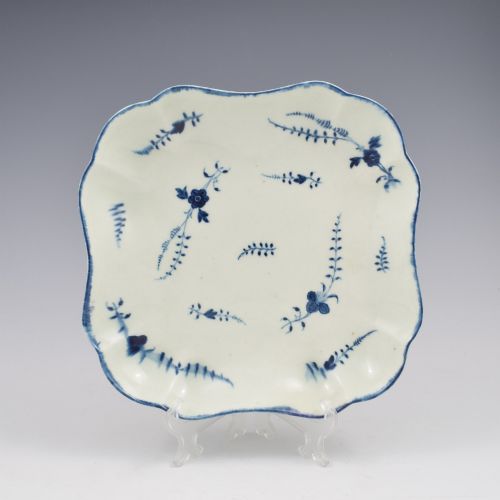
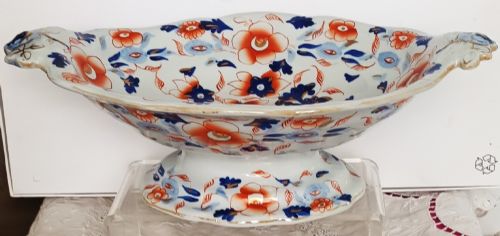
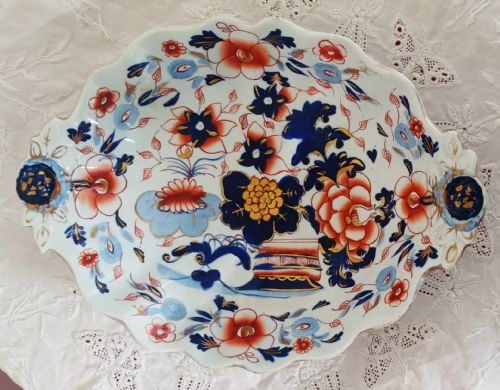
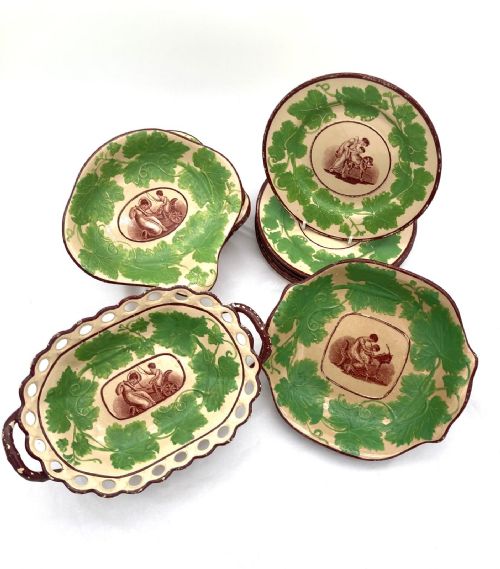
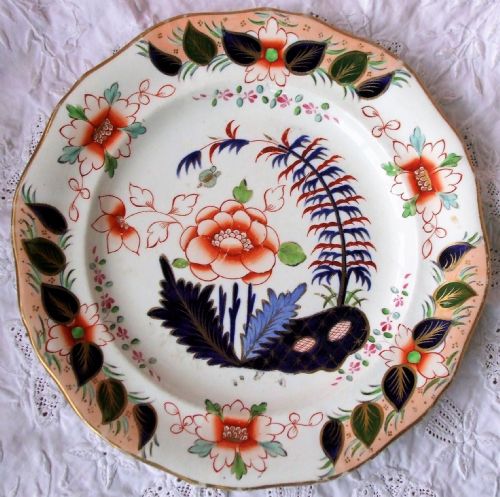
Forms include octagonal plates, leaf-shaped dishes, footed comports, and square dessert dishes decorated in styles from traditional Chinoiserie to botanical realism.
How They Were Made
Potters shaped porcelain and ironstone bodies before applying detailed hand-painted polychrome enamels, blue and white transfer prints, or gold leaf accents.
Firing techniques utilised protective glazes to seal the earthenware and soft-paste surfaces, often followed by secondary kiln runs for delicate overglaze gilding.
Listings feature 18th-century, 19th-century, Georgian, and Regency periods utilising soft-paste porcelain, earthenware, ironstone, gold leaf, and enamel.
What Varies in Quality
Artistic execution dictates distinction, separating standard transfer-printed wares from meticulously hand-painted botanical plates produced by named porcelain painters.
The crispness of moulded details, the brilliance of the enamel pigments, and the preservation of original gilding all define the upper tier of surviving examples.
Wedgwood·Caughley·Derby·Chelsea·Flight, Barr and Barr·Worcester·Chamberlains Worcester·Spode·John Davenport of Longport·Mason·New Hall·Bloor Derby·Rockingham Pottery·Minton·Coalport
The Georgian China Dish Glossary
- Ironstone
- A durable type of earthenware patented in the nineteenth century to withstand heavy daily use. It provided a strong ceramic base for transfer-printed and Japan patterns.
- Comport
- A decorative raised dish or bowl used traditionally for serving fruit or sweetmeats at dessert. These pieces often feature footed bases or low pedestals.
- Chinoiserie
- A European artistic style reflecting Chinese aesthetic motifs. It frequently appears on porcelain dishes through depictions of dragons, landscapes, and exotic figures.
- Soft-paste
- A ceramic composition made from white clay mixed with ground glass and alabaster, fired at lower temperatures than true porcelain. It produces a warm, creamy glaze characteristic of eighteenth-century factories.
Georgian China Dish: Frequently Asked Questions
What were these dishes used for originally?
These pieces served functional and decorative roles in affluent households, primarily holding desserts, fruits, sauces, or small pickles during formal dining courses.
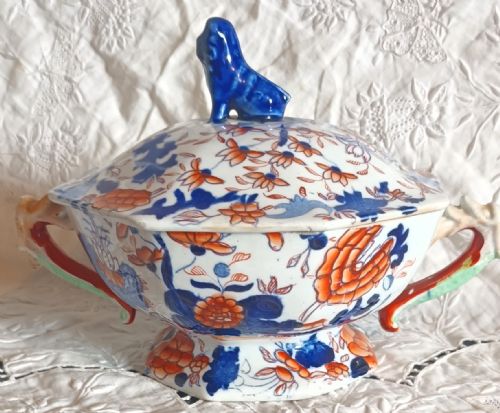
Sauce tureens and hot-water plates kept food warm at the table, while cabinet plates and comports displayed the wealth and taste of the host.
How do I distinguish eighteenth-century pieces from nineteenth-century ones?
Eighteenth-century items often utilise soft-paste porcelain bodies with hand-painted polychrome flora, birds, or delicate blue and white transfer designs.
Nineteenth-century examples frequently employ denser ironstone, bone china, or felspar porcelain alongside bolder transfer-printing and rich gilding.
Can I use antique dishes for daily dining?
While structurally sound, antique soft-paste porcelain and earthenware require careful handling to preserve fragile overglaze enamels and historic gilding.
Hand-washing is essential, and many collectors prefer to exhibit these items as cabinet plates or decorative serving pieces rather than risking daily wear.
What is a Japan pattern?
The Japan pattern refers to a decorative style inspired by Imari and Asian export porcelains, featuring vibrant iron-red, cobalt blue, and gold highlights.
English factories adopted this aesthetic widely across ironstone and porcelain bodies during the Georgian and Regency periods.