






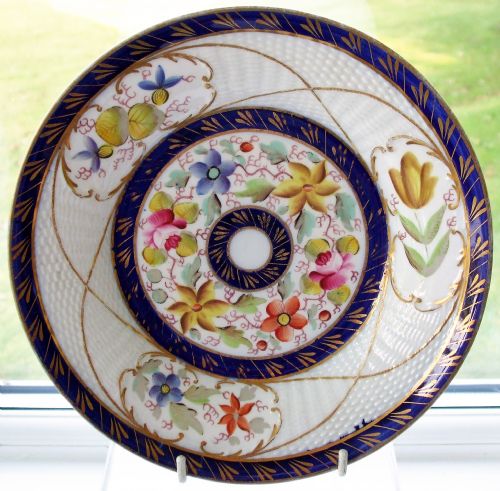
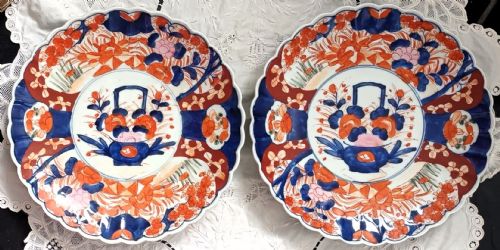
Cobalt Blue Floral Plate
Cobalt blue floral plate options on this page bring together centuries of earthenware, porcelain, and intricate hand-painted design for your table or display.
Cobalt Blue Floral Plate
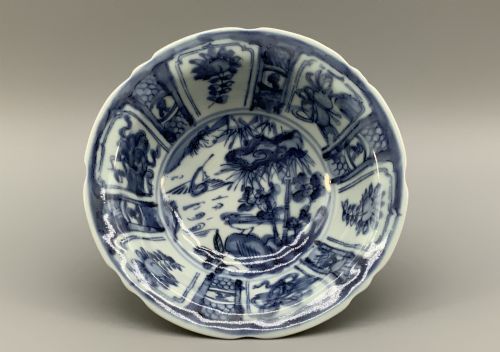
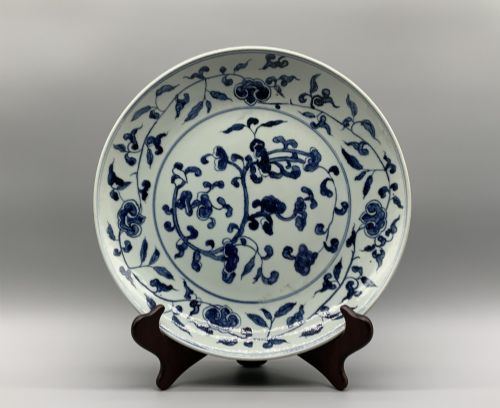
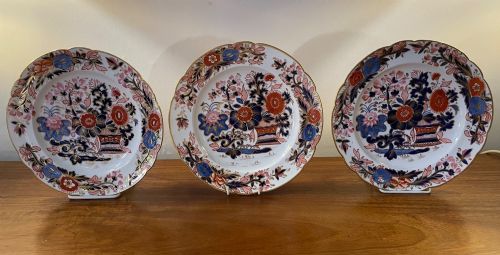
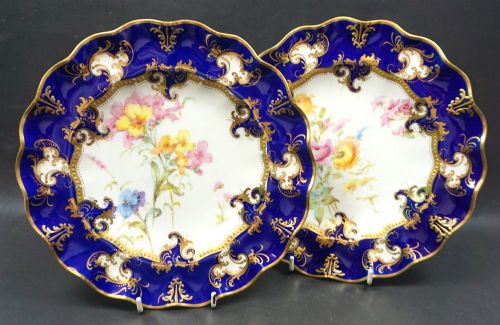
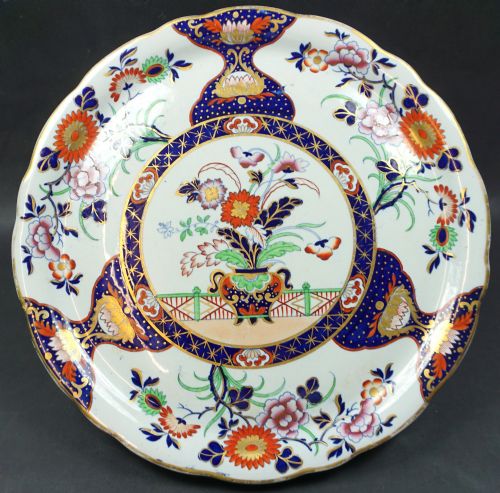
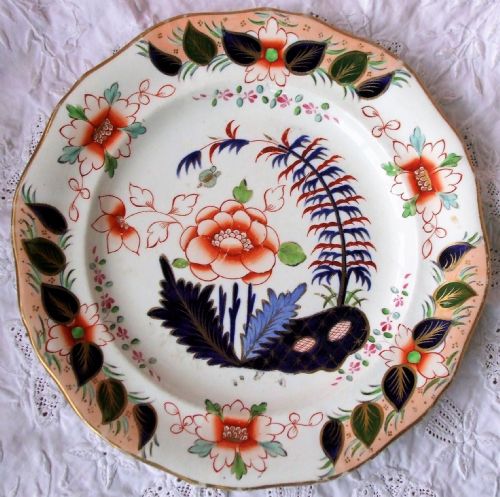
When you search for a cobalt blue floral plate, you encounter a varied selection of ceramics spanning multiple centuries and origins. The items gathered here range from substantial chargers and platters to cabinet plates and bowls, originating from English potteries, European works, and Japanese kilns.
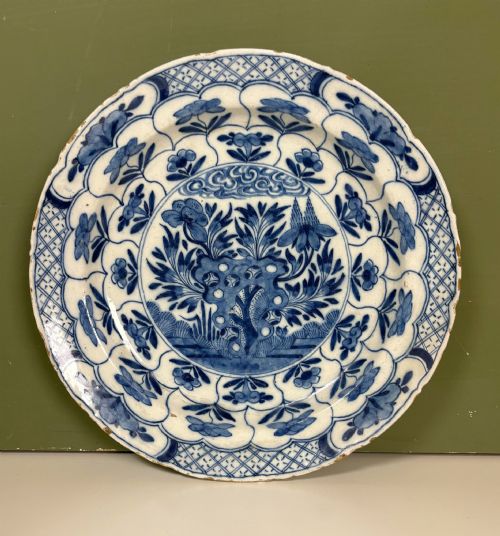
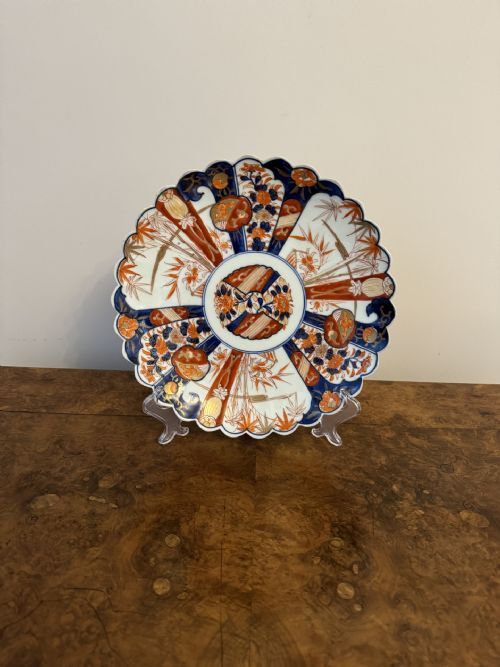
You are most likely to meet Japanese Imari chargers and plates from the late nineteenth century alongside English ironstone and porcelain examples from the Georgian and Victorian periods. Earlier pieces from the eighteenth century, including Delft dishes and Kangxi period porcelain, also appear.
These items served both functional dining purposes and decorative display roles within households. Their enduring appeal lies in the striking contrast of deep blue pigments against white ceramic grounds, often enriched by additional enamel colours.
How they were made
Makers shaped these items from ceramic, earthenware, and porcelain pastes before applying cobalt pigment to create the foundational blue designs. Enamel colours and gold leaf were frequently added over the glaze in subsequent firings to build up rich decorative palettes.
Potteries utilised traditional techniques such as hand-painting and transfer printing on bodies of ironstone or soft and hard-paste porcelain. Transparent glaze sealed the surfaces, protecting the pigments and providing the glossy finish seen on surviving examples.
Listings feature cobalt blue floral plates across multiple periods, ranging from eighteenth-century Delft to Edwardian flow blue wares.
What varies in quality
The sophistication of the hand-painting dictates much of the distinction between standard and superior pieces. Skilled artists achieved precise brushwork, depth of tone in the cobalt pigment, and careful alignment of supplementary enamel colours.
The choice of body material also influences the standing of a piece, with fine porcelain and dense ironstone representing different manufacturing ambitions. Crispness in moulded edges, such as scalloped rims or lobed contours, demonstrates the care taken during production.
Royal Crown Derby·John Ford·Hicks & Meigh·John Davenport·New Hall·Pucher Deroche
The Cobalt Blue Floral Plate Glossary
- Imari
- A style of Japanese porcelain decorated in underglaze blue, iron red, and gilt, which heavily influenced European potteries. This palette became widely imitated across England and the Continent during the nineteenth century.
- Ironstone
- A heavy, durable type of earthenware patented in the nineteenth century to rival porcelain. It provides a robust body suitable for everyday dining wares and large decorative platters.
- Delft
- Tin-glazed earthenware originating in the Netherlands and England, known for its opaque white surface and blue painted decoration. Early examples often draw inspiration from Chinese blue and white imports.
- Charger
- A large decorative plate or dish used traditionally for ceremonial dining or wall display. These sizeable pieces showcase expansive painted scenes and patterns.
- Cabinet plate
- A fine ceramic piece made primarily for display in a cabinet or on a wall rather than practical table service. Such items typically exhibit superior painting and finishing.
Cobalt Blue Floral Plate: Frequently Asked Questions
How do I care for antique plates?
Wash these ceramic pieces gently by hand using mild detergent and warm water. Avoid soaking items with gilt highlights or delicate enamel work to protect the surface decoration.
Keep them away from direct sunlight and sudden temperature changes. Use padded plate hangers or stands if displaying them vertically.
Were these plates used for dining?
Many examples served practical roles at the dining table for meat courses, soup, or serving cheese. Heavy ironstone and earthenware handled daily household meals.
Other items, particularly large chargers and cabinet pieces, served primarily as decorative ornaments. Their scale and rich ornamentation suited display on sideboards and walls.
How can I tell Japanese Imari apart from English versions?
Japanese Imari pieces typically feature a finer porcelain body with slight imperfections and a characteristic greyish-white translucent glaze. The cobalt blue sits deep beneath the glaze.
English interpretations often utilise ironstone or bone china bodies with opaque white glazes. The makers' marks on the reverse usually clarify the English origin.
What does flow blue mean?
Flow blue describes a nineteenth-century printing technique where the cobalt blue pigment intentionally blurred during firing. This chemical reaction created a misty, soft-edged effect resembling Chinese brushwork.
It appears frequently on mid to late-Victorian tableware and biscuit barrels. The blurred aesthetic remains a distinct collecting focus today.